Recommended Albums #35

ketelby

Ketèlbey: In a Monastery Garden (1959)

Most of us probably have strong feelings about the music our parents loved–either affection or revulsion. I look back as an adult at the music collection of my father with admiration: right up until age fifty or so he was buying and listening to then-current top 40 music, adding it to an eclectic collection encompassing every era since the time of big band jazz (one style he had little use for).

In every decade and in nearly every genre it seems he found something to like, and a scan of his albums and 45’s reveals his discernment of quality music: The Ames Brothers–genius. Roger Miller–genius. The Carpenters–genius. Herb Alpert, The Seekers, The Stylistics, The Spinners, Stevie Wonder, ABBA, Nat Cole, Bobby Darin, Jerry Reed, Marty Robbins, Johnny Cash, Glen Campbell…the degree to which my father’s taste shaped mine is astonishing, and I only wish I’d told him sooner–like when I was shutting the bedroom door to blare my Elvis Costello records.

But Dad also took great enjoyment in what some would now call “guilty pleasure” music (although I’m sure he did so without guilt because to him music was never about hipness or cred, only enjoyment). Tony Orlando & Dawn, Sandie Shaw, Connie Francis, Bobby Sherman and Olivia Newton-John were some of the artists he enjoyed without shame. And I’m grateful that he was no elitist. From this I learned that music is for enjoyment primarily, and doesn’t need to challenge to have validity.

Thanks at least in part to my dad I know it doesn’t have to be Miles Davis, or Mozart, or Dylan to matter. And sometimes I drive around with ELO playing from my car because, whatever a critic or an ordinary hater might have to say, the enjoyment is the thing.

Which brings us (trust me) to Albert Ketèlbey. Although my dad’s record collection included more serious classical music, it was the “light music” of Ketèlbey that more often made it into the thick stack of albums the record changer would drop in succession onto Dad’s turntable.

Ketèlbey could be considered the Henry Mancini or Leroy Anderson of his time, his time being from about 1912 to the mid-1930’s. During that period the English composer made music that was more about charm than pretension, more about pure enjoyment than depth or so-called substance. And he was so successful doing it that he was able to retire to the Isle of Wight while still only in his forties.

In a Monastery Garden: The Immortal Works of Ketèlbey was the recording that the majority of the eleven kids in my family grew to love without realizing it at the time. It’s an album that was background music to our childhood years, hardly noticed, but has become dear to us since our dad passed on, as nostalgia for those innocent years grows.

Perhaps this album’s particular attraction for us among my dad’s many records is due to the built-in nostalgic feel of Ketèlbey’s melodies. That’s the magic of Ketèlbey’s impressionistic music: He didn’t rigorously adhere to authentic Persian or Egyptian styles in writing songs like “In a Persian Market” or “In the Mystic Land of Egypt”. “In a Chinese Temple Garden” doesn’t sound remotely like the music of China. Rather he immersed the listener in an imagined version of faraway places, incorporating such flourishes as birdsong, church bells, monks’ chant, and most importantly, hauntingly beautiful melody.

With no disrespect to the Bachs and Beethovens of the world, what Ketèlbey created is just as dear to many, especially in his homeland of England. There’s nothing “light” about the beauty of Albert Ketèlbey’s melodies.

Listen to: “In a Monastery Garden”

Listen to: “In a Persian Market”

Listen to: “Wedgwood Blue”

Listen to: “Bells Across the Meadows”

Martin Scorsese Presents The Blues: A Film Tribute to America’s Great Musical Tradition

(Reprinted from Open Culture)

“I can’t imagine my life, or anyone else’s, without music,” says filmmaker Martin Scorsese. “It’s like a light in the darkness that never goes out.” So begins Feel Like Going Home, Scorsese’s fascinating and at times lyrical documentary on the origin and evolution of the blues.

Feel Like Going Home (shown above in its entirety) is the first of seven installments, by seven directors, in the PBS series The Blues. It follows musician Corey Harris as he traces the roots of the Blues from the Mississippi Delta back to West Africa. The documentary includes interviews and performances from contemporary artists like Taj Mahal and Willie King, as well as archival footage of legends like Son House, Muddy Waters and Lead Belly.

“I’ve always felt an affinity for blues music,” Scorsese told PBS. “The culture of storytelling through music is incredibly fascinating and appealing to me. The blues have great emotional resonance and are the foundation for American popular music.” Scorsese served as executive producer of the series, which includes episodes directed by Clint Eastwood (Piano Blues) and Wim Wenders (The Soul of a Man). The complete seven-part series is available on DVD as Martin Scorsese Presents The Blues–A Musical Journey.

Top Ten Singles 40 Years Ago This Week

Week ending January 13, 1973

  1. You’re So Vain-Carly Simon
  2. Superstition-Stevie Wonder
  3. Me and Mrs. Jones-Billy Paul
  4. Clair-Gilbert O’Sullivan
  5. Funny Face-Donna Fargo
  6. Your Mama Don’t Dance-Loggins & Messina
  7. Rockin’ Pneumonia-Boogie Woogie Flu-Johnny Rivers
  8. Superfly-Curtis Mayfield
  9. Crocodile Rock-Elton John
  10. Keeper of the Castle-Four Tops

(Source: Billboard Hot 100)

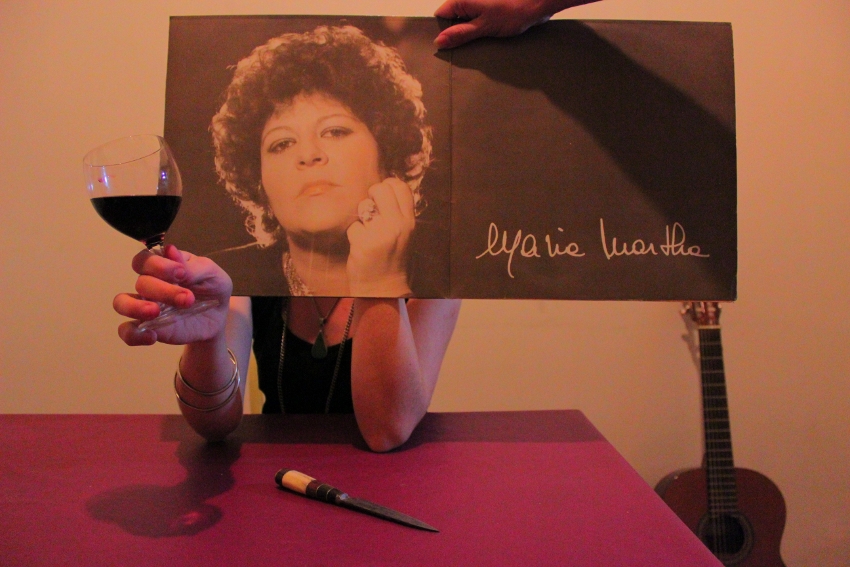
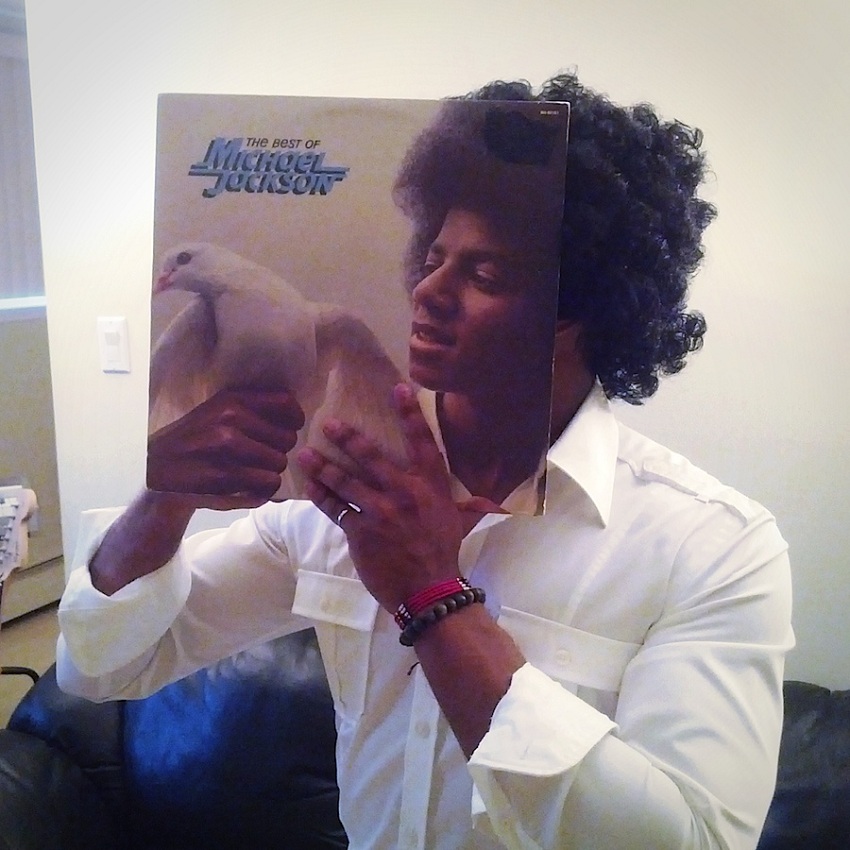
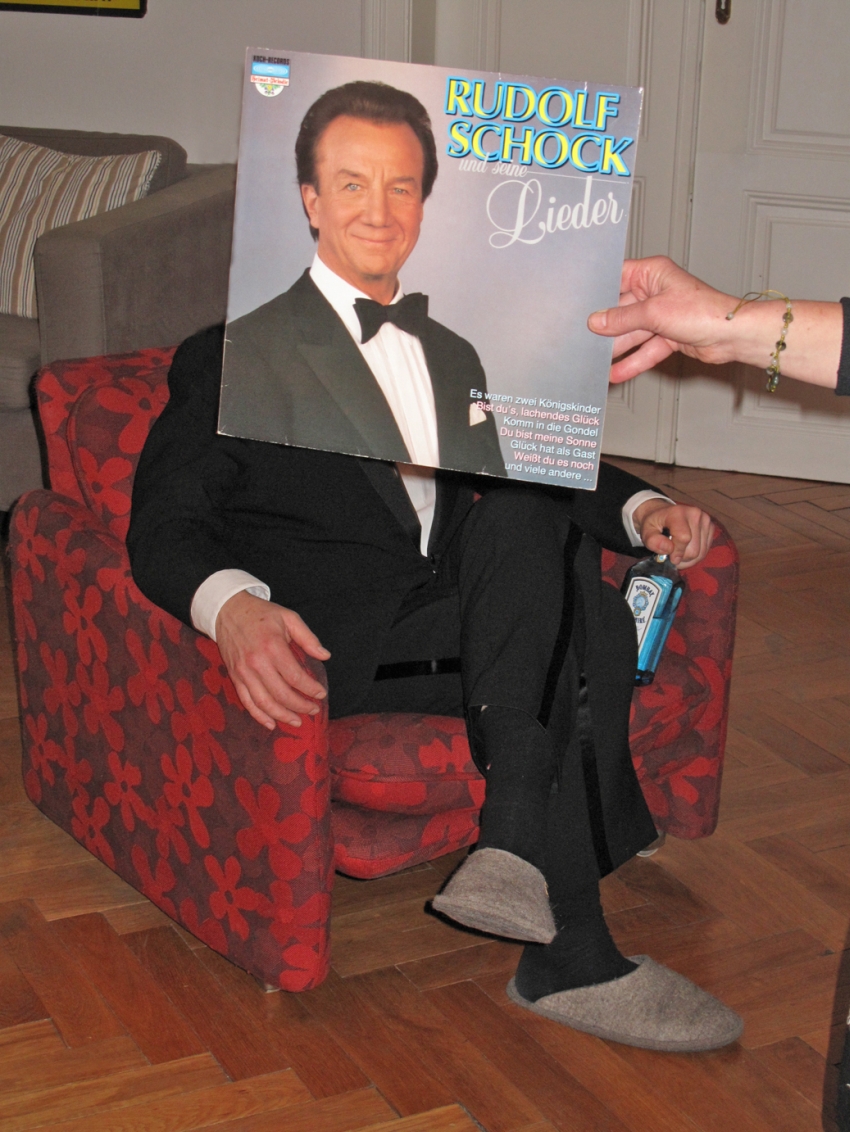
Even Yet Still More Sleeveface

sleeve 15 Credit: Elien & Johan Copermans

sleeve 11

Credit: Les Johnson

sleeve 12

Credit: Johanna Páramos Santalucía

sleeve 13

Credit: Duane Perera

sleeve 14

Credit: Elien & Johan Copermans

sleeve 18

credit: Hyperbubble

OLYMPUS DIGITAL CAMERA

Credit: Stourley Kracklite

sleeve 16

Credit: Colin Lee

sleeve 21

Credit: Peter Rockwell

sleeve 22

Credit: Sarah Ross

sleeve 24

Credit: Carsten Ostendorf

sleeve 28

Credit: Elien & Johan Copermans

sleeve 26 Credit: Peter Jakadofsky

sleeve 29

Credit: Christophe Gowans

More at: http://www.sleeveface.com/

Songs You May Have Missed #278

wailin

The Wailin’ Jennys: “Begin” (2006)

The Wailin’ Jennys are a harmonizing female folk trio from Canada whose format invites comparison to The Dixie Chicks, but the comparison falters. First, it must be said the Jennys don’t possess the vocal strength of the Chicks. As for their sound, it’s less country hoedown and more coffeehouse folk. And they’re far more likely to cover a centuries-old English traditional ballad than a Fleetwood Mac tune.

All three women are songwriters, and their strength is in writing honest, reflective songs, rendered with pretty harmonies.

Songs You May Have Missed #277

rogue

Rogue Wave: “Good Morning (The Future)” (2010)

The making of the Permalight album was, for Zach Rogue, a story of his own personal triumph over physical infirmity. Quoting from Amazon.com’s editorial review:

In September 2008, after the band returned to Oakland following a summer tour, Rogue played a solo show opening for Nada Surf. Two days later, the singer woke up and couldn’t move. There was some concern that he might be having an aneurysm or heart attack, so doctors wheeled an X-ray machine into his living room to check his heart and lungs. It turns out Rogue had slipped two discs in his neck, which were pressing on his spinal cord.

“It was the worst pain I had experienced,” he says.

Over the next few months, his condition grew worse until he eventually lost feeling in his right hand. Confined to his bed, there was nothing doctors could do for him, no medications that could relieve his pain. “I just felt like I was being tortured,” Rogue says. “I felt like I was dying.” In January, the pain began to gradually lift, giving him just enough sensation to pick up the guitar and strum it. He celebrated the recovery the best way he knew, by pouring his relief into new material. “When I started writing I wanted to make a record that was a little more up, a record you could move your body to because I couldn’t move for so long,” Rogue says. “I told Pat I wanted to make a total dance album.”

It’s also a joyful and uplifting one, full of cheerful tunes like “Good Morning (The Future)”.

Previous Older Entries Next Newer Entries