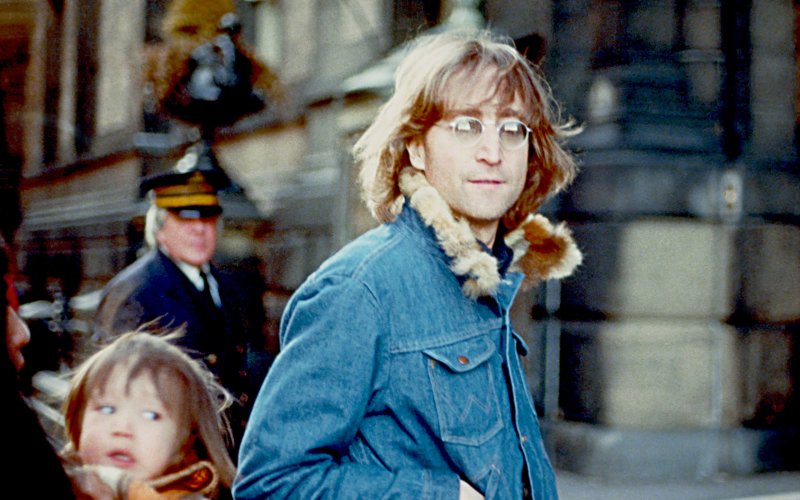
Best of Breslin: ‘Are You John Lennon?’

lennon

The legendary reporter’s classic column on the night John Lennon was shot.

(via The Daily Beast)

by Jimmy Breslin

I was home in bed in Forest Hills, Queens, at 11:20 P.M. when the phone and television at once said Lennon was shot. I was dressed and into Manhattan, to Roosevelt Hospital, the Dakota, up to the precinct, grabbed a cop inside, back to the Dakota, grabbed a cop outside, and to the Daily News. I wrote this column and it made a 1:30 A.M. deadline. I don’t think there is anybody else who can do this kind of work this quickly...

Read more: http://www.thedailybeast.com/articles/2015/09/05/best-of-breslin-are-you-john-lennon.html

Songs You May Have Missed #548

hackett

Steve Hackett: “Sleepers” (edit) (2010)

I consider it no knock on Steve Hackett to say he has created some of my favorite music to fall asleep to–maybe not what most rock guitarists would want as an epitaph, but perhaps he wouldn’t mind.

His albums display a variety of styles and moods, but I find him most affecting when he evokes the restful hours at day’s end, and the inside of my eyelids provide the movie to Hackett’s beautiful soundtrack.

See also: https://edcyphers.com/2012/08/02/songs-you-may-have-missed-159/

Songs You May Have Missed #547

dido

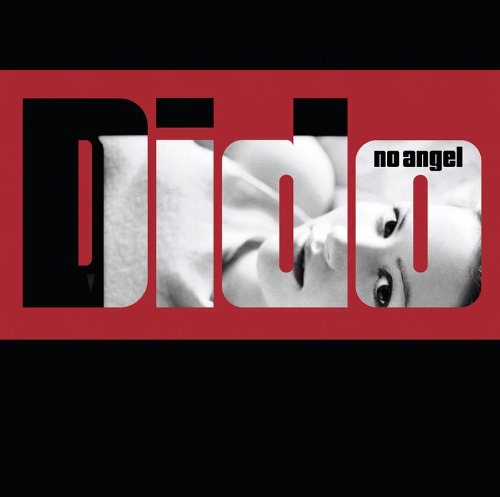
Dido: “Here with Me” (1999)

Although Sarah McLachlan, Beth Orton and Sinéad O’Connor are all apt points of reference, the dream pop/trip-hop arrangement aside it’s Sade that I could most easily hear singing this song if not Dido herself.

The debut single of her career, it reached number 4 in the UK, although it failed to crack the top 100 stateside.

See also: https://edcyphers.com/2013/03/27/songs-you-may-have-missed-375/

Songs You May Have Missed #546

blades

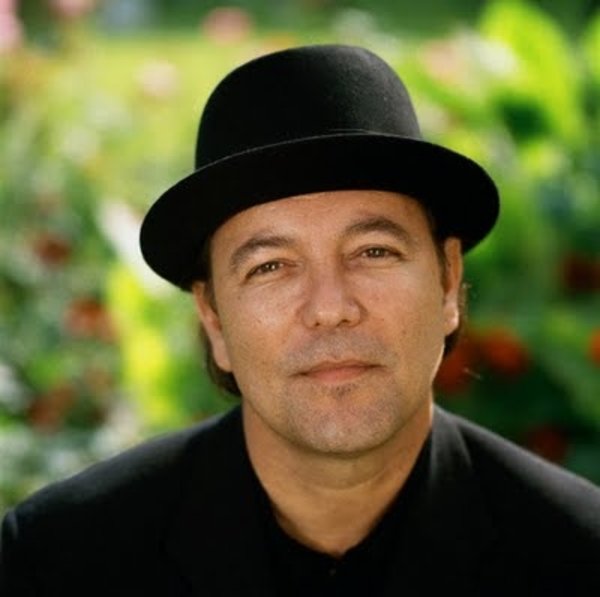
Rubén Blades: “Ganas de Verte” (1996)

The title translates as “I want to see you” and although the translation that I found for the rest is a little muddy in places, I do like this verse:

Sometimes I think I have heard your call

Above the roar of the waves in the sea

I hope tomorrow brings an awakening

You next to me

bladesPanamanian singer-songwriter, Latin jazz artist, accomplished actor, Harvard graduate and activist Blades has had a long and interesting career. Musically, he’s credited with experimenting with and broadening the style of Salsa music over a period stretching back to the 1970’s.

Other than that he holds a law degree and has run for president of his country, capturing 18% of the vote in 1994.

…pretty much like any singer.

Video of the Week: The Last Audio Cassette Factory

How Can 30-Year-Old Receivers Sound Better than New Ones?

pioneer

(via C/net)

by Steve Guttenberg

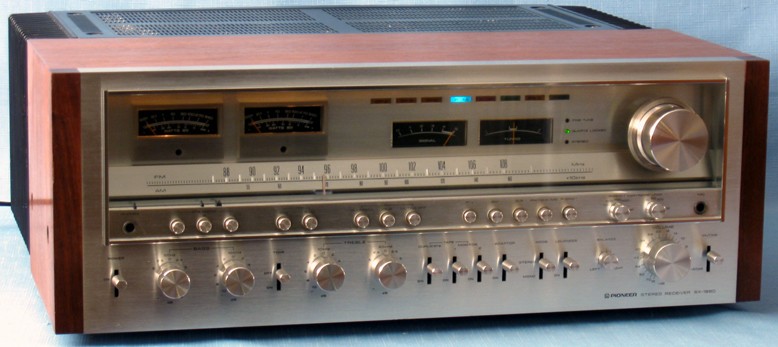
It’s a strange turn of events, but mainstream manufacturers long ago gave up on the idea of selling receivers on the basis of superior sound quality. I’m not claiming today’s receivers sound “bad,” but since almost no one ever listens to a receiver before they buy one, selling sound quality is next to impossible.

Back in the days when brick-and-mortar stores ruled the retail market, audio companies took pride in their engineering skills and designed entire receivers in-house. Right up through the 1980s most of what was “under the hood” was designed and built by the company selling the receiver. That’s no longer true; the majority of today’s gotta-have features–auto-setup, GUI menus, AirPlay, iPod/iPhone/iPad compatibility, home networking, HD Radio, Bluetooth, HDMI switching, digital-to-analog converters, Dolby and DTS surround processors–are sourced and manufactured by other companies. Industry insiders refer to the practice of cramming as many features as possible into the box as “checklist design.” Sure, there are rare glimpses of original thinking going on–Pioneer’s proprietary MCACC (Multi Channel Acoustic Calibration) auto-setup system is excellent–it’s just that there’s precious little unique technology in most receivers…

Read more: http://www.cnet.com/news/how-can-30-year-old-receivers-sound-better-than-new-ones/
Previous Older Entries Next Newer Entries