DJ Schmolli is responsible for mashing together metal and bubblegum in brilliant fashion.
The video by Gutthell clashes nicely too.
Art is the music we make from the bewildered cry of being alive. ~Maria Popova
20 Jan 2016 2 Comments
in Video of the Week Tags: iron maiden, the monkees
DJ Schmolli is responsible for mashing together metal and bubblegum in brilliant fashion.
The video by Gutthell clashes nicely too.
20 Jan 2016 2 Comments
in General Posts Tags: animal, muppets

(via Waterford Whispers News)
TRIBUTES have been flooding in from all across the world following the death of Animal, the legendary drummer with rock outfit Dr. Teeth and The Electric Mayhem.
Fans of the supergroup were shocked to learn of the passing of the iconic percussionist, who passed away at just 66 following a short illness. Remaining band members Dr. Teeth, Janice, Zoot and Floyd Pepper took to the group’s Facebook fan page to announce the sad news earlier today.
“We will never forget you, brother,” read the statement from the band.
Read more: http://waterfordwhispersnews.com/2016/01/20/rock-legend-animal-dies-aged-66/
19 Jan 2016 Leave a comment
in General Posts Tags: the phonograph
via Smithsonian magazine
by Clive Thompson
Are these trends a good thing—for musicians, for us, for the world of audible art?
Now the arguments begin. Some cultural critics say our new world has liberated music, creating listeners with broader taste than ever before. Others worry that finding music is too frictionless, and that without having to scrimp and save to buy an album, we care less about music: No pain, no gain. “If you own all the music ever recorded in the entire history of the world,” asked the novelist Nick Hornby in a column for Billboard, “then who are you?”
Artists fight over digital music too. Many say it impoverishes them, as the relatively fat royalties of radio and CD give way to laughably tiny micropayments from streaming companies, where a band might get mere thousandths of a penny from their label when a fan streams its song. Other artists disagree, arguing that giving away your music for free online makes it easier to build a global fan base avid for actually giving you money.
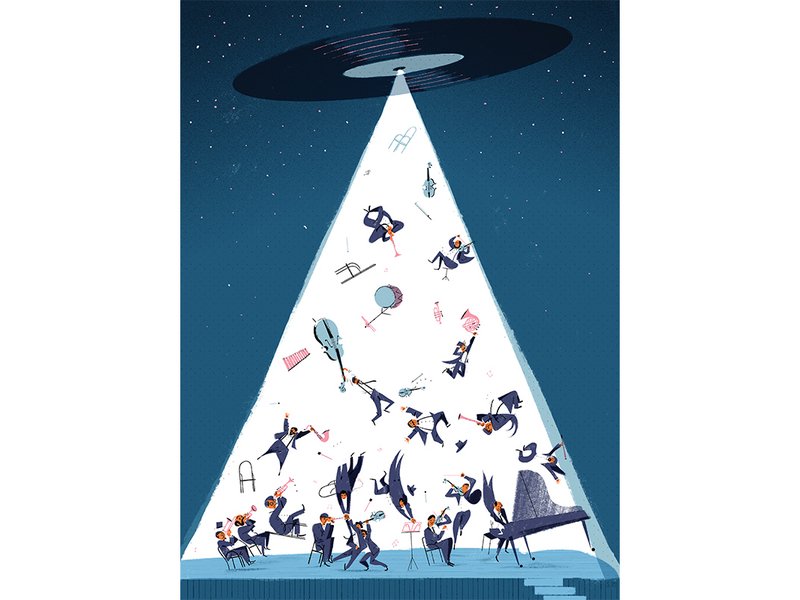
A confusing time, to be sure. But it’s certainly no more confusing than the upheaval that greeted a much older music technology: the phonograph. Back in the 19th century, it caused fights and joy too—as it forever transformed the face of music.
Read more: http://www.smithsonianmag.com/arts-culture/phonograph-changed-music-forever-180957677/
19 Jan 2016 Leave a comment
in General Posts Tags: simon & garfunkel, the sound of silence
(via Smithsonian magazine)
by Geoffrey Himes
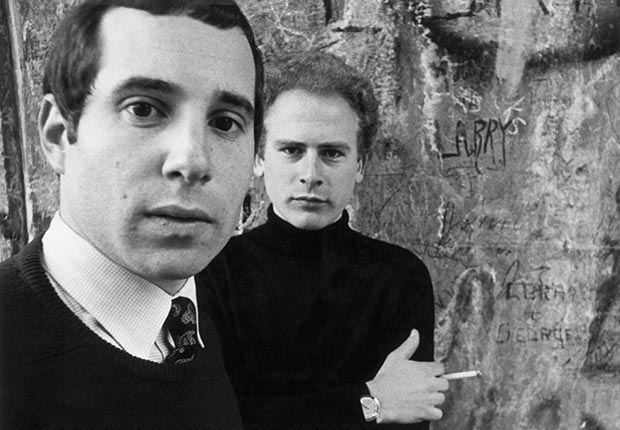
It’s been 50 years since Simon & Garfunkel’s “The Sound of Silence” topped Billboard magazine’s pop singles chart. But it’s been almost 52 years since the song was first recorded. What happened in that interval made all the difference.
If Columbia Records producer Tom Wilson hadn’t taken the initiative, without the singers’ knowledge, to dub a rock rhythm section over their folk rendition, the song never would have become a cultural touchstone—a generation’s shorthand for alienation—nor the duo a going concern, let alone an exemplar of early folk-rock music.
19 Jan 2016 1 Comment
in General Posts Tags: rock n roll urban legends
(via mental floss)
by Kara Kovalchik
Most great songs also have a great backstory—but the tragic or funny or drug-fueled origin stories surrounding these rock classics simply aren’t true.
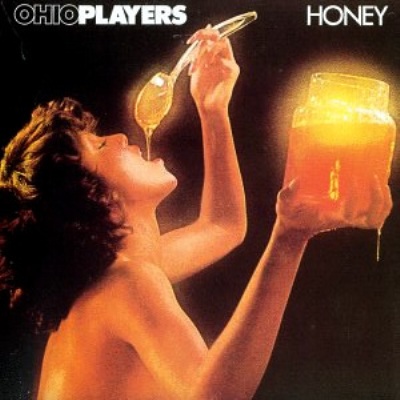
The Legend: Known as the “Ohio Slayers” rumor, the faint scream heard midway through the song “Love Rollercoaster” was the cover model from the Ohio Players’s Honey album being stabbed to death in the studio (or being burned by heated honey).
The Truth: That particular vocalization was keyboard player Billy Beck trying to hit a Minnie Riperton-style high note. The model in question, Ester Cordet, was a former Playmate of the Month who was provocatively drizzling honey into her mouth on the album cover. She is reportedly alive and well and has been married for many years to motivational guru Robert Ringer (whom she met at a party at the Playboy Mansion).
The Legend: The haunting 1981 hit was written by Phil Collins after he witnessed a man drowning. He was too far away to offer assistance, but he saw another man sitting idly by on the shore. The man could have easily reached the swimmer, but didn’t even try to help. Years later, after some clever detective work, Collins located the bystander and invited him to a concert, giving him a front row seat. He then had a spotlight shine on him when he performed this song to publicly humiliate him.
The Truth: Collins wrote “In the Air Tonight,” and many of the other songs on his first solo album, Face Value, while alternately depressed and angry over his disintegrating marriage. His first wife, Andrea, was reportedly fed up with his constant touring and had taken the couple’s two children and fled back to her native Canada, where she eventually filed for divorce.
Read more: http://mentalfloss.com/article/48654/debunking-6-rock-n-roll-urban-legends
18 Jan 2016 Leave a comment

(via mental floss)
by Jessica Hullinger
Music is a splendid thing. It can cheer you up when you’re sad, make you dance like a fool, and allow you to drown out the world when you need to. But music has its scientific uses, too. The documentary Alive Inside details how dementia patients react positively when given iPods filled with their old favorite songs. The music seems to help them “come alive” again. While listening to familiar songs, many of the documentary’s patients can sing along, answer questions about their past, and even carry on brief conversations with others.
“Music imprints itself on the brain deeper than any other human experience,” says neurologist Oliver Sacks, who appears in the film. “Music evokes emotion, and emotion can bring with it memory.”
The documentary follows recent studies showing that music can improve the memories of dementia patients, and even help them develop new memories.
Here, a look at some other things music has been known to “cure”:
Babies born too early often require extended stays in the hospital to help them gain weight and strength. To help facilitate this process, many hospitals turn to music. A team of Canadian researchers found that playing music to preemies reduced their pain levels and encouraged better feeding habits, which in turn helped with weight-gain. Hospitals use musical instruments to mimic the sounds of a mother’s heartbeat and womb to lull premature babies to sleep. Researchers also say that playing calming Mozart to premature infants significantly reduces the amount of energy they expend, which allows them gain weight.
It “makes you wonder whether neonatal intensive care units should consider music exposure as standard practice for at-risk infants,” says Dr. Nestor Lopez-Duran at child-psych.org.
If music helps babies grow, can it do the same thing for plants? Dorothy Retallack says yes. She wrote a book in 1973 called The Sound of Music and Plants, which detailed the effects of music on plant growth. Retallack played rock music to one group of plants and easy listening music to another, identical group. At the end of the study, the ‘easy listening’ plants were uniform in size, full and green, and were even leaning toward the source of the music. The rock music plants had grown tall, but they were droopy, with faded leaves, and were leaning away from the radio.
Read more: http://mentalfloss.com/article/30649/11-problems-music-can-solve
 Every Moment Has A Song