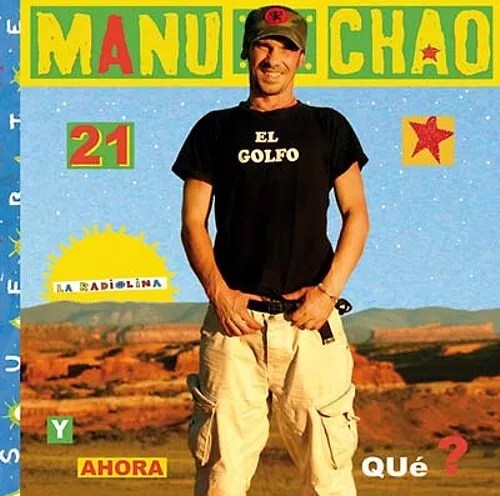
If you don’t know how to pronounce the name of French-born Spanish musician Manu Chao, you can just call him by his birth name, José Manuel Tomás Arturo Chao Ortega, which is nearly as long as the list of languages he sings in–French, Spanish, English, Italian, Arabic, Catalan, Galician, Portuguese, and Greek.
His multicultural musical mix swings between party, politics and protest. But even when the song is sad, the music celebrates.
Translation:
They Call Me Street
They call me street/stepping on the concrete/the rebellious and so lost girl
they call me street/street of the night/street of the day
they call me street/I’m going so tiredly/I’m going so vacantly/like a little machine for the grand city
they call me street/I get into your car/they call me street/I should be happy
tired street, empty street/of so much love
I’m going to the street below/I’m going to the street above/I wont back down/not even for life
they call me street/and that is my pride/I know one day I’ll arrive/I know one day my luck will come
one day it’ll look for me/at the exit a good man/giving his life without paying/my heart isn’t for rent
they call me street(2x)
suffering street/depressed street/from so much love
they call me street/most quiet street/they call me street without a future/they call me street without an exit/they call me street/most quiet street
for the women of life/rise below/sink above/like a little machine for the grand city
they call me street (2x)
suffered street/depressed street/from so much love
they call me street/most quiet street/they always call me/no matter what the hour
they call me beautiful/always at the wrong time/they call me bitch/and princess
they call me street/it’s my nobility/they call me street/suffered street, lost street/of so much love
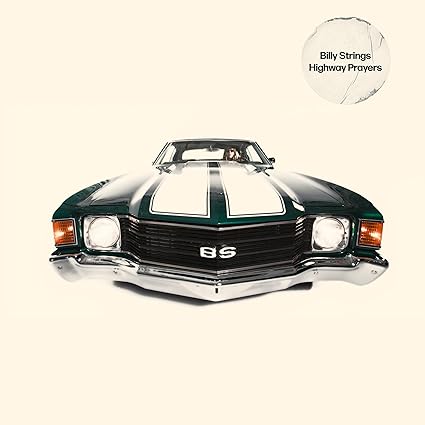
On his sprawling, 20-track double album Highway Prayers Billy Strings stretches the boundaries of traditional music in appealing fashion, mixing fast-picked bluegrass workouts with more laid-back fare such as the reflective “Gild the Lily”.
In 1996 Smithsonian Folkways Recordings released That’s Why We’re Marching, a collection, mostly, of folk songs dating from the first half of the 1940’s.
Among the album’s trove of rare and seldom heard songs of both pro- and anti-war sentiment is one memorable spoken-word track: a story by Vincent “Jimmy” Longhi about his friend, a folk singer by the name of Woodrow Wilson Guthrie–better known to the world as Woody.
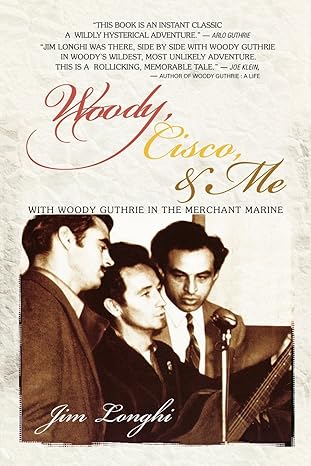
Attorney, playwright and author Longhi’s story is also recounted in his book Woody, Cisco, and Me: Seamen Three in the Merchant Marine, which chronicles his time traveling with convoys of troops during the Battle of the Atlantic with Guthrie and folk singer Cisco Houston.
The Guthrie song referenced in the story in its entirety:
…and another reminiscence from Longhi about the time their ship struck a mine in the Mediterranean, killing one person aboard:
If you’ve ever worn a band t-shirt out in public, there’s a very high chance you’ve been asked this question.
A woman has gone viral after sharing a video on TikTok of the aftermath of a hilariously awkward encounter that has had commenters rushing to suggest appropriate replies.
It’s the bane of every female music fan’s life, when you’re just trying to mind your own business and someone challenges you.
The woman, called Jo, shared a TikTok video captioned: “I don’t know how I should feel about this…” of her sitting in a diner moments after the incident.
Wearing a t-shirt emblazoned with the logo for the band Bad Habits, she sits awkwardly wondering what just happened.
On the video she explained: “Guys, I was casually waiting for my food wearing my band’s merch and a guy came up to me and asked me to name three songs.”
Problem is… Jo is the singer of the band he’s asking about…















 Every Moment Has A Song