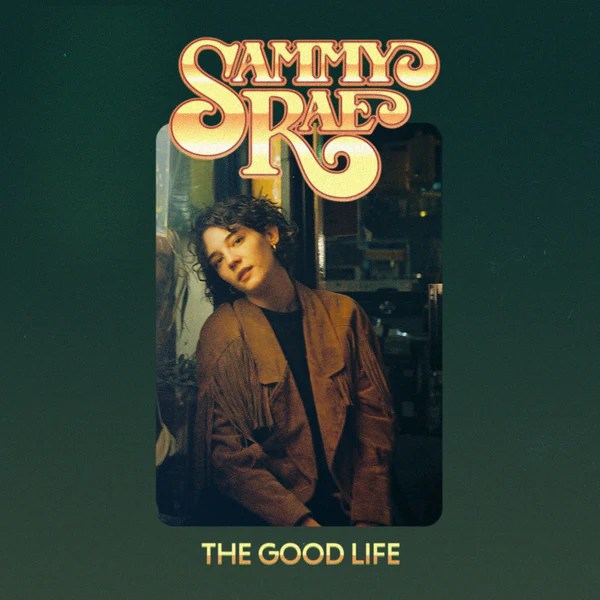
Describing the music of Sammy Rae & The Friends is difficult. Enjoying it–especially in a live setting–is definitely not.
No single genre title neatly contains the breadth of this band’s sounds, which seem to draw from jazz, pop, soul, funk, classic rock and world music.
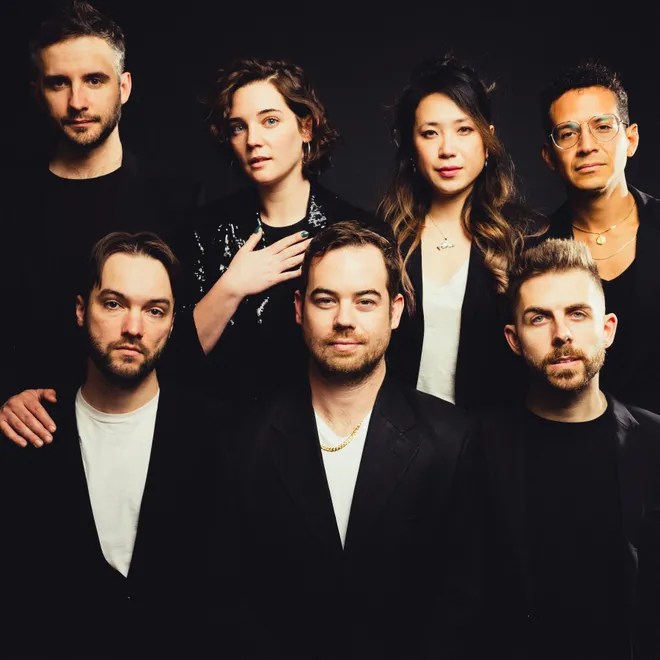
Mia Isabella Photography
Not many bands can cover ABBA and the Doobie Brothers with equal dexterity, but that’s just for starters.
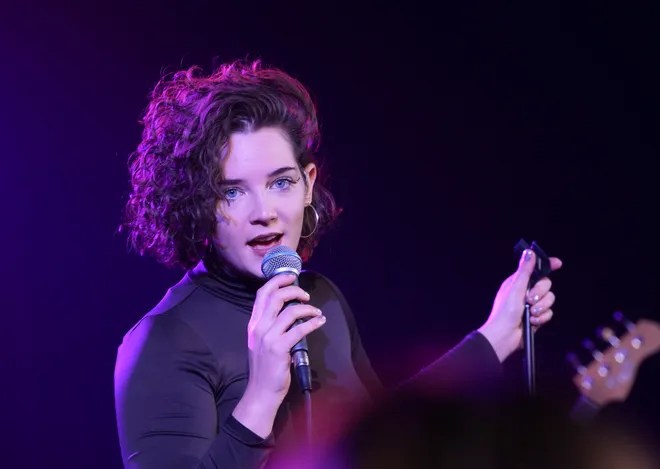
Lead vocalist and songwriter Samantha Rae Bowers is clearly a student of great female pop voices. Stratospheric Ella Fitzgerald-style scat and improvised vocals lace her dynamic performances. Themes of queer and female empowerment are central to her songs, but not presented in terms a general audience will likely find to be preachy or off-putting. It all just feels good.
Few bands bring such consistently positive and life-affirming messages to record or performance.
The Friends are a well-honed gigging band, skilled at presenting themselves and their songs to an audience. The bass is funky. Intermingled tenor and alto sax make things pop. The lead guitar is more than adept across a setlist that bounces lightly across styles, rather than settling into a single groove or feel.
Alie Skowronski/Columbus Dispatch
If you’re a band with one sound and a samey setlist, you do not want to open for Sammy Rae and company. (We won’t name names here.)
The seven-piece has a big footprint on the concert stage, and Sammy Rae says Bruce Springsteen was her inspiration for utilizing each member fully and letting each do their thing and share the shine of the spotlight. The camaraderie is not only evident; it’s a band hallmark and a major part of their audience appeal.
The live experience aside, Sammy Rae & The Friends’ studio recordings add a layer of polish and backup harmonies, offering the definitive listening experience.
That said, “Kick it to Me” is an example of a song worth hearing in both the studio version presented here and in concert, where improvised lyrics make for a different song from one show to the next.
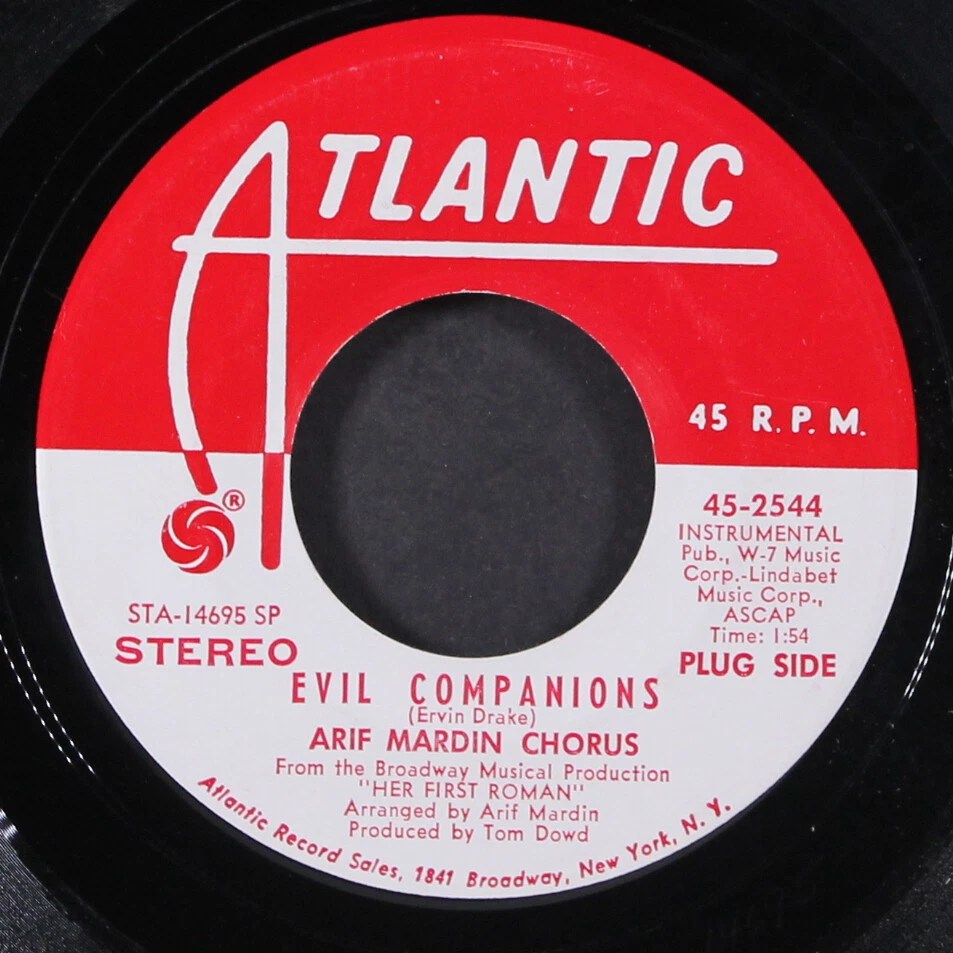
Little-known and rare in hard-copy form, the Arif Mardin Chorus’ recording of “Evil Companions” is a song with a history in my own family.
Possibly no record in my late father’s collection better exemplified his winking, faux-bawdy sense of humor. This 45 was added to the stack on the spindle for a lighthearted moment, or when Dad’s sister’s family was visiting our Pittsburgh home from Chicago.
Next weekend, on the occasion of my sister’s 50th wedding anniversary dinner, the 45-turned-digital file will be heard by the family once more.
We don’t forget the important stuff–like music.
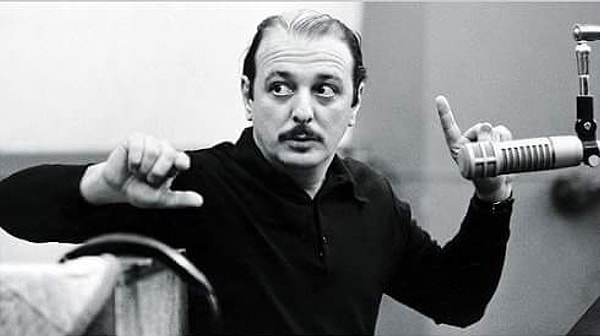
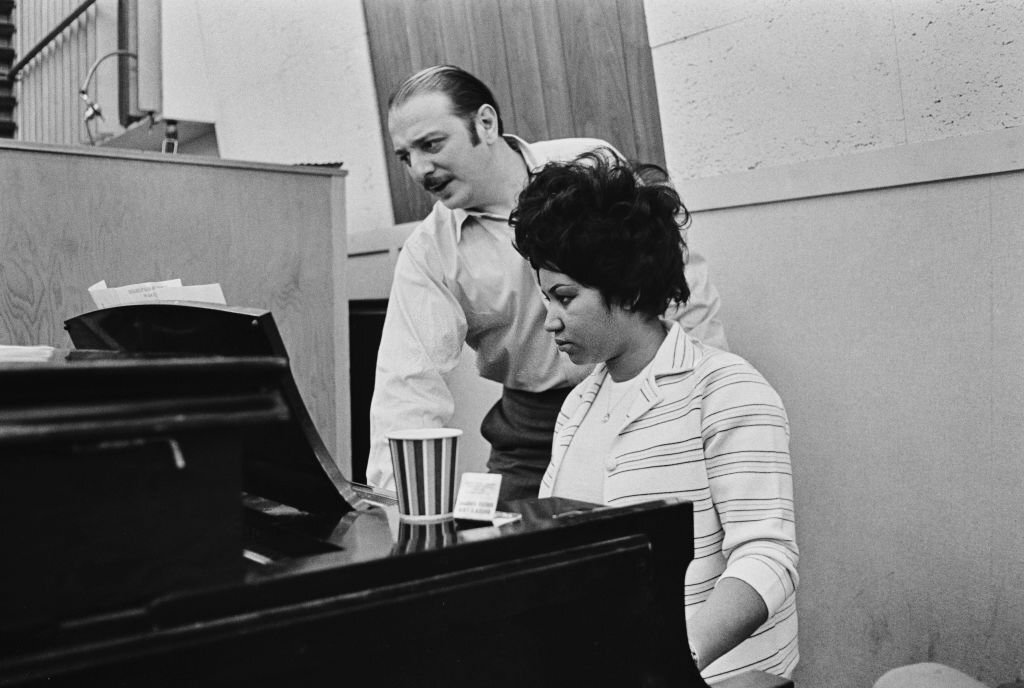
Arif Mardin
“Evil Companions” had no accompanying album; it was released only as a single, and available information is scant. According to the Atlantic Records discography, it was recorded in NYC on June 17th, 1968.
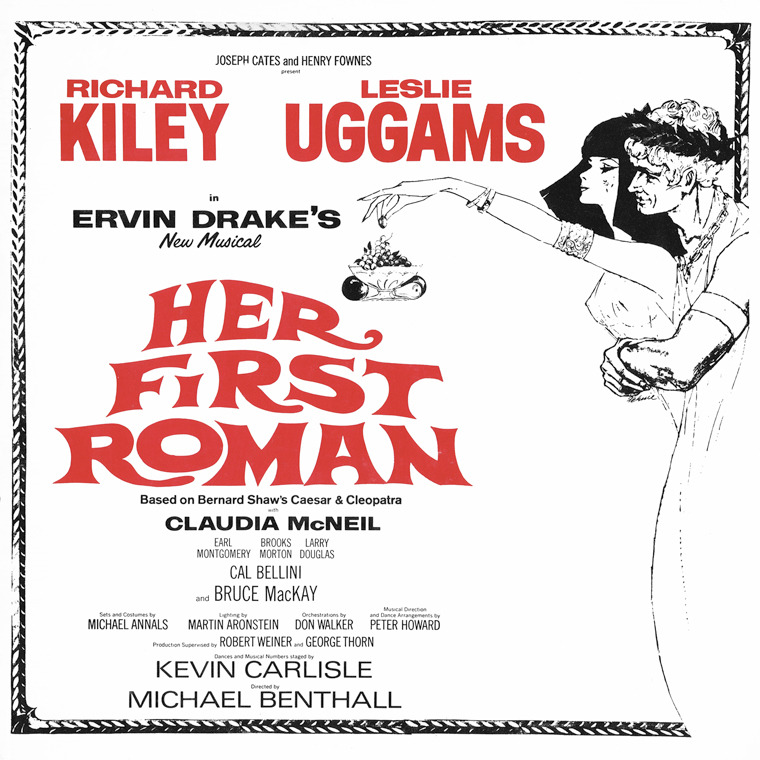
The song, as the label indicates, is from The Broadway Musical Production Her First Roman, which made its debut the same year.
As for Arif Mardin, who arranged the song, the Turkish-born record producer is a giant of the recording industry, with 12 Grammy awards and 18 nominations to his credit across genres of jazz, rock, soul, disco, country and more.
Among the artists he’s worked with are: the Rascals, Queen, John Prine, Melissa Manchester, the Bee Gees, Hall & Oates, Anita Baker, Aretha Franklin, Dionne Warwick, Donny Hathaway, Roberta Flack, Bette Midler, Michael Crawford, Chaka Khan, Howard Jones, Laura Nyro, Ringo Starr, Carly Simon, Phil Collins, Daniel Rodriguez, and Norah Jones.
Mardin was credited with reviving the Bee Gees’ career in the mid-1970’s as producer of Main Course, a massive comeback album that signaled an R&B-inflected course correction (so to speak) for the band.
Hard to imagine any of the above roster of artists recording anything like “Evil Companions”. I’d like to know more about what compelled this little one-off project, but I’m pretty sure I never will.
The original, Broadway cast version of the song has a couple additional verses. Et tu is amusing.
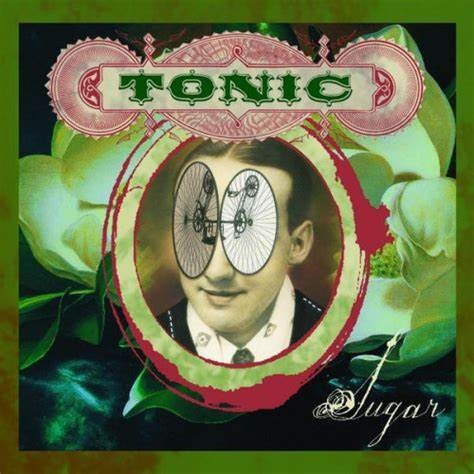
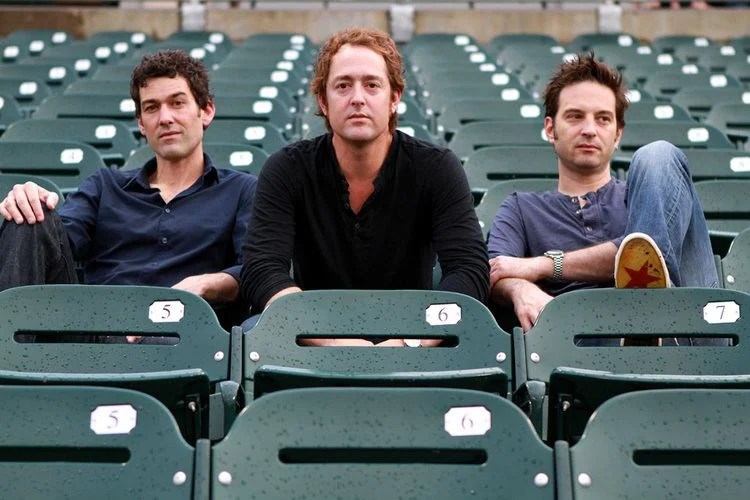
If there was a hidden message in going from bitter to sweet references in the titles of Tonic’s first two albums (their 1996 debut being Lemon Parade) it’s lost on me.
But there’s no denying the honeyed glaze coating the riffs and melodies on their second LP.
Discovering the band’s music post-2010 was probably key to my own appreciation of them. Among the Matchbox Twenty/Third Eye Blind/Toad the Wet Sprocket/Collective Soul thicket of 90’s modern rock, their music had a “heard it before” quality in the minds of some critics.
But to my ears at least, the years have been kind, and Tonic’s earnest lyrics and sturdy–if not groundbreaking–songwriting make for an enjoyable listen in an era when guitar rock isn’t exactly flourishing.
“You Wanted More” graced the American Pie soundtrack and so may be familiar. The song is inspired by the difficulties in striking a balance between life in a touring band and maintaining a relationship.
“Sugar” is breezily romantic; or, if you’re inclined to be critical, a little moist and saccharine. Depends on your taste, really.
“Waiting for the Light to Change” is wistful and evocative, and its title refrain is a metaphor that’ll stop you in your tracks–in a manner of speaking.
“Sunflower” is built on the kind of lively, stomping riff that has me hoping to take advantage of one of the rare opportunities to see these guys live.
Tonic received Grammy nominations and plenty of alternative rock airplay. And yet it seemed they could have been bigger. Perhaps the fact that they weren’t terribly prolific–just four albums released between 1996 and 2010–held them back. Or maybe they were just victims of a glut of guitar rock at the time.
At any rate, some bands and artists deserve to be reevaluated or reappraised outside their original context. I think Tonic is such a band.
Removed from the “Modern Rock” era, it’s just good music.

 Every Moment Has A Song