Songs You May Have Missed #18

donovan

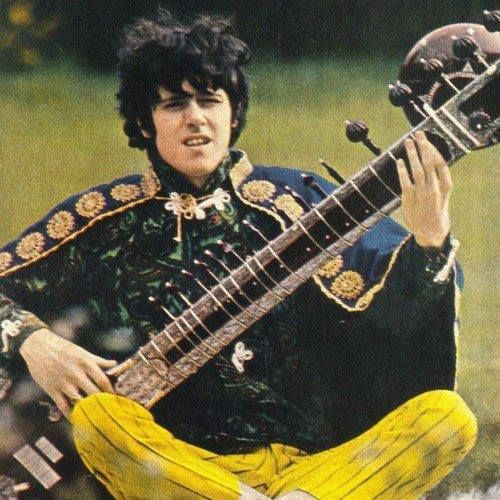
Donovan: “Celeste” (1966)

Smell the patchouli on this one…

If you saw the Dylan documentary Don’t Look Back by D.A. Pennebaker you may have come away with an impression of Donovan as a mere Dylan imitator. And if you’ve heard only hits like “Mellow Yellow” you may have assumed he’d moved on to become a Beatles imitator.

Both are inaccurate.

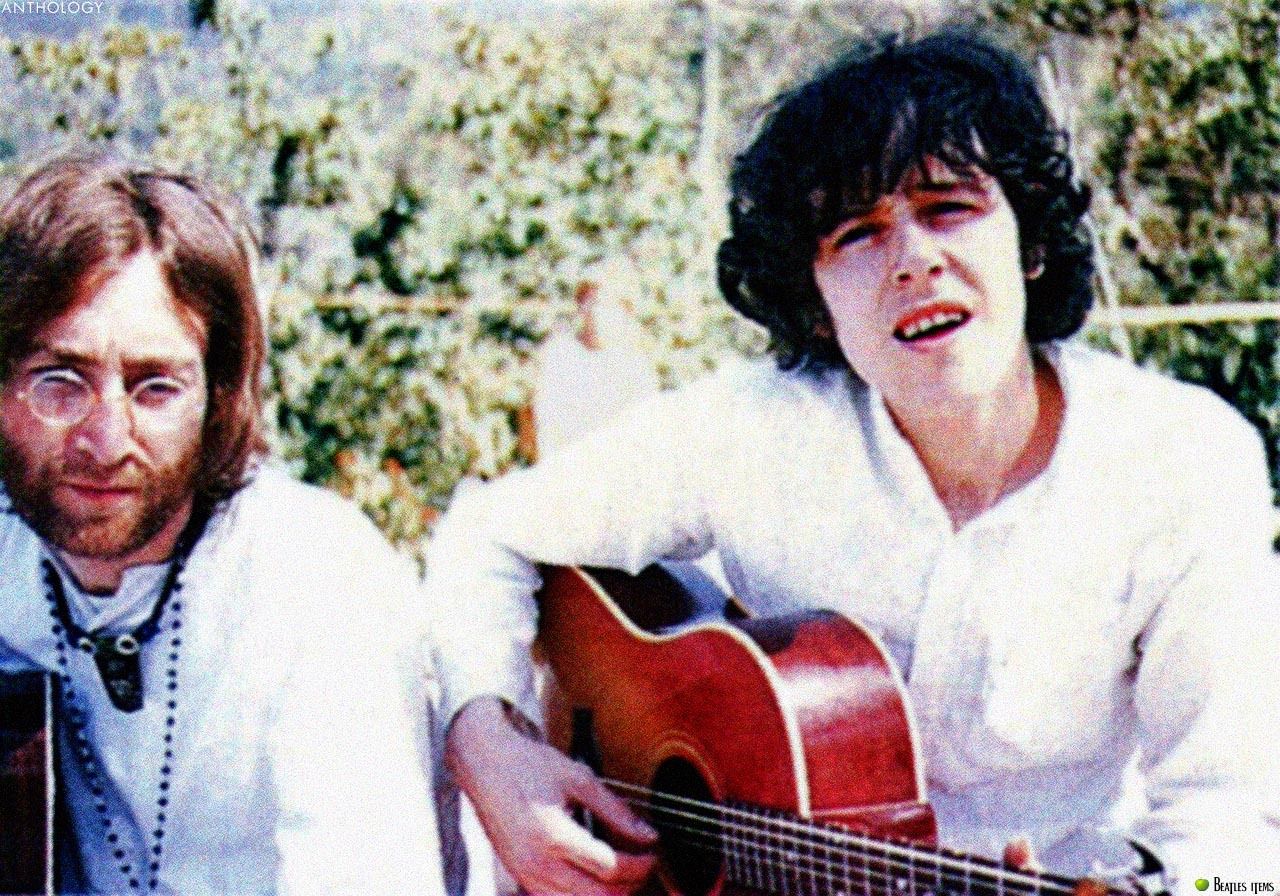
Donovan was an artist with a unique voice and diverse catalog, whose career happened to have parallels to the two most influential artists of the 60’s. Like Dylan, he began his career as a folk singer, became restless, and eventually “plugged in” to more electric and eclectic sounds. Like the Beatles, he allowed Eastern mysticism to inform his songwriting, and studio experimentation to broaden his sonic palette.

donovan 1

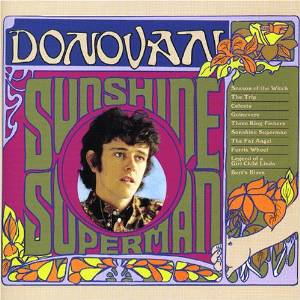
In England especially the Beatles’ influence on Donovan’s music was overestimated as the result of the delayed release of the sonically adventurous Sunshine Superman LP. While in America the album charted in September of 1966 (with the title song going #1 the same month) in England the album’s release was delayed a full year due to a dispute between Donovan and Pye Records. Quoting from Mick Houghton’s 2011 liner notes:

“For Donovan it was most frustrating, particularly since, in the UK, Sunshine Superman now appeared after Sgt. Pepper, which overnight became the landmark pop album. Yet recording with Mickie Most had commenced on December 19th, 1965 at Abbey Road and the Sunshine Superman sessions were completed during the first week of April 1966…This makes Donovan’s achievements all the more impressive considering that, as Donovan was wrapping up his masterwork, the Beatles were just entering Abbey Road studios to commence work on Revolver.”

It is breathtaking to hear some of the arrangements on Sunshine Superman and to realize it was recorded at least a year and a half before Sgt. Pepper. “Celeste” is a great example. A bed of organ, sitar and mellotron (Donovan used one before the Beatles or the Moody Blues) is joined in the instrumental section (2:05) by harpsichord and glockenspiel.

Again: 1966. A sitar, mellotron, harpsichord and glockenspiel arrangement. On other songs it was clarinets, oboes, vibes or a small string section. This was as progressive as anything in pop at the time.

donovan 2

Producer Mickie Most is credited with helping turn “Folkie Donovan” into “Groovy Donovan”, but Most’s strength lay in creating hits, and the truth is it was Donovan who heard the harpsichords in his head. So Most brought arranger John Cameron, who had jazz and classical sensibilities, on board to score the complex arrangements. At times it got so carried away it became Most’s job to thin out an overly ambitious arrangement, and make a commercial record.

For another example of the exquisite baroque-pop sound they created–pre-“Eleanor Rigby”–check out the 7-minute “Legend of a Girl Child Linda”. Even if you don’t fully follow the song’s storyline, you’ll surely agree this is not the work of anybody’s imitator.

See also: https://edcyphers.com/2012/05/07/recommended-albums-16/

See also: https://edcyphers.com/2025/12/17/recommended-albums-102/

See also: https://edcyphers.com/2026/01/23/songs-you-may-have-missed-816/

Songs You May Have Missed #17

page one

Steven Page: “A New Shore” (2010)

Former Barenaked Ladie Steven Page can write pure pop the way Whitney Houston could sing. Which is to say, really well when he isn’t busy tooting the blow. I don’t know if there’s a good time for a highly-publicized arrest for cocaine possession, but just before the release of your band’s children’s album would seem to be worse than most. Shortly after Page was booked the band began a new chapter without him. (See what I did there?)

One thing that remains barenaked on his solo album is the songwriting. Page has always mixed the catchiest, earwormingest melodies with lyrics that were dark at times, borderline psychotic at others–but never clichéd. Sick enough to feel real, if you will. ‘Cause dark is real. That’s why “You’ve Lost That Lovin’ Feelin'” is a classic and “You Light Up My Life” is not.

The cool thing about this song, other than the fact that it’s the closest thing to sticking peanut butter cups into your ears, is that Page very clearly wrote it about leaving the band, and (since meshing catchiness and dark subject matter aren’t enough of a challenge for the true greats) he gave it a maritime/pirate theme–like, with the whistling and accordion and everything!

With an economy of language that would make Roger Miller proud, he spells out the whole situation in the first few lines: “As captain of this band of merry sailors I’m a black mark, I’m a failure but before you watch me drown/I’m relinquishing command for something I don’t understand this man’s about to turn his whole life upside down”. Then a chorus kicks in that is more dead-on Barenaked Ladies-sounding than anything on that band’s last album.

I don’t know if he jumped ship or was made to walk the plank. I do know Barenaked Ladies are listing badly without him. And Page seems to have made it safely to his new shore. Land Ho!

See also: https://edcyphers.com/2013/03/01/songs-you-may-have-missed-346/

See also: https://edcyphers.com/2016/04/07/songs-you-may-have-missed-581/

Story Behind The Song: The Mamas and the Papas–I Saw Her Again

The Mamas And The Papas: “I Saw Her Again” (1966)

Marital infidelity is tragic. But when it happens to great songwriters, it’s damn catchy to listen to.

mac

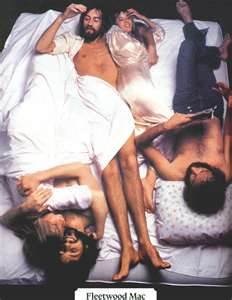
A decade before Fleetwood Mac’s critically wounded marital relationships spilled blood on the tracks of the classic Rumours album, The Mamas And The Papas similarly spun gold from domestic strife. John Phillips’ “Go Where You Wanna Go” and Lindsey Buckingham’s “Go Your Own Way” are like two sides of the same coin lyrically, as well as the work of two songwriters brave enough to let the world sing along to their State Of The Marriage addresses. But “I Saw Her Again” is where things really get twisted.

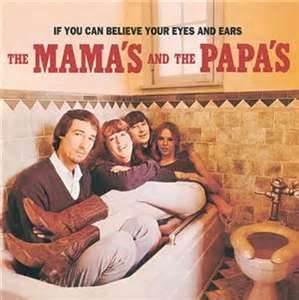
As a piece of pop music “I Saw Her Again” (a #5 hit in 1966) is pure brilliance. John Phillips (pictured below looking displeased about being at the wrong end of the tub) was one of very few who could rival what Brian Wilson did in terms of layering vocal parts. Even if you’ve heard this song a thousand times, a fresh listen with special attention to the complexity of the vocal arrangement can be a revelation. Also, as was the case with much 60’s pop, some cool stereo panning effects were used. If you’re able to listen to the song through only the left speaker, then a second time using only the right, you’ll have two totally different listening experiences.

mamas

As for the twisted part, the song arose from an affair between Phillips’ wife (and bandmate) Michelle and Denny Doherty, the lead singer of the song–an affair which caused such tensions within the group it even let to Michelle’s temporary expulsion from it. Although Doherty has a co-writing credit on the song, the extent of his input is unclear and may have only been on the musical side. Essentially the song was John’s retribution against Doherty for the affair. One might imagine a tense vibe in the room when the song was recorded, to say nothing of Michelle and Denny’s discomfort at having to sing the song in public every night. It seems John Phillips’s creativity wasn’t limited to the recording studio. “I Saw Her Again” is the best case on record of songwriting as revenge.

Of additional interest is Doherty’s famous false entrance on the last chorus of the song. If you listen just after the 2:14 mark you’ll hear him come in prematurely with the words “I Saw Her…”. Producer Lou Adler, on hearing the playback, loved the way the mistake sounded and left it in. The side-to-side stereo panning of the first and second “I Saw Her” helped make it sound more like an intentional part of the song’s arrangement (more studio genius). But to one discerning listener named Paul McCartney the lyric’s accidental nature was obvious. “No one is that clever”, he’s reported to have said.

Great song. Great arrangement. And a miscue that’s a hook unto itself–a little sonic icing on the cake.

Apparently others artists liked the way it sounded too. Listen to Lovin’ Spoonful’s “Darling Be Home Soon” (1967) for John Sebastian’s little homage to Doherty’s false start:

…and to Kenny Loggins’ less successful attempt at the same kind of thing on his 1980 hit “I’m Alright”:

Oh, and John and Michelle eventually divorced. And now, as Paul Harvey used to say, you know the rest of the story.

The Ten Most Accurately Rated Artists In Rock History

I’m reprinting an article from the Dec. 10, 2004 issue of Spin magazine that I think is genius:

Give Me Centrism or Give Me Death!

In a world where music is either overrated or underrated, these ten artists got exactly what they deserved

By Chuck Klosterman on December 10, 2004

If you are the kind of person who talks about music too much, there are two words that undoubtedly play an integral role in your workaday lexicon: “overrated” and “underrated.” This is because those two sentiments pop up in 90 percent of all musical discussions.

What’s interesting about this phenomenon is that no one uses the same criteria when applying either of those terms. For example, bands can be overrated because certain rock critics like them too much (Sonic Youth, Wilco, Yo La Tengo), or underrated if they sell a lot of records but aren’t widely regarded as brilliant (Thin Lizzy, Duran Duran), or underrated because barely anyone seems to know who they are (Tortoise, Sloan, Lifter Puller). Bands can be overrated because they’re good-looking (the Lemonheads in 1992), or they can be underrated because they’re good-looking (the Lemonheads in 1994). Some groups can be overrated and underrated at the same time (Radiohead). Some groups seem overrated on purpose (Oasis). Some groups seem eternally underrated because-no matter how hard they try-they’re just not as interesting as groups who are overrated on purpose (Blur). It is very easy to be underrated, because all you need to do is nothing. Everyone wants to be underrated. It’s harder to become overrated, because that means people had to think you were awesome before they thought you sucked. Nobody wants to be overrated, except for people who like to live in big houses.

However, I am not interested in overrated and underrated bands.

It’s too easy, and all it means is that somebody else was wrong. I’m obsessed with bands that are rated as accurately as possible-in other words, nobody thinks they’re better than they are, and nobody thinks they’re worse. They have the acceptable level of popularity, they have attained the critical acclaim their artistry merits, and no one is confused about their cultural significance. They are, in fact…

THE TEN MOST ACCURATELY RATED ARTISTS IN ROCK HISTORY!

10. The Black Crowes: Their first album sold more than five million copies, which is precisely the right number. Stoned people like this band, drunk people think they’re okay, and sober people hate the overwhelming majority of their catalog. This all makes perfect sense.

9. Madness: This is one of only two ska bands admired by people who hate ska (the other being the Specials, who are somewhat overrated). No one disputes this admiration. “Our House” was a pretty great single, but it’s nobody’s favorite song. Nobody seems to dispute that assertion, either.

8. Triumph: Always associated with Rush and/or the nation of Canada, but not as good as either.

7. Tone Loc: Nobody really takes Tone Loc seriously, except for frivolous pop historians who like to credit him for making suburban white kids listen to rap music that was made by black people (as opposed to the Beastie Boys, who made white suburban kids listen to rap music that was made by other white people). This lukewarm historical significance strikes me as sensible. Neither of Mr. Loc’s hits are timeless, although “Wild Thing” samples Van Halen’s “Jamie’s Cryin'” (which I like to imagine is about M*A*S*H star Jamie Farr, had Corporal Klinger pursued sexual–reassignment surgery in an attempt to get a Section 8) and “Funky Cold Medina” samples “Christine Sixteen” (at a time when Kiss were making records like Hot in the Shade and nobody in America thought they were cool except for me and Rivers Cuomo). Those two songs were actually cowritten with Young MC, whose single “Bust a Move” is confusing for the following reason: Its last verse states, “Your best friend Harry / Has a brother Larry / In five days from now he’s gonna marry / He’s hopin’ you can make it there if you can / Cuz in the ceremony you’ll be the best man.” Now, why would anybody possibly be the best man in a wedding where the groom is their best friend’s brother? Why isn’t your best friend the best man in this ceremony? And who asks someone to be their best man a scant five days before they get married? This song is flawed. And while I realize the incongruities of “Bust a Move” have absolutely nothing to do with Tone Loc, the song somehow seems more central to Tone Loc’s iconography than his role in the movie Posse, which was the best movie about black cowboys I saw during the grunge era.

6. My Bloody Valentine: On the surface, My Bloody Valentine should be underrated, but they’re not; everyone who aggressively cares about alt guitar music considers Loveless to be a modern classic, and everyone who is wont to mention “swirling guitars” during casual conversation always references this specific album. Loveless sold about 200,000 copies. This is the correct number of people on earth who should be invested in the concept of swirling guitars.

5. Matthew Sweet: Every Matthew Sweet album has only one good song, and this good song is inevitably the first single, and this single is always utterly perfect (“Sick of Myself” off 100% Fun, “Where You Get Love” off Blue Sky on Mars, “Girlfriend” off Girlfriend, etc.). He sells enough albums to live comfortably, and that seems reasonable.

4. The Beatles: The Beatles are generally seen as the single most important rock band of all time, because they wrote all the best songs. Since both of these facts are true, the Beatles are rated properly.

3. Blue Öyster Cult: The BÖC song everyone pays attention to is the suicide anthem “Don’t Fear the Reaper.” However, that song is stupid and doesn’t use enough cowbell. The BÖC song almost no one pays attention to is the pro-monster plod-athon “Godzilla,” and that song is spine-crushingly great. So, in the final analysis, Blue Öyster Cult is accurately rated-by accident. This happens on occasion; look at Scottie Pippen.

2. New Radicals: There are only five facts publicly known about this entity. The first is that 1998’s “You Get What You Give” is an almost flawless Todd Rundgren-like masterwork that makes any right-thinking American want to run through a Wal-Mart semi-naked. The second is that nobody can remember the singer’s name. The third is that the singer often wore a profoundly idiotic hat. The fourth is that if this anonymous, poorly hatted singer had made a follow-up album, it would have somehow made his first record seem worse. The fifth is that his album didn’t quite deserve to go gold, and it didn’t.

1. Van Halen: This band should have been the biggest arena act of the early 1980s, and they were. They had the greatest guitar player of the 1980s, and everyone (except possibly Yngwie Malmsteen) seems to agree. They switched singers and became semi-crappy, and nobody aggressively disputes that fact. They also recorded the most average song in rock history: “And the Cradle Will Rock.” What this means is that any song better than “And the Cradle Will Rock” is good, and any song worse than “And the Cradle Will Rock” is bad. If we were to rank every rock song (in sequential order) from best to worst, “And the Cradle Will Rock” would be right in the fucking middle.

And that is exactly what I want.
Next Newer Entries