Another of Stafford’s finer moments.
See also: https://edcyphers.com/2016/12/02/video-of-the-week-jim-staffords-comedic-classical-gas/
Art is the music we make from the bewildered cry of being alive. ~Maria Popova
02 Dec 2016 Leave a comment
in Best of the Blog, On a Lighter Note, Video of the Week Tags: cow patti, jim stafford
Another of Stafford’s finer moments.
See also: https://edcyphers.com/2016/12/02/video-of-the-week-jim-staffords-comedic-classical-gas/
02 Dec 2016 Leave a comment
in Best of the Blog, On a Lighter Note, Video of the Week Tags: classical gas, jim stafford
Jim Stafford gave us such 70’s novelty hits as “Wildwood Weed”, “My Girl Bill” and “Spiders & Snakes. He also had a knack for a performance that split the difference between comedy and musicality. From my father (a huge Victor Borge fan) I learned an appreciation of the comedic musician.
See also: https://edcyphers.com/2012/05/24/jim-stafford-performs-cow-patti/
11 Jun 2016 Leave a comment
in Best of the Blog, I Didn't Know That Was a Cover! Tags: annie lennox, bette davis eyes, china girl, cum on feel the noize, david bowie, george harrison, get together, good lovin, got my mind set on you, iggy pop, jackie deshannon, james ray, kim carnes, no more i love you's, quiet riot, slade, the kingston trio, the lover speaks, the olympics, the rascals, the youngbloods
Have you ever been taken aback to discover a beloved or familiar song has roots in another decade, style, or incarnation? Did something you heard on the oldies station ever cause you to lose just a little of the awe and reverence you had for a particular artist’s creative proclivities?
In this our third installment revealing the relatively obscure original versions of familiar songs, we hope to open your eyes and ears once more with revelations about songs you didn’t know quite as well as you thought you did.
____________________
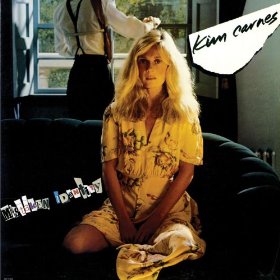
“Bette Davis Eyes”-Kim Carnes
Carnes’ career-making “Bette Davis Eyes” topped the charts for nine weeks and won Grammy awards for Record- and Song of the Year in 1981. While its arrangement is heavy on the atmospheric 80’s synths, Jackie DeShannon’s 1975 original by contrast comes on like Johnny Carson’s Tonight Show band.
While both versions have merit, the contrast between the two is jarring.
____________________
“Got My Mind Set On You”-George Harrison
What have we here? The legendary former Beatle (redundant I suppose, since you can’t be a former Beatle and un-legendary) teams with producer Jeff Lynne for a 1987 #1 hit that sounds like…a 1987 ELO song.
Again the contrast with the original (James Ray in 1962) is striking. Honestly in this case I can’t imagine a large number of people being fans of both incarnations of this song–making the case for studio production’s major role in a song’s appeal.
____________________
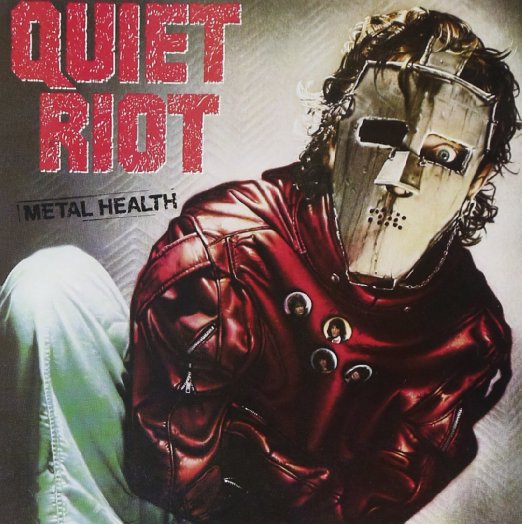
“Cum On Feel the Noize”-Quiet Riot
Although Slade’s 1973 original has a certain glam rock charm, it also demonstrates in unmistakable terms the relative appeal of glam here (where it peaked at #98) and across the pond where British fans made it a chart-topping single. Conversely, Quiet Riot’s version didn’t chart in Britain, while American fans made it a #5 hit.
To my (American) ears Quiet Riot’s cover is a lesson in how to make a rock song feel more like a punch in your face. Like other 80’s metal anthems (Bon Jovi’s “You Give Love a Bad Name”, Twisted Sister’s “We’re Not Gonna Take It”, for example) it begins with the fist-pumping, anthemic chorus–not a verse–and is fueled by a much more pronounced backbeat.
____________________
“Good Lovin'”-The Rascals
Felix Cavaliere and the Rascals (who still called themselves the Young Rascals at the time) broke through with the first of their three #1 hits in 1966, a cover of the Olympics’ #81 chart dud of the previous year. Honestly, though Cavaliere and Co. upped the energy level a bit, I’m a little surprised the earlier version didn’t break the top 40 itself.
____________________
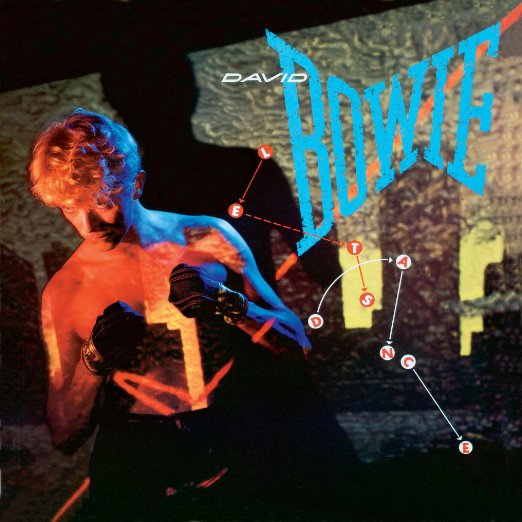
“China Girl”-David Bowie
Talk about your upgrades. Bowie’s slick, clean cover of Iggy Pop’s “China Girl” adds the “Oh-oh-oh-oh” vocal hook and generally doesn’t sound like it was recorded in a garbage can. So it’s not a shock that it went top ten in 1983 while Iggy’s original has been heard by about seventeen people, including you if you played the above sample.
____________________
“No More I Love You’s”-Annie Lennox
The Eurythmics lead singer’s 1995 #23 hit was a cover of a non-charting original from a well-regarded self-titled album by new wave duo The Lover Speaks.
____________________
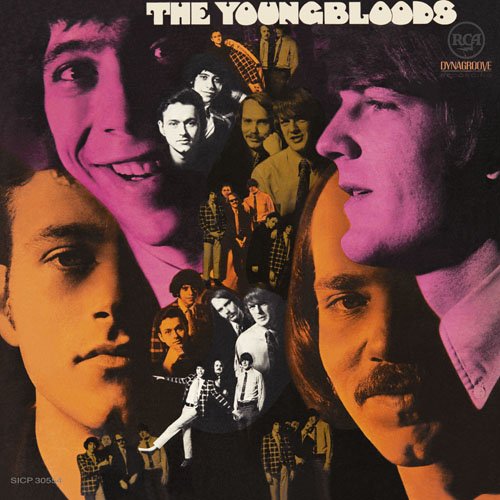
“Get Together”-The Youngbloods
“Get Together” peaked at #5 1968 for Jesse Colin Young and the Youngbloods and has considerable boomer cred as its plea for peace, love and brotherhood to triumph over fear is just the kinda shit hippies were into.
But it takes a true hippie to appreciate the song in its original incarnation. The Kingston Trio’s recording is perfectly emblematic of the genre of overly earnest 60’s folk so brilliantly pilloried in the film A Mighty Wind.
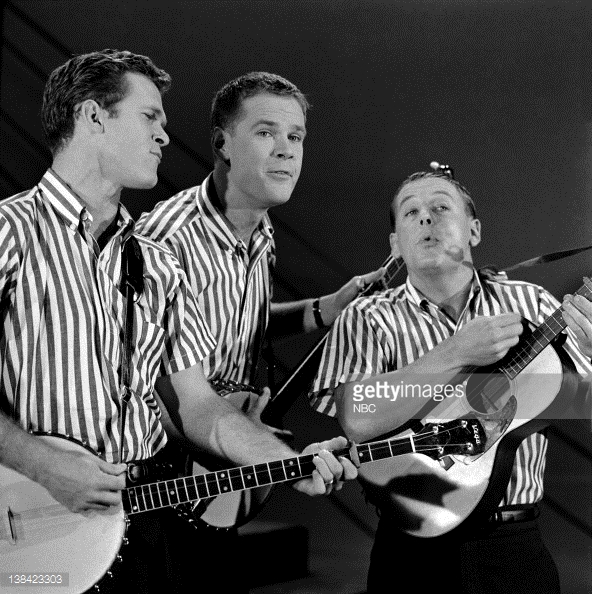
The Kingston Trio
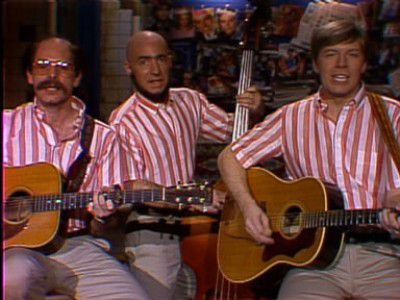
Kingston Trio parodists The Folksmen
See also: https://edcyphers.com/2012/11/20/i-didnt-know-that-was-a-cover-part-2/
See also: https://edcyphers.com/2012/11/19/i-didnt-know-that-was-a-cover/
06 Feb 2016 4 Comments
in Best of the Blog, General Posts Tags: american idol, singing competition, the voice, x factor

This morning I was engaging in a favorite pastime, that of diving down a rabbit hole of Amazon.com music recommendations, when I came across a band named Hop Along and their album Painted Shut which, according to the editorial review, consisted mainly of “accounts of more everyday poverty, abuse, greed; and banal, sub-par behavior“. These songs were put across by the vocals of one Frances Quinlan, whose voice is appraised as “a spellbinding entity all it’s own, celebratory and raw“, the resulting music described as “jubilant as well as irreverent“, full of “joy, in the abandon of Frances’ unforgettable voice, in the exulting choruses…”

This inflamed an itch that lies just under my skin most of the time anyway, but had recently been irritated by a chance channel-surfing encounter with British singing competition show The X Factor. What I saw there was what I see every time I happen to look in on American Idol, The Voice and their ilk: purveyors of inoffensive songs with glossy production values, physical appearance ranging from above average to stunning; but most of all, pure and pristine voices.
So much for the judges.

As for the fodder–contestants, if you insist–they mainly seem fall into two categories. The first group is the clearly non-gifted. We watch the episodes which feature the biggest losers as we would rubberneck a car crash or burning building. How did they fall under the delusion that they had the talent to compete here? Clearly he/she is the victim of too much polite praise from family and friends. Can’t wait to see their shock and disappointment at being ousted, etc. Pretty fun, I’ll admit.
The second type of contestant consists, on the whole, of those who’ve honed a natural gift to fit the talent show ideal; to impress by that narrowest definition of impressive that these shows will allow.
There are exceptions, of course: True child prodigies. Voices of genuine singularity. A style you’ve never quite seen before.
But they are few. If there were a navigation app to point out the surest path to TV singing competition success it would constantly repeat commands such as: Wear shiny things…sing BIG…use lots of hand motions…sing a song people already love…if you’re a male, sing in an unnaturally high register…embellish, embellish, embellish…make the pain face…hit that unexpectedly high note at the very end…you have reached your destination.
If you follow the template, you’ll sound like this guy:
And what’s wrong with that? Nothing at all, if all you want from music is a tribute act.
But what if there’s too rampant a proliferation of mere tribute acts? What will be left to pay tribute to?
The Kelly Clarksons and the Carrie Underwoods of the early days of American Idol and their subsequent successes created an expectation that winners of TV talent shows are to become pop stars. I know–that’s the whole point. That’s the dream American Idol has peddled from the start. And in fact winning the pop charts after winning the talent show is such an expectation that you find quotes like the following (from Yahoo News):
The X Factor withstood another blow at the end of the latest series when its youngest ever winner, Louisa Johnson, reached only number nine in the charts at Christmas with her Bob Dylan cover – the lowest entry for any winner over the show’s 12-series history.
For me that sentence is like one of those How many things are wrong with this picture? puzzlers. “Youngest ever winner” speaks to the novelty-act nature of these shows. We’re looking for precocious, fully-developed talent at a younger and younger age–trying to top the previous youngest-ever. For me at least, it brings unbidden and uncomfortable images to mind…

And “only number nine”? The bar of expectation for the show’s youngest-ever winner wasn’t simply a Top Ten single. It was to go higher into the Top Ten. What a crushing disappointment young Louisa must be to her parents to merely have one of the ten most popular songs in the land. The humiliation will probably mean a move to a new neighborhood.
Finally, the phrase “Bob Dylan cover” reminds us that these shows, while expected to launch new recording stars into the pop firmament, are not in the business of creating new artists–at least, not by the definition of artist as “creator of art”. What emerges from these weekly liturgies of Voice Worship is batch after batch of new interpreters of art.
Imagine, say, a painting equivalent. People would parade onto a stage with a palette and brush instead of a microphone. Rather than interpreting the beloved works of Leonard Cohen or Phil Collins or Freddie Mercury they’d step up to a glittery easel to render their best–or more accurately, their most gaudy and eye-catching–imitation of Norman Rockwell, Georgia O’Keeffe or Vincent Van Gogh. And the work of these imitators would then be sold in art galleries as the valid contemporary equivalent of the greats.
In other words, it’s all a lot of fun until someone loses an ear.
And that someone is us.

Because I suspect many a true artist–Dylan, Neil Young, maybe even a nascent Rolling Stones–would be relegated to those episodes where you’re meant to watch hand-over-mouth in horror, the ones where the judges smirk to themselves and gently (or not so gently) inform the contestants they won’t be moving to the next round.
Maybe the “celebratory and raw” voice of Frances Quinlan and her songs about “everyday poverty, abuse, greed; and banal, sub-par behavior” don’t deserve an audience, but then neither would a ragged-voiced troubadour poet and critics’ darling such as Lucinda Williams or a chronicler of the downtrodden with the voice of Beelzebub himself, Tom Waits. Hank Williams Sr. and Elvis Costello would, I expect, be met with the familiar smirking derision. Would rough-voiced and rough-looking Bonnie Raitt or prickly Chrissie Hynde stand a chance?

The next Bob Dylan may not see a way into the popular music scene, may just decide to pawn the acoustic and get his CDL.
TV sing-offs are a triumph of style over content. All the ragged glory of true folk music, all the irreverent impact of real rock n’ roll, all the visceral thrill of authentic rhythm and blues is lost in the sheen of star-making hype. Even when they sing with exaggerated histrionics and make the Face of Pain and try to convey the agony or ecstasy of the true artist, it’s just an antiseptic version of the truth, only an imitation of art. What a supreme irony that these are called ‘reality shows’.
Young singer-songwriter Courtney Barnett may one day write a song–may have already written a song–that a young singer will make her mark interpreting under those dazzling lights before a young, easily-impressed audience who’ll act like the moment is the high-water mark of Western Culture so far.
But not only would Barnett herself be relegated to also-ran status as a competitive-singing TV contestant, but her music itself is in danger of being marginalized in a marketplace where each season’s crop of fabricated stars are expected to vie for a place beside, and eventually supplant, the true artists.
12 Dec 2015 Leave a comment
in Best of the Blog, General Posts Tags: art rock, genesis, prog rock, progressive rock
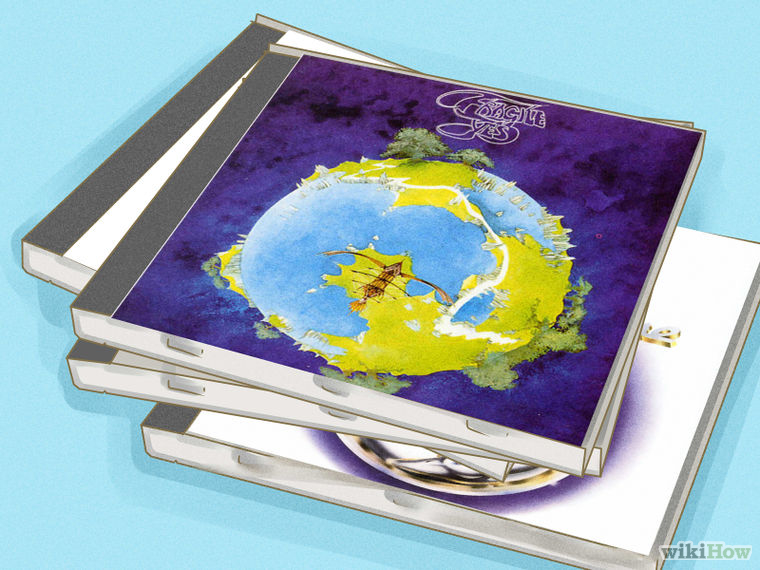
(via wikiHow)
Progressive rock, also known as “prog rock” or just “prog”, is an absolutely exceptional genre of music, and to many the greatest genre that has ever emerged in the history of recorded sound. Extremely diverse, breathtakingly complex and largely underrated in the world today, it is created by some of the most talented musicians the world has ever known, and many progressive rock songs are excellent examples of immense instrumental and songwriting creativity. But what makes this genre so special, and how does one acquire a taste for it and absorb the huge number of bands in the genre? The trick is to start small – and then take the progressive rock journey.
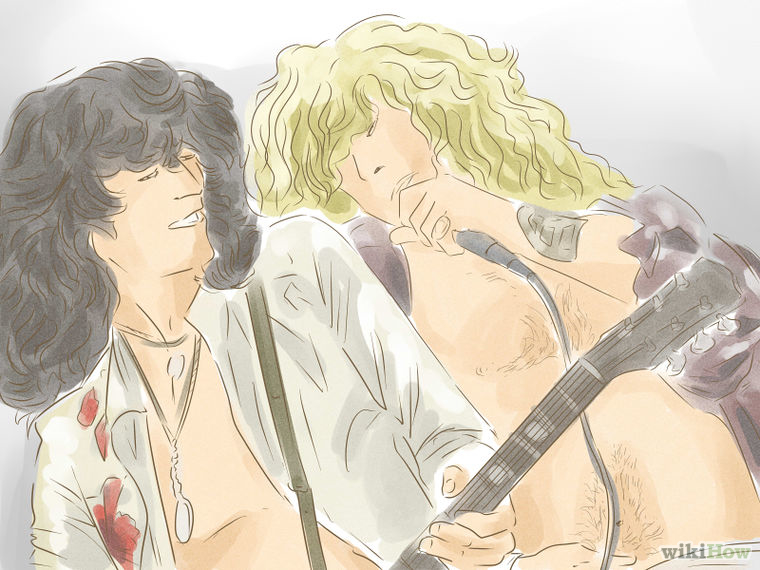

Before listening to the music, learn and memorize the various and styles (or sub genres) of progressive rock, as there are multiple of them:
Remember that the styles do not end there. There’s many more – too many to list, and there are still various styles of progressive rock being developed as they constantly cross over with each other to create newer sounds. It can difficult to categorize some progressive rock bands, so sometimes it’s best to just jump in and see what’s there instead of judging them by their genre.
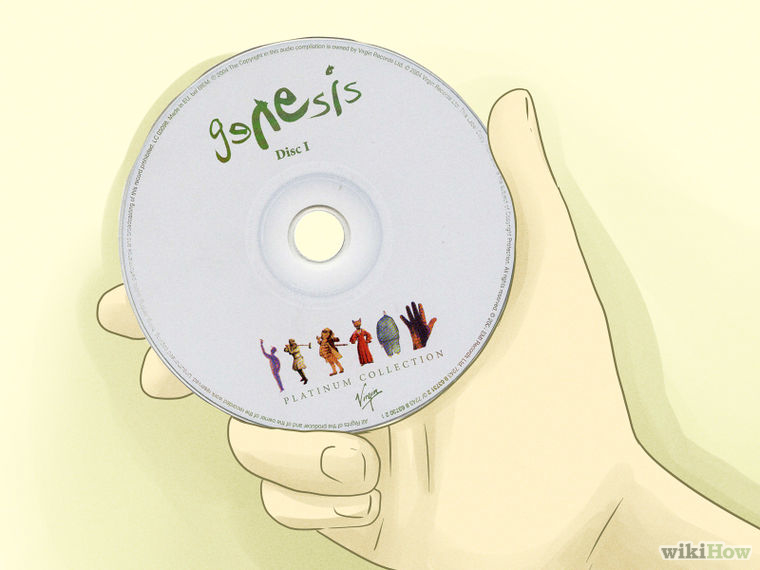

Move on to the albums. Once you’ve absorbed and enjoyed the music of the three discs, it’s time to listen to their albums.

Get into other bands. After getting into Genesis, whose albums hopefully should have given you an interest and hunger for more progressive rock music, try out some of other progressive rock groups from the era. This genre is very diverse and there are many different styles and bands to absorb. All of these bands, all hailing from the United Kingdom, are considered the greatest in the genre, and the ones that will help you advance further into the genre thanks to their albums:

Listen to each album closely. Take note of the sections of each of the songs you choose to listen to.




Talk to other progressive rock fans online. They’re easy to find if you use Google to search for progressive rock websites and forums, or Facebook for prog rock pages and groups. You can also join forums for individual prog bands, as these will almost always feature “other band” sections where you can discuss a wide variety of bands in the progressive rock genre and other genres as well. Here you discuss your progress with progressive rock, review your favorite and least favorite albums, and obtain the thoughts, opinions and band/album recommendations of people who may be experienced with the genre. You will find progressive rock fans to be among the kindest, cleverest and most open-minded people online, and they will more than happy assist you in your journey through prog.
Read up on the histories and discographies of each artist, reviews submitted by users for each album, the lists of the most beloved progressive rock albums of every sub genre and from every country, and any other things you might want to know. With enough effort and interest and discussion with other followers of the genre, soon you will be able to appreciate and explore the genre further.
Tips:
1. First and foremost, remember to continue to listen to music of other genres. Don’t just limit yourself to progressive rock – listen to many kinds of music from different eras for a good balance. This shows a varied and appreciative music taste.
2. Don’t be put off by the idea of pop albums produced by progressive rock bands. Though some progressive rock fans refuse to listen to the more commercial albums by prog groups, they are still worth listening to if you’re into commercial music as well, and they can often help ease you into newer bands. The most important thing about progressive rock is not to judge albums by how progressive they are but by the quality of the music.
3. Don’t feel as though you have to listen to exactly the same bands as other progressive rock fans. It’s such a diverse genre of music – arguably the most diverse ever – that many fans listen to completely different band and sub genres of this genre. However, remember that progressive rock fans are all united in their love for the music, regardless of personal preference.
4. Try to acquire as much as possible from the bands you enjoy. A band’s discography doesn’t stop at their albums – there are various live albums by progressive rock bands, like Genesis’s “Seconds Out”, Yes’s “Yes songs” and Camel’s “A Live Record” which are considered essential by fans, as well as loads of rare tracks and other surprises just waiting to be discovered.
5. If a band’s discography looks difficult to explore for any reason, try obtaining a compilation instead – like Genesis’s “The Platinum Collection”, compilations are great introductions to bands you might go onto enjoy.
6. Pay no attention to the people who say you need drugs to enjoy and create progressive rock. You don’t – all you need is an interest in creative music, an open mind to a diverse and often challenging genre, and imagination when understanding the music and when making it yourself (if you choose to do so).
08 Jul 2015 1 Comment
in Best of the Blog, General Posts, Quizzes
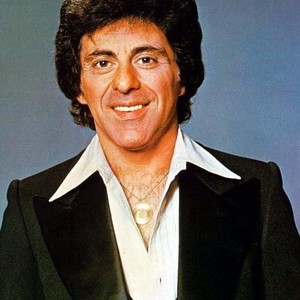
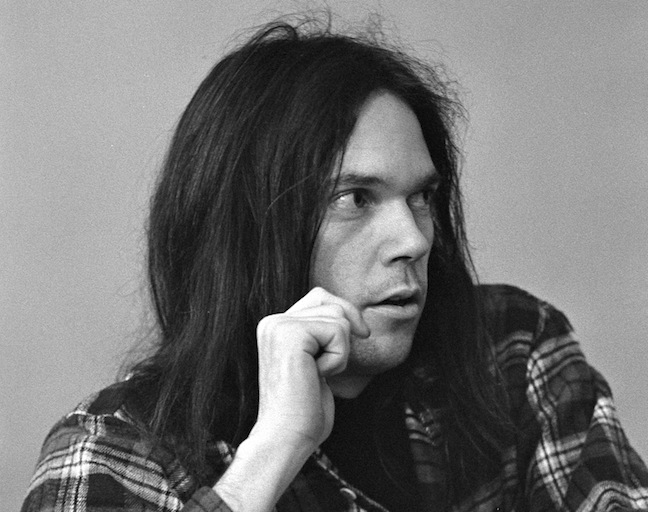
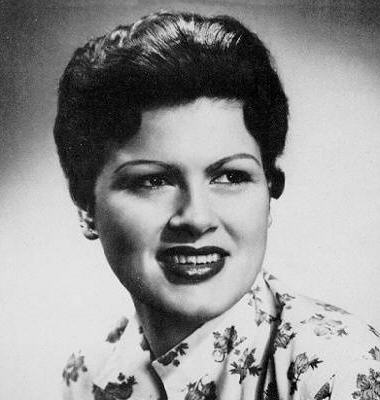
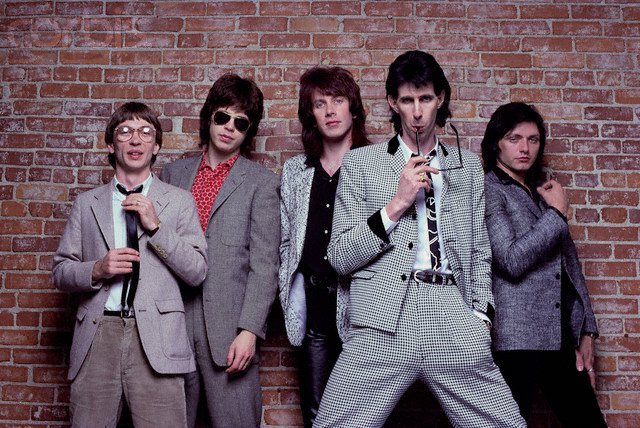
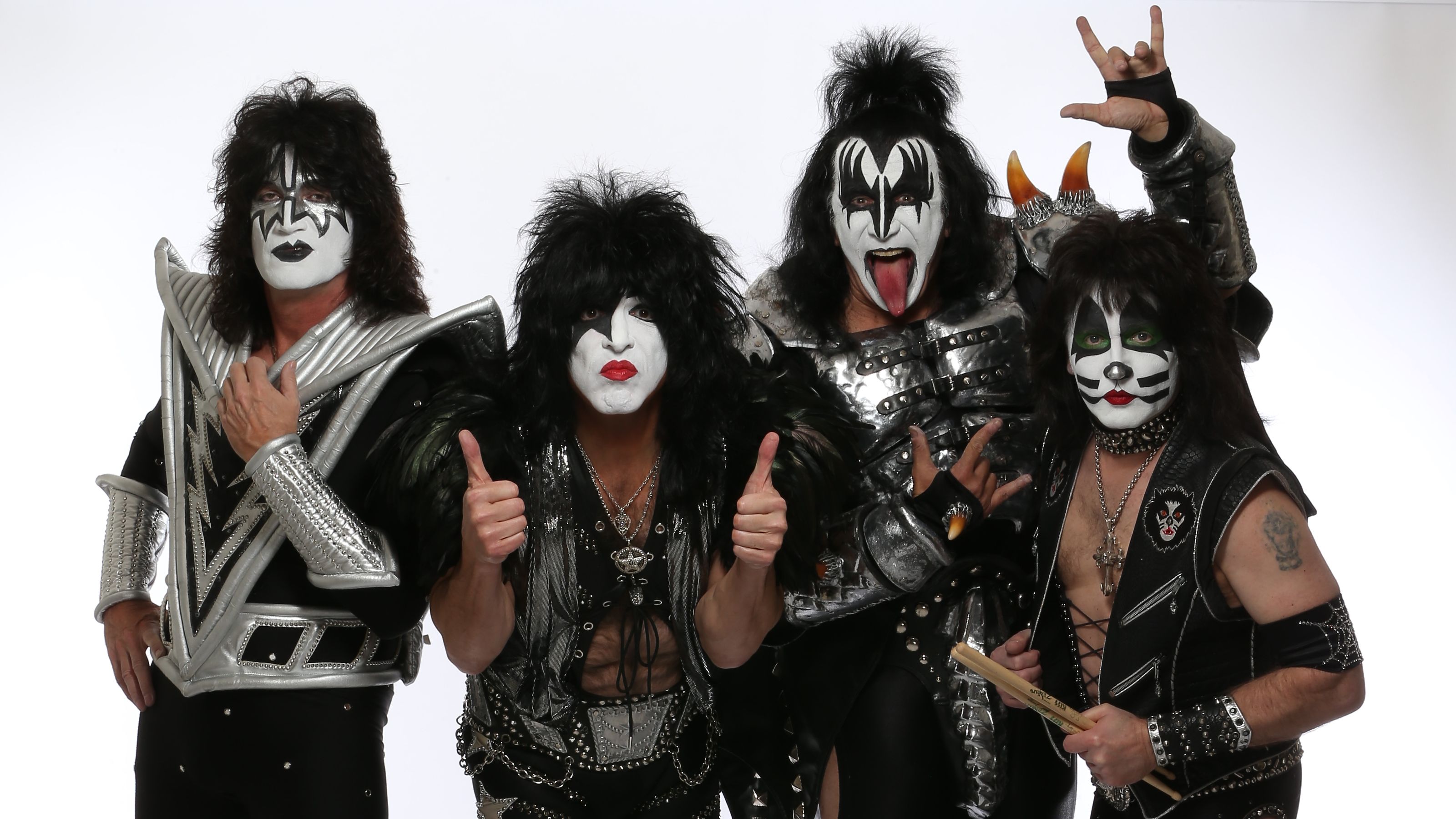
Each group of artists listed below have something in common. Can you identify the link between the artists in each group?
Some are easy, others are tough. Answers will be posted in comments section.
1) Neil Young, Loverboy, Joni Mitchell, The Guess Who, Barenaked Ladies, Rush
2) Donna Summer, Kiss, Parliament, Village People
3) John Denver, Jim Croce, Otis Redding, Patsy Cline
4) Dionne Warwick, Frankie Valli, Dolly Parton, Samantha Sang, Yvonne Elliman, Tavares, Kenny Rogers, Barbra Streisand
5) Paul McCartney, Kurt Cobain, Elliott Easton, Jimi Hendrix
6) Aerosmith, Guster, Boston, The Cars
7) The Beach Boys, AC/DC, Bee Gees, Creedence Clearwater Revival, Heart, The Black Crowes, The Kinks
8) Lauren Hill, Christopher Cross, Starland Vocal Band, America, Debby Boone, Jody Watley, Men at Work, fun.
9) The Sex Pistols, The Postal Service, The La’s, Blind Faith, Jeff Buckley, Rockpile, Derek & the Dominos
10) Cream, Jimi Hendrix Experience, Ben Folds Five, America, Run-DMC, The Police, Salt ‘n’ Pepa, ZZ Top
 Every Moment Has A Song