The portrait of Lily Allen from the cover of her recent hit album West End Girl has gone on display at the National Portrait Gallery in London.
The painting, by Spanish artist Nieves Gonzalez and owned by Allen, was unveiled on Thursday and will be on show for the next year.
It shows the singer sitting on a stool wearing a polka dot puffer jacket and boots revealing a tattoo on her left leg.
Allen, who also begins her three-night run of gigs at the London Palladium theatre on Friday, said: “I’m so pleased to make this special painting available for everyone to see.”
“Didn’t know it was possible to fall even more in love with an album”
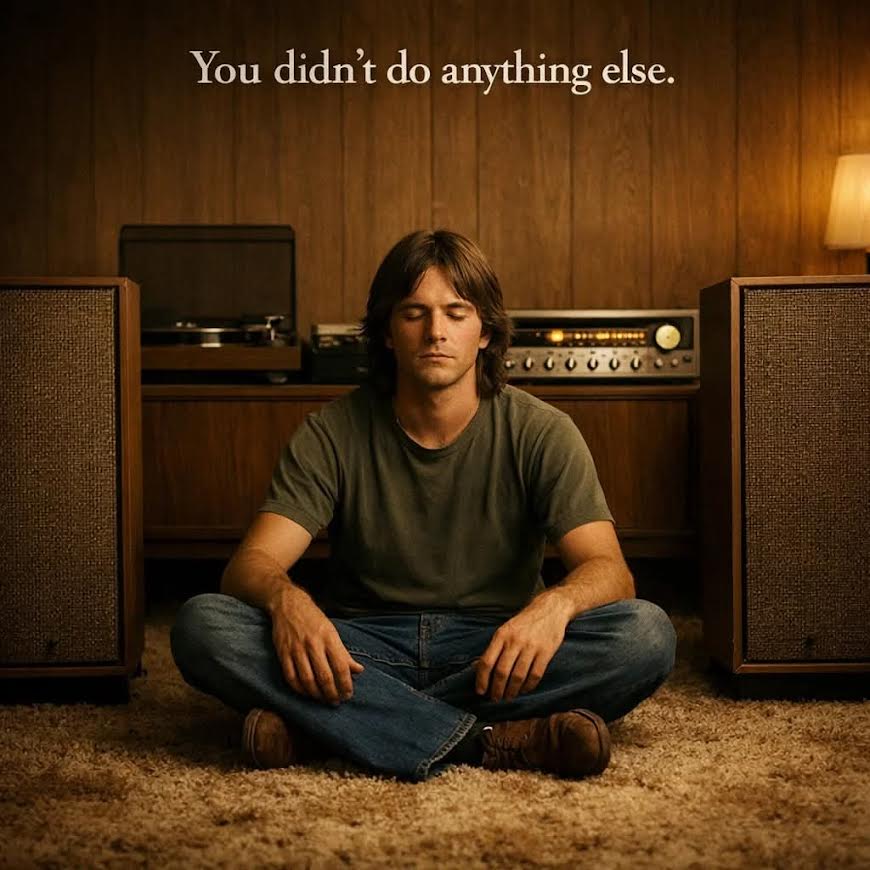
Pitchblack Playback offers dark room deep listening events in cities around the world.
Bucking the trend of low-quality audio consumed through cheap earbuds, they invite serious listeners to experience classic albums and pre-release premiers at ticked events in dedicated spaces on the best equipment possible.
Because unless you’re very lucky, we’re guessing you don’t own a massive cinema sound system. And if you do, we imagine your neighbours probably don’t like you much.
Why ever go to the cinema if you can just download or stream the film to watch at home? Why go to a pub if you can drink at home? Besides, how often do you really put aside the time to just listen without any distractions?
There’s something incredibly special about feeling the bass moving through your body, hearing the sound fill the space around you, and experiencing your favourite music in comfort, silently sharing the experience alongside other people. The combination of volume, the physicality of the low end and the darkness brings about a sort of meditative state.
Basically, don’t knock it until you’ve tried it.
Are your events really held in complete darkness?
We’ve allowed ourselves a tiny bit of poetic license here (we love alliteration). We turn out all the house lights at our events to get the room as dark as possible, but fire safety regulations mean we have to keep fire exit lights on. So, at most of our events, you’ll also receive a Pitchblack Playback eye mask in case you want to completely immerse yourself.
What happens at your events?
You grab a drink if you want one (although a few of our venues do not have bars), take your seat, kick back and relax. Before we start, we ask everyone to turn their phones to silent, to keep their phones in their pockets at all times, and to refrain from talking, whispering or singing.
We turn the lights out, play the album loud, in full, in the dark. And that’s it. Food is available at some of our venues before and after the playback.
How do you play your music?
We play 16-bit or 24-bit uncompressed files. We NEVER play compressed lossy formats or streams (basically, we play the highest definition files we can find which give the most detailed and full sound). We use 24-bit files wherever possible at the highest available sample rate.
Aside from events where the album is available in a Dolby Atmos or 5.1 version (which we advertise as such), we ‘upmix’ stereo files to surround sound to make full use of the venue’s sound system and to create an immersive sound field. We love the effect that this creates as it means the music is coming from all around you rather than just from the front. It’s a different way to listen to music.
Nearly 100% of us who have a passion for music are familiar with this situation:
You ask whether an acquaintance, new friend or co-worker shares your love for, or at least interest in, a favorite artist. They respond with a blank look. You’re then forced to reference the one song they’ll probably know, but cringe knowing you’ve given a misleading, or underwhelming, impression of the band or artist you love.
You’ve just handed off a bad band calling card.
Though many of us can relate to the experience, the examples would be unique to each of us, one listener’s musical trash being another million listeners’ gold (or platinum) treasure. And of course, most times it is precisely the gold record that is the “calling card”.
The pain is real when the song you must use for a point of reference–the one song the uninitiated knows by heart–is one you the hardcore fan believe to among your beloved artist’s weaker, less interesting efforts.
That’s because when we talk about niche artists, under the radar bands, moderate sellers, what makes them interesting isn’t their broad, mainstream work. They may have struck gold once, but we their real fans know the true treasures in their catalog.
So what follows isn’t meant to be objective; like all music criticism, it’s all opinion.
But to my thinking these are some examples of songs that actually might have been an impediment to the uninitiated exploring an artist further.
“Stacy’s Mom”–Fountains of Wayne
For me this is the king of all bad band calling cards, and the reason this syndrome could be named “The Stacy’s Mom Barrier”.
Never (to my ears) has such a weak-ass effort become a talented band’s signature song. It’s like “Love in an Elevator” becoming synonymous with Aerosmith instead of “Walk This Way” or “Dream On”.
Fountains of Wayne’s writing core, bassist Adam Schlesinger and vocalist Chris Collingwood, are/were power pop geniuses (Schlesinger died from complications of COVID in 2020).
There is example after example of their songwriting chops and ability to blend humor and pathos with hooks galore.
I understand “Stacy’s Mom” was their highest-charting hit. I’m aware it was nominated for a Grammy. I know it reached the #1 spot on the iTunes’ “Most Downloaded Songs” list, and the video reached No. 1 on VH1’s VSpot Top 20 Countdown.
To me though, it almost sounds like it’s aimed at a whole different demographic than the rest of their catalog. It certainly lacks the subtle humor of tunes like “Halley’s Waitress” or the wistfulness of “I-95” or “Hackensack“.
“Stacy’s Mom” is, to my ears, a great band dumbing it down.
Yuck.
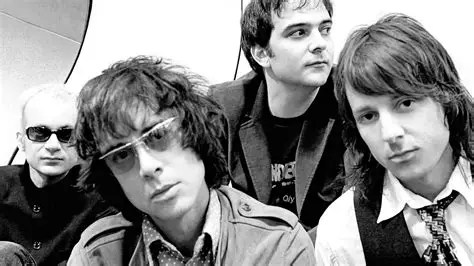
“Closing Time”–Semisonic
If ever a band deserved not to be a one-hit wonder, it’s these guys.
It truly pains me to throw out “Closing Time” in sussing whether someone’s hip to Semisonic, as if it sums up their worth.
“Copperhead Road”–Steve Earle
Steve Earle burst on the Nashville scene in 1986 with his stellar debut Guitar Town, and his early singles were hits on the country charts. But soon his rock edge, politics, and drug use made him Nashville-toxic, similarly to k.d. lang’s anti-beef stance and, well, being a lesbian.
With unflinching songs about Vietnam vets and empathetic depictions of prisoners on death row, he was too real and too Rock for Country radio, but also too Country for Rock radio.
“Copperhead Road” did, however, slip through the cracks to become a staple of classic rock formats, but isn’t a great indicator of the quality of most of his early work, which showed not only masterful lyric composition but hummable tunes as well.
“Copperhead Road” remains, unfortunately, the one and only Steve Earle song many people know, which is tragic.
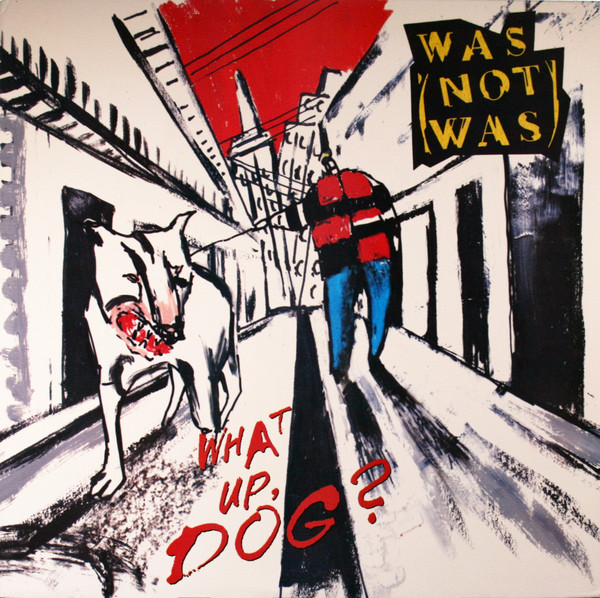
“Walk the Dinosaur”–Was (Not Was)
I don’t have the space here to list the credentials of musician/producer Don Was. The Rolling Stones, Bonnie Raitt, Elton John, Kris Kristofferson are a few names of superstars he’s produced records for, and that’s just from memory.
In the 80’s he was part of the idiosyncratic dance/freak/funk/disco/beat poetry outfit Was (Not Was) who had a few club dance hits but are best remembered for the bizarre one-off “Walk the Dinosaur”.
Come to think of it, almost every song the band recorded could be described as a “bizarre one-off”, so any one of them would be equally unsuitable as a calling card.
But I find this the least appealing song on their best album–the amazing, weird and eclectic What Up, Dog?
Their one American hit song was truly a fluke: Mary Stuart Masterson, co-star of Benny and Joon, was playing it on her personal stereo when the director heard it and decided to incorporate it into the film.
This helped the song become a hit single five years after its original release. It has since racked up five times the earnings of the rest of the duo’s catalog combined.
“I’m Gonna Be” went to number 3 in the US, but didn’t fare as well in Switzerland or Germany, which isn’t surprising. Try singing this lyric:
I would walk 804.672 kilometers and I would walk 804.672 more
To be the man who walks 1609.344 kilometers to fall down at your door
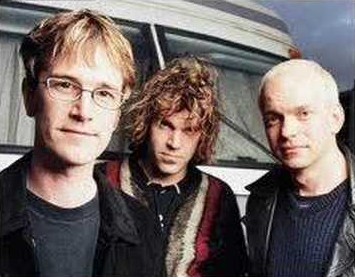
The album it’s taken from, Sunshine On Leith, is loaded with songs every bit as enjoyable, some upbeat and cheery, some lilting and gorgeous, including the title track, which was adopted as the team anthem of the Hibernian football team.
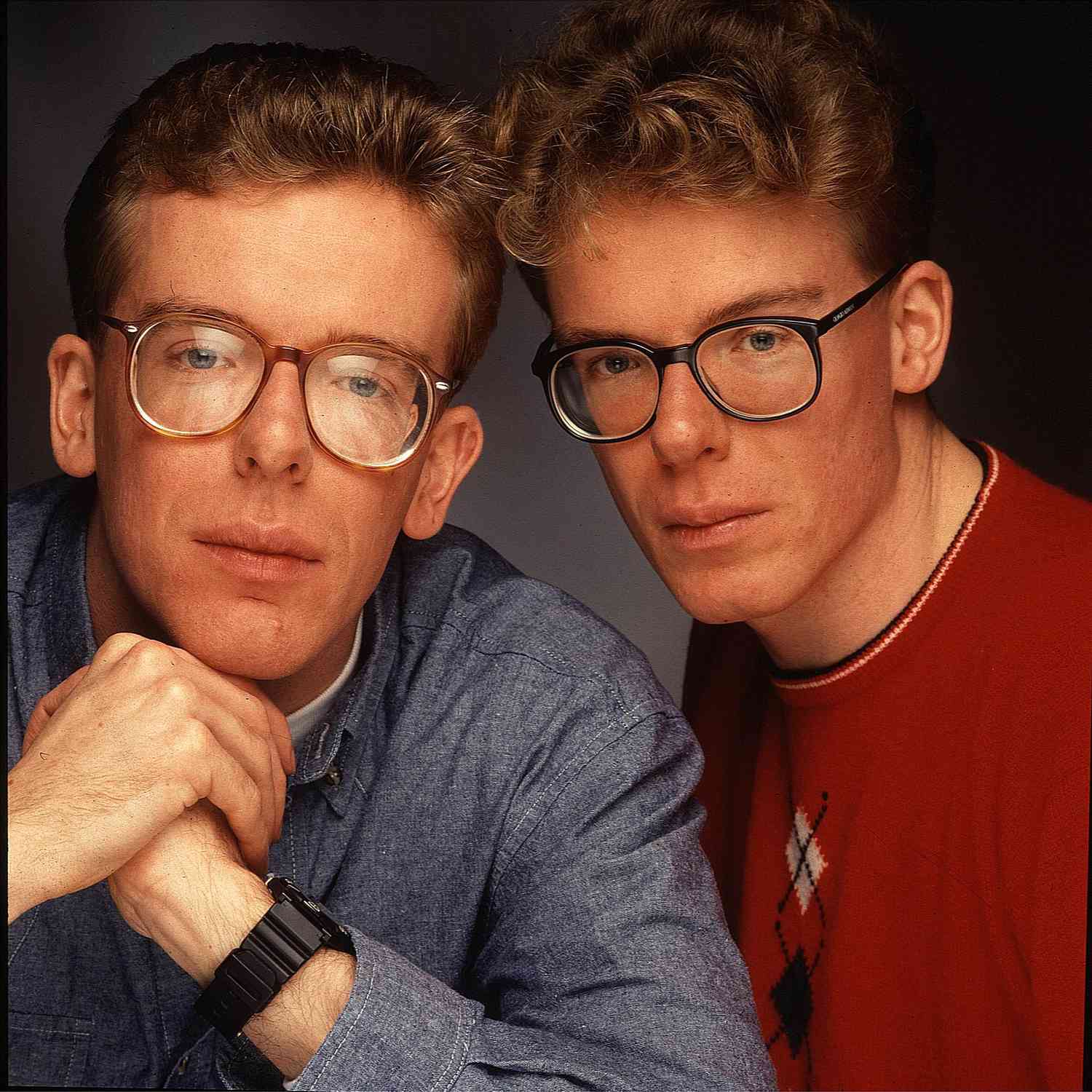
Scotland’s Craig and Charlie Reid have written dozens of heartfelt, keenly insightful songs. It’s my opinion that their one freak accident of a hit has actually prevented them from achieving greater cult status; frequently a no-hit wonder is apotheosized more than a one-hit wonder.
“One Week”–Barenaked Ladies
Here’s where I’ll sound like the obnoxious “get off my bandwagon” fan.
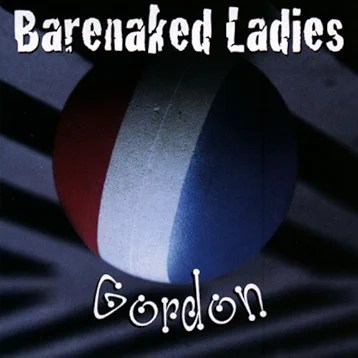
I followed Barenaked Ladies from the start. After reading a review of their debut Gordon album (IMO the best they ever released) I picked it up and began evangelizing anyone I could. I also saw the original lineup live, before keyboardist/percussionist Andy Creeggan left the band for a student-exchange trip to South America.
I mean, my copy of Gordon has the original cover art, with the unflattering band photo they later replaced with the generic, nondescript, less Canadian version:
That first Pittsburgh show was an intimate, sweaty, standing GA-only affair, but it had the air of a happening you get from an up-and-coming band making its bones.
After another show in Philly my brother and I approached the “Ladies” and handed them a cassette tape of another band we liked for them to listen to on their bus. They were that accessible.
After the semi-novelty “One Week” became obnoxiously ubiquitous a few albums later, I sat behind thousands of 12-year-olds in a hockey arena to see my formerly best-kept secret band entertain the masses.
Almost thirty years later, Barenaked Ladies and “One Week” are archetypical of the “bandwagon” experience. The 12-year-olds who jumped on for “One Week” have mostly jumped off, and so did I after Steven Page left the band.
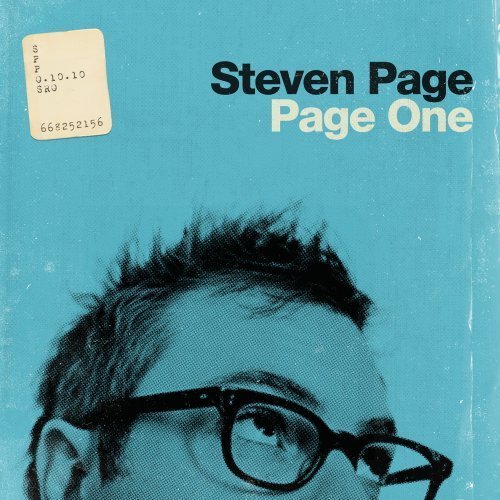
Page was the active ingredient in the band’s songwriting. They’ve gone bland without his spicy lyrical twistedness. But here’s a tip: it’s bad business to get caught with hookers and blow right after your band has released a children’s album.
If his solo career launched prematurely, his work sans Ladies has been far more interesting than BNL’s releases since turning the Page, but I digress.
Point is, if you don’t know songs like “Maybe Katie” or “Upside Down“, or Steven Page tunes like “A New Shore“, then you should give the band a deeper dive.
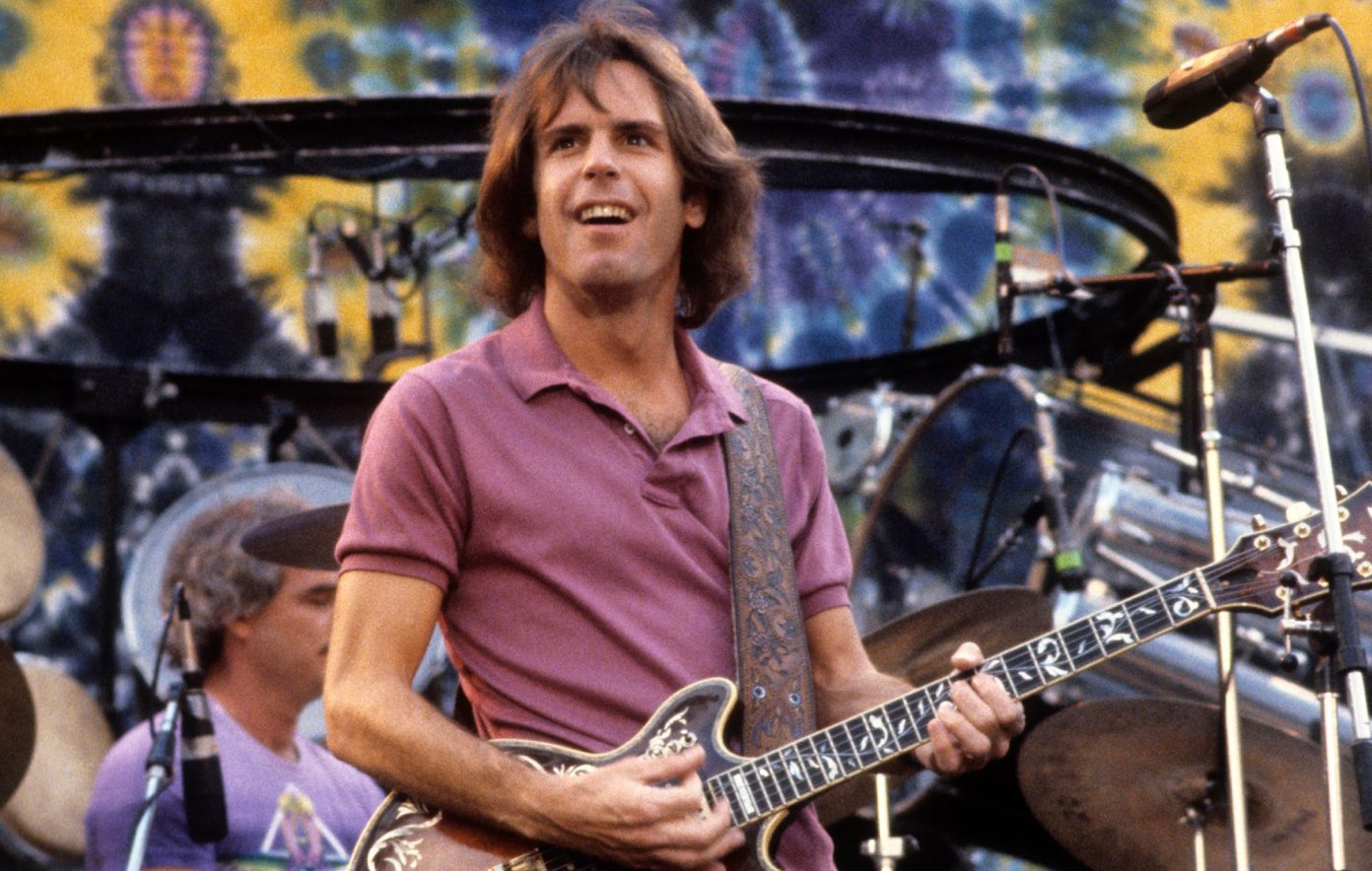
Bob Weir performing with the Grateful Dead, 1981. CREDIT: Clayton Call/Redferns
(Via Rolling Stone) by Alan Paul
Bob Weir is rightly being remembered as a transformative figure whose guitar playing made an indelible contribution to the Grateful Dead, and to improvisational rock & roll at large. In fact, Weir was such a pioneer that for many years his unique approach to rhythm guitar was often misunderstood, overlooked and underrated.
The simple fact that Jerry Garcia chose Weir as his three-decade foil and wingman in the Grateful Dead speaks volumes. Garcia was never shy about expressing his appreciation for his partner, once calling him “an extraordinarily original player in a world full of people who sound like each other.”
Weir dedicated his musical life to forging a distinct style of rhythm playing that was essential to the Grateful Dead’s sound. Rather than playing consistent, repetitive chords to build a groove, his approach was based around counterpoint and riffs, filling the musical gaps between the band’s drummers and Phil Lesh’s similarly unconventional bass playing.
Weir’s explanation for how he developed this approach — what he told me was his “dirty little secret” – was that instead of trying to copy other guitarists, he borrowed from pianists, specifically McCoy Tyner of the John Coltrane Quartet. “I just loved what he did underneath Coltrane’s work, so starting at age 17, I sat with that stuff for a long time and tried to absorb it,” Weir told me. “I got further and further toward it. I’m very fortunate that I found a perfect role for my approach at a very young age … Jerry was [also] very influenced by horn players, including Coltrane.”










 Every Moment Has A Song