I Didn’t Know That Was a Cover! Part 4

Considering it was June of 2016 when the third part of this series posted, we thought we were long overdue for a fourth gentle reminder that so many of your favorite songs aren’t as original as you might have thought.

Sorry to destroy your illusions and you’re welcome.
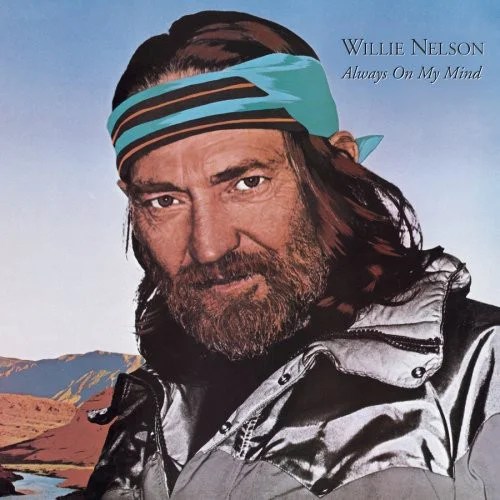

“Always On My Mind”-Willie Nelson

The ballad most often associated with the Red Headed Stranger was first recorded by Brenda Lee in 1972 although Gwen McCrae’s recording was released a few months sooner, with Elvis Presley releasing a successful version of the song also that same year.

There are over 300 recorded versions of “Always On My Mind”, but when Nelson released his version in 1982 it shot to the top of the country charts and the top 5 on the pop.

The clip features Nelson, Presley, McCrae and Lee in that order.
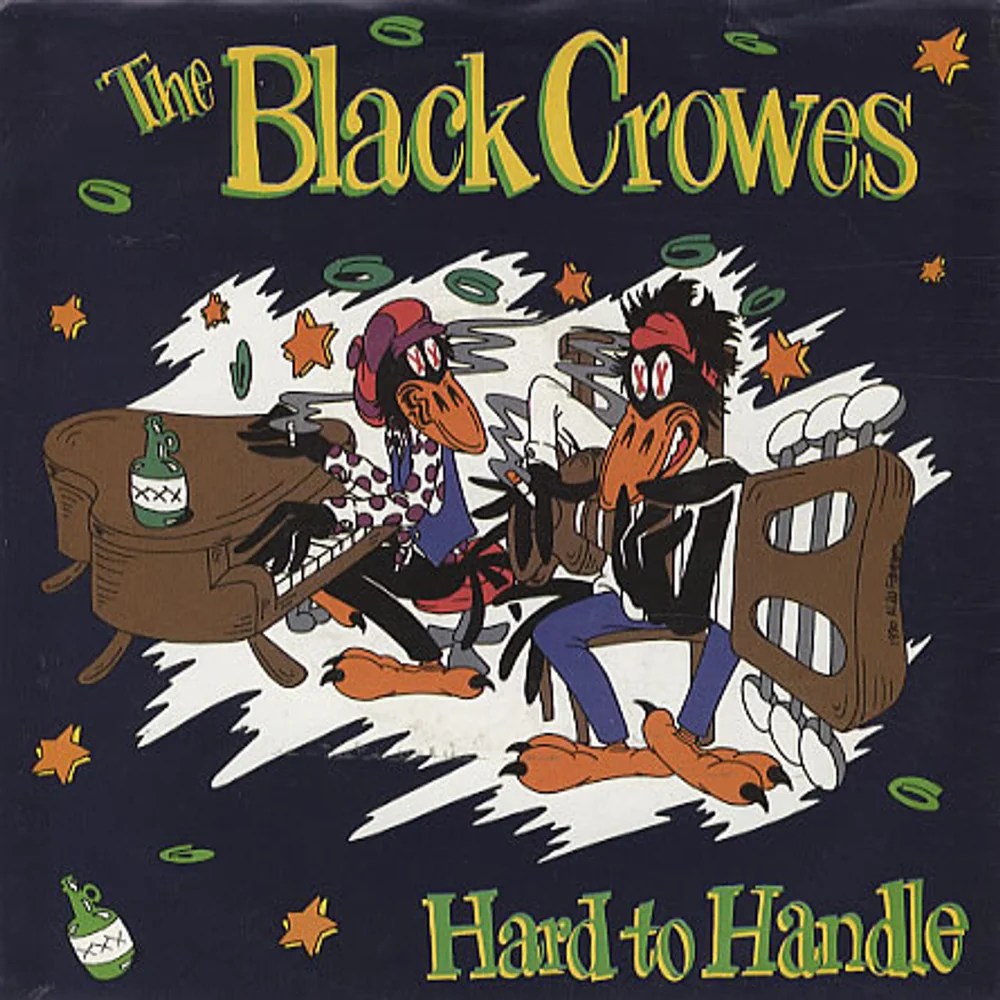

“Hard to Handle”-The Black Crows

Nope. Not an original either, but a 1968 Otis Redding B-side.

And yeah, the fact that this band’s biggest hit (look it up) was a B-side for Redding sums up their legacies relative to one another.
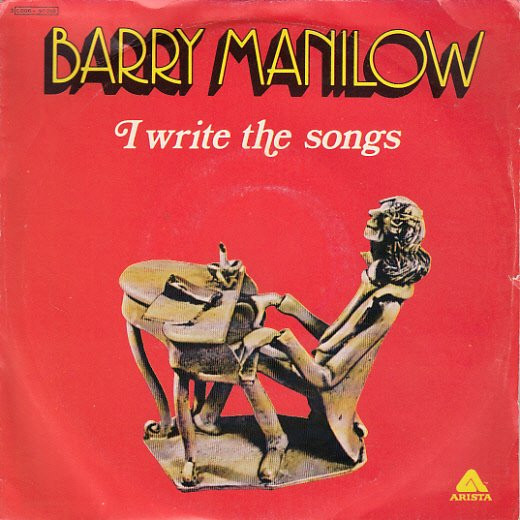
“I Write the Songs”-Barry Manilow

On a few occasions the “I Write the Songs” guy didn’t write the songs. This includes, ironically, “I Write the Songs”, which was written by Beach Boy Bruce Johnston.

While it’s been said the song was written in tribute to Johnston’s songwriting genius bandmate Brian Wilson, the song’s writer say’s the “I” in the song is actually God, and the song is about the universal power of music to inspire, comfort, and bring joy.

While Manilow’s version went to #1 and won the Song of the Year Grammy, it had been recorded one year earlier in 1975 by The Captain & Tennille.

“Captain” Daryl Dragon was given his nickname during his tenure touring with the Beach Boys, when Mike Love referred to him as “Captain Keyboard” because of the ship captain’s hat he wore onstage.

David Cassidy also recorded “I Write the Songs” the year before Manilow. We’ve spared you his version in the above clip.

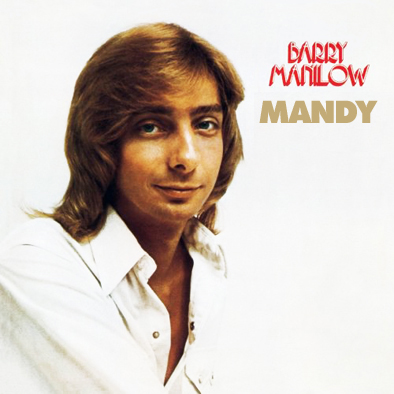
“Mandy”-Barry Manilow

“Mandy” got around a bit too prior to Manilow getting his hands on her. But she was a different girl back then. The original, written by Scott English, was titled “Brandy” and charted in the UK in 1971.

New Zealand singer Bunny Walters covered “Brandy” in 1972, but by the time Manilow recorded the song, the Looking Glass had had a number 1 hit with “Brandy (You’re a Fine Girl)” and the name was changed to “Mandy” to avoid confusion.

The clip samples Manilow, Walters and English in that order.

We don’t mean to pick on Barry Manilow especially. In fact, what is starkly clear from the clips is that his arrangements are sublime, and huge improvements on previous versions.

In other words, the opposite of the Black Crows.
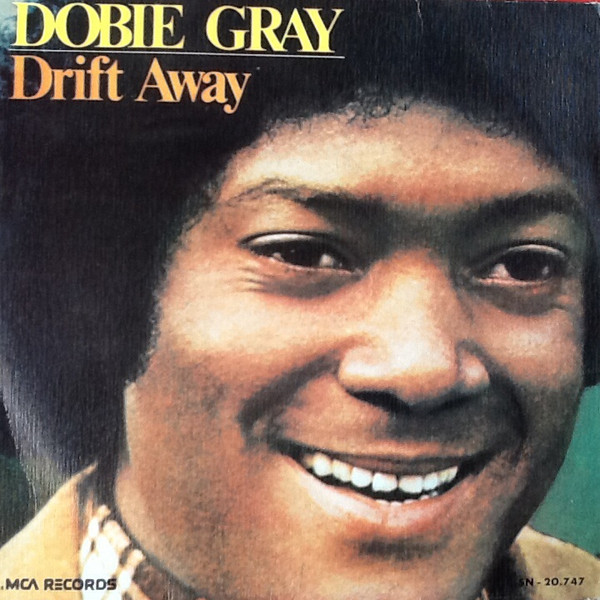

“Drift Away”-Dobie Gray

Soul singer Dobie Gray’s 1973 worldwide smash has become an evergreen. But it has a similar story to “Always On My Mind” in that it has two 1972 antecedents.

The clip moves backward from Gray’s cover to John Henry Kurtz’ November 1972 version to Mike Berry’s original from just two months previous.
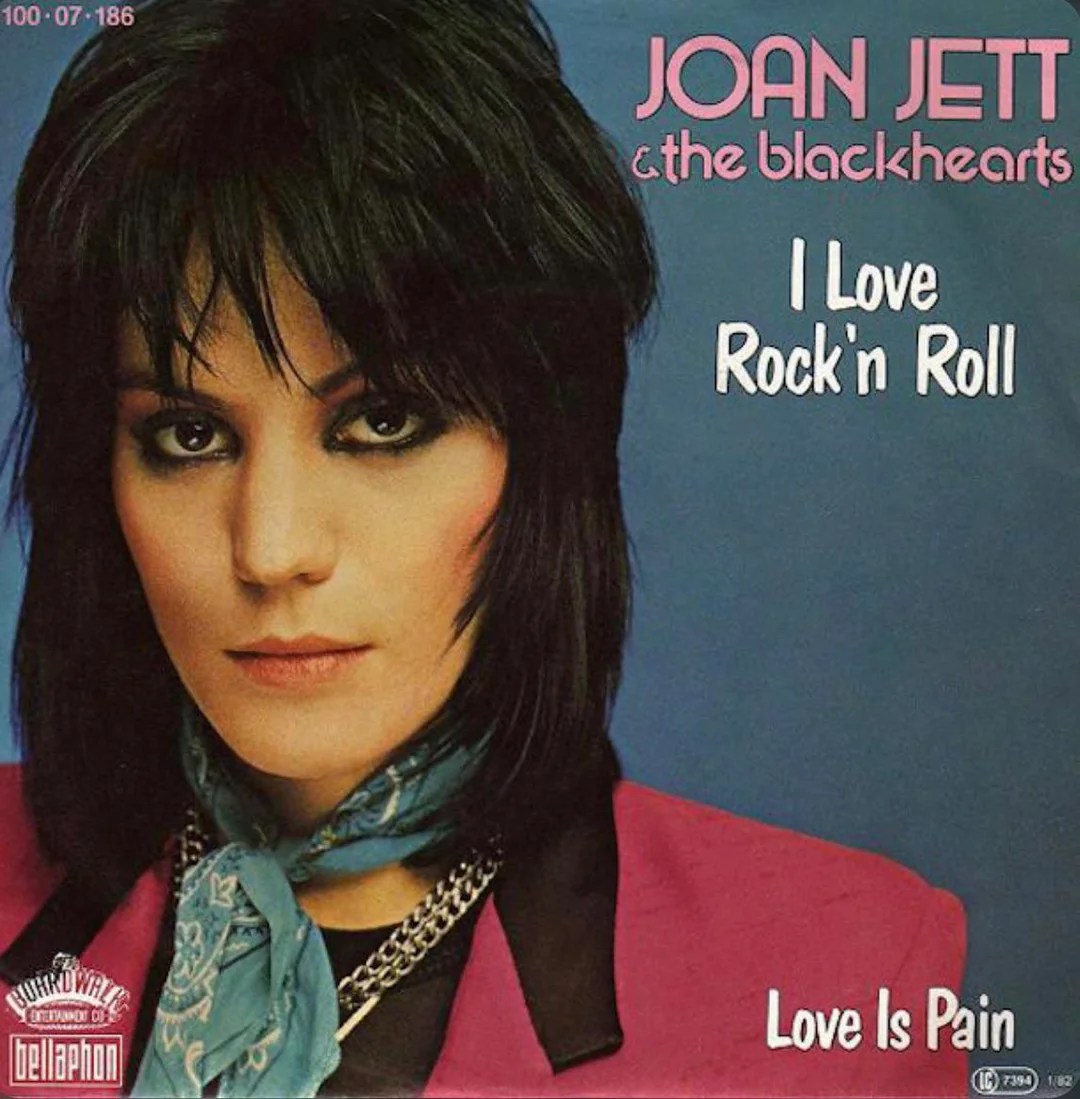

“I Love Rock ‘n Roll”-Joan Jett

Sad really that the authors of such universally-loved perennials remain obscure and unknown.

But that’s what we’re here to remedy in our little way.

The kick-ass anthem you probably thought was penned by Joan Jett herself was first written and recorded by British rock band the Arrows in 1975, 6 years prior to the Blackhearts version.

Jett saw them perform the song–inspired by the Rolling Stones’ “It’s Only Rock ‘n Roll (But I Like It)”–on British TV in ’76 and the rest is rock history.
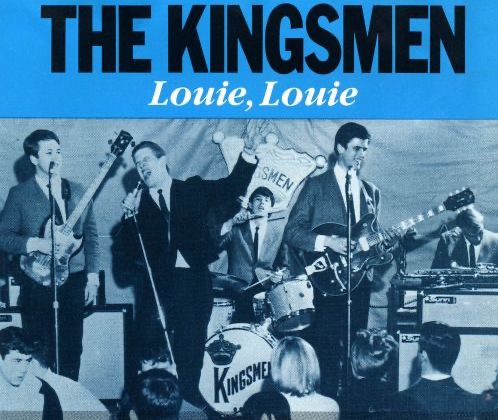

“Louie, Louie”-The Kingsmen

We have Richard Berry, not the Kingsmen, to thank (or blame) for this musically primitive 3-chord lovesick sailor’s lament.

Berry, the song’s writer (again, thanks Richard. Where would Western Civilization be without you?) released his version in 1957, 6 years before the Kingsmen’s one-hit wonder cover version.

That’s all I have to say about that.
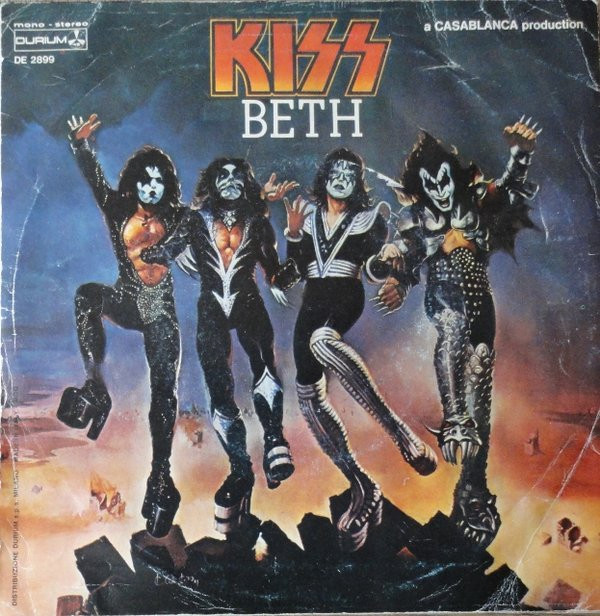

“Beth”-Kiss

During a limousine ride in 1975, drummer Peter Criss, whose songwriting contributions to Kiss had been, to put it gently, minimal over the band’s first three records, sang a version of a demo his previous band Chelsea had recorded to bandmates Gene Simmons and Paul Stanley, the band’s primary songwriters.

One might expect such a scene scene to go down very much like this:

But to their credit, Simmons and Stanley were receptive and encouraged Criss to sing it to their producer Bob Ezrin.
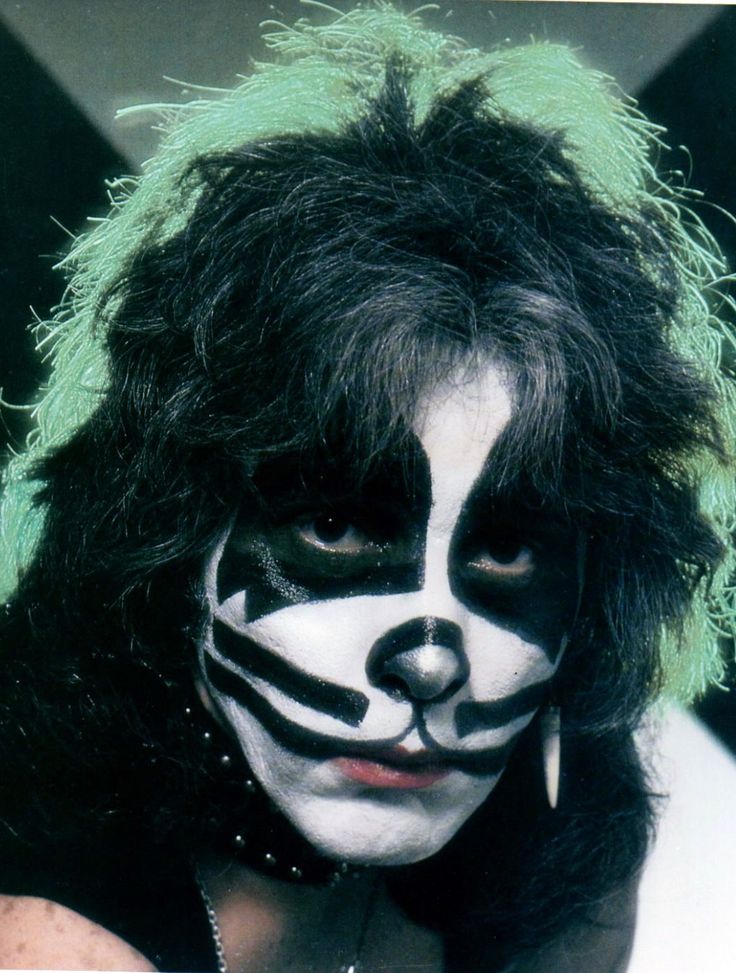
Ezrin, in typical genius Ezrin fashion, saw the song’s potential, assuring Criss the sentimental ballad would make a successful offset to the band’s usual sex-obsessed fare.

Ezrin re-worked the music and lyrics. Simmons suggested the name change from “Beck” (short for Becky, the wife of Criss’ Chelsea bandmate) to “Beth”. Oddly, the Becky who inspired the original song had a twin sister named Beth.

Ezrin enlisted the New York Philharmonic and had all 25 members wear fake tuxedos. Peter Criss was in full Kiss makeup and Ezrin wore a top hat and played grand piano.

Truly that there is no video documentation of this session is a loss to us all.
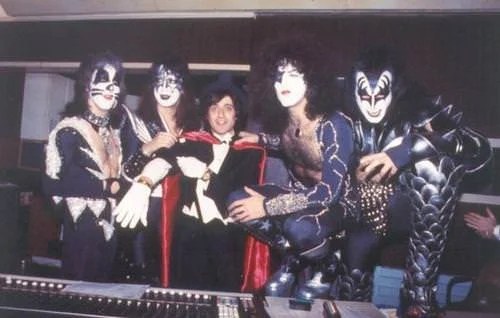
The 1976 Destroyer album was already sliding down the charts, when “Beth” was released as its fourth single, none of the first three having duplicated the success of “Rock and Roll All Nite” from the previous year’s Dressed to Kill LP.

Casablanca president Neil Bogart allegedly hated the song because Beth was his ex-wife’s name and he felt it reflected the circumstances of their divorce.

In any case, he tried to bury it as the B-side of the 3rd single from Destroyer, “Detroit Rock City”.

But DJ’s chose to play the B-side and listener requests influenced radio stations to add it to playlists. Thus the decision was made to re-release “Beth” as an A-side and the drummer’s song suggestion became the band’s biggest commercial hit in the United States.
I Didn’t Know That Was a Cover! Part 3

Have you ever been taken aback to discover a beloved or familiar song has roots in another decade, style, or incarnation? Did something you heard on the oldies station ever cause you to lose just a little of the awe and reverence you had for a particular artist’s creative proclivities?

In this our third installment revealing the relatively obscure original versions of familiar songs, we hope to open your eyes and ears once more with revelations about songs you didn’t know quite as well as you thought you did.

____________________

carnes

“Bette Davis Eyes”-Kim Carnes

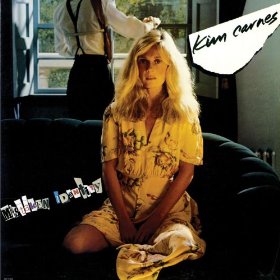
Carnes’ career-making “Bette Davis Eyes” topped the charts for nine weeks and won Grammy awards for Record- and Song of the Year in 1981. While its arrangement is heavy on the atmospheric 80’s synths, Jackie DeShannon’s 1975 original by contrast comes on like Johnny Carson’s Tonight Show band.

While both versions have merit, the contrast between the two is jarring.

____________________

“Got My Mind Set On You”-George Harrison

What have we here? The legendary former Beatle (redundant I suppose, since you can’t be a former Beatle and un-legendary) teams with producer Jeff Lynne for a 1987 #1 hit that sounds like…a 1987 ELO song.

Again the contrast with the original (James Ray in 1962) is striking. Honestly in this case I can’t imagine a large number of people being fans of both incarnations of this song–making the case for studio production’s major role in a song’s appeal.

____________________

riot

“Cum On Feel the Noize”-Quiet Riot

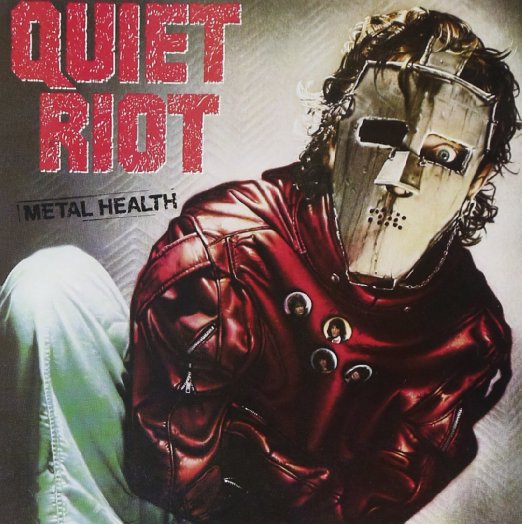
Although Slade’s 1973 original has a certain glam rock charm, it also demonstrates in unmistakable terms the relative appeal of glam here (where it peaked at #98) and across the pond where British fans made it a chart-topping single. Conversely, Quiet Riot’s version didn’t chart in Britain, while American fans made it a #5 hit.

To my (American) ears Quiet Riot’s cover is a lesson in how to make a rock song feel more like a punch in your face. Like other 80’s metal anthems (Bon Jovi’s “You Give Love a Bad Name”, Twisted Sister’s “We’re Not Gonna Take It”, for example) it begins with the fist-pumping, anthemic chorus–not a verse–and is fueled by a much more pronounced backbeat.

____________________

“Good Lovin'”-The Rascals

Felix Cavaliere and the Rascals (who still called themselves the Young Rascals at the time) broke through with the first of their three #1 hits in 1966, a cover of the Olympics’ #81 chart dud of the previous year. Honestly, though Cavaliere and Co. upped the energy level a bit, I’m a little surprised the earlier version didn’t break the top 40 itself.

____________________

bowie

“China Girl”-David Bowie

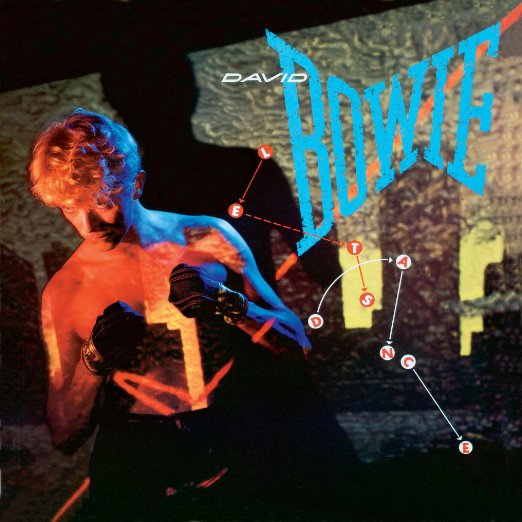
Talk about your upgrades. Bowie’s slick, clean cover of Iggy Pop’s “China Girl” adds the  “Oh-oh-oh-oh” vocal hook and generally doesn’t sound like it was recorded in a garbage can. So it’s not a shock that it went top ten in 1983 while Iggy’s original has been heard by about seventeen people, including you if you played the above sample.

____________________

“No More I Love You’s”-Annie Lennox

The Eurythmics lead singer’s 1995 #23 hit was a cover of a non-charting original from a well-regarded self-titled album by new wave duo The Lover Speaks.

____________________

youngbloods

“Get Together”-The Youngbloods

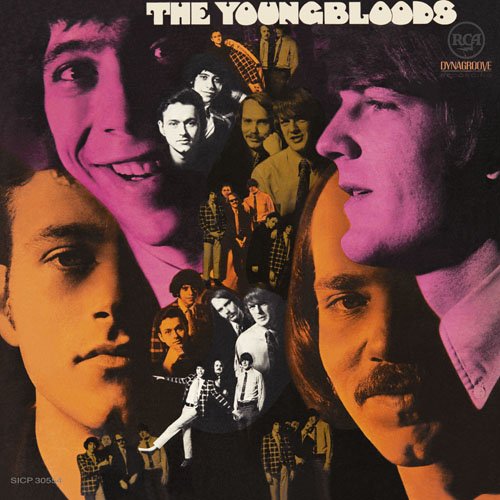
“Get Together” peaked at #5 1968 for Jesse Colin Young and the Youngbloods and has considerable boomer cred as its plea for peace, love and brotherhood to triumph over fear is just the kinda shit hippies were into.

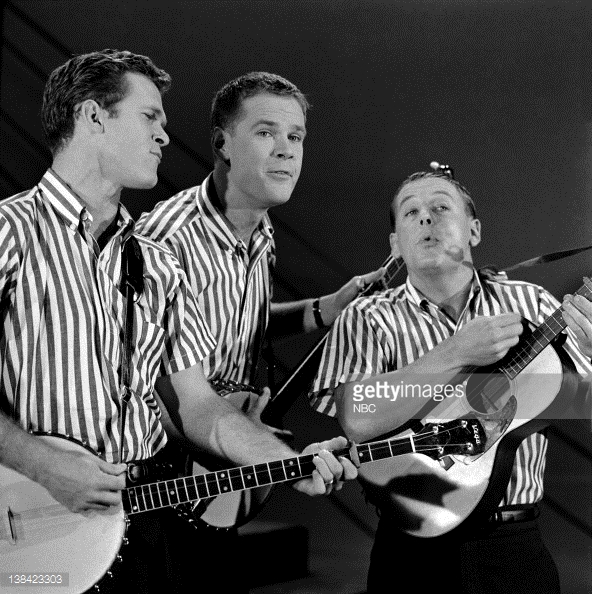
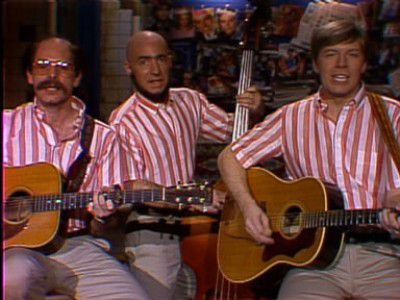
But it takes a true hippie to appreciate the song in its original incarnation. The Kingston Trio’s recording is perfectly emblematic of the genre of overly earnest 60’s folk so brilliantly pilloried in the film A Mighty Wind.

kingston

The Kingston Trio

 folksmen

Kingston Trio parodists The Folksmen

See also: https://edcyphers.com/2012/11/20/i-didnt-know-that-was-a-cover-part-2/

See also: https://edcyphers.com/2012/11/19/i-didnt-know-that-was-a-cover/

I Didn’t Know That Was a Cover! Part 2

In the interest of the betterment of your overall pop music knowledge/ability to spout random trivia…here’s another installment in the always popular (with me) I Didn’t Know That Was a Cover! series. Part 2 is subtitled: I Didn’t Know That Would Become a Series! Let’s dive in:

____________________

Our first three songs are examples of artists covering themselves; that is, revisiting songs they’d previously recorded with less well-known bands.

“Do Ya”-Electric Light Orchestra

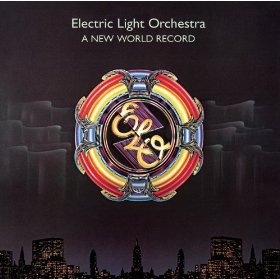
Years Before Jeff Lynne’s “Do Ya” appeared on ELO’s 1977 A New World Record LP and peaked at #24 on the pop chart, he recorded a less polished version with The Move, a band that included English rock legend Roy Wood and another ELO member, Bev Bevan. Their version came with no strings attached–but plenty of cowbell.

____________________

“Somebody to Love”-Jefferson Airplane

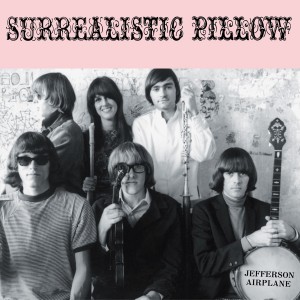
Grace Slick’s band The Great Society recorded the original version of her “Somebody to Love”, as well as “White Rabbit”. Both later appeared on Jefferson Airplane’s 1967 Surrealistic Pillow album and are probably that band’s two most important/popular recordings. This clip suggests that Airplane was much the better band.

____________________

“Cherry Bomb”-Joan Jett & The Blackhearts

Another member of The Runaways was mentioned in the previous post on this topic. This time it’s Joan Jett, whose “Cherry Bomb” was first recorded with that band. While both versions have their fans, neither exactly blew up (blew up I say) on the pop charts.

____________________

“Take Me In Your Arms (Rock Me)”-The Doobie Brothers

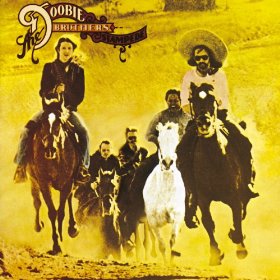
The Doobies proved their versatility in 1975 by following up their first #1 single–the bluegrass-flavored “Black Water”–with an old Holland-Dozier-Holland chestnut originally recorded ten years earlier by Kim Weston.

____________________

“They Don’t Know”-Tracey Ullman

British actress/comedienne and sometimes singer Tracey Ullman was a one-hit wonder in the U.S. although several of her singles were well-received abroad. Her schtick was to update the 60’s girl group sound, and “They Don’t Know” was an irresistible nugget of retropop. The backing vocals were supplied by the same woman who provided the song itself, Kirsty MacColl. Kirsty’s version is much the same–Tracey just upped the cute factor some.

____________________

“Big Ten Inch Record”-Aerosmith

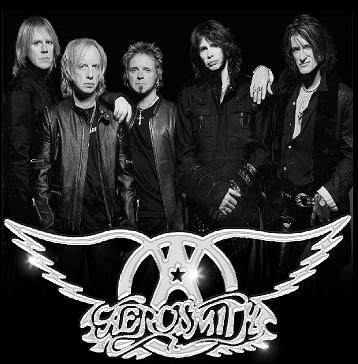
This song certainly clashed stylistically with the rest of the classic 1975 Toys in the Attic album, but I think that was the point. It’s a safe bet to be the only Bull Moose Jackson song in most Aerosmith fans’ collections.

____________________

“Unchained Melody”-The Righteous Brothers

What we have here is your all-purpose guide to “Unchained Melody”, starting with the Righteous Brothers and moving backward in time. (We will ignore versions by LeAnn Rimes, Heart, The Sweet Inspirations and even Elvis Himself, all of whom recorded versions after the Righteous Brothers, none of whom should have bothered.)

The above clip is a little medley, a Bill Medley if you will, of snippets of the six versions of this song that matter. Here’s what you hear in succession:

  1. The newly recorded 1990 version done by the Righteous Brothers in response to demand created by the song’s inclusion in the Patrick Swayze/Demi Moore film Ghost. This is not, however, the version which appeared in that movie. This version charted at #19 in 1990.
  2. The Righteous Brothers’ first hit version, which went to #4 in 1965 and climbed to #13 in 1990 after its inclusion in Ghost. Yes, incredibly they had two different recordings of their song chart at numbers 13 and 19 in the same year.
  3. Vito & The Salutations’ fast doo wop version from 1963. Sounds like a parody of the Righteous Brothers, but it actually came two years earlier.
  4. Roy Hamilton’s #6 hit from 1955
  5. Al Hibbler’s #3 hit from 1955
  6. Finally, Les Baxter’s #1 version, also from 1955 and the only time the song has gone to the top of the charts. If you count June Valli’s #29 hit of the same year, the song had four top 40 versions in 1955 alone, three of them top ten.

If you’ve always wondered why this song carries around such a strange title, it’s because Les Baxter’s original version was from the movie Unchained (which starred football star Elroy “Crazylegs” Hirsch).

p.s. Why don’t football players have nicknames like “Crazylegs” anymore?

See also: https://edcyphers.com/2012/11/19/i-didnt-know-that-was-a-cover/

See also: https://edcyphers.com/2016/06/11/i-didnt-know-that-was-a-cover-part-3/

I Didn’t Know That Was a Cover!

Our mission in this little exercise it to uncover the covers–to reveal songs commonly mistaken for originals which were actually older songs given a second life. Let’s listen:

____________________

post-1

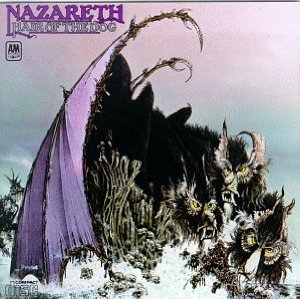
“Love Hurts”=Nazareth

As the above clip reveals, Nazareth’s 1976 top ten hit wasn’t new. In fact, the Boudleaux Bryant song had been recorded by Gram Parsons and Emmylou Harris as well as Roy Orbison. But the first to record the tune were the Everly Brothers in 1960, although their version was not a hit. Quite a contrast in styles.

____________________

“Tainted Love”-Soft Cell

Soft Cell’s only top 40 hit was a cover of a Gloria Jones song from 1964, although again the original version was not a pop hit. Certain lines (Once I ran to you, now I run from you) have a much more menacing feel when sung by a woman.

____________________

post-2

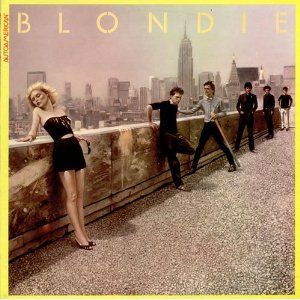
“The Tide is High”-Blondie

We probably should have been suspicious of a Blondie song with a Jamaican rhythm–not exactly the band’s forte. The song was written by John Holt and originally recorded by his reggae group the Paragons in 1967.

____________________

post-3

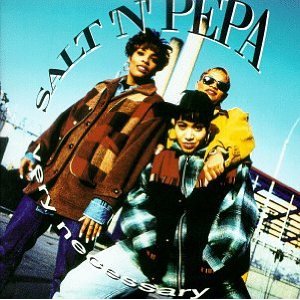
“Whatta Man”-Salt-N-Pepa w/En Vogue

This 1994 hit heavily samples–and is virtually a cover of–“What a Man”, a 1968 Linda Lyndell song that missed the pop charts.

____________________

“Can’t Get Enough of You Baby”-Smash Mouth

Smash Mouth’s #27 hit was the follow-up single to the #1 “Walkin’ on the Sun”. The song originally followed up another #1 single in 1966, Question Mark & the Mysterians’ “96 Tears”, which shares almost identical organ riffs with this song.

____________________

“Since You Been Gone”-Rainbow

The Ritchie Blackmore-led rock band’s hit was originally written and recorded by former Argent guitarist Russ Ballard and appeared on his 1976 Winning album.

Head East’s 1978 cover of the song actually charted higher (#46) than Rainbow’s 1979 version (#57) but Rainbow’s version is now widely considered definitive.

____________________

post-4

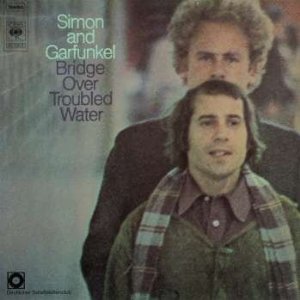
“El Condor Pasa (If I Could)”-Simon & Garfunkel

Originally composed as “El Condor Pasa” (“The Condor goes by” or “flies past”) by Peruvian Daniel Alomia Robles in 1913, drawing from traditional Andean folk melodies. Paul Simon heard a recording by a group called Los Incas and composed new lyrics for the melody. Interestingly he used the Los Incas instrumental version (which you hear here) as the backing track for the Simon & Garfunkel song, and did so without permission. He also failed to credit Robles, later claiming to have been misinformed that the song was an old traditional melody by an anonymous composer.

Robles’ son filed suit against Simon & Garfunkel, but all ended amicably. Simon ended up touring with Los Incas (later renamed Urubamba) and producing an album for them.

As a side note, Paul Simon was accused, after the release of his Graceland album, of stealing music from the band Los Lobos, who were invited to play on the record. Quoting Wikipedia:

The group Los Lobos appear on the last track, “All Around the World or The Myth of Fingerprints”. According to Los Lobos’ saxophone player Steve Berlin, Simon stole the song from Los Lobos, giving them no songwriting credit:

“It was not a pleasant deal for us. I mean he (Simon) quite literally–and in no way do I exaggerate when I say–he stole the songs from us…We go into the studio, and he had quite literally nothing. I mean, he had no ideas, no concepts, and said, ‘Well, let’s just jam.’…Paul goes, ‘Hey, what’s that?’ We start playing what we have of it, and it is exactly what you hear on the record. So we’re like, ‘Oh, ok. We’ll share this song.’…A few months later, the record comes out and says ‘Words and Music by Paul Simon.’ We were like, ‘What the fuck is this?’ We tried calling him, and we can’t find him. Weeks go by and our managers can’t find him. We finally track him down and ask him about our song, and he goes, ‘Sue me. See what happens.”

See also: https://edcyphers.com/2012/11/20/i-didnt-know-that-was-a-cover-part-2/

See also: https://edcyphers.com/2016/06/11/i-didnt-know-that-was-a-cover-part-3/