Songs You May Have Missed #772

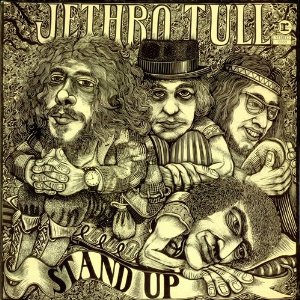
Jethro Tull: “Reasons for Waiting” (1969)

Another gem from the deep catalog of a band whose hardcore fans seem to think every release is a masterpiece (they couldn’t be more wrong) but who gets such little mainstream critical respect that, as of this writing, the band hasn’t been inducted into the Rock and Roll Hall of Fame (they couldn’t be more wrong).

Similarly to Fleetwood Mac, Jethro Tull started out as a British blues-rock band, but lineup changes–and perhaps commercial considerations–dictated a musical course correction.
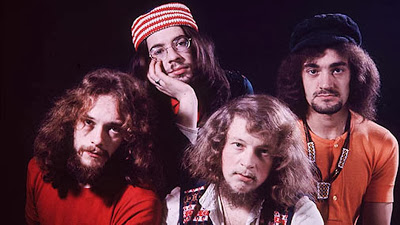
Following the departure of band leader and guitarist Mick Abrahams after their first album, Tull was effectively Ian Anderson’s band (and has been ever since).

After a brief (less than 2 month) stint by future Black Sabbath legend Tony Iommi, guitarist Martin Barre was brought aboard to replace Abrahams on guitar. A more versatile musician, Barre was adept on mandolin and had actually been playing flute longer than Anderson himself.

Tull’s signature sound would be forged by Anderson’s flute and Barre’s guitar licks over the next decade. In the meantime, second LP Stand Up was the record on which the transition from blues-influenced rock to a folk-inflected style began. Soon after, their distinctive folk/progressive rock blend fully unfolded.

But Tull has never truly abandoned its folk-rock leanings under flautist Anderson’s leadership.

“Reasons for Waiting” is nowhere on any Tull fan’s list of favorite songs. But this beautiful Ian Anderson ballad showcases the versatility of the writer better known for such canonical classic rock as “Aqualung”, “Locomotive Breath” and “Thick as a Brick”.
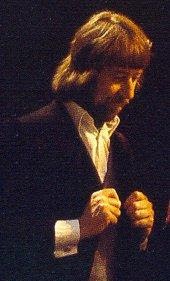

Palmer, 1970’s
Palmer, recent

This was the first song on which the band used orchestration in the studio, and Dee (at the time David) Palmer’s string arrangement is what raises the song to another level.

Palmer, perhaps Jethro Tull’s true unsung hero, would later become a full-fledged recording and touring member of the band, helping to build the lavish arrangements on albums like Songs from the Wood and songs like “Orion”.

Credited as composer of the 1979 Stormwatch album-closer “Elegy”, one of the few Tull songs without an Anderson writing credit, Palmer wrote the song as an ode to her father, writing it within an hour after first hearing he had died.

See also: https://edcyphers.com/2013/02/24/songs-you-may-have-missed-340/

See also: https://edcyphers.com/2012/11/18/songs-you-may-have-missed-242/

See also: https://edcyphers.com/2025/07/12/recommended-albums-100/
Songs You May Have Missed #771

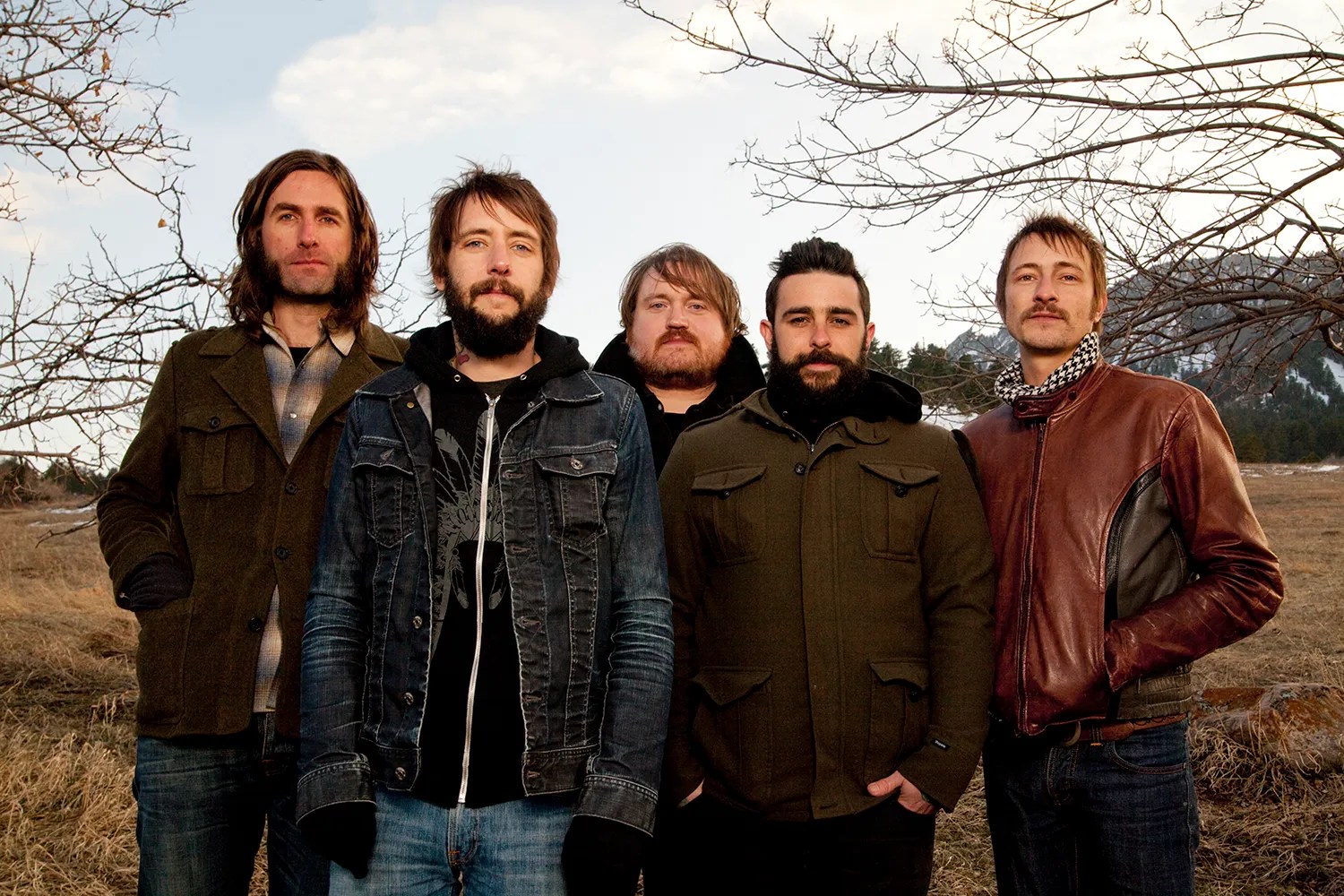
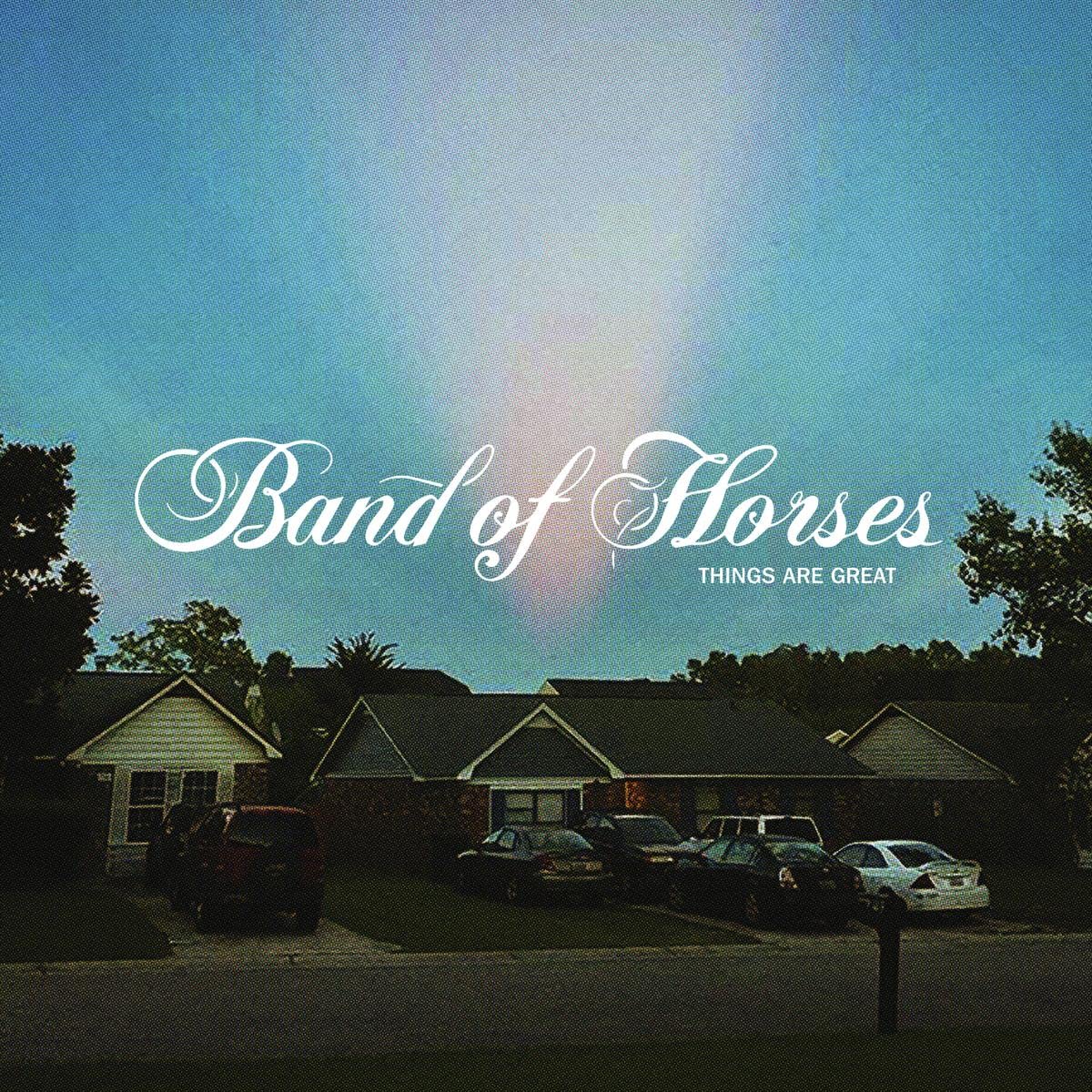
Band of Horses: “In Need of Repair” (2022)

From their sixth LP, arriving six years after their previous.

Things are Great strips back the band’s sound a bit, and sounds more like the Sub Pop records that made them indie pop darlings than their lusher-sounding more recent major-label work.

Rolling Stone

See also: https://edcyphers.com/2013/02/07/songs-you-may-have-missed-322/

See also: https://edcyphers.com/2012/06/24/songs-you-may-have-missed-135/

Songs You May Have Missed #770

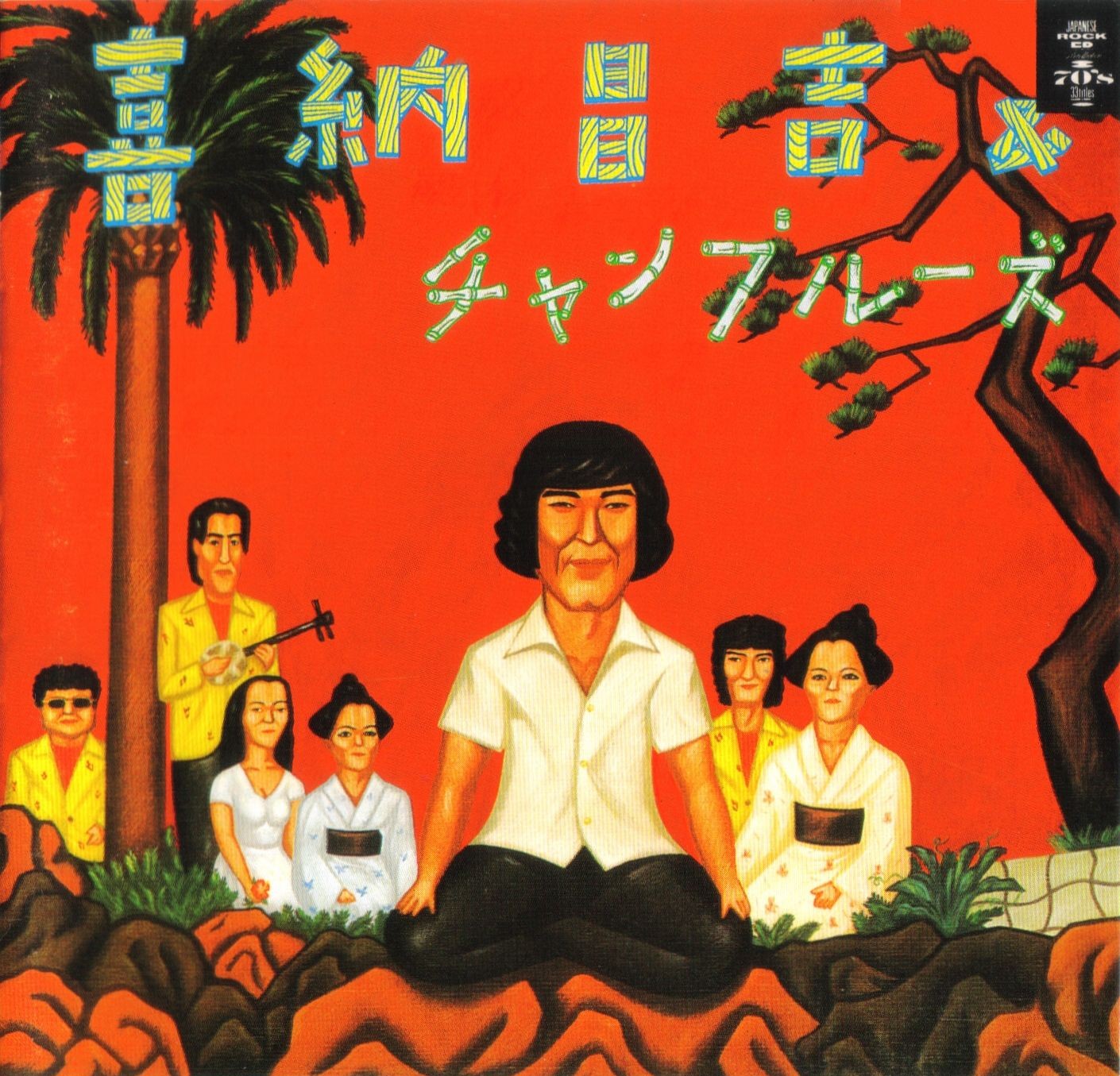
Shoukichi Kina: “Haisai Ojisan (Hey Man!)” (1972)

If there’s one song that instantly puts me in a good mood, this is it.

Admittedly it’s pretty far afield from my usual fare and I think that’s the point. If music can be thought of as a drug, sometimes one develops a tolerance for the lower dose and seeks something that delivers a bigger kick.

I get a kick out of “Haisai Ojisan”

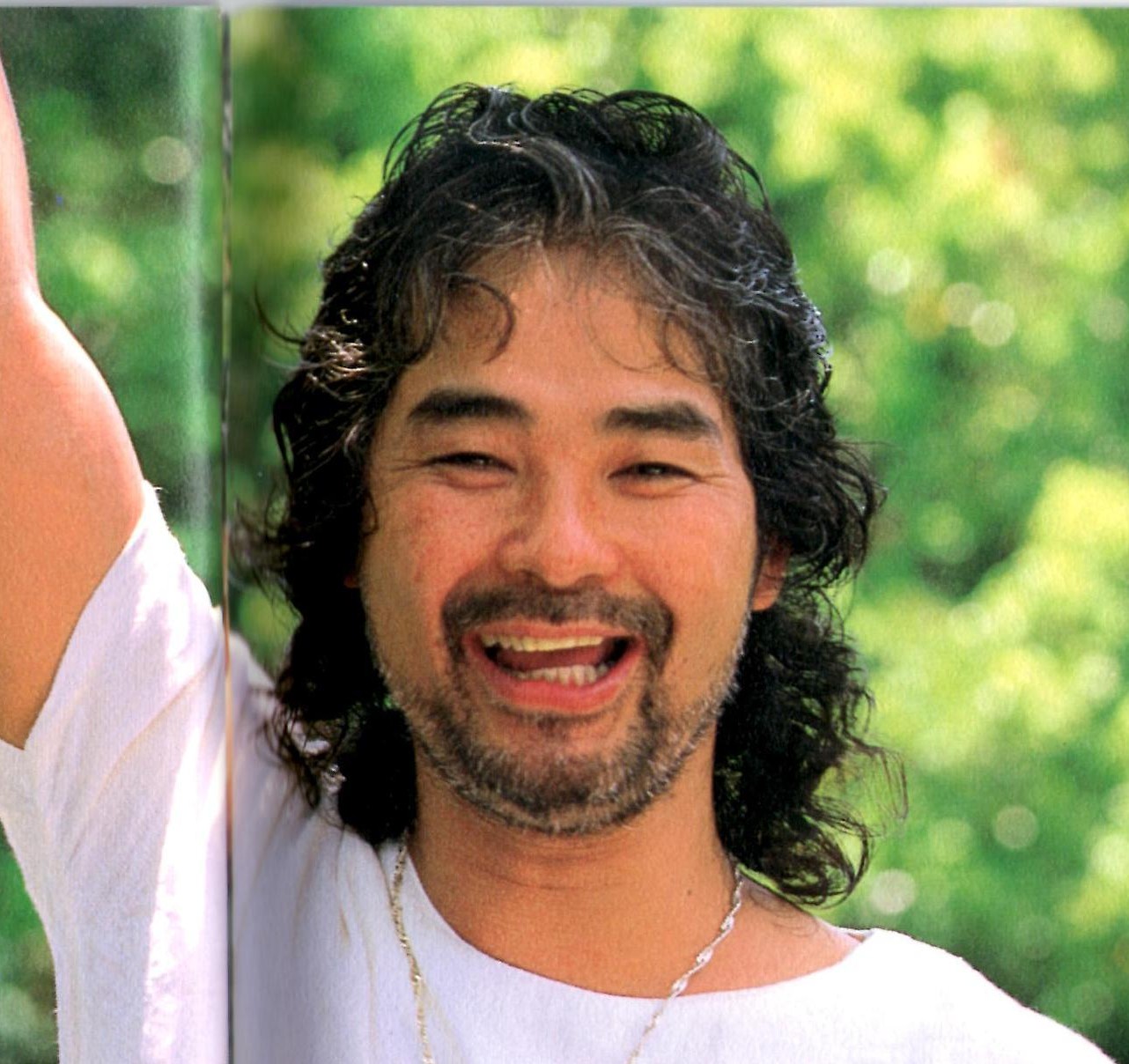
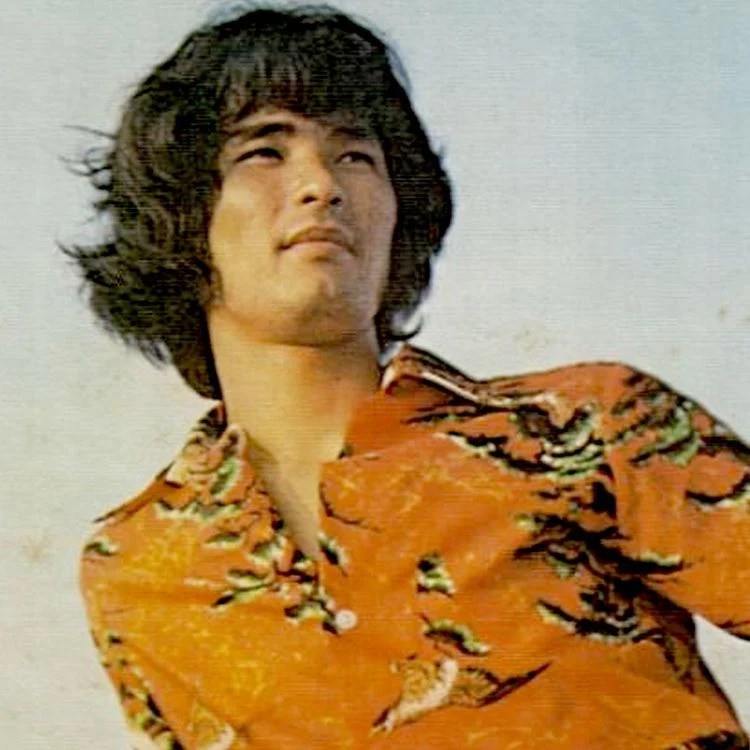
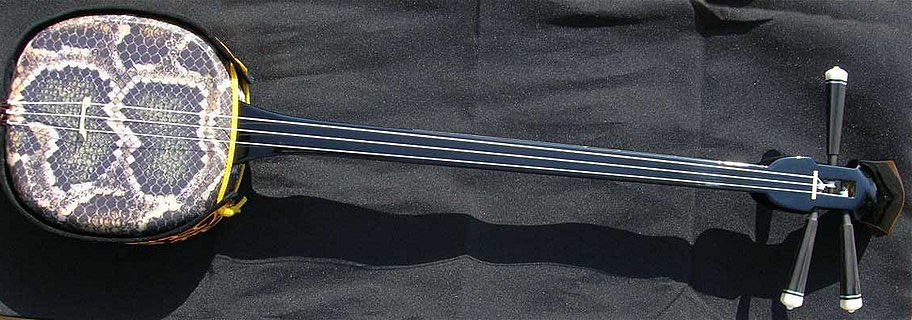
Shoukichi Kina and his band Champloose (the band name is derived from a traditional Okinawan stir-fry dish) were part of the Okinawan folk-rock movement of the 1970’s and 80’s. “Haisai Ojisan”, Kina’s first big hit, was a song he’d written in high school.

Kina and Champloose adding bass, guitars and drums to traditional sanshin music was the Okinawan equivalent to Dylan going electric in America, or Fairport Convention electrifying British folk.

Fittingly, Fairport alumnus Richard Thompson covered “Haisai Ojisan” in 1987 on the same French, Frith, Kaiser, Thompson Live Love, Larf & Loaf album that contains a cover of “Surfin’ U.S.A.” and an assortment of other strange musical bedfellows. Thompson and company’s “Haisai Ojisan” is a remarkably reverent take on the original:

The song has also spawned a group folk dance, or more accurately a variety of group folk dances, none of which seem to resemble the others much:

Shoukichi Kina is probably equally well known as a peace activist and politician, and was elected to the House of Councillors in 2004.

English translation:

Hey, man! Hey, man!
If there’s a drop of sake left in last night’s little bottle
Won’t you give me some?
Hey, boy! Hey, boy!
You think I’m satisfied with a little bottle?
Don’t say there’s none left!
Ok, man! If the little bottle’s not enough, give me a big one

Hi, man! Hi, man!
I wanna marry, I’m not a kid anymore
Can I marry your daughter?
Hey, boy! Hey boy!
Marry? No kidding!
You’re still too young to talk about such things
Ok, man! I’ll wait till my hair turns white

Hi, man! Hi, man!
What a big bald spot you have!
Hey, boy! Hey, boy!
Bald men are excellent
My forefathers were really excellent
Ok, man! I’m gonna have cosmetic surgery to add bald spots

Hi, man! Hi, man!
Your beard is funny, like the whiskers of an attic mouse
Hey, boy! Hey, boy!
Laugh at my beard, but women love bearded men
Ok, man! I don’t wanna be outdone by you,
Starting tomorrow, I’ll grow a beard that looks like the whiskers of a mouse

Hi, man! Hi, man!
Last night’s hooker was really pretty, you should go there, too
Hey, boy! Hey, boy!
In Chiji, Nakajima and Watanji,* I’m a big shot
Okay, man! Going around here and there, I’m wasting my money
You’re wasting your money

Songs You May Have Missed #769

Bekon: “17” (2018)

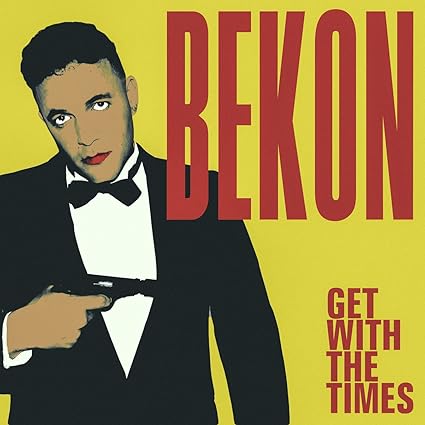
From the to-date only solo album release by producer Bekon, who’s collaborated with Kendrick Lamar, Eminem, Snoop Dogg and others.

The release of Get With the Times was so low-key, Lamar and not Bekon was the one who broke the news of its release on Twitter.

The tender ballad “17” is a thing of understated beauty with a Nilssonesque arrangement.

Songs You May Have Missed #768

Matthew Sweet: “If Time Permits” (1999)

It’s all big reverb, big drums and big emotion as Matthew Sweet closes out the 1990’s by acting like they never happened.

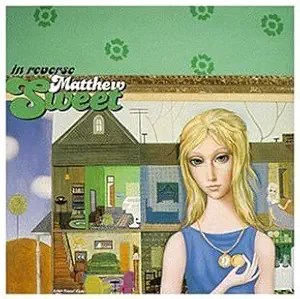
Sweet’s 1999 In Reverse album is an homage to all the things that made 60’s pop great: wall of sound production, backward guitars, psychedelia, overwrought lyrical sensibilities and most of all melody.

Oh, and Carol Kaye, the badass Wrecking Crew ace of bass herself, who’s part of that glorious wall of sound here.

It’s clear Sweet finds inspiration from Brian Wilson, the Beatles, Electric Light Orchestra and other purveyors of pop brilliance. But he also has the chops to make something new of it, something his own.

If more talented songwriters thought in reverse, we could all forget the 90’s happened.

See also: https://edcyphers.com/2013/10/11/songs-you-may-have-missed-488/

See also: https://edcyphers.com/2013/06/20/songs-you-may-have-missed-430/

Songs You May Have Missed #767

Warren Zevon: “Splendid Isolation” (1989)

Michael Jackson in Disneyland
Don’t have to share it with nobody else
Lock the gates, Goofy, take my hand
And lead me through the world of self

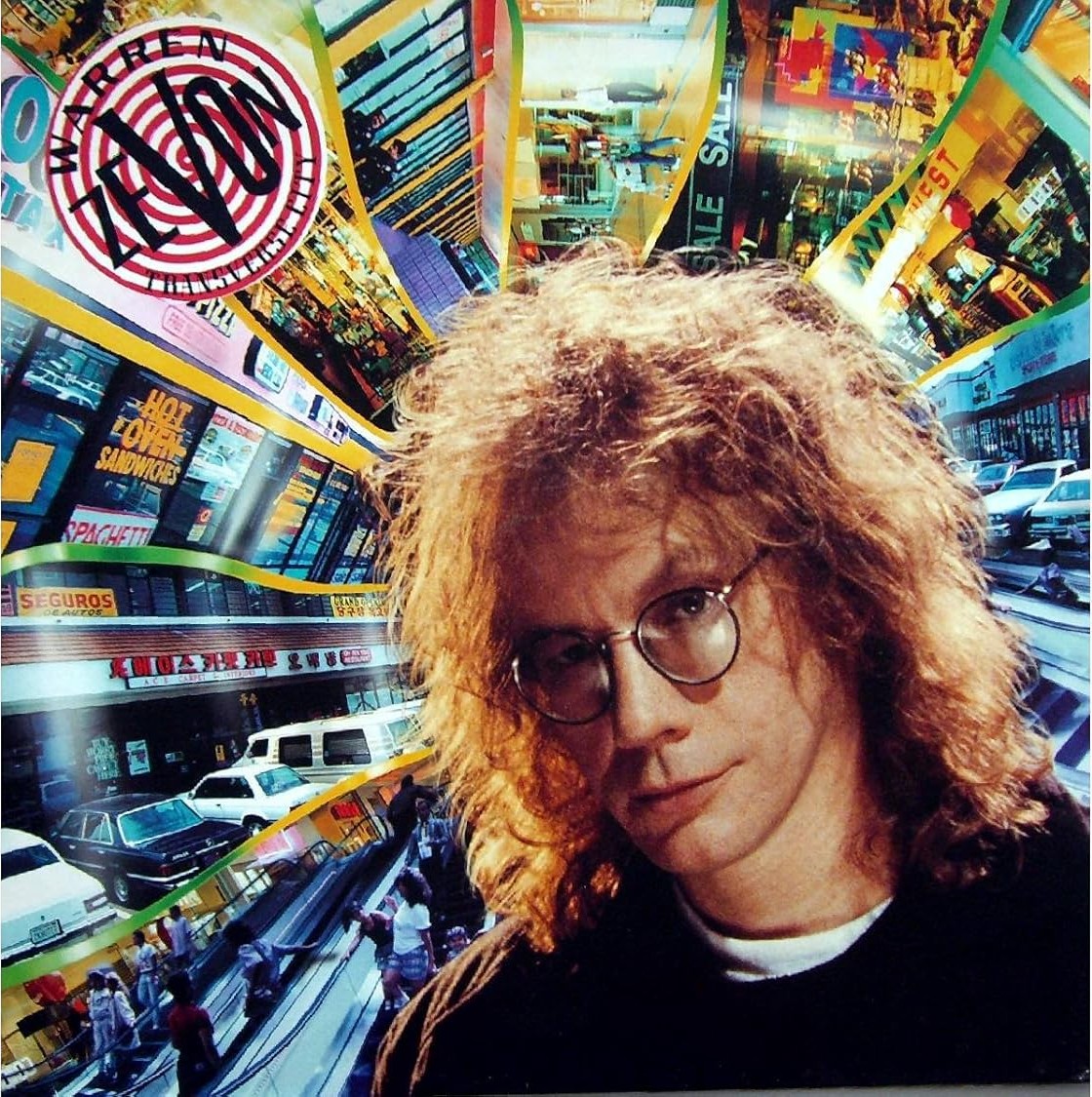
Following 1987’s return to top form with the great Sentimental Hygiene album, the Excitable Boy unleashed the less commercial–and less commercially successful–Transverse City LP.

“Splendid Isolation” was actually one of the more cheerful tunes on a bleak, at times dystopian, rumination on cultural collapse at the end of the Reagan era.

Although I must say I much prefer the more playful, poppier Sentimental Hygiene, Transverse City in retrospect is certainly one of the most ambitious, uncompromising, and ultimately overlooked albums of Zevon’s catalog.

See also: https://edcyphers.com/2013/04/29/recommended-albums-45/

See also: https://edcyphers.com/2012/11/11/songs-you-may-have-missed-224/

Previous Older Entries Next Newer Entries