"There's a time in life for Hoagy Carmichael. There's a time in life for Claude Debussy. There's a time in life for Jerry Lee Lewis. There's a time in life for Destiny's Child. All these things have their moment." ~Elvis Costello
I love three things about this song: the melody, the voice of Brian Briggs, and the sound of a saw as subtle added percussion in the final chorus (coming in at about 1:40 and ending with a piece of wood dropping to the floor).
It’s from Stornoway’s Beachcomber’s Windowsill album, a charmingly understated and ruminitave debut which, according to Amazon’s band bio “has taken more than five years to make; a labor of love that includes over a hundred different instruments, the chimes of a Dutch church bell, one Morse Code message and the sound of several carrots being chopped”.
They went back to Oxford, where the band was formed, to make this video for “Fuel Up”. Love the autoharp on this one:
Although they may not possess the one dimension that could push them toward Decemberists-like mainstream success (namely, the ability to rock out) they do share a lot with that band: unconventional lead vocals, some left-of-center instrumentaion, British folk influences, and songs strewn with literary refences. But this is a band I don’t need to rock out, or to change anything about the beautiful sound they make. Okay, maybe one thing: don’t take five years for the next record.
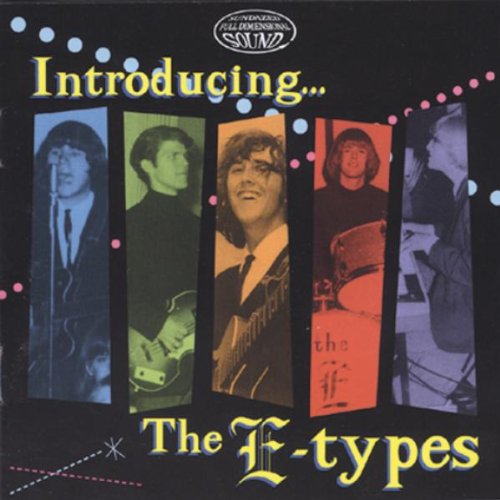
The E-Types: “Put The Clock Back On The Wall” (1966)
The original, Beatles-led British Invasion was unkind to American bands trying to get a record deal or even book a gig. So to avoid extinction, they adapted in various ways. The New Colony Six (from Chicago) and Paul Revere & The Raiders (Idaho) dressed like this:
Bands like the San Antonio-based Sir Douglas Quintet or Chicago’s Buckinghams took a slightly more dignified approach, adopting band names they hoped would fool club owners into thinking they were booking an act from across the pond. And some, like the Beau Brummels and the E-Types, (both from California) focused on sounding like the Hollies, the Zombies, or Peter and Gordon.
“Put the Clock Back On the Wall” was penned by the hit writing team of Gary Bonner and Alan Gordon, who wrote “Happy Together” and “She’d Rather Be With Me” for the Turtles. It’s actually probably the band’s least-British Invasion-sounding song, leaning closer to a garage rock sound. This band sounded pretty consistently good even when they were covering the Beatles. Even so, none of the E-Types’ singles charted–no doubt due in part to competition from the Brits they idolized.
A song about celebrating life, even in the midst of death. A good reminder.
I was sipping on a whisky when I got the call Yeah my friend Lex was lying in the hospital She’d been pretty sick for about half the year But it seemed like this time the end was drawing near
So I dropped my plans and jumped the next London train I found her laid up and in a lot of pain Her eyes met mine and then I understood That her weather forecast wasn’t looking too good
So I sat and spun her stories for a little while Tried to raise her mood and tried to raise a smile But she silenced all my ramblings with a shake of her head Drew me close and listen this is what she said now
You’ll live to dance another day Just now you’ll have to dance for the two of us So stop looking so damn depressed – sing with all your heart The queen is dead
Yeah, she told me she was sick of all the hospital food Of doctors, distant relatives draining her blood She said I know I’m dying but I’m not finished just yet I’m dying for a drink and for a cigarette
So we hatched ourselves a plan to book a cheap hotel The centre of the city and to raise some hell Lay waste to all the clubs and then when everyone else is long asleep Then we’ll know we’re good and done
You’ll live to dance another day Just now you’ll have to dance for the two of us So stop looking so damn depressed – sing with all your heart That the queen is dead
South London’s not the same anymore The queen is dead, and the last of the greats has finally gone to bed
Well I was working on some words when Sarah called me up She said that Lex had gone asleep and wasn’t waking up And even though I knew that there was nothing to be done I felt bad for not being there and now, well, she was gone
So I tried to think what Lex would want me to do At times like this when I was feeling blue So I gathered up some friends to spread the sad sad news And we headed to the city for a drink or two And we sang
We live to dance another day It’s just now we have to dance for one more of us So stop looking so damn depressed and sing with all our hearts Long live the queen
“Told you I was coming back. Say you missed me. Say it like you mean it.”
There’s only one David Lee Roth. And I did miss him. Rock n Roll, if there is still such a thing, will always need someone with its elemental cock-sure swagger to step out and remind us what its pure strain looked like. And so few are left who can still deliver that. (Wouldn’t you love to go see a Thin Lizzy show today?)
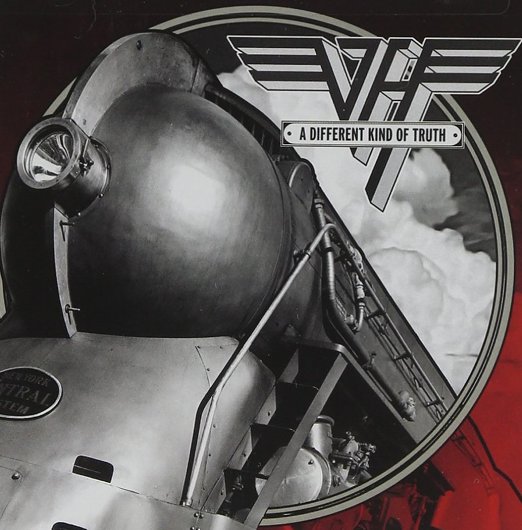
Van Halen’s new album, A Different Kind of Truth, has somewhat confounded critics who were ready to pan it and fans who were prepared to hate it. It’s not one of their absolute best, but it’s much better than we probably had any right to expect.
If you like Van Halen, you like “Blood and Fire”. If you don’t, you don’t.
If you saw the Dylan documentary Don’t Look Back by D.A. Pennebaker you may have come away with an impression of Donovan as a mere Dylan imitator. And if you’ve heard only hits like “Mellow Yellow” you may have assumed he’d moved on to become a Beatles imitator.
Both are inaccurate.
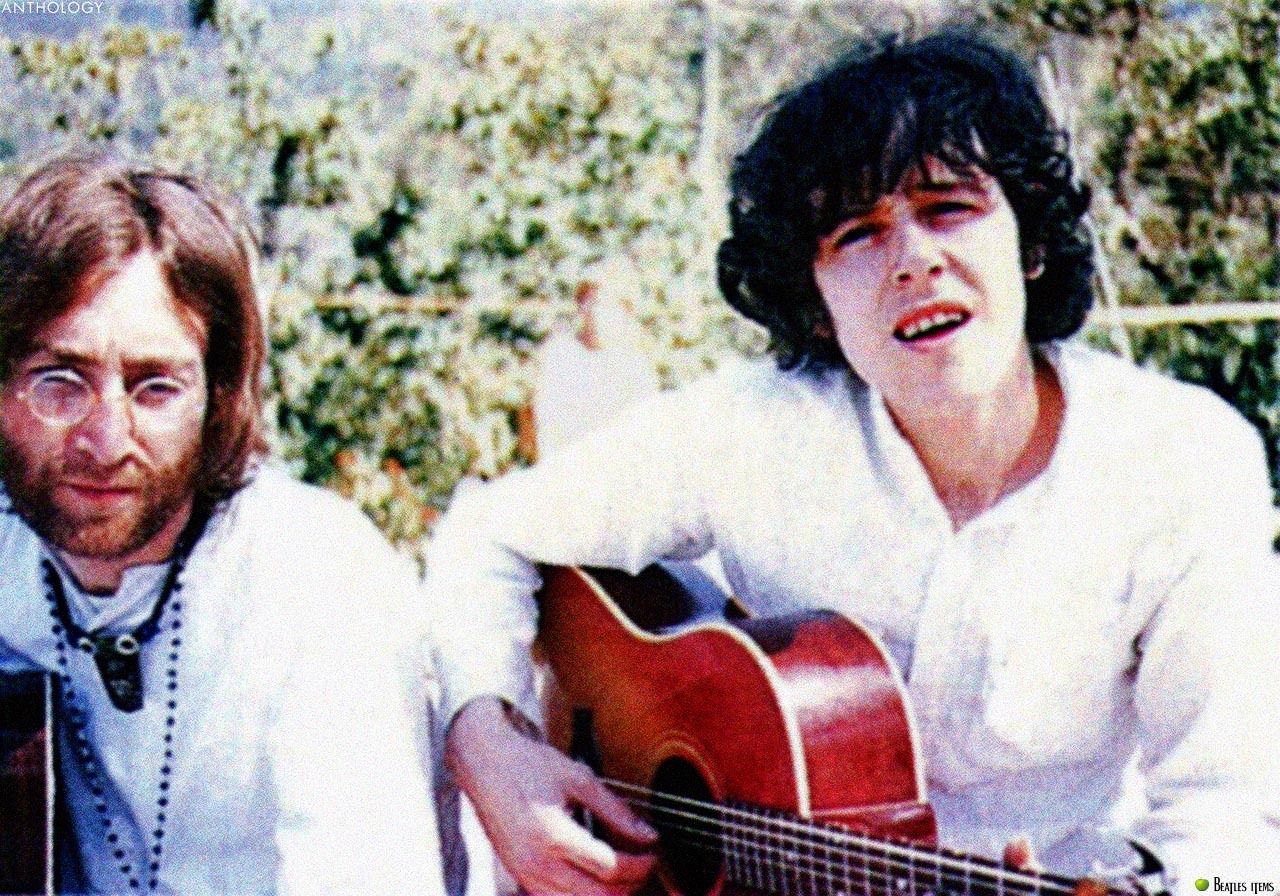
Donovan was an artist with a unique voice and diverse catalog, whose career happened to have parallels to the two most influential artists of the 60’s. Like Dylan, he began his career as a folk singer, became restless, and eventually “plugged in” to more electric and eclectic sounds. Like the Beatles, he allowed Eastern mysticism to inform his songwriting, and studio experimentation to broaden his sonic palette.
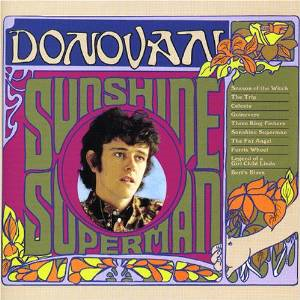
In England especially the Beatles’ influence on Donovan’s music was overestimated as the result of the delayed release of the sonically adventurous Sunshine Superman LP. While in America the album charted in September of 1966 (with the title song going #1 the same month) in England the album’s release was delayed a full year due to a dispute between Donovan and Pye Records. Quoting from Mick Houghton’s 2011 liner notes:
“For Donovan it was most frustrating, particularly since, in the UK, Sunshine Superman now appeared after Sgt. Pepper, which overnight became the landmark pop album. Yet recording with Mickie Most had commenced on December 19th, 1965 at Abbey Road and the Sunshine Superman sessions were completed during the first week of April 1966…This makes Donovan’s achievements all the more impressive considering that, as Donovan was wrapping up his masterwork, the Beatles were just entering Abbey Road studios to commence work on Revolver.”
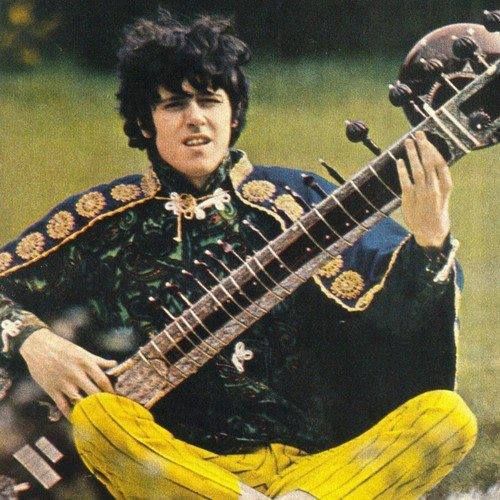
It is breathtaking to hear some of the arrangements on Sunshine Superman and to realize it was recorded at least a year and a half before Sgt. Pepper. “Celeste” is a great example. A bed of organ, sitar and mellotron (Donovan used one before the Beatles or the Moody Blues) is joined in the instrumental section (2:05) by harpsichord and glockenspiel.
Again: 1966. A sitar, mellotron, harpsichord and glockenspiel arrangement. On other songs it was clarinets, oboes, vibes or a small string section. This was as progressive as anything in pop at the time.
Producer Mickie Most is credited with helping turn “Folkie Donovan” into “Groovy Donovan”, but Most’s strength lay in creating hits, and the truth is it was Donovan who heard the harpsichords in his head. So Most brought arranger John Cameron, who had jazz and classical sensibilities, on board to score the complex arrangements. At times it got so carried away it became Most’s job to thin out an overly ambitious arrangement, and make a commercial record.
For another example of the exquisite baroque-pop sound they created–pre-“Eleanor Rigby”–check out the 7-minute “Legend of a Girl Child Linda”. Even if you don’t fully follow the song’s storyline, you’ll surely agree this is not the work of anybody’s imitator.