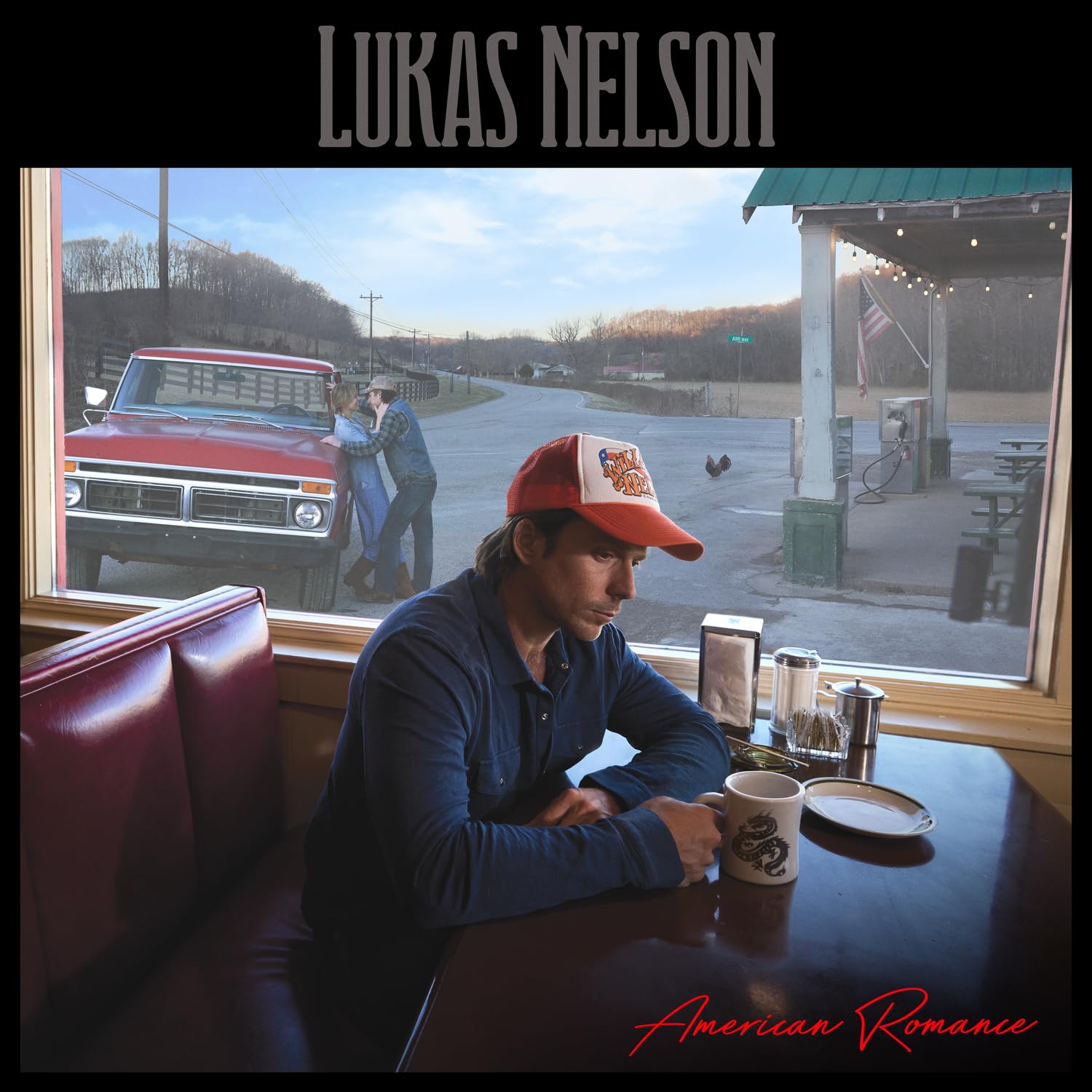
On “Born Runnin’ Outta Time”, Lukas Nelson, who’s been making records with his band Promise of the Real and/or performing in his dad Willie’s band for about a decade and a half, wonders if his best years were given to the road life of a musician.
It’s about the inescapable sacrifices made in the pursuit of one’s ambitions. Indeed, a listener might hear Lukas’ song as the inevitable, somewhat penitential sequel to his dad’s “On the Road Again”.
Songwriters talk about a lyric that “sings well”. This song’s syllables roll along like a smooth ride on a newly paved highway. It “sings” extremely well.
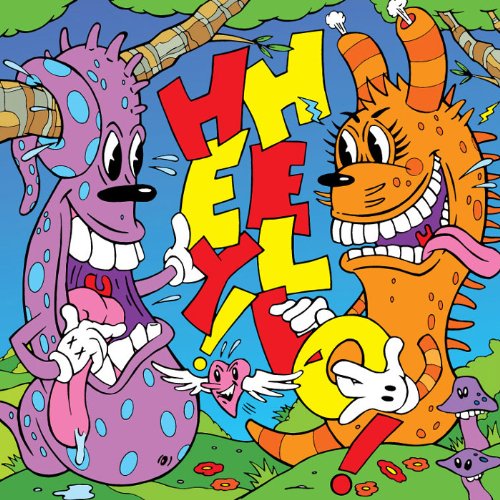
Described by AllMusic as “an album that’s ridiculously big, overblown, and super fun”, the self-titled debut by international power pop band Hey! Hello! went to number 1 on the UK rock chart, and the hooky “Swimwear” is a prime example of why.
The album was a collaboration across the Atlantic, with English singer-songwriter Ginger Wildheart recording guitar, bass and drum parts and sending them to New York for Victoria Liedtke to add her vocals.
“Musicians’ musicians” the Empty Pockets have toured or performed as backing band for Al Stewart, Gary Wright, Richie Furay and Kenny Loggins among others.
But the Chicago band have topped the U.S. Billboard Blues chart twice in their own right, including with 2022’s Outside Spectrum.
The sound here is relatively stripped down, effects-free, and reliant on virtuosic performance, which the Pockets can cetrtainly deliver.
In the live performance below, they unassumingly demonstrate the commonality the song’s chord sequence shares with other better-known songs.
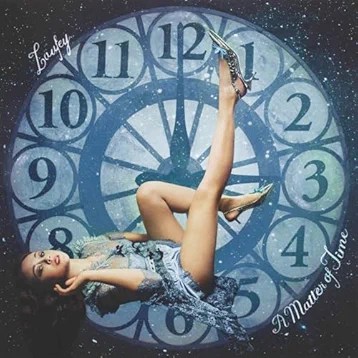
Whatever the leanings of your playlist, Laufey’s bossa nova-inflected “Lover Girl” will leap off it as it did from the collection of rather mundane mainstream pop on which I first came across it.
Is the American pop music scene of 2025 broad enough to encompass an Icelandic-Chinese jazz-influenced cellist who sings like Peggy Lee?
Seems unlikely.
But if her accomplishments in her brief career’s span are any indication, Laufey (pronounced LAY-vay) isn’t someone to doubt or dismiss. To wit:
She was a cello soloist in the Iceland Symphony Orchestra at age 15.
She was a finalist on Iceland’s Got Talent in 2014.
Appearing on The Voice Iceland the following year, she was the youngest contestant in the history of that show.
She graduated from the Berklee College of Music in Boston.
(NME.com)
In 2020 her debut single “Street by Street” charted at number one in Iceland.
Her debut album Everything I know About Love led to a sold-out headlining North American tour.
Her second album Bewitched won the Best Traditional Pop Vocal Album Grammy Award in 2024.
In addition to her ability to render lushly arranged Chet Baker- and Billie Holiday-inspired jazz pop with a pitch-perfect, technically flawless voice; Laufey is effortlessly adept on cello, piano and guitar.
Her goals? “Bringing jazz back to my generation” and “doing for jazz music what Taylor Swift did for country music”.
Is it possible? Stay tuned. She’s not off to a bad start.
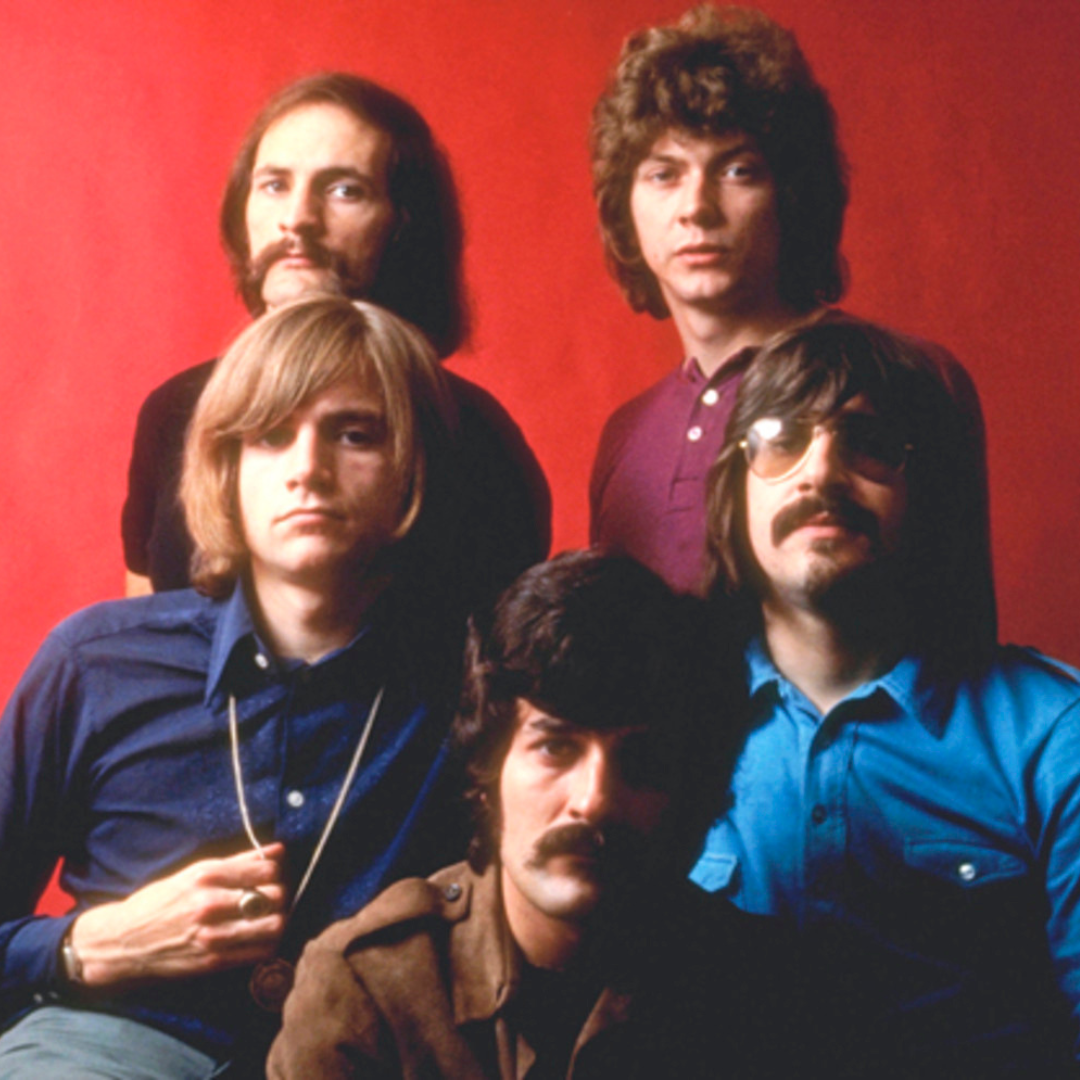
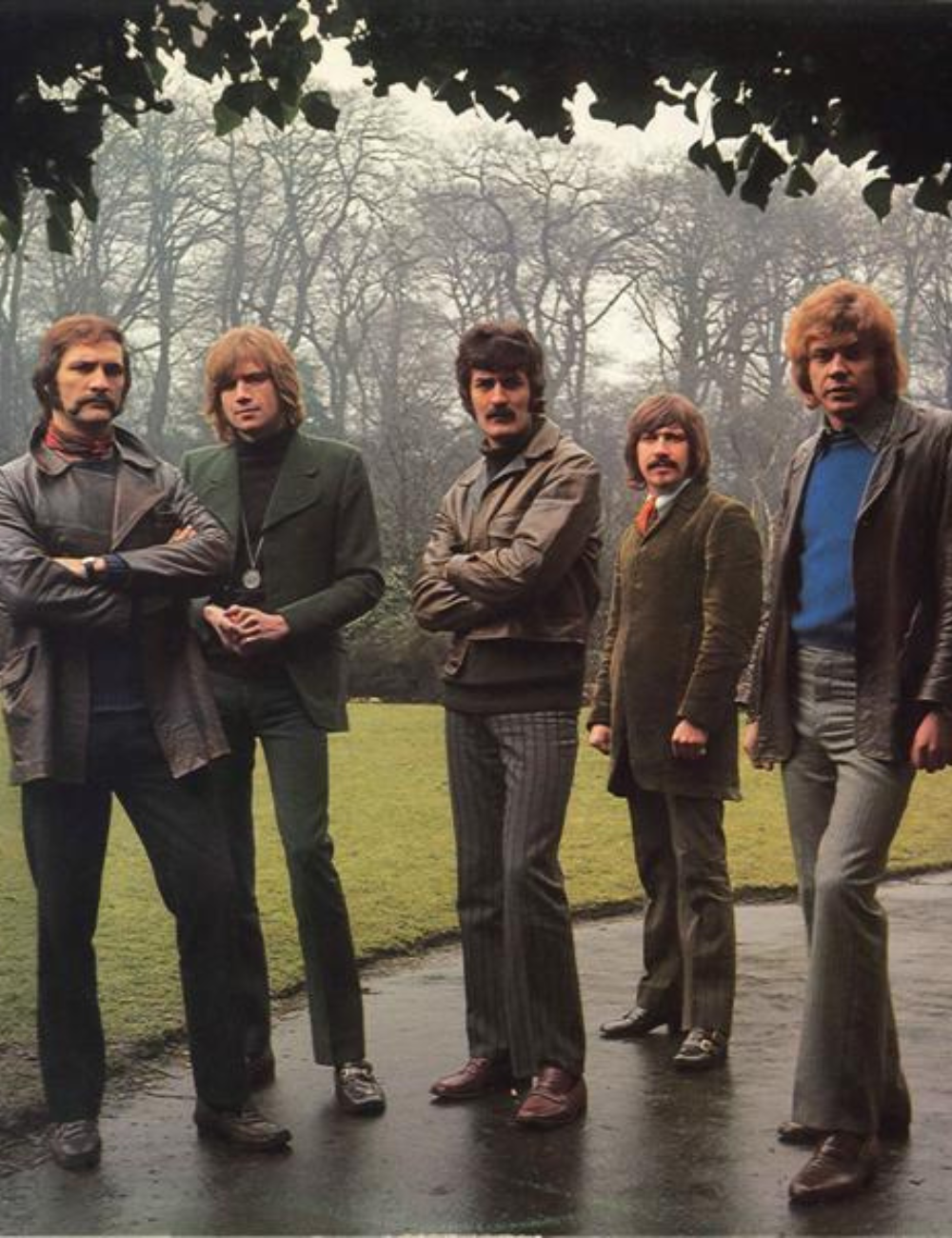
It’s hard to articulate what the Moody Blues have meant to me for the great majority of my life.
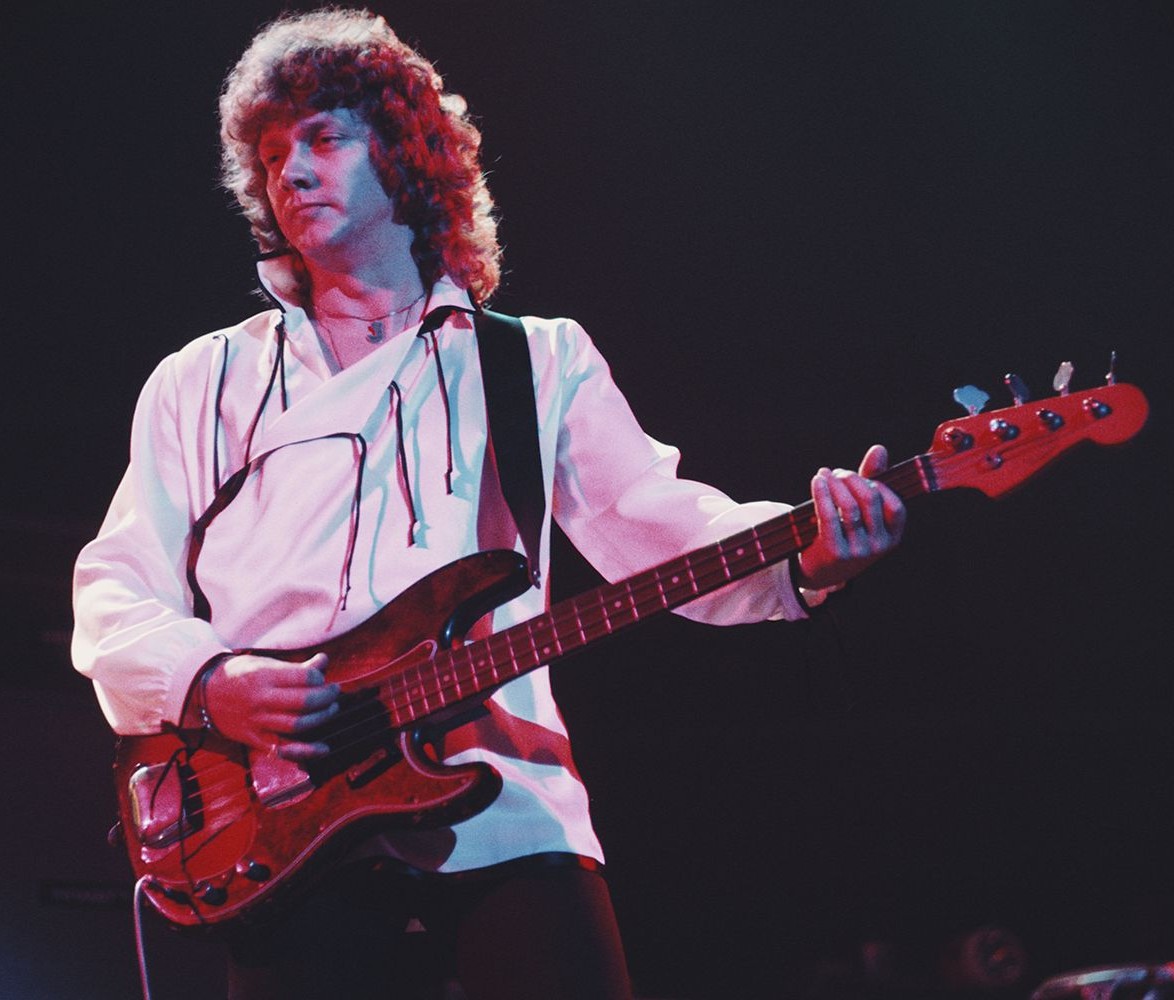
But on the occasion of the loss of singer/songwriter/bassist John Lodge, it seems like a good time to try.
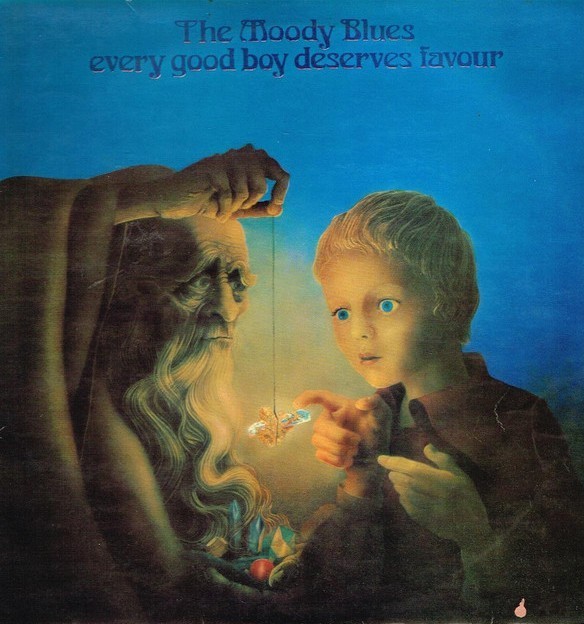
Basically, since the day my older brother gave me a copy of the band’s 1971 album Every Good Boy Deserves Favour, no band or artist has been more important in my life.
So many things about the Moodies were different from anything I’d heard before.
The conceptual albums with each song fading into the next. The arty opening track, always a thing of musical ambition and lyrical profundity. The five songwriters, each capable of taking the lead vocals on his own material, giving each album a breadth of songwriting and vocals unmatched in rock.
That gorgeous, otherworldly vocal blend, with John Lodge’s falsetto on top:
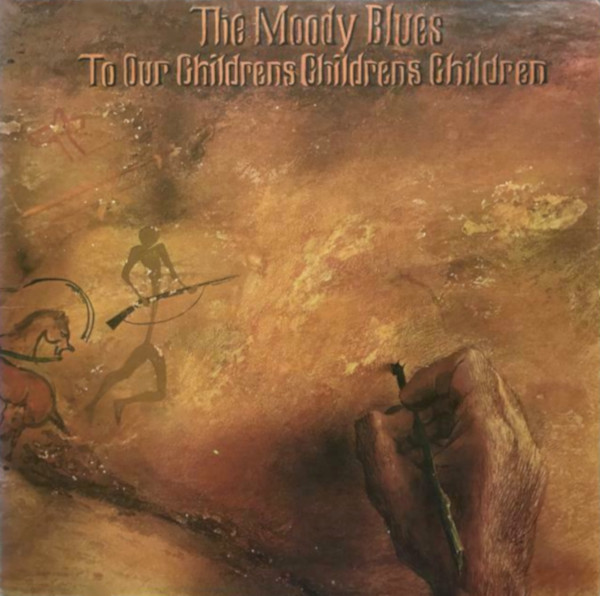
To my young ears it was a revelation. The kind of music perfectly suited for the experience vinyl records allowed, and the best vinyl records demanded. I absorbed Moody Blues albums, one after another, total immersion style–often lying on my bedroom floor with headphones on, gatefold album cover spread in front of me, reading the lyric sheet, pondering the album cover art. Doing all the things that made it a richer experience than a kid today can get from a download or a stream.
This was a stream of another kind, on which I was swept away to “far away forgotten lands, where empires have turned back to sand”.
And always John Lodge’s stratospheric falsetto was on top. And always his bass was on the bottom. He supplied both the band’s angelic corona and its rock and roll bona fides.
Each writer in the band brought his own style. Flutist Ray Thomas was the most fanciful. Justin Hayward was the band’s lead romantic and also a songwriter’s songwriter. Graeme Edge was the poet. Mike Pinder represented the band’s social consciousness.
And Lodge? Lodge was somewhat enigmatic. To a greater degree than the others he had the heart of a rocker. On the other hand, he could compose songs of such beauty they rivaled even those of Hayward.
The song he wrote on the occasion of the birth of his daughter is as gorgeous and understated a lullaby as you’ll ever hear from (just) a singer in a rock and roll band. And John the rocker had the instinct to let cello and glockenspiel accompany his tender lyric:
My daughter Emily has her name because this song–“Emily’s Song”–conveys the tender feelings of a father for a daughter better than any I know.
It was appropriate that my introduction to my favorite band was Every Good Boy Deserves Favour, because the album cover conveys the essence of my relationship with that eldest brother, who not only turned me on to the Moody Blues but to many of my favorite artists and authors. Of course, at about 9 years old your senses are keen and your emotions come in a deluge.
Nevertheless nothing has affected me as powerfully in the fifty years since than the Moody Blues and J.R.R. Tolkien–both passed along to me by that brother, the one I lost too soon. The band and the fantasy author always seemed to link in my mind. In my imagination, one was a soundtrack for the other.
So when I read years later that the Moodies themselves were heavily influenced by the author of The Lord of the Rings it all made sense. Those “far away, forgotten lands” I imagined as I listened may have been the same ones they and I envisioned when reading Tolkien.
And oh by the way, my Emily’s middle name is Arwen.
With few exceptions, each songwriter in the Moody Blues sang lead vocals on his own songs. It’s always been a point of curiosity to me that Lodge handed “Candle of Life” over to Justin Hayward to sing. But in this case I think it was the right choice. And John’s voice is still–as always–discernable, especially in the plaintive bridge.
RIP John Lodge. You and your four mates provided–still provide–the most powerful, inspiring, awe-inducing listening experience this listener has ever known.
There’s so much more that should be said about the magic in the music, and I wish I had time to write more at length. We all wish we could take your advice to “burn slowly the candle of life”.
But it’s not that kind of world these days. The world is spinning faster, and the days spent lying on my bedroom floor, lost in the flood of beauty from the headphones, are a memory. I have to work in the morning.
But as long as we’re around, the music will be too.
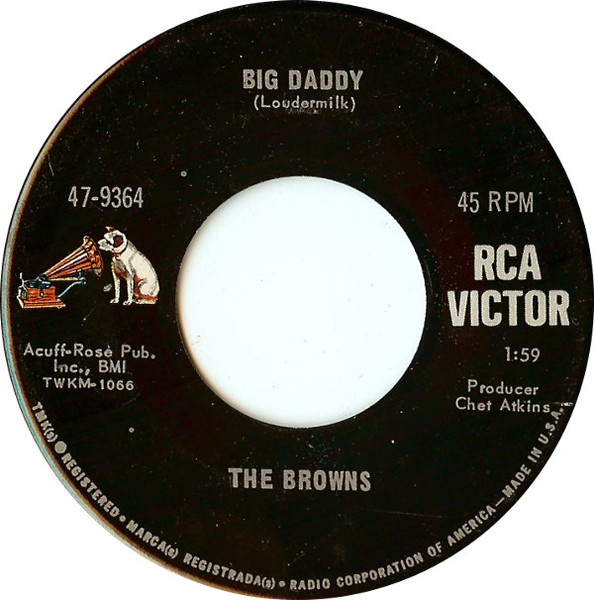
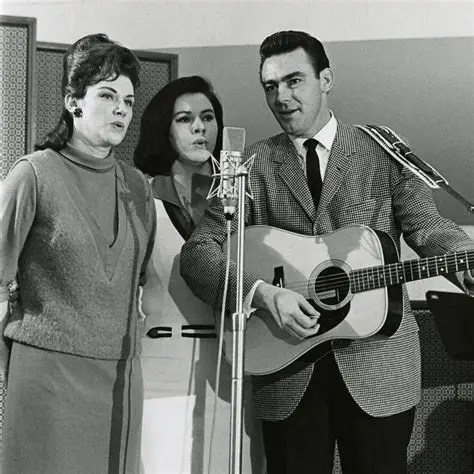
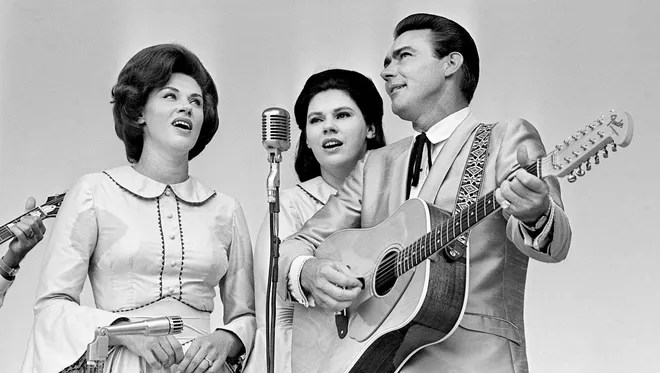
Almost a decade after country folk trio The Browns charted top 20 with sentiment-saturated fare such as “The Three Bells”, “Scarlet Ribbons (For Her Hair)” and “The Old Lamplighter”, they served up a change of pace with this John D. Loudermilk novelty tune.
Jim Ed Brown, who’d usually handled lead vocals, deferred to his sisters Maxine and Bonnie on this one. The session was sprinkled with country music royalty.
A guy named Chet Atkins played guitar. Floyd Cramer was at the piano. And none other than Ray Stevens played the trumpet that upped the fun quotient.
Unfortunately, RCA Records sat on the tape for 18 months and by the time they released this single The Browns had already disbanded.
To my ears it’s one of the most infectious ditties ever to miss the pop charts.






 Every Moment Has A Song