"There's a time in life for Hoagy Carmichael. There's a time in life for Claude Debussy. There's a time in life for Jerry Lee Lewis. There's a time in life for Destiny's Child. All these things have their moment." ~Elvis Costello
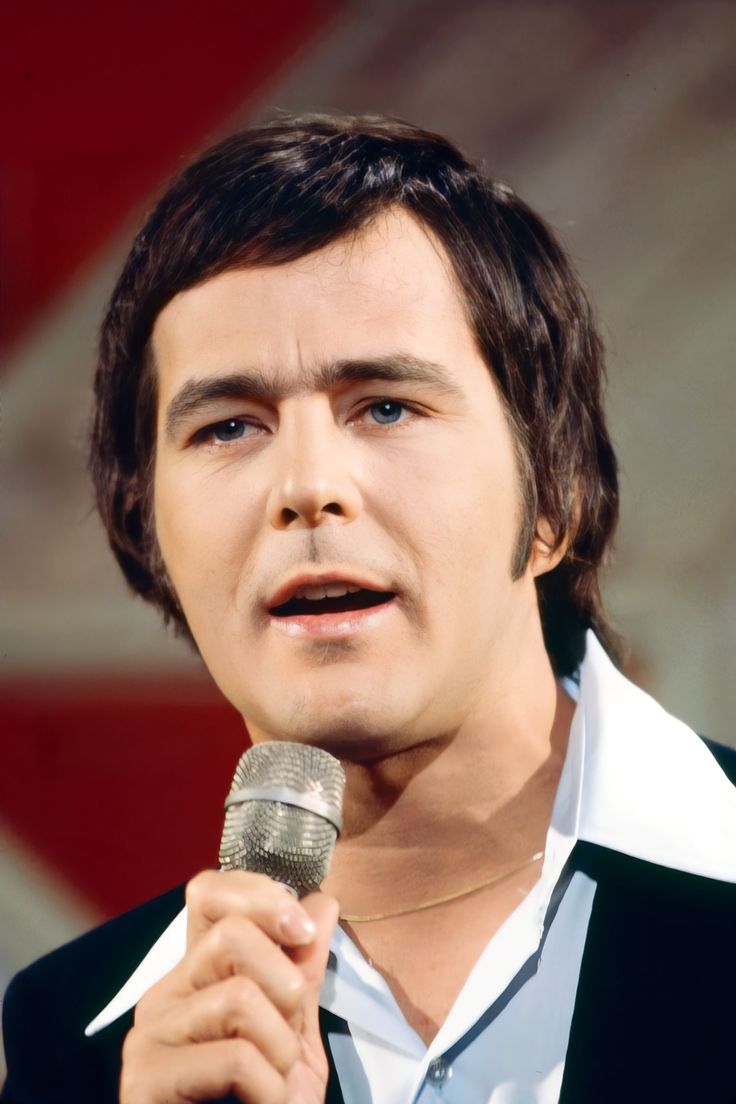
Self-taught on guitar, fiddle, piano, banjo, organ and harmonica, James Wayne Stafford did alright for himself.
Best known for a trio of 1974 hits, “Spiders and Snakes”, “My Girl Bill” and “Wildwood Weed”, his true musical talents enabled him to parlay his relatively brief comedic country success into a 30-year headlining gig at his own theater in Branson, Missouri.
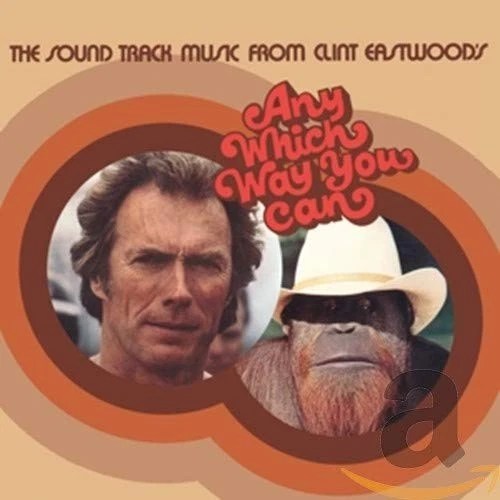
From the “Any Which Way You Can” soundtrack comes “Cow Patti”, probably a parody of Lorne Greene’s “Ringo” from 1964. (Also “Ringo” was a gunfighter ballad which had nothing to do with the Beatles’ drummer.)
Shame that over the years a parody song can be like a stick of gum that loses its parody flavor when the original object of parody has faded from memory.
Actress/singer-songwriter Emily Kinney wrote “I Went Looking For You” about the 2018 funeral of her “TV dad”, as she called Scott Wilson, who played Kinney’s character’s father on The Walking Dead.
Beyond the particulars, though, there is a universal idea most of us can relate to–that of looking for a loved one who is no longer there…or perhaps still is in some way.
I thought I felt you, and the sun was burning my skin As I climbed the stairs to handshakes and embraces I thought I saw you in the screens, or heard you in the speeches Or maybe in the tears running down your best friends’ faces
Take it in, one last look We all hesitantly stood Take a view, past the church pews I was just staring at my shoes But as expected, at the last second Paper skin and bright white hair I went looking for you, my friend But you weren’t there
I guess you’re in the heavens I guess you’re in the sky I guess you won’t be coming back to say goodbye More questions than answers Your guess as good as mine And though you’ve lived such a beautiful life It doesn’t seem fair When I went looking for you, my friend You weren’t there
There were whiskey shots and dancing Handouts with your name We all kept our composure Though the world would never, ever be the same In this life, the hits keep coming Oh, our bodies wear and tear I spent the evening circling, looking For you, my friend But you weren’t there
I guess you’re in the heavens I guess you’re in the sky I guess you won’t be coming back to say goodbye More questions than answers Your guess as good as mine And though you’ve lived such a beautiful life It doesn’t seem fair When I went looking for you, my friend You weren’t there
Beautiful melodies spill out of Dominican singer-songwriter Juan Luis Guerra with every release. The fact that he hasn’t appeared more frequently on this site isn’t indicative of a lack of great material to showcase; it’s more a problem of narrowing it down to which of his sublime bachata ballads or irresistible merengue dance numbers to feature.
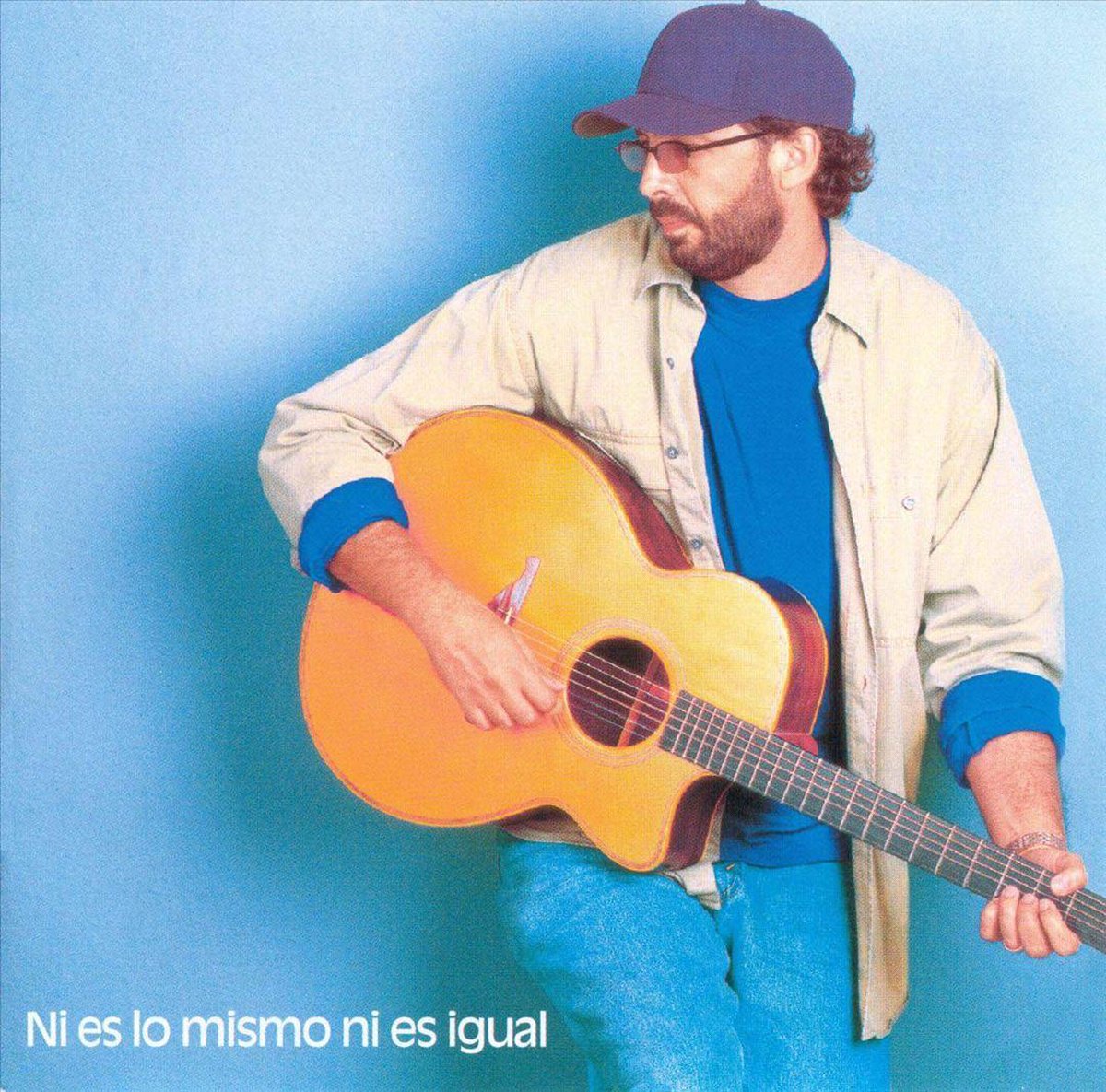
Guerra’s 1998 Ni Es Lo Mismo, Ni Es Igual (Neither Is It the Same Nor Is it Equal) album ended a four-year hiatus from recording following his conversion to Christianity.
The record received nominations in four categories at the first annual Latin Grammy Awards and won Best Merengue Album.
“Palomita Blanca” (“White Dove”) was the album’s second single and one of many gorgeous ballads in Juan Luis Guerra’s ever-growing catalogue.
I will tell you: I am so happy when I am close to you that I do not get used to it, if I do not hear the green of your voice, you see nothing is the same everything is cold if you are not herewhite dove, carry my song on your wings.
CHORUS Tell her that the nights haven’t been silent, they talked about love and haven’t left, tell her that I love her and that I miss her, that I haven’t forgotten and that I’ve suffered
I already know my mistake, but I understand that love forgives everything and never ends, sweetheart, you see nothing is the same everything is in vain if you’re not here White dove, carry my song on your wings
Tell her that the nights haven’t been silent, they talked about love and haven’t left, tell her that I love her and that I miss her, that I haven’t forgotten and that I’ve suffered
And a seagull of light Among the waves of the sea, It gathers the blue that I did not know how to give you And a dawn with kisses of yours
Donovan wrote his top 5 hit “Hurdy Gurdy Man” in Rishikesh India, as he tells the story in this live version, which includes a previously unrecorded third verse contributed by Beatle George Harrison.
Donovan has said he originally wanted the song to be recorded by Jimi Hendrix, and it’s not far-fetched given the studio session that produced it included three guys named Page, Jones and Bonham, and may have been responsible for the formation of Led Zeppelin.
There’s no electric guitar bombast here, however.
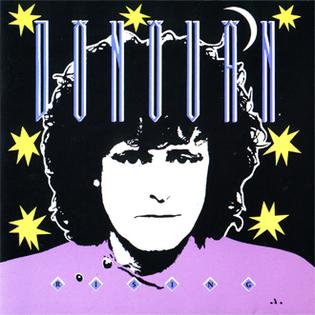
This version is from a live album, a live compilation really, variously titled Donovan Rising, The Classics Live, 25 Years in Concert, and Atlantis, depending on the continent–confounding for the pre-internet vinyl collector. (I collected it at least twice).