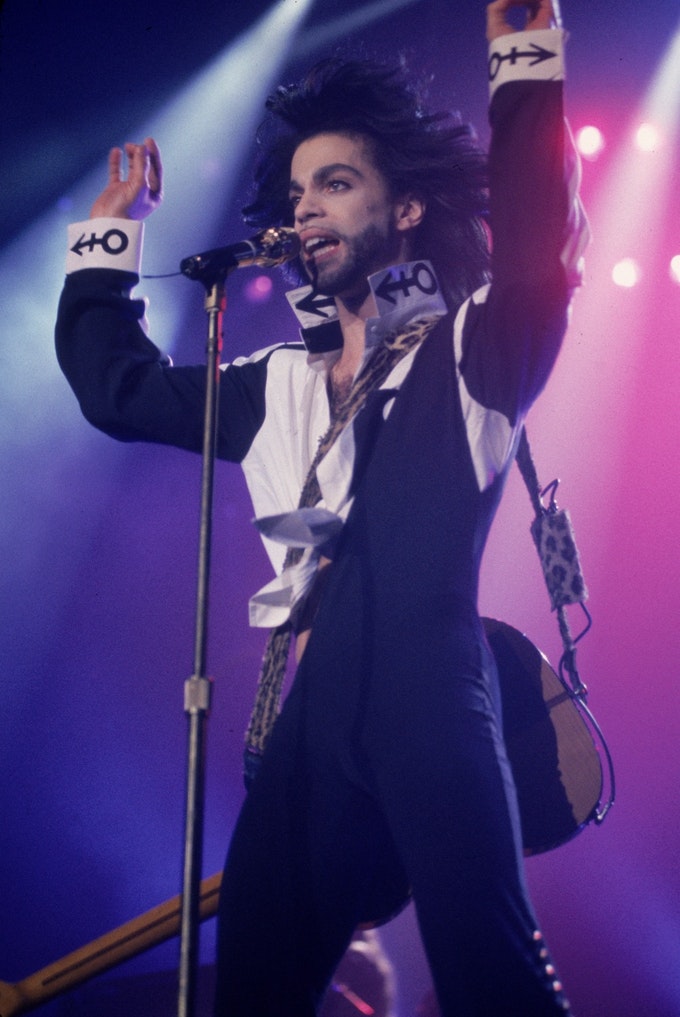
While I can appreciate a titillating suggestive lyric in a pop song, I believe even the low-minded can be artfully rendered. And I’d argue that the man most associated with lyrical sexual innuendo was hardly its most literate or proficient practitioner.
Prolific? I’ll give him that. It’s almost be simpler to name the Prince songs that don’t feature bawdy double entendre than it is to give examples of his, uh…dirty mind. I won’t bother.
Popular? A hundred million sold, as McDonald’s used to say.
I’m just here to say he sucked at it.
So if you think
Cream Get on top Cream You will cop Cream Don’t you stop Cream Sh-boogie bop
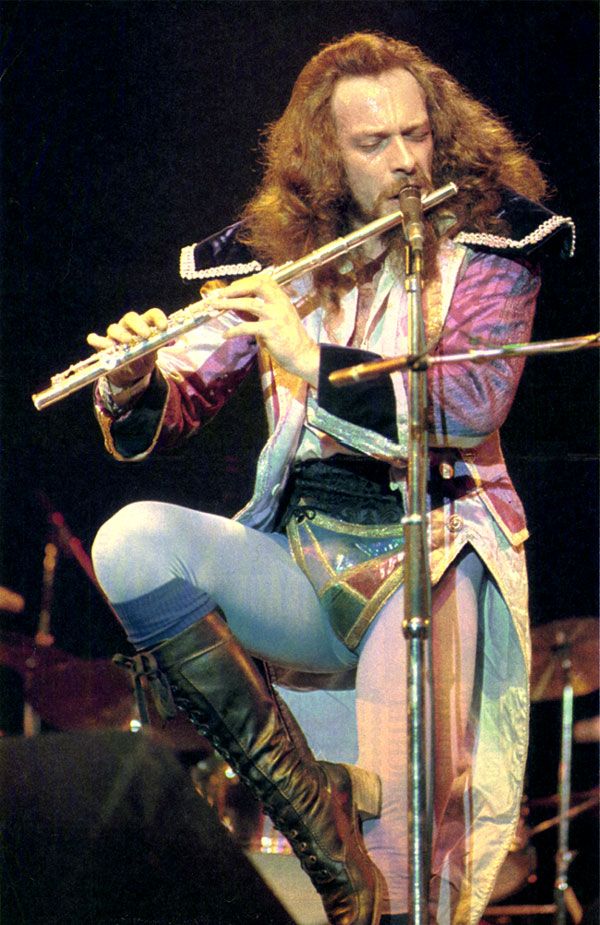
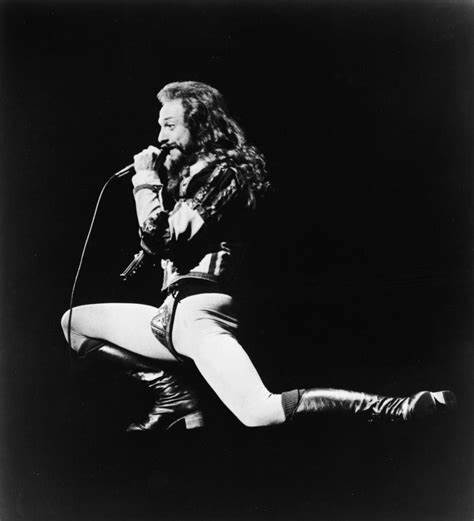
…is as high-minded as lowbrow gets, I’ll see your Purple One and raise you one Ian Anderson, front man of English art rockers Jethro Tull.
Singer-songwriter-flutist-guitarist and all around mischief maker Anderson rose to the occasion when it came to penning innuendo-laced lyrics, then set them in some of the most ambitiously ornate musical arrangements you’ll hear.
If his mind was in the gutter, his oldfangled English was strictly front parlor. His command of the language turned innuendo into high art. Check out “Hunting Girl” from 1977’s Songs from the Wood:
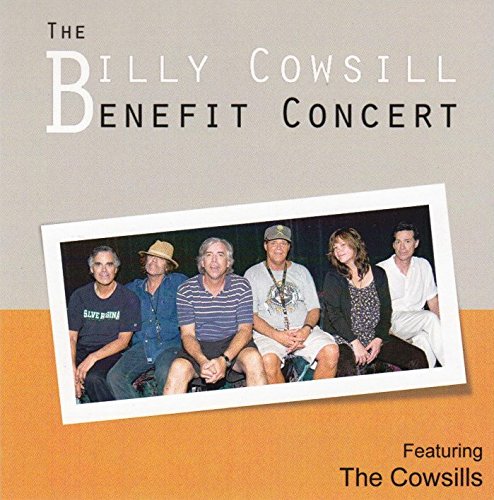
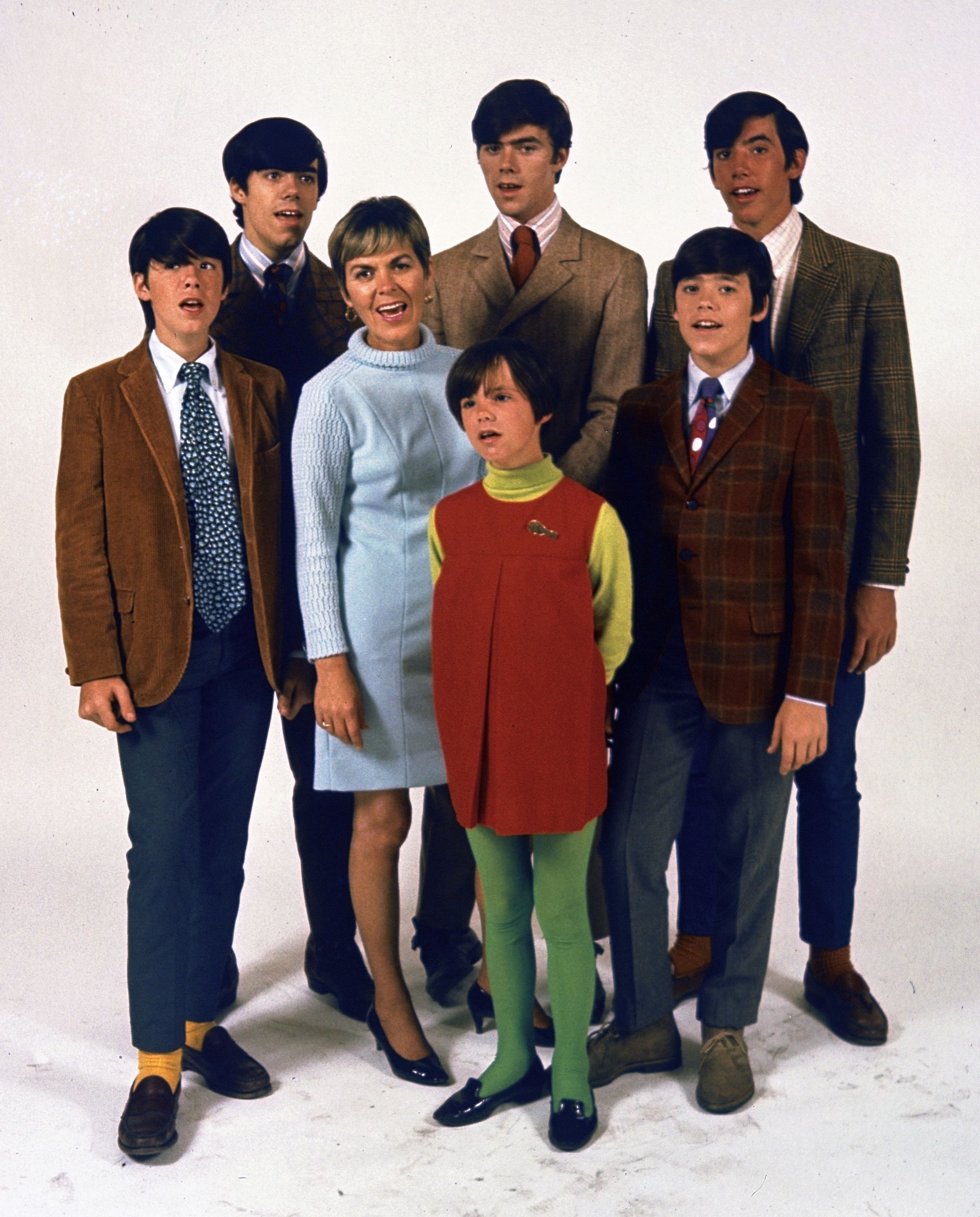
The Cowsills: The Billy Cowsill Benefit Concert (2004)
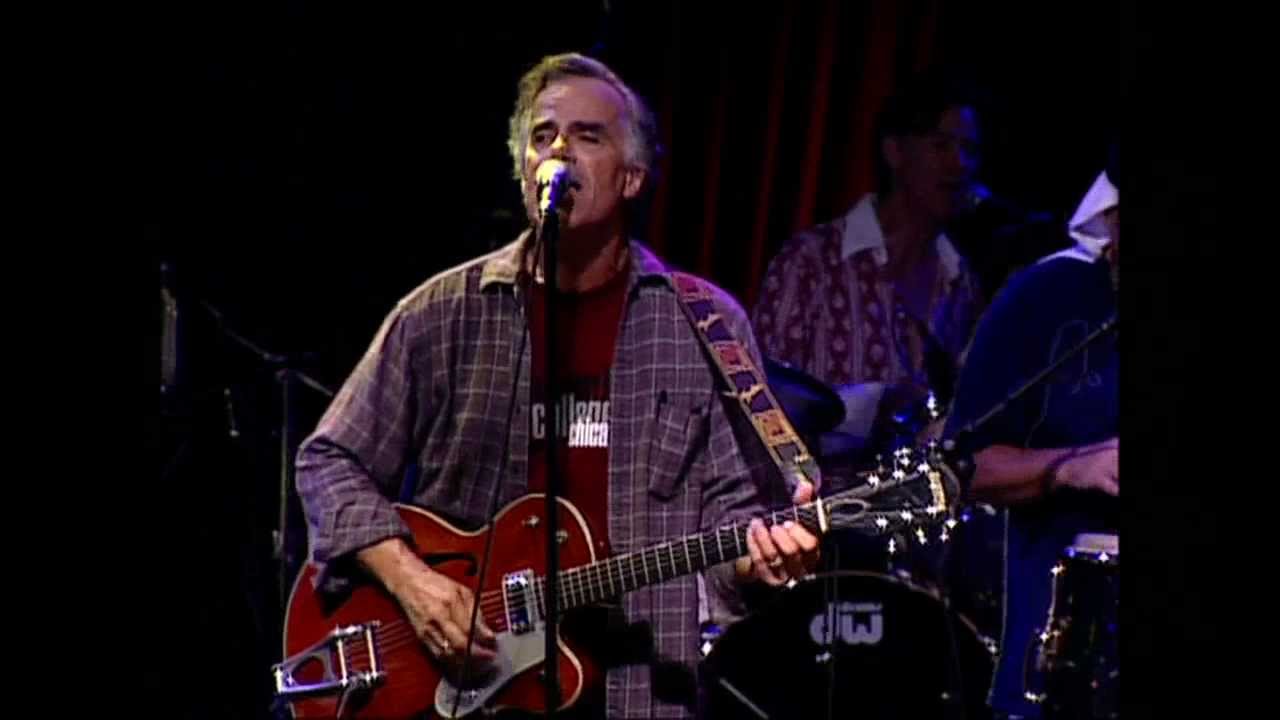
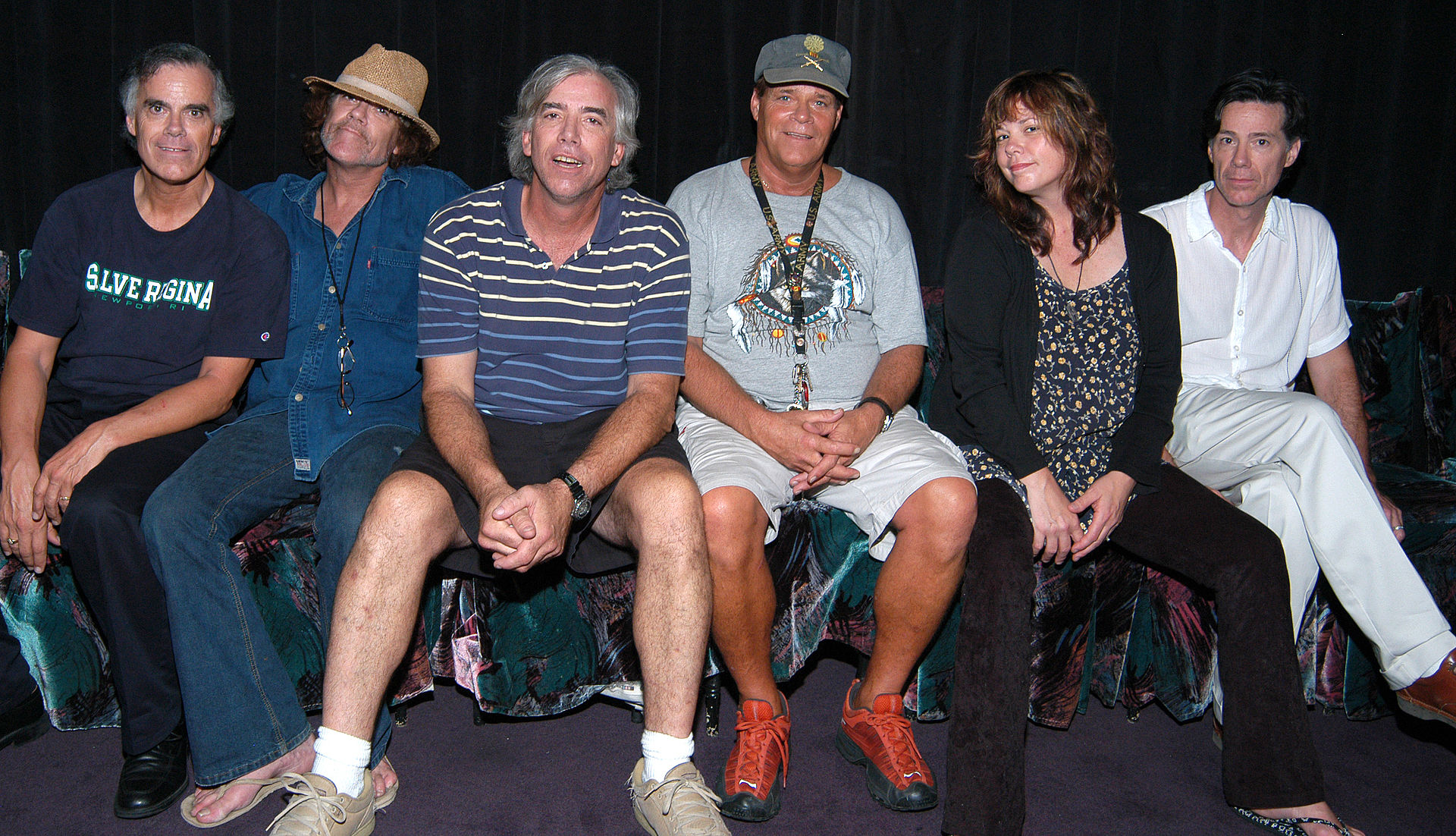
Family pop band (and inspiration behind the Partridge Family TV series) the Cowsills staged a benefit concert in September of 2004 at the El Rey Theater in Los Angeles to benefit oldest brother Billy, whose health was in decline (Billy would pass away in February of 2006, on the same day the Cowsills were memorializing brother Barry, who died in the wake of Hurricane Katrina).
The 2004 concert recording, enhanced by a little studio polish, is a document to be treasured by fans of the group, whose brief top 40 chart run lasted only from 1967-69. Treasured because there is precious little in the way of widely available audio documentation of the Cowsills in a live setting during the years when all performing siblings were still living. Treasured also because they delivered a visceral energy in a live setting that their more sterile studio recordings couldn’t match.
A prime example is the show’s curtain raiser, and their most enduring hit “The Rain, the Park and Other Things”, which perhaps sums up 1967 as well as anything from Sgt. Pepper–given a goosing here by a more prominent bass line and some sweet drum fills. The complexity of the Cowsills’ vocal arrangements may call to mind chart contemporaries like the Beach Boys. Or perhaps a better comparison would be the Mamas and the Papas.
Or “You’re Not the Same Girl”, previously released by Vancouver band Blue Northern, of which Bill Cowsill was a member. The Cowsill family harmonies make one wonder whether the Canadian top 40 hit could have been more than a footnote in America.
Sister Susan Cowsill takes the lead on “Nanny’s Song”, which she’d recorded on a solo album. The lyric–and her delivery–are simply heartrending:
And when I asked here’s what he told I want to see my son grow old
Oh, Oh, I don’t want to leave this earth Oh, Oh, I don’t want to let it go
With all the endless summer days Watching winter while it fades Autumn’s sunlight through the trees The scent of springtime on the breeze It’s real life that sets you free Can I take it all with me? Watching babies while they sleep Chasing fireflies through the streets Sleeping under star-filled skies That moment real love arrives It’s not as if I didn’t know That I’d have to let it go
“All I Really Want to Be is Me” is the group’s first-ever release, written by brothers Bill and Bob in ’66 when they were 15 and 13 years old respectively. For this performance they hand over vocal duties to the one sibling who’d never sung in the band, brother Richard. Although his singing is uh…somewhat below the band’s–or perhaps any professional band’s–standard, the song itself is a burner, with more great drum fills from John.
It has one of those elemental choruses that might make you think of a Basement Tapes-era demo Dylan would toss aside and another band would resurrect. Basic and brilliant.
Richard, for reasons not entirely clear, was kept out of the band by his father, and served in Vietnam while his brothers and sister shared the limelight. While the concert is a benefit for Bill, the family carves out a space for Richard too. You can hear a lot of love in the room.
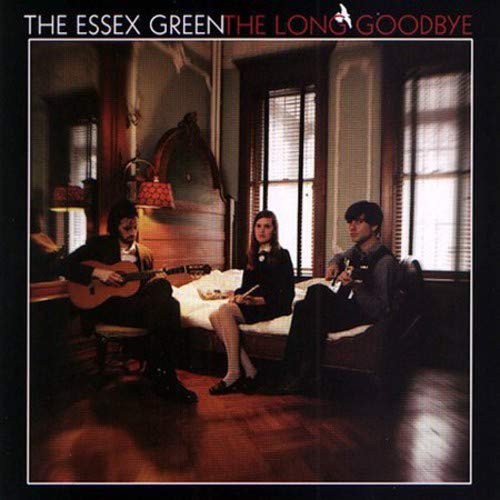
The difficult-to-categorize Essex Green swirl elements of psychedelia, chamber pop, 70’s-style folk rock and country into an intoxicating blend. They somehow evoke the feel of late 60’s psych pop more than they duplicate its actual sound–if that makes any sense.
From a band bio you’ll learn they hail from Brooklyn. But their music is like a passport stamped with sounds from jangly British invasion 60’s to sunny California, with diverse stops between.
At any rate, if they can be described as “psych pop”, the emphasis is on the pop.
Sasha Bell’s flute and vocals front a dreamy, sunlit mix on “By the Sea”. The harmonies in the bridge have Beach Boy ambitions. But equally enthralling is Bell’s lone and unadorned voice–for my money one of pop’s most beautiful.
“The Late Great Cassiopia” drives at a more uptempo speed, with handclaps and layered harmonies keeping it catchy, and “Lazy May” sees Bell in a supporting role vocally, bringing to mind the textures Neko Case brings to the New Pornographers when she isn’t singing lead.
For those who remember the era of the Seekers and Donovan, or for younger pop fans wanting to get off the beaten path a little, there’s a lot to love about the Essex Green.
“Folk-electronic-gospel” is how David Byrne and Brian Eno refer to their 2008 transatlantic collaboration, their first since 1981’s My Life in the Bush of Ghosts.
Eno says his longtime love of gospel music was initiated by Byrne and his work with Talking Heads–remember, “Take Me to the River” was an Al Green cover–and the horn charts here certainly wouldn’t be out of place on one of Green’s tunes.
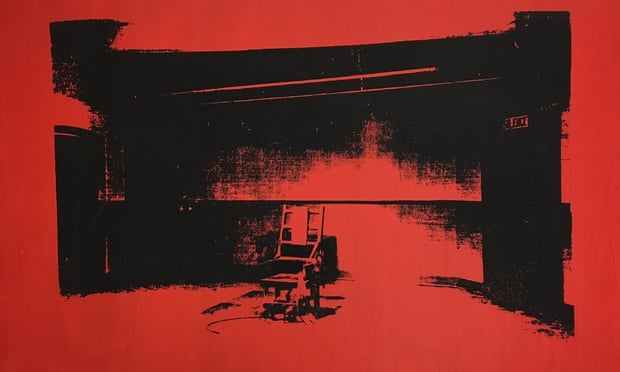
The rock star Alice Cooper has found an Andy Warhol masterpiece that could be worth millions “rolled up in a tube” in a storage locker, where it lay forgotten for more than 40 years.
The work in question is a red Little Electric Chair silkscreen, from Warhol’s Death and Disaster series. Never stretched on a frame, it sat in storage alongside touring artefacts including an electric chair that Cooper used in the early 70s as part of his ghoulish stage show.
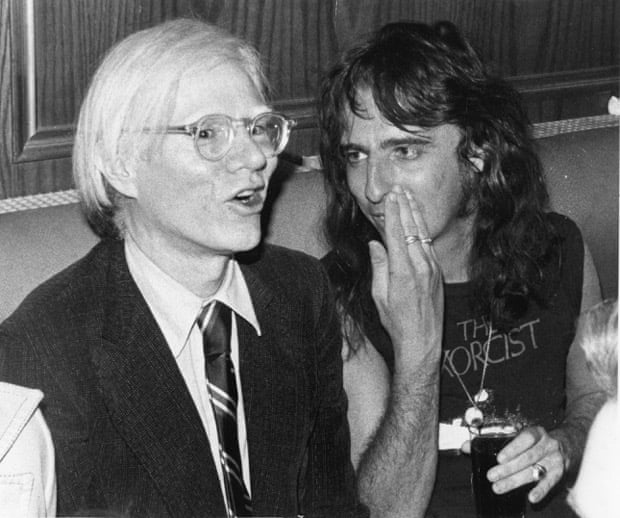
According to Shep Gordon, the singer’s longtime manager, Cooper and Warhol became friends at the famous Max’s Kansas City venue in New York City…

 Every Moment Has A Song