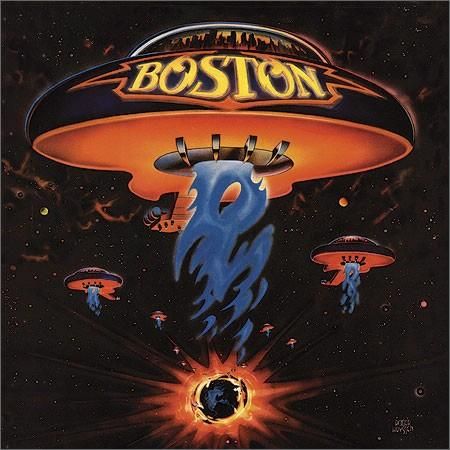
Boston: Two Tributes to the Classic First Album

Rock N’ Roll Band: What We Can Learn from Boston’s Debut Album

by S.P. Burke

http://www.magazine.tonereport.com/mag/0935566001502385839

Boston’s Debut Album isn’t a Guilty Pleasure–It’s One of the Best Records Ever

by Tim Sommer

Boston’s Debut Album Isn’t a Guilty Pleasure—It’s One of the Best Records Ever


24/192 Music Downloads …and why they make no sense

(via xiph.org) 

Articles last month revealed that musician Neil Young and Apple’s Steve Jobs discussed offering digital music downloads of ‘uncompromised studio quality’. Much of the press and user commentary was particularly enthusiastic about the prospect of uncompressed 24 bit 192kHz downloads. 24/192 featured prominently in my own conversations with Mr. Young’s group several months ago.
Unfortunately, there is no point to distributing music in 24-bit/192kHz format. Its playback fidelity is slightly inferior to 16/44.1 or 16/48, and it takes up 6 times the space.
There are a few real problems with the audio quality and ‘experience’ of digitally distributed music today. 24/192 solves none of them. While everyone fixates on 24/192 as a magic bullet, we’re not going to see any actual improvement…

Read more:

https://xiph.org/~xiphmont/demo/neil-young.html

Video of the Week: Why More Pop Songs Should End with a Fade Out

The Unlikely Return of Cat Stevens

Photograph by Matt Writtle / eyevine / Redux

(via The New Yorker) By

n a Cat Stevens, a.k.a. Yusuf Islam, a.k.a. Yusuf/Cat Stevens, concert in Boston a couple of years ago, there was a hushed pause in the room as the then sixty-six-year-old performer waited for a stagehand to bring him a guitar in between songs. “I’m really happy to be here!” the singer suddenly exclaimed. It did not sound like ersatz show-biz banter; it sounded humble, childlike even, as if he himself were surprised by the emotion. It sounded like capitulation. The crowd, in response, rose to its feet en masse, producing a sound that was more than just a cheer. It was an embrace. It was an acknowledgment by artist and audience alike: Cat Stevens, a figure who, for all intents and purposes, had ceased to exist more than three decades ago, had come back…

Read more:

https://www.newyorker.com/culture/culture-desk/the-unlikely-return-of-cat-stevens

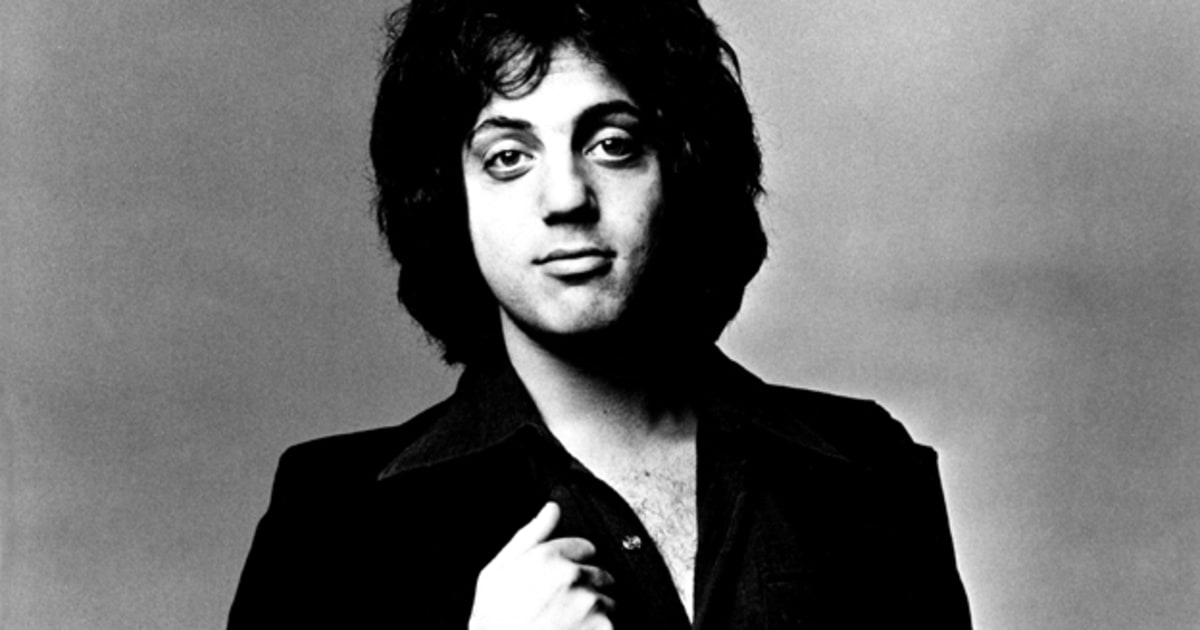
Billy Joel’s 5 Stages of Grief

by Kevin McElvaney

Denial. Anger. Bargaining. Depression. Acceptance.

Swiss psychiatrist Elisabeth Kübler-Ross introduced these Five Stages of Grief in her 1969 book, On Death and Dying. And though the theory was never fully embraced by the scientific community, it did take hold in the popular imagination. In the nearly five decades since its conception, the Kübler-Ross model has been applied not just to death, but to loss of all kinds — ultimately becoming a familiar trope in countless movies and TV shows.

Contrary to popular belief, the author herself never claimed that these five stages happen to everyone, nor that each person experiences them in a predictable order. Still, there’s something comforting about the notion that loss can be overcome, if only we’re patient enough to wait for that elusive fifth step.

At the risk of further watering down an already misunderstood concept, here again are the Five Stages of Grief: this time, told through the songs of the “Piano Man” himself, Mr. Billy Joel…

Read more:

http://www.articulateshow.org/articulate/billy-joels-5-stages-of-grief
Video of the Week: How a Recording Studio Mishap Shaped 80’s Music

Previous Older Entries Next Newer Entries