The Bangles made a return in 2003 with their Doll Revolution album, fifteen years after their previous LP, sounding like they hadn’t missed a beat.
Oh, and for some reason the album was their first to be officially credited to The Bangles. Previously, although everyone had called them The Bangles, their official name was actually just Bangles. Kind of like Eagles and Eurythmics.
Alternative country, or “alt-country” (or Americana, or No Depression, or Insurgent country) was apparently as difficult a genre to name as to define. Basically it’s a country-rock hybrid that got its name during (and probably because of) the “alternative rock” branding of 90’s rock music. (Why bands like R.E.M. and U2 got labeled “alternative” in the first place I’ll never understand, but that’s another matter.)
The sound of alt country could be pretty diverse: some of it sounded like traditional honky-tonk country music, some leaned toward bluegrass, some was essentially rockabilly, and some could almost be called contemporary folk. But most music that fit the loose heading (or many headings) seemed to share a lo-fi aesthetic and a heartfelt lyrical style that eschewed the clichés of mainstream pop. Steel guitars didn’t hurt, either.
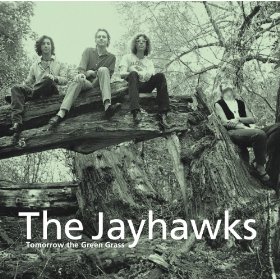
The Jayhawks, who actually made their first album in 1986, are considered to be among the godfathers of the movement. By the time of the release of 1995’s Tomorrow the Green Grass LP which included “I’d Run Away” some would claim they were already verging on jumping the shark of alt country for a lighter, more pop-leaning sound. But as far as I’m concerned the record is among their very best work–and the band is my favorite in the genre.
Seldom given their due as one of the great classic British progressive rock bands, Camel produced some sublime work in their peak years, which intersected with Dark Side-era Floyd and the Peter Gabriel-fronted Genesis.
Moonmadness, Camel’s fourth LP and the last by their classic lineup (Andrew Latimer, guitar/vocals/flute; Peter Bardens, keyboards; Doug Ferguson, bass; Andy Ward, percussion) doesn’t boast the eccentricities of early Genesis or the druggy, languid, exquisite despair of Dark Side of the Moon. But this record stands alone in its gently intoxicating jazz rock fusion, a sound that evokes the grandeur of the ethereal and the celestial. Camel could rock, but most of this album was given to creating a downysoft bed of music textures, a fertile sound scape for the listener’s imagination, a magical musical dream.
Moonmadness lends itself to active or passive listening. This album’s soothing sound makes it one of my favorite things to fall asleep to. But it’s a layered collage of excellent musicianship for the engaged listener to appreciate. Latimer’s guitar playing is tasteful and impeccable–he’s really one of 70’s rock’s unsung guitar heroes. And once drummer Andy Ward’s tasty embellishments coax you to follow the drum track through “Song Within a Song” and “Another Night”, you’ll never be able to unhear it.
We should own music for every occasion and mood we cycle through in life. This isn’t dance music, workout music, or music to motivate you as you clean your house. But for the pensive Sunday afternoon, for the walk under starlight, for the minutes before you drift off to sleep, Moonmadness is the ideal thing. If you’re acquainted with the iconic 70’s art rock albums and want to go a little below the surface of the genre, give this one a fair listen. It might be that lost masterpiece that’s awaited your discovery.
Benjamin Gibbard: “Something’s Rattling (Cowpoke)” (2012)
Ben Gibbard is best known as lead singer of indie rock band Death Cab For Cutie (a band which by the way took its name from this The Bonzo Dog Doo-Dah Band song, which appears in the Beatles’ Magical Mystery Tour film:
and for having been married to Zooey Deschanel for two years.
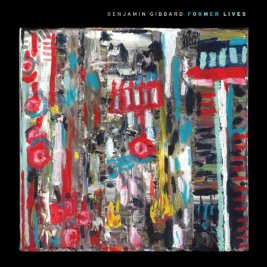
Gibbard was also a member of The Postal Service, who released one highly regarded album in 2003. “Somethng’s Rattling” is from his 2012 solo debut. He mixes an old time country western yodel with a mariachi arrangement to channel Marty Robbins here.




 Every Moment Has A Song