“Earworm”–It’s Officially a Word.

Among the new words added to this year’s update of Merriam-Webster’s Collegiate® Dictionary (bucket list, f-bomb, game changer, man cave) is “Earworm”: a song or melody that keeps repeating in one’s mind. The example given on the website is  “Call Me Maybe” by Carly Rae Jepsen. Ya think?

According to Merriam-Webster, the first known use of the word was in 1802. (Hard as I try I can’t think of a song from 1802 nearly as catchy as “Call Me Maybe”)

The German word “ohrwurm” (literally translated as “earworm”) has the same definition, and certainly this is a case of English co-opting one more useful word from another language.

Now, while we’re at it…

The German language has a word for a song that is popular for a short time and then seems to disappear from favor.  It’s an Eintagsfliege (One-day-fly), named for the sort of flies that live only a few hours (in English: Mayflies). We need to Englishize (Englishify?) this word to describe all our flash in the pan songs, many of which began their life cycle as the most inescapable of earworms.
John Denver at the PMRC Hearings, 1985

The Parents Music Resource Center (PMRC) also known as the “Washington Wives” was formed in 1985 with the purpose of exerting control (“censorship” some said) over the access children had to violent and explicit music by putting warning labels on albums.

Rap music of the time was thought to be a particular threat, with rapper Ice-T specifically accused by Tipper Gore of inciting increased violence against police in Los Angeles.

On September 19, 1985 three musicians stepped to the microphone to testify. They were Dee Snyder (of Twisted Sister), Frank Zappa and…John Denver, who’d had his own music banned in some cities in the early 70’s.

Many on the PMRC committee expected the folk-pop singer to speak in support of their agenda. But instead Denver articulately stated the case against censorship saying, “That which is denied becomes that which is most desired, and that which is hidden becomes that which is most interesting. Consequently, a great deal of time and energy is spent trying to get at what is being kept from you.” (Spoken like an experienced dad)

(Snyder and Zappa were less conciliatory in tone. And Zappa subsequently responded with his Frank Zappa Meets the Mothers of Prevention album, which featured a parody of the warning label on its cover.)

Video

“Giving Her Away”: One of the Best Student-Produced Short Films You’ll Ever Watch

This blog will rarely stray from music-related topics, but I consider this a must watch. “Giving Her Away” is a student-produced 9-minute film that won awards in multiple film festivals in 2006. Enjoy, and have a tissue or two nearby.

Video

Songs You May Have Missed #197

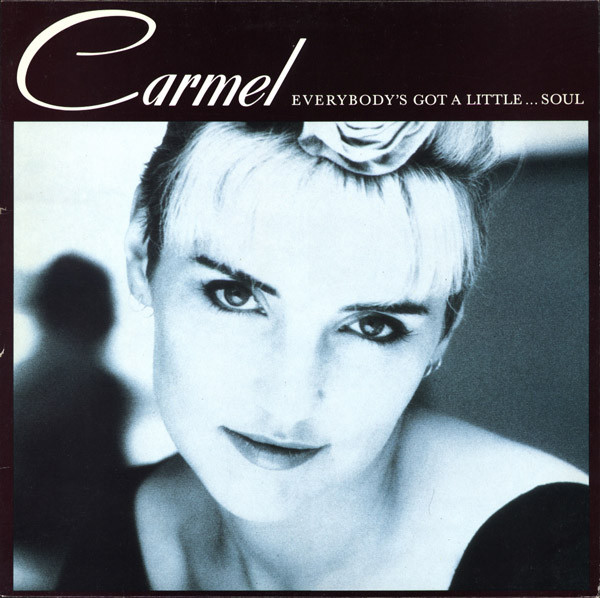
Carmel: “It’s All in the Game” (1987)

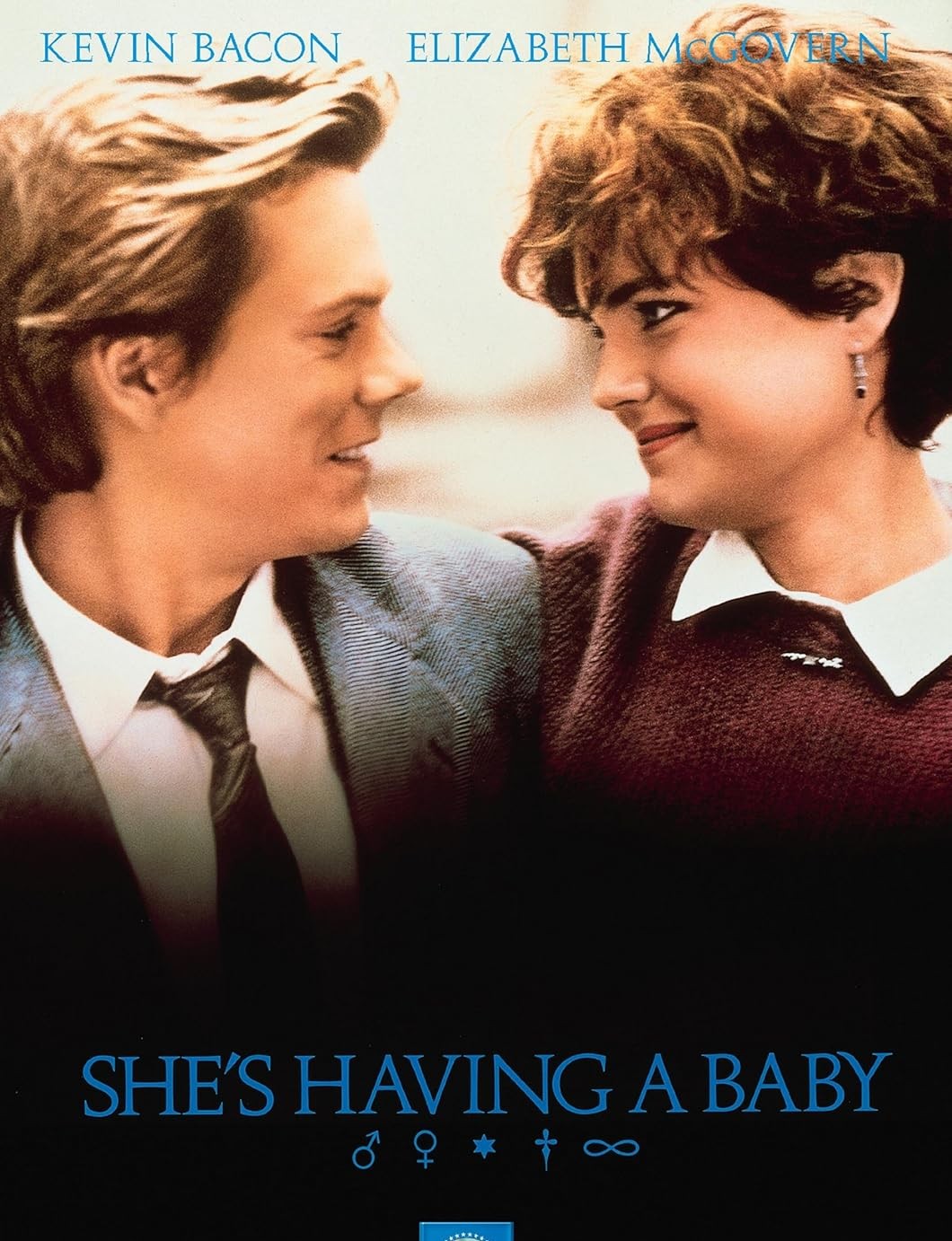
After gold record certifications for the soundtracks he scored for John Hughes coming-of-age films The Breakfast Club and Pretty in Pink, Stewart Copeland made the less-than-obvious choice of assembling music by such British acts as Kate Bush, Kirsty MacColl, Everything But the Girl and Manchester jazz-soul act Carmel for the soundtrack to She’s Having a Baby, a tale about a suburban Chicago couple.

And it came off spectacularly.

Carmel’s cover of the Tommy Edwards standard “It’s All in the Game” plays over the opening credits of this overlooked and underrated film.

The soundtrack is a classic. Copeland had a knack for choosing some of the best work these artists had to offer, as is certainly the case with Carmel’s contribution; the track is a standout in their catalogue.

Songs You May Have Missed #196

roux

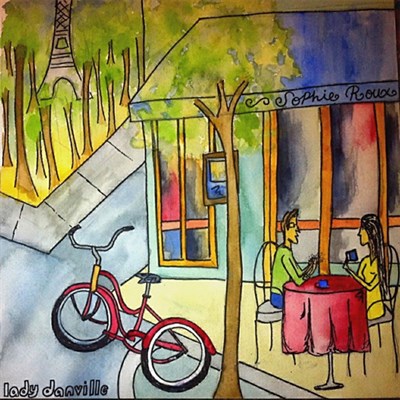
Lady Danville: “Sophie Roux” (2012)

The Los Angeles indie pop band Lady Danville don’t usually sing in French. “Sophie Roux” is a nice little one-off.

Songs You May Have Missed #195

smith

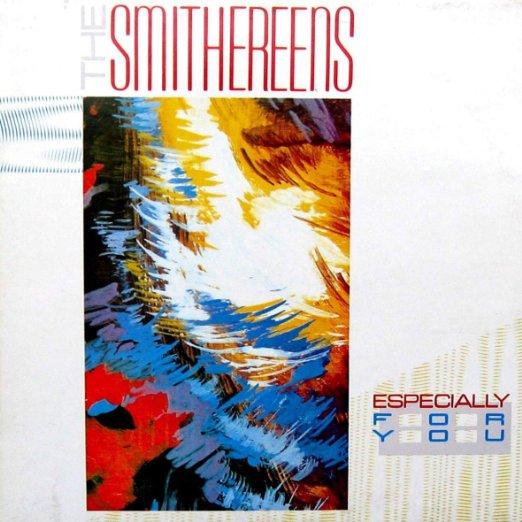
The Smithereens: “Strangers When We Meet” (1986)

New Jersey’s Smithereens were on a short list of artists (Marshall Crenshaw, Dwight Twilley, Greg Kihn and a few others) who kept the power pop thread alive in pop music into the “skinny tie” 80’s. They never really saw much chart success. In fact, “Strangers When We Meet” never charted as a single. But it might be their best song.

Previous Older Entries Next Newer Entries