UFOs, violins and killer songs – this the epic story of Electric Light Orchestra
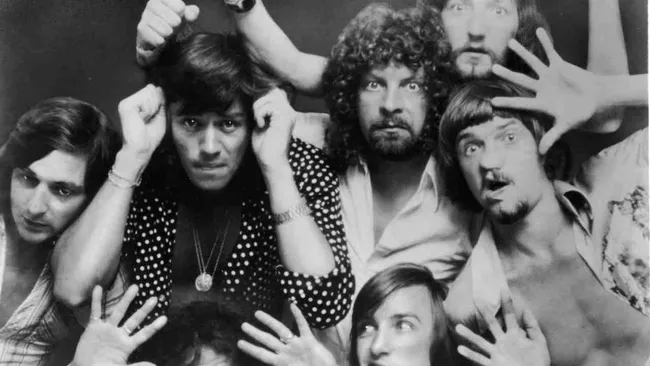
Way back in the 60s, The Move were part of a peculiar pop dynasty, huge and respected in the UK while never having quite made it in the USA. By the mid-70s this most English of bands had morphed into one of the few genuinely huge bands in the world – the Electric Light Orchestra.
By 1978 ELO were selling out eight nights on the trot at Wembley Arena during a memorable global tour. When their star shone it was with a dazzling brilliance. I was lucky enough to be hanging onto their coat-tails through the 70s as they went into overdrive and into orbit, knocking out a string of exceptional hit singles and albums.
Back to The Move. Led by eccentric pop genius Roy Wood, their single Flowers In The Rain was the first ever track played on Radio 1 when the station was launched at 7am on September 30, 1967. They were Birmingham’s Beatles.
At that time, Wood was The Move: a massively inventive pop writer, a great singer and a consummate showman. He came to dislike the limitations The Move imposed upon his creative ambitions. His canvas was bigger, more colourful, a grand, kaleidoscopic, wide-screen pop-o-rama.
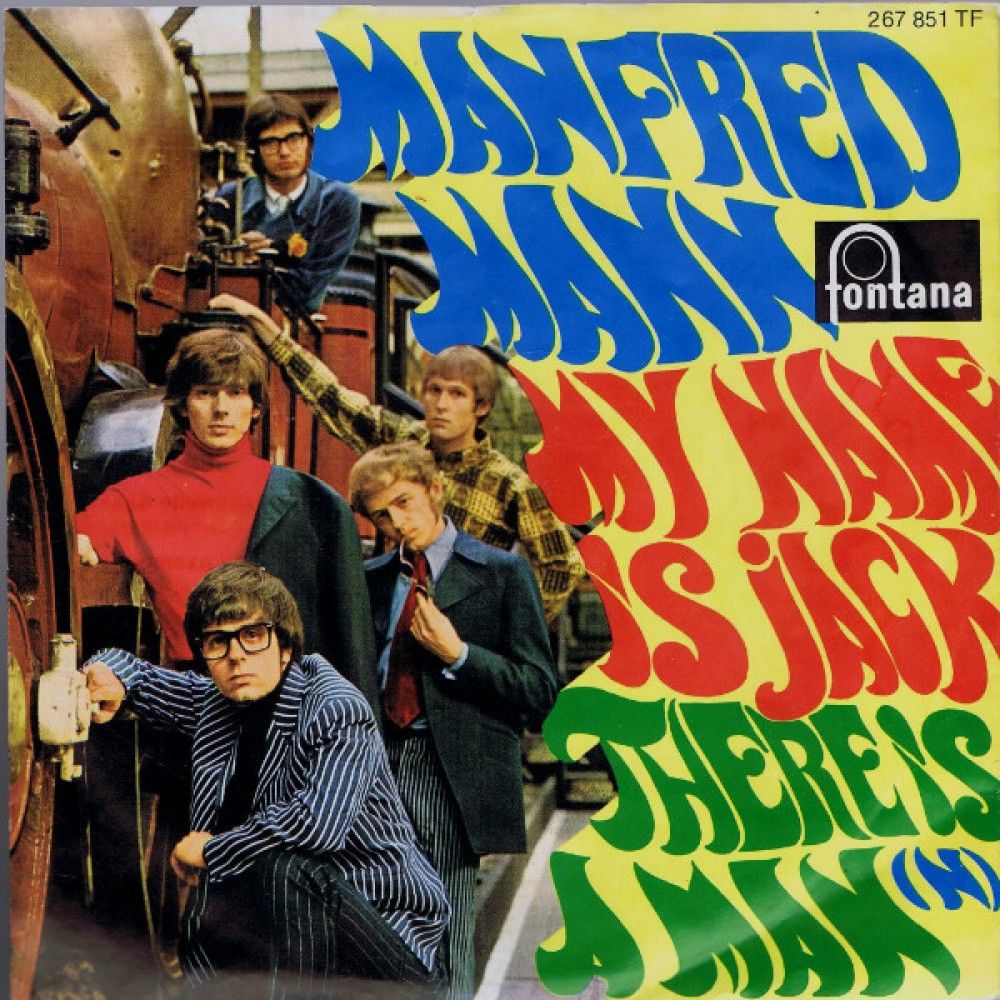
Manfred Mann’s nursery rhyme-ish 1968 single (#8 UK, #104 US) was one of the more often-played 45’s in my proud collection as a four-year-old, and more recently became a favorite of my granddaughter at about the same age.
But the more you learn about the song’s origins, the less like a nursery rhyme it all seems.
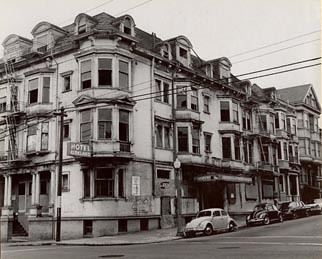
The Greta Garbo Home for Wayward Boys and Girls was a real place. San Francisco’s Kirkland Hotel, a Victorian-style hostel located not far from the Fillmore, got its nickname from a Greta Garbo poster on its wall.
The characters in the song–written by American John Simon and featured in the 1968 counterculture documentary You Are What You Eat–were also real.
“Superman” (originally “Superspade” but altered for the song’s American release) was a drug dealer.
Some reminiscences of former residents:
I remember it well. The guys who opened it were enamored of the beats and want to recreate that era. When they were first opened (with very little in the way of renovation) some of the residents found a cache of old but never worn high button shoes in the basement and soon hippie chicks all over the bay area were wearing them. The last time I was there, I went to see Betsy, a skinny southern girl and a quy I owed 20 bills to and had lost track of for 2 years. Someone told me Betsy knew where he was and, indeed, he was living on the same floor as she. By then the building was overrun with hippies and the lobby was full of runaways just hanging out (must have been 50 or 60 young kids there). There were two SFPD detectives walking around with a poster board covered with photos asking: “Have you seen any of these people”. People were freely smoking weed in front of these cops. I was told the floors of the building had been informally divided up by drug of choice with potheads on the first floor, acidheads on the second and ending up with the Meth Monsters on the 5th. As you walked the hallway you could see that every door had been kicked in at least once (management? cops? thieves?) and had hasps and padlocks on them.
And…
We got one of the rooms with a bay window – on which we painted a picture of HULK. We were scared to death that heavy dopers would crash through the thin wooden door – but the Hulk seemed to scare them away.
Our room overlooked a little deli that sold tiny loaves of bread for like a nickel. I think we lived on those. We drove a VW bus of course.
And…
Super Spade, featured prominently in the film was a friend of my older brother, who lived at 408 Ashbury, a block-&-a-half north of Haight. Bro told me Super got into dealing drugs, and got himself killed in an unsolved crime.
The Kirkland was eventually demolished, and a church was opened on the site in 1975.
It’s odd that an English band would record a song extolling the rather unremarkable real-life residents of a seedy San Francisco hotel.
It’s odder still that it would be a top 20 hit in the UK, Ireland, Austria, Germany, Australia, New Zealand, South Africa and the Netherlands but not the U.S.
But oddest of all is that this nursery rhyme of a pop song (in reality an ode to flower power gone to seed) washing back onto American shores as an obscurity, would find the eager ears of a four-year-old on the east coast in 1968, and do the same once more in the 2020’s.
From the start, Kendrick Lamar wanted to turn his life into a video game for his big Super Bowl halftime show. The team tasked with doing that knew what to do—right down to sourcing a vintage GNX.
Photograph: Darrell Jackson
(via Wired) by Angela Watercutter
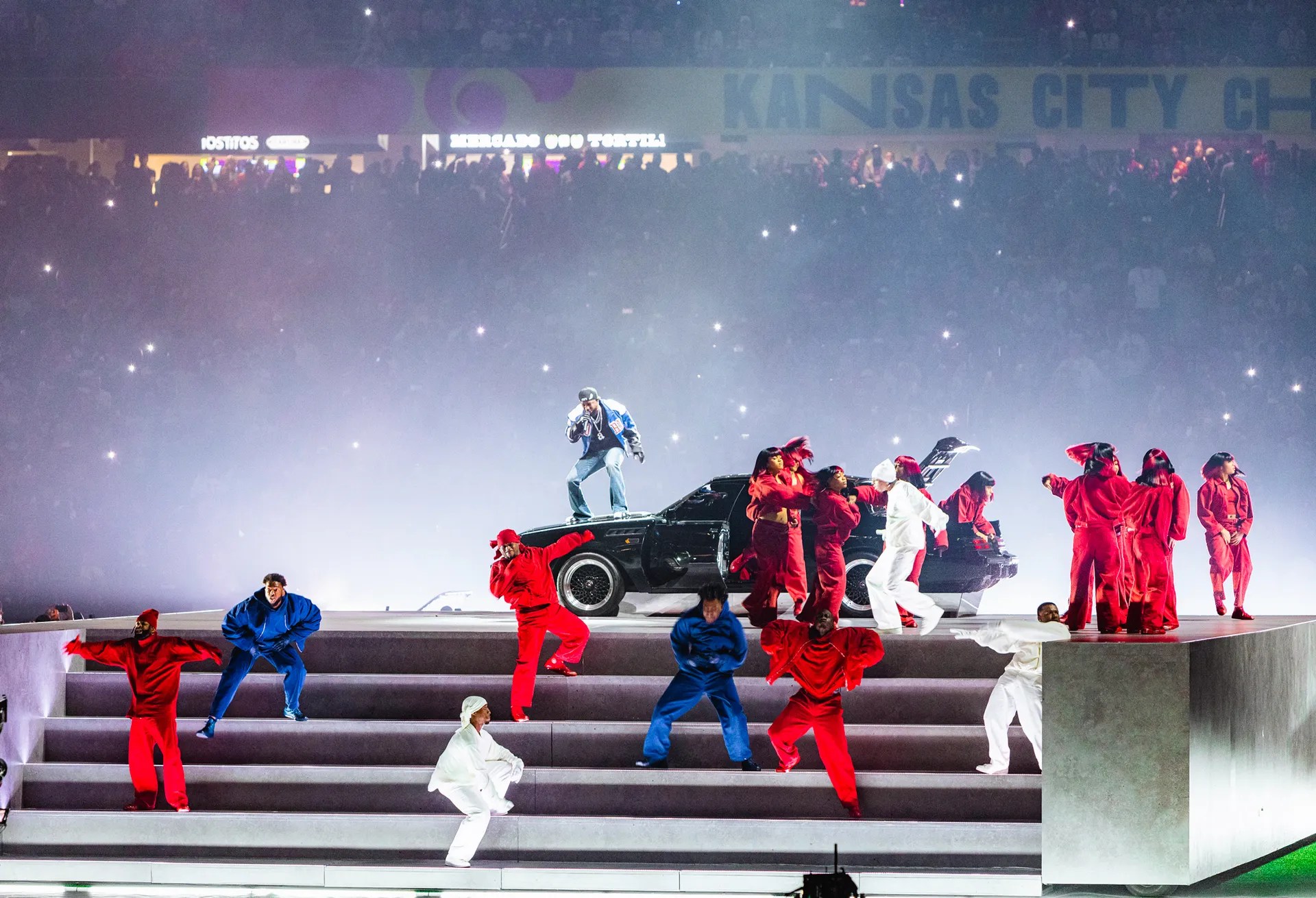
Kendrick Lamar wanted a GNX. Not the one from the cover of his new album of the same name. One that could be gutted and turned into a “clown car” for his Super Bowl LIX halftime show. That’s how Shelley Rodgers, the show’s art director, tells it. Rodgers has solved such big-stage problems for everyone from Beyoncé to Lady Gaga; she won an Emmy for her work on Rihanna’s halftime show in 2023. A car wasn’t a huge deal, but she still needed to find one. They couldn’t borrow Lamar’s own Buick Grand National because they’d kind of need to destroy it to pull off the visual trick.
“That car was not easy to find, especially since he dropped his album,” Rodgers says. “We could have just used his, but I don’t know that he would’ve liked it after.”
Erik Eastland from All Access, the company responsible for fabricating the stage for Sunday’s show, was the one who found what Lamar wanted. Eastland and his team located the GNX at a mom-and-pop car lot in Riverside, California, after a thorough search and at least one near mishap…
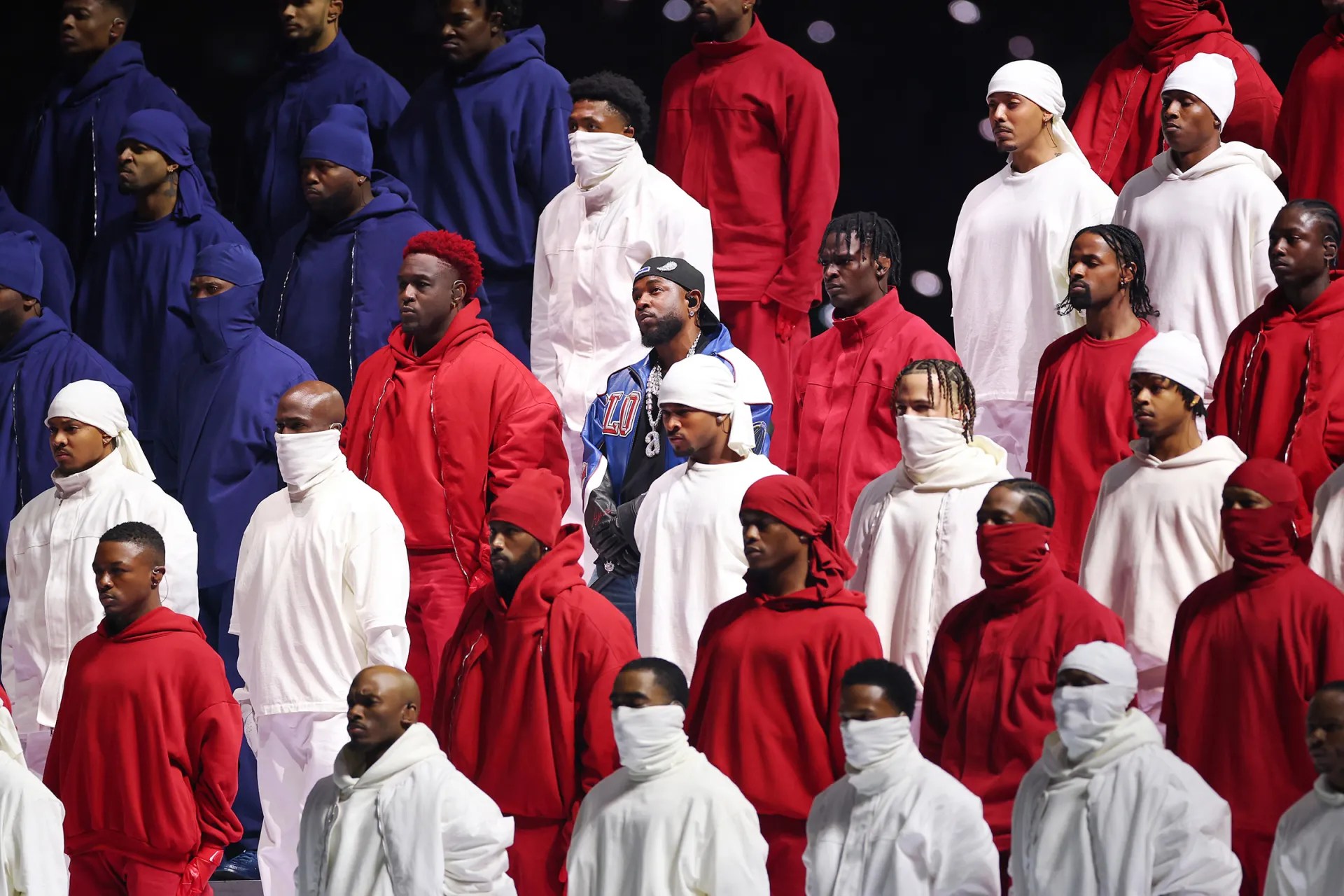
Kendrick Lamar performs onstage during Apple Music Super Bowl LIX Halftime Show at Caesars Superdome on February 09, 2025 in New Orleans, Louisiana. Gregory Shamus—Getty Images
(via Time) By Andrew R. Chow
When the NFL announced Kendrick Lamar as the Super Bowl halftime show performer in September, both his critics and fans expressed doubt that he would be up for the job. To naysayers, Lamar was too verbose, too political, too obscure for pop music’s biggest stage, which has typically featured culturally safe icons belting universally beloved anthems to the stadium rafters. Some instead clamored for New Orleans’s own Lil Wayne, a living embodiment of the raucous creativity and bacchanalia of the city hosting Super Bowl LIX.
Conversely, Lamar’s fans worried that the narrow confines of the televised gig would require him to compromise his artistry; that even the act of him performing on such a corporate stage was a sign of him selling out or renouncing his activist, anti-establishment roots. There seemed to be no way that Lamar could both win over the masses yearning for spectacle and his diehards hoping for a thunderbolt of Pulitzer-level genius.
But Lamar’s superpower has long been his unique ability to navigate this exact tension between message and reach: to tell stories of American pain and oppression without coming off as preachy; to challenge audiences lyrically and musically while widening his listenership. And on Sunday, this balancing act was on full display. Lamar delivered a Super Bowl performance wholly unlike any other before it, in which the aim was not to summon nostalgia or comfort but to demand full attention and active listening from his audience.
What Lamar lacked in singalongs, he made up for in narrative, visual stagecraft, and sly political commentary—while also slamming the casket on his rap feud with Drake for good. “The revolution ‘bout to be televised,” he warned his audience at the top of the show. “You picked the right time, but the wrong guy.”

 Every Moment Has A Song