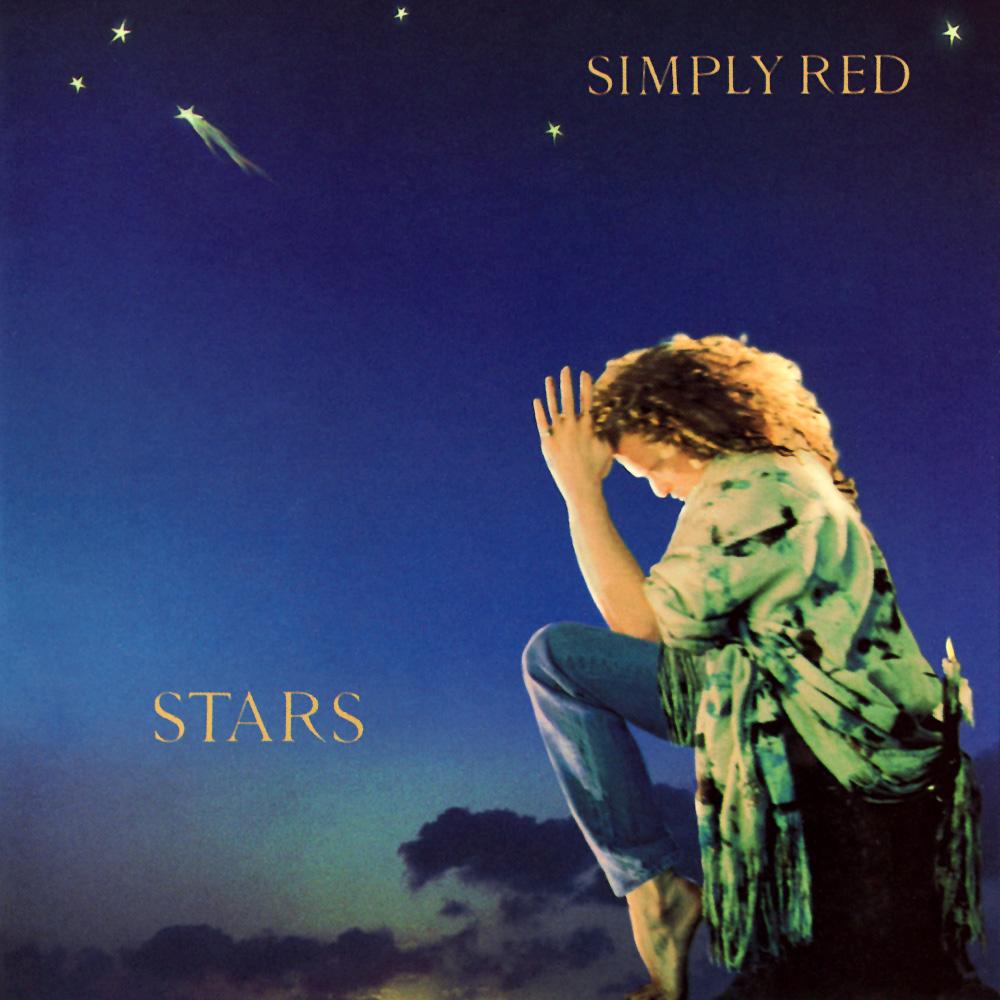
Simply Red: “For Your Babies” (1992)
If you have young ones in your life, I think this song will touch your heart.
"There's a time in life for Hoagy Carmichael. There's a time in life for Claude Debussy. There's a time in life for Jerry Lee Lewis. There's a time in life for Destiny's Child. All these things have their moment." ~Elvis Costello
08 Jun 2012 1 Comment
in Songs You May Have Missed Tags: for your babies, simply red
Simply Red: “For Your Babies” (1992)
If you have young ones in your life, I think this song will touch your heart.
08 Jun 2012 Leave a comment
in Songs You May Have Missed Tags: skin, the wannadies

The Wannadies: “Skin” (2002)
Nothing too complicated going on here. It is, as they say, what it is.
08 Jun 2012 3 Comments
in Songs You May Have Missed Tags: golden, my morning jacket

My Morning Jacket: “Golden” (2003)
Still my favorite MMJ track, it makes me want to get out Decade and listen to Neil Young tunes from back when he was all heart. Nowadays he couldn’t be more self-absorbed if he were made up of equal parts water and paper towel. (I think that line might belong to Dennis Miller.)
Anyway, a beautiful song I think.
08 Jun 2012 8 Comments
Okay, so I’m not among the first million to view this. I’ll still pass it on in case you haven’t yet seen it.
I love the slide whistle instrumental break. There aren’t enough of those these days.
08 Jun 2012 3 Comments
in Recommended Albums Tags: jefferson starship, play on love, red octopus, there will be love

Jefferson Starship: Red Octopus (1975)
Of all the albums made by Jefferson Airplane and its splinter bands Jefferson Starship and (cough, spit) Starship, Red Octopus was the biggest seller of them all. It spent an amazing 87 weeks on the Billboard album chart and, between September and December of 1975, went to number one four different times.
The LP’s success, of course, was driven by the massive hit single “Miracles”, an epic Marty Balin love song that the rest of the band didn’t even want to record, fearing the damage the romantic ballad would do their credibility (see: Styx’s “Babe” for reference). “Miracles”, however, spent three weeks at #3 and went on to earn over two million radio plays and classic status.
But it’s follow-up single, “Play On Love” only went to #49 and is far less widely known today, although it is one of Grace Slick’s finest efforts as a songwriter and a vocalist. It’s my opinion the song’s deviation from standard verse-chorus patterns both made it a more interesting listen and hurt its chart performance. If there’s one thing vital to a hit single it’s predictability, unless you’re going to write “Bohemian Rhapsody” of course. And just when you’re expecting a second full chorus, Slick teases you with one line of it before taking you in another direction, ultimately making you wait through a guitar solo and third verse before you finally get the chorus hook again.
And that’s the pattern throughout this LP: the lack of pattern. The song that follows “Play On Love”, Balin’s “Tumblin'”, contains only one extended chorus-like hook, never again repeated. And the album’s grand closer, “There Will Be Love” opens with its anthemic chorus, then throws predictability away in favor of stringing sections together in a more intuitive, suite-like way. I’m reminded of great early 70’s McCartney singles like “Another Day”, “Uncle Albert/Admiral Halsey” and “Band On the Run”. A competent songwriter knows to write verse-chorus-and-repeat. An inspired one goes beyond the limitations of the template.
It’s idiosyncracies like these that separate a great rock band from a mere pop act. Perhaps if this were an Air Supply album it would have had more hit singles, but because it was Jefferson Starship at their peak, its more atypical structures raise it to the level of a true classic, never old to my ears.
Listen to: “Play On Love”
Listen to: “Al Garimasu (There is Love)”
Listen to: “There Will Be Love”
See also: https://edcyphers.com/2012/10/03/songs-you-may-have-missed-185/
See also: https://edcyphers.com/2024/07/21/songs-you-may-have-missed-747/

