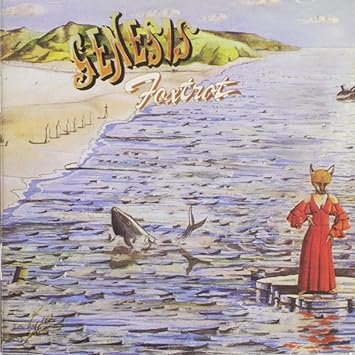
Genesis: Foxtrot (1972)
On the band’s fourth album, Genesis began to synthesize (or mellotron at times) a balance between credible rock and the theatrical whimsy that had dominated their three previous albums.
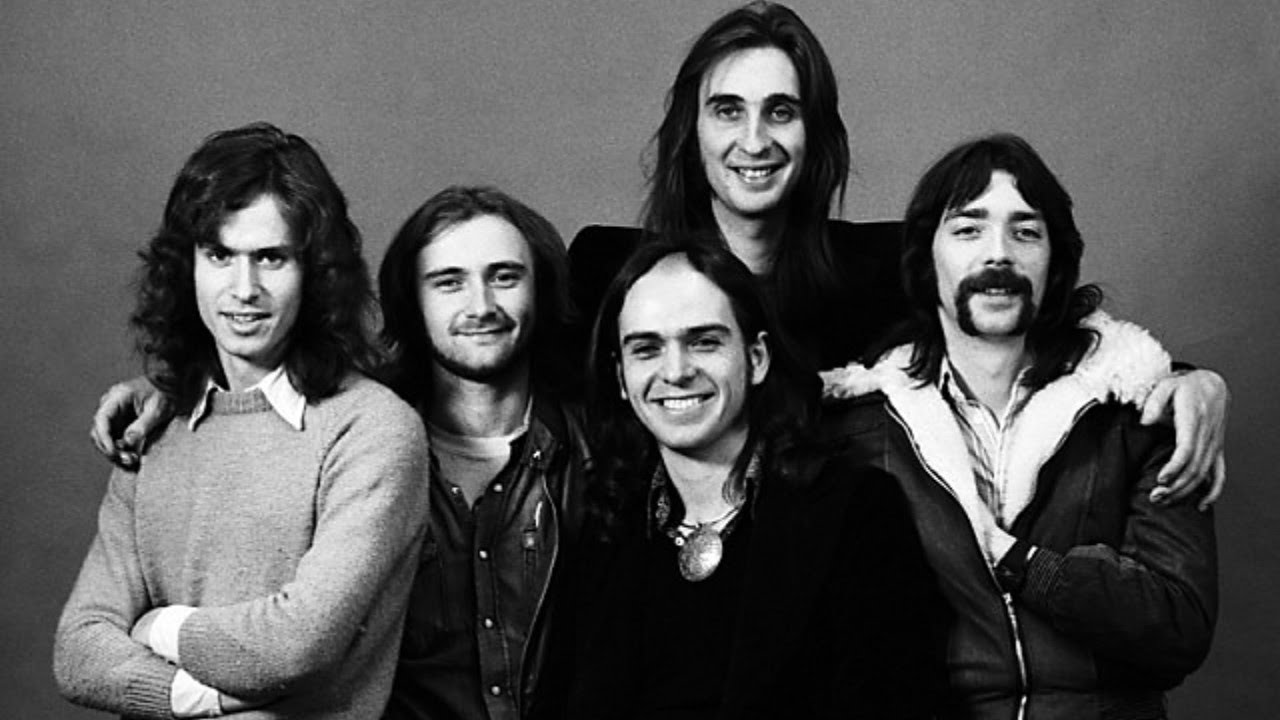
It’s art rock that doesn’t sacrifice the art or the rock.
“Time Table” muses on the passage of time with medieval imagery and a nostalgia for times gone by–or perhaps is a lamentation of the inevitable repetition of events throughout history:
A carved oak table tells a tale
Of times when kings and queens sipped wine from goblets gold
And the brave would lead their ladies from out of the room
To arbours cool
A time of valour and legends born
A time when honour meant much more to a man than life
And the days knew only strife to tell right from wrong
Through lance and sword
Why, why can we never be sure till we die
Or have killed for an answer?
Why, why do we suffer each race to believe
That no race has been grander?
It seems because through time and space
Though names may change each face retains the mask it wore
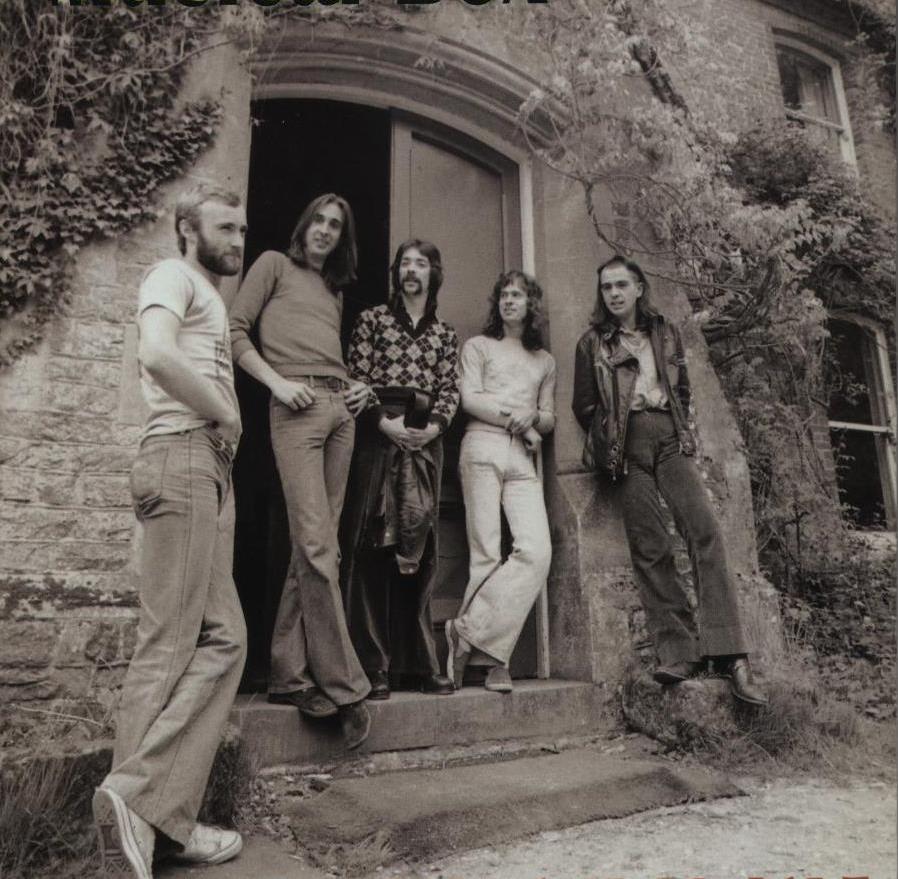
“Can-Utility and the Coastliners” truly shows off the ensemble talents of a great band, with the soft textures of Steve Hackett’s guitar giving way to Tony Banks’ brilliant layered mellotron and organ and Phil Collins’ powerhouse drumming. Several passages and time changes later, it feels like you’ve heard an epic prog song in less than six minutes.
On the classically-inspired “Horizons”, Hackett manages what Steve Howe didn’t on The Yes Album and Fragile; that is, he contributes an instrumental that doesn’t disrupt the feel of the album overall.
For those less familiar with the Gabriel-fronted version of Genesis, uh, yeah it’s a long way from the artsy, eccentric prog of the early days to the “I Can’t Dance” populist drivel of the Collins-fronted incarnation of the band.
A long way down.
Listen to: “Time Table”
Listen to: “Can-Utility and the Coastliners”
Listen to: “Horizons”
See also: https://edcyphers.com/2012/03/19/songs-you-may-have-missed-55/








 Every Moment Has A Song