Dawes is the kind of band that, over the course of an album, can proverbially lull you to sleep with long, ponderous lyric phrases and melodies tending to be short on dynamics and originality.
Then like Ali in the Rumble in the Jungle they can wake you up with a quick jab of something so feel-osophical you’re not sure what hit you.
“The Game” is specific to itself as a story song, but in its summarizing title line it takes on metaphorical import.
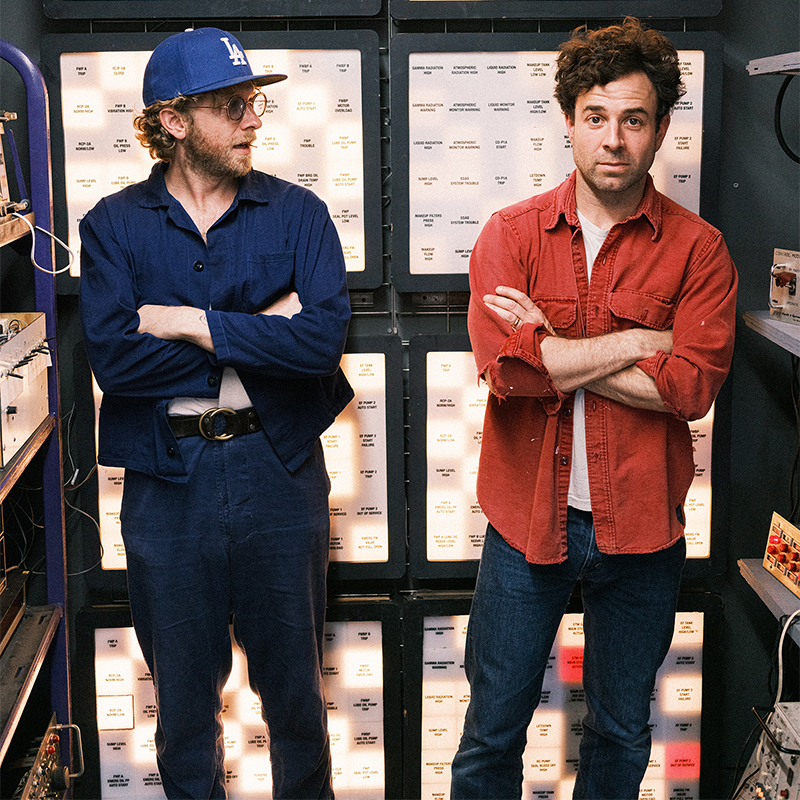
Singer-songwriter Taylor Goldsmith and his brother, drummer Griffin Goldsmith have released the ninth Dawes album as a duo. Gone are a few bandmates. Still intact is their ability to create songs that show you your life through a new lens.
“The Game”
Millie came up playing in the boys’ clubs But they made her play at midnight or at 8 Her friends all said the times were finally changing It only felt a few centuries too late Her eyes were always deep inside her notebook Her hands were always tuning her guitar And while some stayed busy waiting for permission She was on her way to be a star
But if you asked her if anyone had held her back She’d tеll you she forgot most of their names Thе losers only think about the winners The winners only think about the game
Then Millie fell in love with a civilian Or at least we know he fell in love with her He could see how bright her light was shining He could feel how wild her fire burned But love has its own kind of symmetries You have to give as much as you receive And once he realized he would never give her nothing He decided it was time for him to leave
But now he likes to criticize her privately While she simply says that neither were to blame The losers only think about the winners The winners only think about the game
So Millie kept on adding to the setlist And working on her studio tan And for the first time found it hard telling the difference Between all her friends and all her fans Which left her with a special brand of emptiness She channeled right back into the songs She wasn’t gonna ask herself the question If this is what she wanted all along
Some people said she was a genius Some people said she was insane But those losers only think about the winners The winners only think about the game
She wouldn’t suffer any fools She danced to her own rhythm She wasn’t playing by the rules She was playing with ’em
Millie knew just when the dust was settled When it’s time to put the pencil down When the harmony is only just a shadow Of the way it felt the first hundred times around Which left her to the critics and the experts To tell the world how Millie really felt To somehow say she lost a competition She was only ever having with herself
Well, some might look for meaning in the ashes She just misses standing in the flame The losers only think about the winners The winners only think about the game Oh, the losers only think about the winners The winners only think about the game

 Every Moment Has A Song