Quora: Why did the rock band Police not get along?

(Answered by John Eustace)

Its a common story. They started as a band of equals, with all of them being monsters at their instruments. Stewart Copeland was a fierce virtuoso on a drum kit, able to play complex and incredibly fast rhythms, Andy Summers was a virtuoso guitarist with a strong avant garde lean, and Sting was a superb bassist and singer with a distinctive voice, as well as being incredibly great looking.
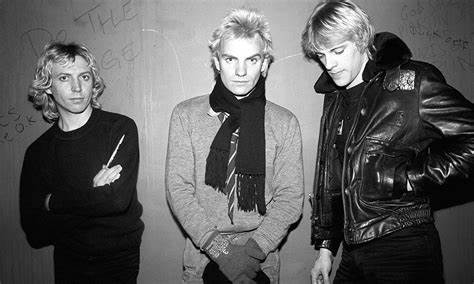
I’ve heard several bootleg recordings from their early tours, and since they didn’t have a lot of songs, they would often play extended jams during the songs they had. During those jams, you can often hear grooves emerge that later became the riffs and foundations for new songs that would appear on later albums. It would be easy for a band member to assume that many of the songs were written by the entire band, at least in part. As time went on, Sting emerged as the primary songwriter, simply because his songs, and his lyrics were superior to the others.

This really bothered Copeland, who had developed an interesting new wave compositional style of his own. and he was frustrated that he couldn’t get his songs on the albums. Sting eventually allowed Copeland and Summers to have one one song each on the Synchronicity album. Copeland delivered the terrific song Miss Gradenko, while Summers decided to offend everybody with his punk anthem Mother, everybody’s least favorite song on the album (although I’ve always loved it). As interesting as both songs were, they sounded out of place on Sting’s carefully crafted masterpiece. Having to beg for space on the album, only to find that Sting was right anyway, had to have stung. Copeland started developing his own solo career under the name Klark Kent, where he could put out excellent new wave songs in his signature style without having to compete with, or get permission from, Sting.

Along the way, Sting’s ego had become huge, and there was talk of Copeland’s ego getting pretty big as well. To this day, Sting has a reputation of being extremely arrogant.

So they started off as a business arrangement, and as they got popular, their egos grew, clashed, and the band ended. Not the first story like that, nor the last.

Video of the Week: Herb Alpert – Puttin’ on the Ritz

The Puttin’ On The Ritz music video is a creative collaboration between Alpert, artist Glenn Kaino and filmmaker Afshin Shahidi with choreographers Napoleon & Tabitha D’umo from So You Think You Can Dance and produced by Kerith Lemon. One long camera shot follows the lead dancer, Vincent Noiseux on a musical journey and features musicians Lani Hall, Bill Cantos, Hussain Jiffry and Michael Shapiro as well as corps dancers like Kherington Payne and others that have been seen on So You Think You Can Dance, America’s Best Dance Crew, Dancing with the Stars, This is It, Step Up and more.

See also: https://edcyphers.com/2024/08/11/video-of-the-week-herb-alperts-tribute-to-trumpet-lovers/

See also: https://edcyphers.com/2025/04/25/video-of-the-week-herb-alpert-celebrates-90-years-and-a-return-to-the-stage-with-the-tijuana-brass/

Recommended Albums #89

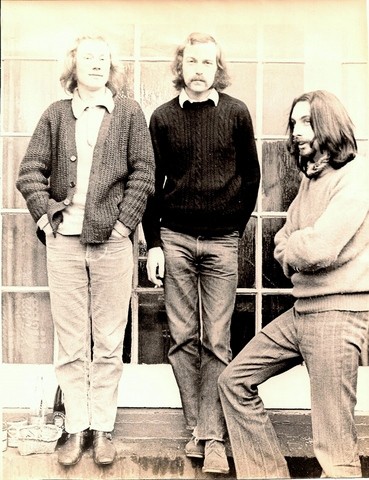
Hunter Muskett: Every Time You Move (1970)

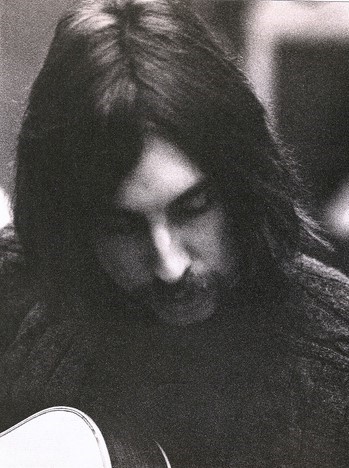
I should say English folk trio Hunter Muskett come recommended to fans of Tir Na Nog, Fairfield Parlour, Heron and Duncan Browne–but it’s 2024 and I know it’s unlikely more than a few who read this have heard of any of the aforementioned five-decades-old acts.

So I write for the few who are hip to the wistful, sad and beautiful sounds these artists produced in the heyday of the British folk revival of the late 60’s and early 70’s, and for the few musically adventurous souls who would seek out something rare, precious, old…and yet new to their ears.

Terry Hiscock, Chris George and Doug Morter formed Hunter Muskett in south London and played folk clubs and colleges in that city until being discovered and signed to the Decca Nova record label, resulting in this 1970 debut album.

Since Decca Nova lasted less than a year, it was the band’s only release for the label.

Given the ephemeral nature of folk acts of the time, you’d think the story would likely end soon after.

But amazingly the band endures to this day, with recent album releases and a full slate of folk club tour dates around England through November of 2024 and presumably beyond.

And their music? I hope you’ll listen, because any description attempted here will probably fall short.

It’s quiet, contemplative, and evocative of an England that mostly no longer exists. And really the perfect antidote to our mad, unquiet 21st century existence.

To be topical for a moment, I write this one day after an assassination attempt on an American presidential candidate. Like 9/11 and Kennedy in ’63, a measure of innocence seems lost and today the world feels less safe than it did yesterday.

It’s perfectly sane to feel the need to retreat to a quiet place of the soul in times like these. I think music–particularly of this type–is a healthy antitoxin and countermeasure. It’s safe. It’s affordable. And it’s without side effects.

On a personal note, Hunter Muskett brings my oldest brother Jim to mind, who I lost about 20 years ago. I don’t know if he knew the band, but they were right in the wheelhouse of his musical taste, and I know he and I would have had an enthusiastic conversation about them.

You’ll know literally 30 seconds into the title song if this is for you. The gentle melancholy of acoustic guitar, acoustic bass and poetic lyrics sung in hushed harmony are arresting.

And by the time gently sympathetic strings insinuate themselves you just might be transported to a more pleasant, more obsolescent–more English destination…

I have a fire, I have my chair/I have an old man’s dream of other years/My silver watch was made a grandfather ago/My wife still laughs when I tell her I’m too old to make her smile

I have tobacco, I have my pipe/And at the Rambler’s Rest I share a pint/I have a photograph of me when still a boy/I have a medal and a book I once enjoyed some years ago

I have a path where I can walk..

Listen to: “Every Time You Move”

Listen to: “Storm On the Shore”

Listen to: “I Have a House”

Listen to: Davy Lowston

Listen to: “Snow”

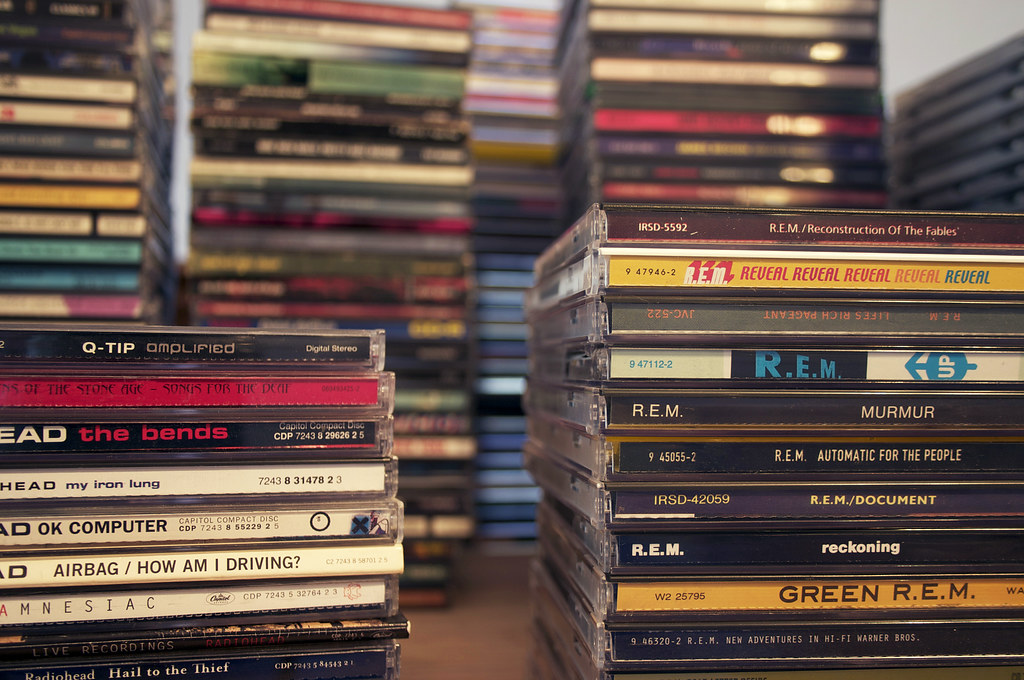
6 reasons I’m listening to CDs again

(via pocket lint) Story by Sam Smart

For years, I neglected my CD collection. Most of the music I listened to was through streaming services like Spotify, and while I have a modest CD collection and a small record collection, I’ve been very digital-first, and not caring much about the quality of my music.

But lately, that’s been changing. Lots of people are returning to retro tech, and that made me think about my CDs, a beautiful format with fantastic audio quality, portability, and longevity. To hold a physical representation of my music in my hands, to display it, and to treasure it feels more meaningful than a Spotify subscription, so I’m happy to be revisiting my CDs again in 2024. Here are some of my main reasons for doing that…

Read more: https://www.msn.com/en-us/entertainment/news/6-reasons-i-m-listening-to-cds-again/ar-AA1o3WzM?ocid=entnewsntp&pc=DCTS&cvid=ba56003458a7456baab97a9716040e49&ei=75

Nicky Hopkins Is “The Session Man”

(via CultureSonar) by Amy Hughes JULY 6, 2024

The Session Man is a captivating music documentary that dives deep into the life and career of Nicky Hopkins, one of rock and roll’s most influential yet often overlooked pianists. Known for his exceptional work as a session musician, Hopkins contributed to some of the greatest hits of the 20th century, collaborating with iconic bands and artists. This film aims to shed light on his remarkable journey and lasting impact on the music industry.

The filmmakers have taken a balanced approach, blending technical analysis of Hopkins’ music with personal stories and historical context. This not only highlights his professional achievements but also provides insight into his personality and the challenges he faced. The narrative is driven by a combination of voice-over narration (courtesy of “Whispering Bob” Harris) and on-screen interviews, creating a dynamic and immersive experience for the viewer.

Read more: https://www.culturesonar.com/nicky-hopkins-is-the-session-man/?mc_cid=3aa9a559fb&mc_eid=b43e532c6f

On a Lighter Note…

Previous Older Entries Next Newer Entries