Benny Bell, born Benjamin Zamberg, was a pioneer in the field of Jewish comedy who sang in English, Yiddish and Hebrew. During a prolific run in the 1930’s and 40’s he released self-produced, self-written albums–on his own record label, no less.
Well after Bell’s peak of popularity, the nationally syndicated Dr. Demento radio program began playing his 1946 song “Shaving Cream”, which led to notoriety beyond New York City for the first time in his career.
It also led to a re-release of the song in 1975, making Benny Bell the most unlikely one-hit wonder since Tiny Tim. “Shaving Cream” reached #30 in the US charts.
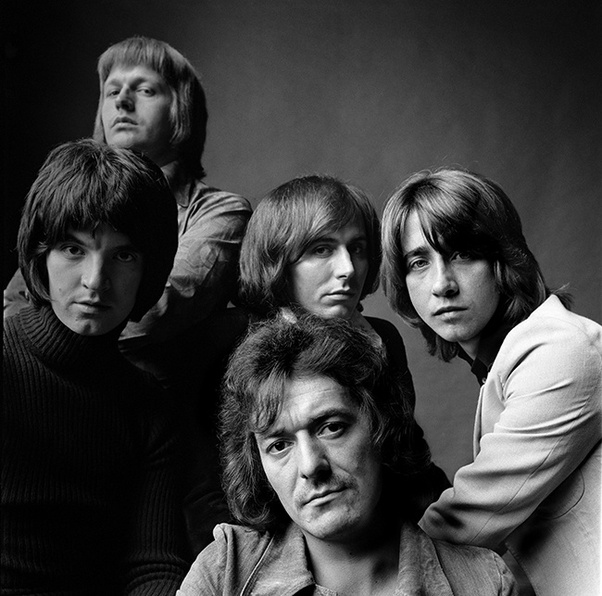
The Hollies in 1969, post-Nash. Allan Clarke is the second from right.
Answered by Gene Popa
How about an instance where a band realized they had made a mistake in getting rid of their lead singer, and so they brought him back?
The Hollies had been among the biggest hitmakers in Great Britain in the 1960s and had a number of hits in the U.S. as well. Allan Clarke was the group’s lead singer, but the signature Hollies sound was marked by the high harmony backup singing of Graham Nash. But wanting to pursue a different musical style from the rest of the band, Nash quit in 1968, and went on to form Crosby, Stills & Nash.
By 1971, wanting to scratch his own musical itch (and perhaps being a bit envious of the tremendous success that Nash was having), Clarke told the other members of the Hollies during a down time between recording and touring that he wanted to record his own solo album. He made it clear that he wasn’t quitting, only trying something different. However, the other members of the group found the idea of him doing solo work unacceptable, and they parted ways with Clarke.
They replaced him as lead singer with Mikael Rickfors, which was a bizarre (and unsuccessful) choice; Rickfors’s grasp of English wasn’t complete, and he sang with a noticeable Swedish accent. He also sang in a lower register than Clarke did, so his versions of older Hollies material could be off-putting to some fans. They also signed a new recording contract with another label, Polydor, and as a result their old label, EMI, sought to undercut attention for their first Polydor album by culling a track from their last EMI record, “Long Cool Woman in a Black Dress”, and releasing it in 1972 as a single.
Mikael Rickfors
The song broke into the Top 40 in the U.K., but it was a much bigger hit in America, going into the Top Five. The Hollies were now faced with the prospect of hitting the road to promote their current hit with a singer who sounded nothing like the voice singing the song.
Instead, the Hollies decided to mend fences with Clarke and bring him back into the fold. In exchange for his agreeing to return, the band had to allow him time to release his own solo albums. And that’s how things remained with the Hollies until Allan Clarke retired from recording and performing in 1999 in order to care for his wife, who was battling cancer, as well as to tend to vocal cord problems he had been having (although Clarke resumed his solo career in 2019).
The Hollies during Allan Clarke’s second tenure with the band.
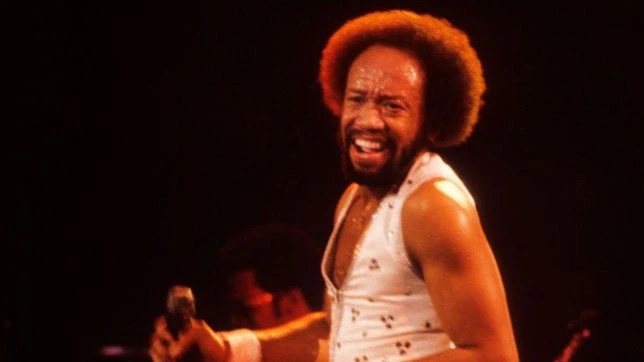
That’s the question Earth, Wind & Fire asks in their chart-topping 1978 hit, “September” – an irresistibly catchy tune that continues to be cherished by generations of fans due to its infectious bassline and cheerful chorus, even four decades after its release.
Since its debut as a single on the band’s initial greatest hits album, this song has transformed September 21st into an unofficial holiday, playfully known as “Earth, Wind & Fire Day.” This iconic track was originally released as a single in 1978, later featured on the group’s album “The Best of Earth, Wind & Fire, Vol. 1,” where it claimed the top spot on the US R&B chart, reached number eight on the Billboard Hot 100, and secured the third position on the UK singles chart.
However, it appears that those seeking a deeper meaning behind the date “Sept. 21″ don’t need to look too far.,,
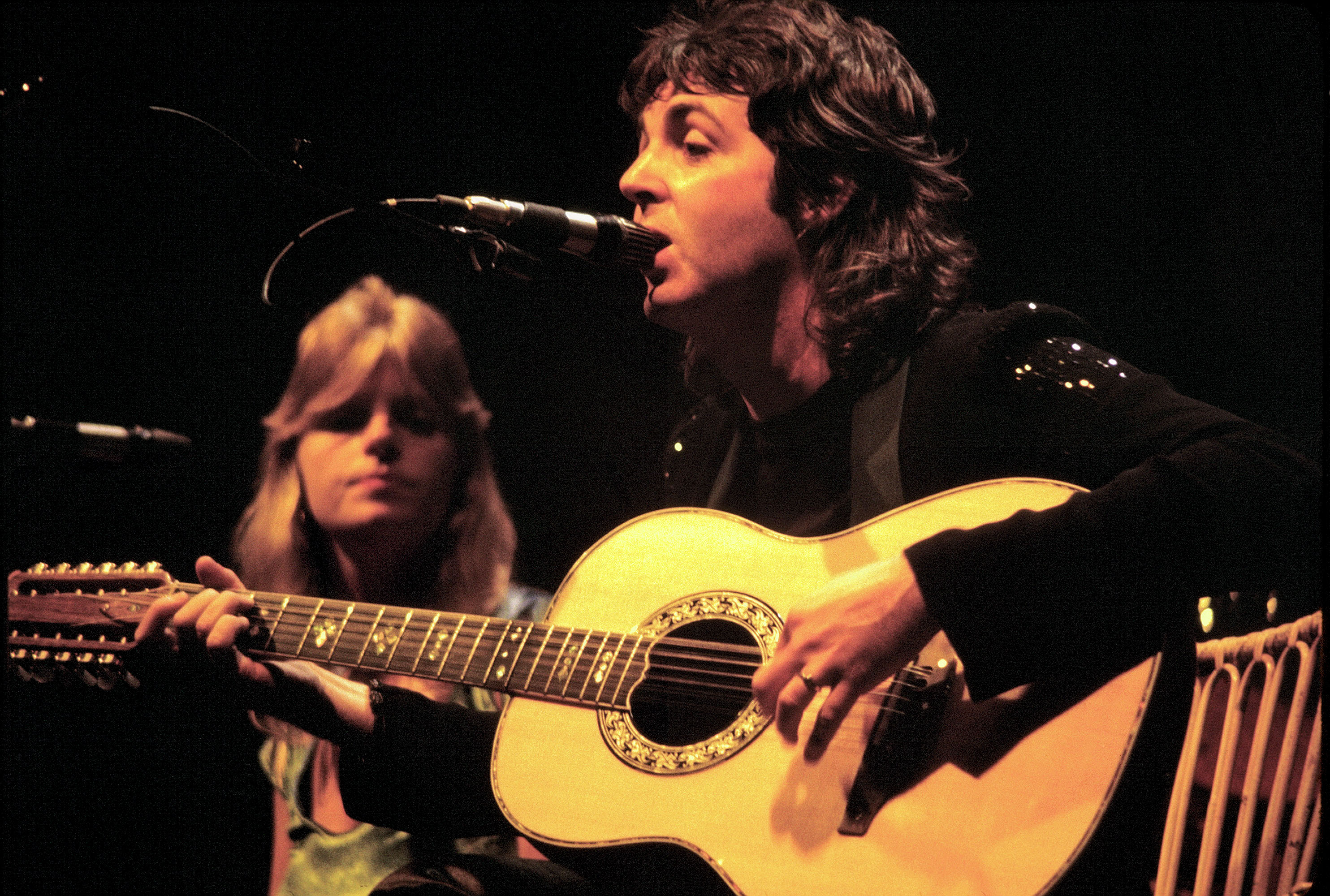
Most of McCartney’s solo catalog is more appreciated now; particularly the records he released in the 70s. Why? For various reasons, McCartney’s catalog was dismissed, sometimes unfairly, at the time of release.
The 70s were a “golden age” of classic rock: The most poplar bands of the 70s—Zep, The Who, the Stones, Aerosmith, Alice Cooper—created music that was heavier, often blues-based and laden with guitar. McCartney’s first album was home-made and has an authentic, but unfinished quality about it. There are several really good tracks on it, but it was out of step with much of the “heavy” and “rock” ethos of the time.
Rock culture had an element of “macho” and marketed “youth”: There was lots of praise for bands who were loudest, drank most, destroyed property (wrecked cars, TVs, hotel rooms). Also, folks like Keith Richards were lauded for the amount of drugs they took. Jagger for the number of women/groupies he slept with. This lifestyle was marketed and widely accepted as the way “real” rockers behaved and ‘real’ rock fans should aspire to behave.
In terms of an industry, rock was also looking for the “next big thing”. Sometimes this was Bowie, T-Rex, or Deep Purple. McCartney wasn’t new. McCartney was almost 30—another taboo in rock culture, and he was seen as something of a teetotaler in terms of drug intake. Also, McCartney was happily married AND he had the gall (like Lennon, who was praised in some quarters for it) to champion his wife as a band member and write songs with her. This made people angry, irritated the chauvinist strain of the rock community, and reinforced the portrait of McCartney as an out of step “square”.This accounted for only part of the anger toward Paul.
3. Blamed for the Breakup: Because of a statement McCartney included to promote his first solo album, many in the press, and then the public, blamed McCartney for the break up of the Beatles. It’s hard to understate how much this mistaken impression colored people’s perception of Paul as a person and artist. The Beatles were the most popular band of the 60s and all time. Fans, not knowing the facts, were angry at him for taking away something they loved. The press covered, and sometimes reinforced, the portrait of Paul as a bad guy.
4. His ex-bandmates, Lennon in particular, piled on: In the aftermath of the Beatles break up, Paul disagreed with the others—John, Ringo, George—on financial, management, and personal issues. Paul eventually had to sue his friends in order to extricate himself from their business partnership. This adversarial relationship led to resentments, bad blood, and nasty public comments back and forth…but basically it was 3 against 1. George, Ringo, and especially John all said negative things about Paul AND his music. George said Paul’s bass playing was “busy,” that he wouldn’t join a band with him for musical reasons. Ringo said he thought the Ram album wasn’t very good. Lennon, in particular, trashed Paul in song and in interviews. (McCartney also wrote some negative songs about Lennon and made comments of his own, but that’s another answer for another time.)
Lennon’s comments were vicious and generally said that McCartney’s 1) best music was made in the past, 2) he was lazy and didn’t live up to his potential, and 3) he was lame and his current music was soft and for grannies. It certainly wasn’t “rock” or serious “art” like he and others were making. When Lennon spoke, many Beatles fans and rock publications listened. So, Paul’s ex-bandmates helped paint the picture of Paul as an out of touch softie. Anyone who listened to Paul’s music was likewise not a “rocker,” but a lightweight.
Despite all this, McCartney’s albums sold and his music (solo and with Wings) was among the most popular of that decade and eventually all time. But, with the exception of Band on the Run (which even Lennon praised as great) critics were dismissive of nearly every record he made from 1970-’80.
Pendulum Swings Back
As time passed, the solo Beatles reconciled—each said publicly how much they loved each other and appreciated Paul. In his final interviews, Lennon says he loves Paul, thanks him for the lawsuit that saved them all a bunch of money, and praises many of his Beatles era songs. After Lennon’s murder, Harrison and Starr both work with Paul, bury the hatchet, and revise their opinions about him musically. (Harrison revised his opinion about Paul’s bass playing. Ringo says Paul was right about Let It Be when they release the “Naked” version of that album. Starr and McCartney collaborate occasionally on albums and write songs together. Earlier this year, Paul plays bass on Ringo’s cover of Grow Old with Me.
Likewise, the passage of time, and release of updated versions of Paul’s solo albums, has given critics another opportunity to evaluate Paul’s music. Overall, much of that critical opinion is much more positive:
RAM: Dismissed by Lennon, Starr and Rolling Stone, nowadays this is regarded as one of Paul’s masterpieces. If this had been released in ’71 by Brian Wilson, it would have been regarded as one of his best works. Because it had Paul’s name (and co-writing credits with wife Linda) critics missed the boat on it. The complex, multi-suite arrangements seem like the musical continuation of side 2 of Abbey Rd. One of Paul’s best solo rock tunes (Too Many People) is on there too. Note how Paul’s guitar solo on Too Many People sounds a lot like the one he adds to the end of You Never Give Me Your Money. Next to Band on the Run, this is Paul’s best record.
McCartney: In ‘70, this was dismissed as home-made and unfinished. There’s something to that. But, like much of Paul’s music, critics unfairly compared it to Revolver or Abbey Rd, Beatles music was regarded as holy grail; greatest of all time…it blinded reviewers to many of the fine songs on the record. While they loved Maybe I’m Amazed, they neglected That Would Be Something, Junk, Every Night, etc. This is a solid album…and innovative b/c McCartney did it as a one-man-band. Certainly not the abomination it was called upon release.
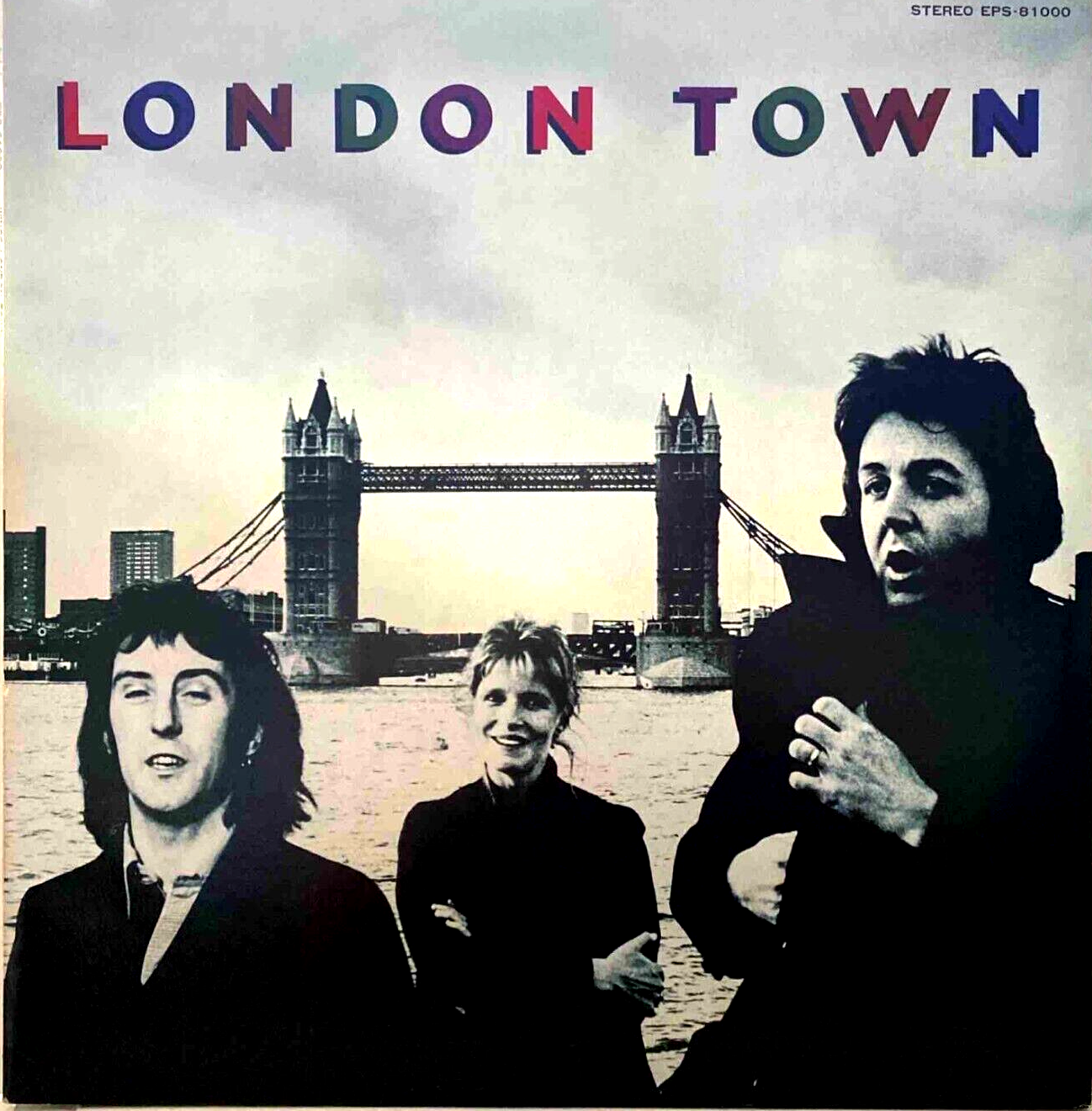
London Town: Synths and middle-70s soft rock…the record is flawed mainly because it has several contributions from Denny Laine. But there are some really underappreciated songs here including the title track, I’m Carrying, I’ve Had Enough, Girlfriend. and the single from the era—the mammoth Mull of Kintyre. This is not a great album, but not terrible as was said when it was released.
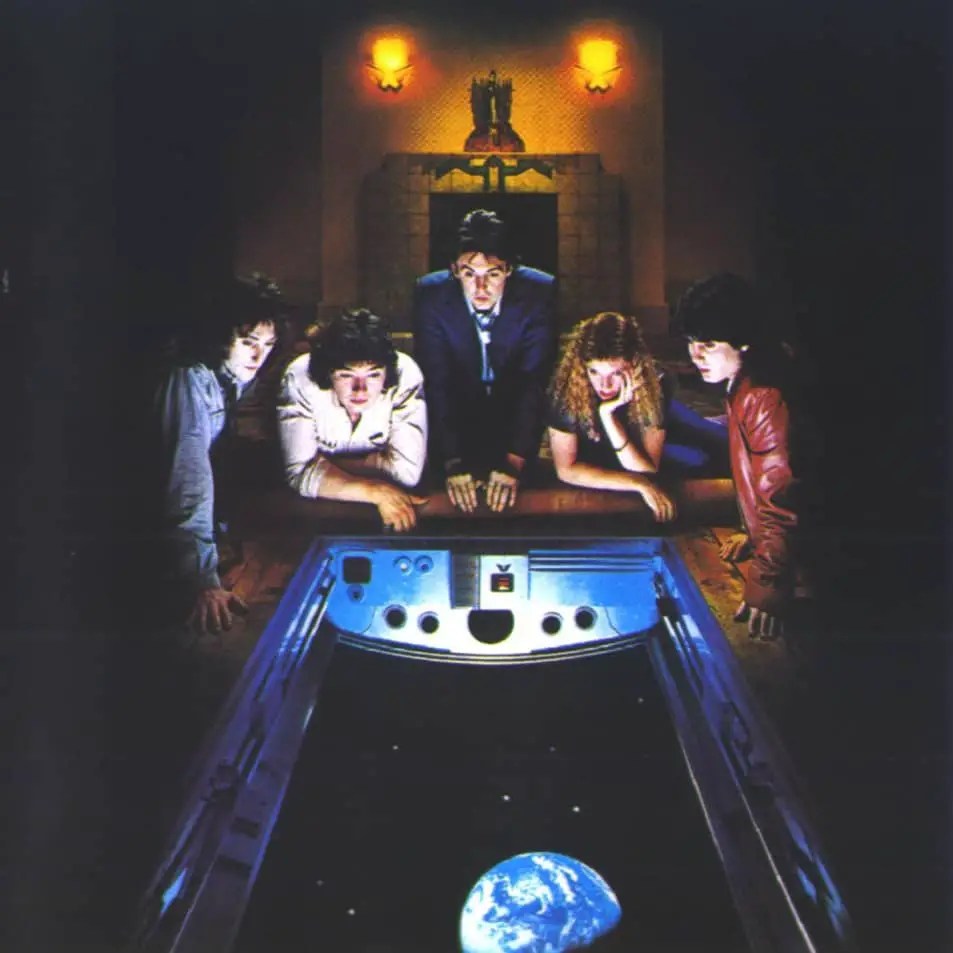
Back to the Egg (‘79): McCartney and critics were tired of Wings by ‘79. It showed in that many folks were unaware that this record was even released. Some really good songs here—Arrow Through Me, Getting Closer, Old Siam…much of this is mid-tempo, but Paul had a crack band and the album was unfairly overlooked. If PM had included the single “Good Night Tonight” and the band hadn’t essentially broken up soon after, the album might have had a different fate historically.
McCartney II (‘80): McCartney was bored with a backup band and created another solo album where he played all instruments himself. Along with the single Coming Up (which Lennon praised and said motivated him to start recording again), there were a handful of solid songs, including Waterfalls and One of These Days. Some critics seem bent on rectifying wrong reviews of the past and praising everything that Paul has released. In that context, this might be exhibit #1 of the pendulum swinging too far back to universal praise of all things Paul. The love heaped on Temporary Secretary seems wrongheaded. There are several instrumentals on this album which tend to prevent it from being considered a great one for me…So while the album was trashed in ’80 as terrible and it’s praised today as an ‘innovative new wave’ record…in reality, the truth is somewhere in between…However, it still proves the rule. Most of the time, the critics were unfair to Paul at the time of release. This record, too.
So, many of Paul’s 70s albums seem too harshly reviewed when they were released. In general, the rock press and Paul’s bandmates, for various reasons, mistakenly viewed him with anger or dismissed him musically as out of step.
Perhaps he was out of step, but he was never going to be Foghat and shouldn’t have been expected to be. As time has gone by and more facts became available, Paul’s role in the breakup of the Beatles and the evaluation of the music he produced after he left the band, has been judged in a more balanced (and generally more favorable) way.















 Every Moment Has A Song