Recommended Albums #91

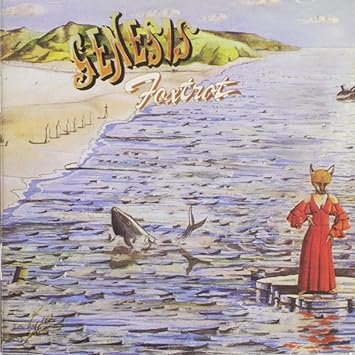
Genesis: Foxtrot (1972)

On the band’s fourth album, Genesis began to synthesize (or mellotron at times) a balance between credible rock and the theatrical whimsy that had dominated their three previous albums.

It’s art rock that doesn’t sacrifice the art or the rock.

“Time Table” muses on the passage of time with medieval imagery and a nostalgia for times gone by–or perhaps is a lamentation of the inevitable repetition of events throughout history:

A carved oak table tells a tale
Of times when kings and queens sipped wine from goblets gold
And the brave would lead their ladies from out of the room
To arbours cool
A time of valour and legends born
A time when honour meant much more to a man than life
And the days knew only strife to tell right from wrong
Through lance and sword

Why, why can we never be sure till we die
Or have killed for an answer?
Why, why do we suffer each race to believe
That no race has been grander?

It seems because through time and space
Though names may change each face retains the mask it wore

“Can-Utility and the Coastliners” truly shows off the ensemble talents of a great band, with the soft textures of Steve Hackett’s guitar giving way to Tony Banks’ brilliant layered mellotron and organ and Phil Collins’ powerhouse drumming. Several passages and time changes later, it feels like you’ve heard an epic prog song in less than six minutes.

On the classically-inspired “Horizons”, Hackett manages what Steve Howe didn’t on The Yes Album and Fragile; that is, he contributes an instrumental that doesn’t disrupt the feel of the album overall.

For those less familiar with the Gabriel-fronted version of Genesis, uh, yeah it’s a long way from the artsy, eccentric prog of the early days to the “I Can’t Dance” populist drivel of the Collins-fronted incarnation of the band.

A long way down.

Listen to: “Time Table”

Listen to: “Can-Utility and the Coastliners”

Listen to: “Horizons”

See also: https://edcyphers.com/2012/03/19/songs-you-may-have-missed-55/

How to Enjoy Progressive Rock

prog

(via wikiHow)

Progressive rock, also known as “prog rock” or just “prog”, is an absolutely exceptional genre of music, and to many the greatest genre that has ever emerged in the history of recorded sound. Extremely diverse, breathtakingly complex and largely underrated in the world today, it is created by some of the most talented musicians the world has ever known, and many progressive rock songs are excellent examples of immense instrumental and songwriting creativity. But what makes this genre so special, and how does one acquire a taste for it and absorb the huge number of bands in the genre? The trick is to start small – and then take the progressive rock journey.

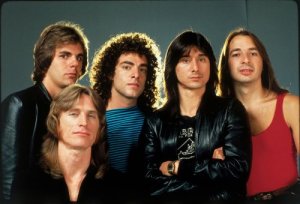
pic 1

1
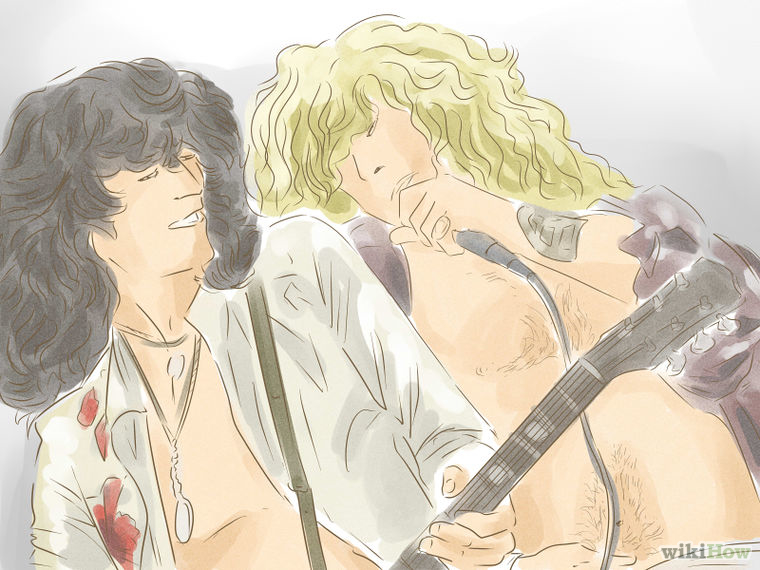
Take into account that that this genre can be overwhelming for first-time listeners. Don’t let this turn you away though! It is important to note that many popular classic rock artists, such as The Beatles, Queen and Led Zeppelin, also dabbled in this genre several times. Did you know that Led Zeppelin’s classic track “Stairway To Heaven” is actually a progressive rock song? If you enjoy that song and other lengthy classic rock pieces (such as The Who’s “Won’t Get Fooled Again” and Dire Strait’s “Tunnel Of Love”), there’s a very good chance that you’ll enjoy progressive rock music as well. Also, Pink Floyd, one of the famous bands in music history, are a progressive rock band, though many are not aware of this at first. A basic love of rock music, especially from the 1960s and 1970s, is necessary for one to be able to at first appreciate and go onto enjoy progressive rock. The genre is challenging and requires an open mind.
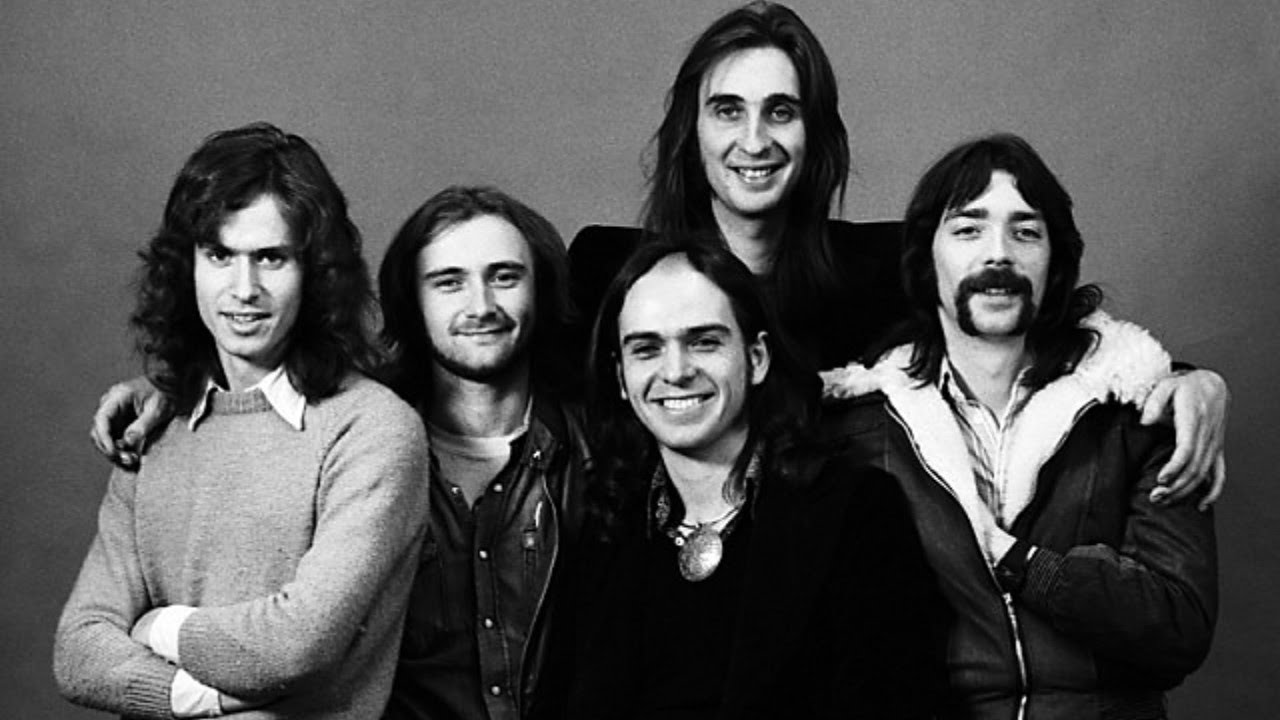
pic 2
2

Before listening to the music, learn and memorize the various and styles (or sub genres) of progressive rock, as there are multiple of them:

  • Symphonic – Highly influenced by classical music, with complex song structures.
  • Progressive Folk – Features elements of folk, blues, country and world music.
  • Crossover – More accessible, often radio-friendly progressive rock inspired by classic rock and pop.
  • Psychedelic – Features surreal, psychedelic guitars and keyboards and sci-fi elements.
  • Eclectic – Bands in this genre play a broad range of progressive styles.
  • Progressive Metal – A mixture of progressive rock with heavy metal music.
  • Jazz Fusion – A mixture of progressive rock with jazz music.
  • Neo-Progressive Rock – More modern and often highly-advanced progressive rock, largely aimed at veteran fans.

Remember that the styles do not end there. There’s many more – too many to list, and there are still various styles of progressive rock being developed as they constantly cross over with each other to create newer sounds. It can difficult to categorize some progressive rock bands, so sometimes it’s best to just jump in and see what’s there instead of judging them by their genre.

pic 3
3
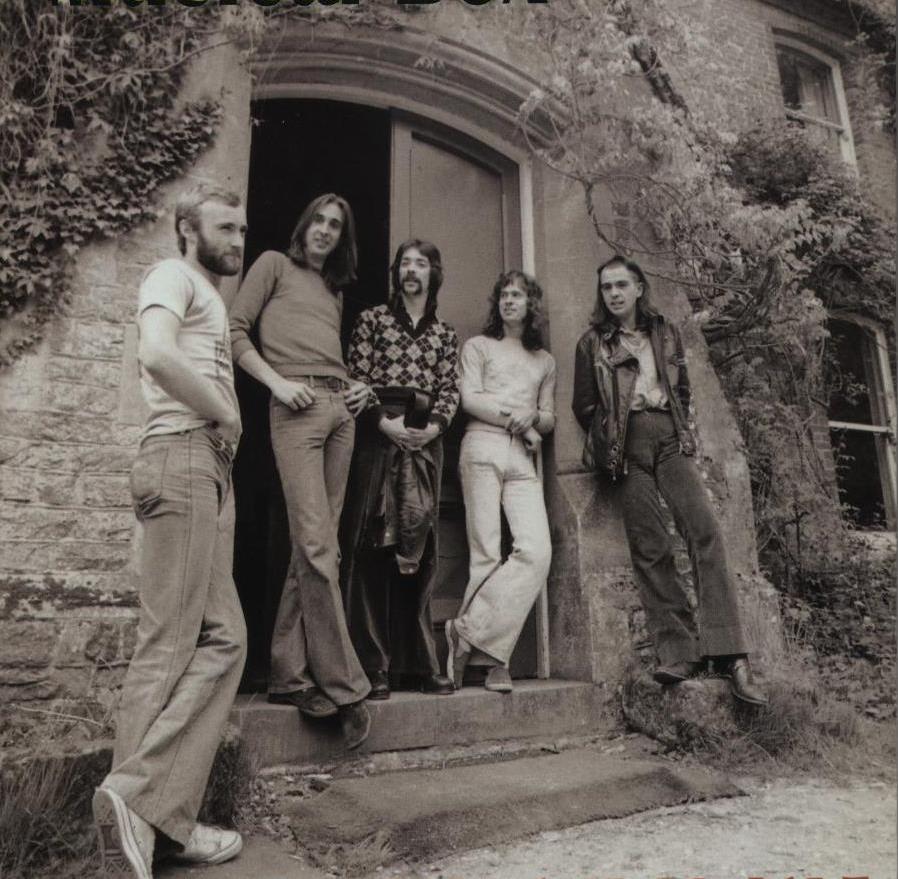
Band-wise, start with Genesis. They’re considered the most influential progressive rock group to progressive rock lovers. Becoming a big stadium band by the 1980s and exploring almost every style of progressive rock there is throughout their career, they are a band that is in the hearts of music lovers both inside and outside of the progressive rock world.
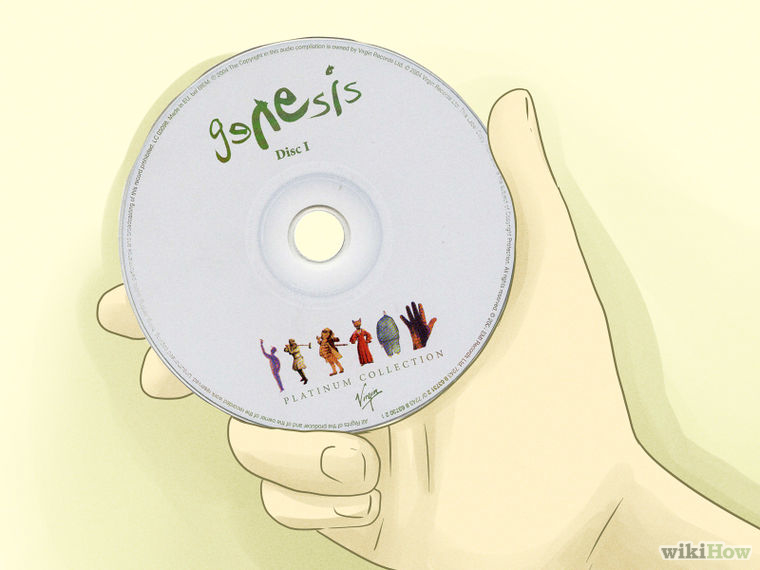
  • To start listening to this timeless band, get hold of their 3-disc compilation “The Platinum Collection” and listen to the three discs in order. The first disc features a lot of their pop music, some of which you may recognize from the radio, but it also contains some progressive rock material, mainly the two-part song “Home By The Sea” which is a highly accessible prog song to get into compared to others.
  • The second disc contains a good mixture of progressive rock and pop music, and this particular disc is great for acquiring a taste in the genre as it’s very accessible and light here, mainly due to the warm vocals of Phil Collins.
  • The third disc is the most challenging – it features just nine tracks from the Peter Gabriel era, with five of them clocking in at eight minutes and over. Start off by listening to the first two discs a few times, and then check out the third disc. It can be overwhelming due to the amount of talent on display and the lengths of the songs, especially on the third one, but don’t give up. These songs are very special to many progressive rock fans, and soon you’ll learn to love them.
  • Take note of the fast and complex keyboard solos from virtuoso Tony Banks, Steve Hackett’s usage of melodic guitar to create atmosphere, the intricate drumming from Phil Collins, Mike Rutherford’s clever bass playing and Peter Gabriel’s dark, powerful vocals.

pic 4

4

Move on to the albums. Once you’ve absorbed and enjoyed the music of the three discs, it’s time to listen to their albums.

  • “Duke” is an excellent place to start album-wise because it features the best mixture of their progressive rock and pop music. “…And Then There Were Three…” is also an accessible and highly recommended progressive rock album.
  • Make sure to check out the essential “A Trick Of The Tail” and “Wind And Wuthering” as these two albums arguably contain their most beloved Collins-era pieces and are both considered almost flawless.
  • If these two albums aren’t your cup of tea at the moment, try some of their later albums, like “Invisible Touch” and “We Can’t Dance”, which are very radio-friendly and easy to listen to, but also show off some of their progressive rock capabilities as well, though they are less obvious.
  • Once you’ve absorbed the Collins-era music, move onto the Gabriel-era albums as well. The five albums in this era (“Trespass”, “Nursery Crime”, “Foxtrot”, “Selling England By The Pound” and “The Lamb Lies Down On Broadway”) are all recommended here, and require multiple listens as there is a lot of complexity on offer.
  • The Genesis discography is full of extra stuff worth checking out as well, including live albums, B-sides and EP tracks and two multi-disc archive collections.

pic 7

5

Get into other bands. After getting into Genesis, whose albums hopefully should have given you an interest and hunger for more progressive rock music, try out some of other progressive rock groups from the era. This genre is very diverse and there are many different styles and bands to absorb. All of these bands, all hailing from the United Kingdom, are considered the greatest in the genre, and the ones that will help you advance further into the genre thanks to their albums:

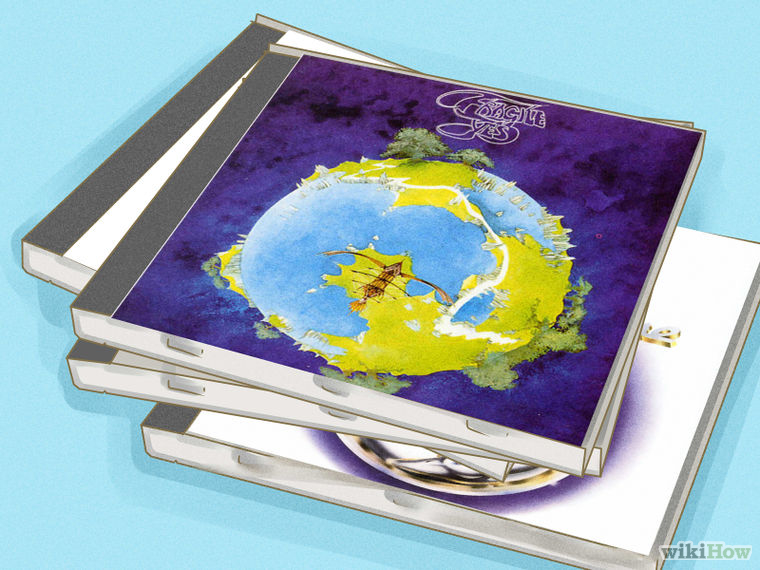
  • Yes – Similar to Genesis, this band is famous for their highly complex guitar and keyboard solos. Their songs are often science fiction-themed and are generally funky, eclectic, nonsensical and a lot of fun. Recommended albums are “Fragile”, “Close To The Edge” and “Going For The One”.
  • Pink Floyd – The most commercially successful and well-known progressive rock band, Pink Floyd’s music is highly psychedelic and experimental, with multiple elements of world music and science fiction shining through. Recommended albums are “Atom Heart Mother”, “The Dark Side Of The Moon” and “Wish You Were Here”.
  • Camel – A symphonic/eclectic prog group who are known for their luxurious and soothing guitars, melodic keyboards and proficiency for artful instrumental songs. Recommended albums are “The Snow Goose”, “Moon madness” and “Breathless”.
  • Gentle Giant – This band’s music is easy to get into and yet still very rewarding. Their songs craft an interesting medieval atmosphere, using brass, strings, percussion and woodwind instruments to great effect, and the slightly shorter lengths of their songs make them palatable for new prog fans. Recommended albums are “Three Friends”, “Octopus” and “Free Hand”.
  • Jethro Tull – A progressive folk group, whose songs feature a lot of folk and acoustic elements, woodwind incorporated by famous prog bandleader Ian Anderson, and guitar that ranges from bluesy to heavy. Recommended albums are “Aqualung”, “The Minstrel In The Gallery” and “Songs From The Wood”.
  • The Moody Blues – A crossover group who recorded mostly short and straightforward progressive rock songs that feature classical instrumentation and lyrics that range from poetic to amusing to touching. Another great band for prog newbies, especially those who love the Collins era of Genesis. Recommended albums are “Days Of Future Passed”, “On The Threshold Of A Dream” and “A Question Of Balance”.
  • Emerson, Lake & Palmer – A more difficult progressive rock band to get into, ELP’s music is largely based around the pianos and organs of keyboardist Keith Emerson, and their songs are often creatively chaotic and humorously over-the-top. Recommended albums are “Emerson, Lake & Palmer”, “Brain Salad Surgery”, “Tarkus” and “Trilogy”.
  • King Crimson – Like ELP, this band may be more difficult to get into, but are considered one of the most important progressive rock bands of all. Their style is mainly eclectic and sometimes jazzy with heavy guitars and a lot of other instruments being thrown into the mix. Like with ELP, their music often gets very chaotic (and sometimes quite scary), so proceed with caution. Recommended albums include “In The Court Of The Crimson King”, “Lizard” and “Larks’ Tongues In Aspic”.
  • Renaissance – With the angelic vocals of Annie Haslam, this is a symphonic prog band who mix a classical style with folk and world music. Recommended albums are “Prologue”, “Ashes Are Burning” and “Scheherazade And Other Stories”.

pic 8

6

Listen to each album closely. Take note of the sections of each of the songs you choose to listen to.

  • Close your eyes and try to imagine the scenarios that the songs are crafting, the themes being explored and the meanings of the lyrics. Play these songs again and again to really take in what is going on, comparing each song as you do so. And if you can’t get into a certain track, try another.
  • Remember to start with shorter tracks – if you can’t get into the longer songs, some over 20 minutes, don’t worry. These songs will arouse your interest eventually, as once you appreciate the shorter songs, the longer ones will appear more tempting. The longest progressive rock tracks are often the greatest, including songs such as Genesis’s “Supper’s Ready”, Yes’s “Close To The Edge” and Pink Floyd’s “Atom Heart Mother” all of which contain multiple parts with loads of surprises all the way through.

pic 9

7
Make sure to learn to appreciate concept albums. These kinds of albums are a significant part of progressive rock, as they are albums that tell stories and must be listened to from start to finish in order to be fully appreciated and enjoyed. Albums such as Genesis’s “The Lamb Lies Down On Broadway”, Camel’s “The Snow Goose” and The Moody Blues’ “Days Of Future Passed” are excellent examples of classic concept albums of the progressive rock genre, all taking the listener on magical adventures with every track being necessary to the experience.

pic 10

8
Learn to understand the amount of talent necessary for the music to be made. Progressive rock is a genre which requires mastery of one’s instrument and a large amount of knowledge on song-writing regardless of the style. Progressive rock albums take a long time to write, rehearse and record, and though not all go on to become classics, the most famous progressive rock albums, like Genesis’s “Selling England By The Pound”, Yes’s “Close To The Edge” and Pink Floyd’s “Dark Side Of The Moon” are considered landmarks in recorded music. If you play an instrument, you may want to try playing the genre yourself; it’ll take a while to adapt to a complex style if you are more accustomed to playing simpler songs on your instrument, but it’s well worth knowing how to play progressively.
pic 11
9
Watch performances by progressive rock groups on YouTube, to further appreciate the talent involved. There are loads of videos of various bands of this genre performing live and most of them will show you how they are able to make their music and project it to their audience. Make sure to note how the band carefully works together to perform their songs, including the broad range of playing techniques, the instruments used and the sense of unity. This can also help you get into styles of prog that you’re struggling with, as it can be interesting to see the passion of the group and the personality they give off.
pic 12
10

Talk to other progressive rock fans online. They’re easy to find if you use Google to search for progressive rock websites and forums, or Facebook for prog rock pages and groups. You can also join forums for individual prog bands, as these will almost always feature “other band” sections where you can discuss a wide variety of bands in the progressive rock genre and other genres as well. Here you discuss your progress with progressive rock, review your favorite and least favorite albums, and obtain the thoughts, opinions and band/album recommendations of people who may be experienced with the genre. You will find progressive rock fans to be among the kindest, cleverest and most open-minded people online, and they will more than happy assist you in your journey through prog.

Read up on the histories and discographies of each artist, reviews submitted by users for each album, the lists of the most beloved progressive rock albums of every sub genre and from every country, and any other things you might want to know. With enough effort and interest and discussion with other followers of the genre, soon you will be able to appreciate and explore the genre further.


 11
Remember that there are loads of progressive rock bands of all different kinds. Don’t feel like you have to bankrupt yourself by buying every album you can find. Recommended bands to explore outside of the golden years of progressive rock (the late 1960s to the late 1970s) include Porcupine Tree (psychedelic prog/progressive metal), Marillion (neo-progressive rock/art rock), Anathema (symphonic prog) and IQ (neo-progressive rock), among many others. It’s up to you – there’s a massive amount of choice for you in this genre and ProgArchives will help you find the ones you want. Soon enough, you will have built a large collection of excellent progressive rock albums.

Tips:

1. First and foremost, remember to continue to listen to music of other genres. Don’t just limit yourself to progressive rock – listen to many kinds of music from different eras for a good balance. This shows a varied and appreciative music taste.

2. Don’t be put off by the idea of pop albums produced by progressive rock bands. Though some progressive rock fans refuse to listen to the more commercial albums by prog groups, they are still worth listening to if you’re into commercial music as well, and they can often help ease you into newer bands. The most important thing about progressive rock is not to judge albums by how progressive they are but by the quality of the music.

3. Don’t feel as though you have to listen to exactly the same bands as other progressive rock fans. It’s such a diverse genre of music – arguably the most diverse ever – that many fans listen to completely different band and sub genres of this genre. However, remember that progressive rock fans are all united in their love for the music, regardless of personal preference.

4. Try to acquire as much as possible from the bands you enjoy. A band’s discography doesn’t stop at their albums – there are various live albums by progressive rock bands, like Genesis’s “Seconds Out”, Yes’s “Yes songs” and Camel’s “A Live Record” which are considered essential by fans, as well as loads of rare tracks and other surprises just waiting to be discovered.

5. If a band’s discography looks difficult to explore for any reason, try obtaining a compilation instead – like Genesis’s “The Platinum Collection”, compilations are great introductions to bands you might go onto enjoy.

6. Pay no attention to the people who say you need drugs to enjoy and create progressive rock. You don’t – all you need is an interest in creative music, an open mind to a diverse and often challenging genre, and imagination when understanding the music and when making it yourself (if you choose to do so).

Warnings:
1. Don’t force yourself to listen to more progressive rock then you can take in. Take breaks from it now and again and make sure it doesn’t dominate everything you do, otherwise you won’t be able to enjoy it. It’s not a race – you can take as long as you like to explore the genre, and there’s a very, very high chance that you’ll never be able to listen to all of it.
2. Make sure not to purchase progressive rock albums you know nothing about. Instead, always read reviews of and information on the album you want to buy to decide whether or not you are going to enjoy it. Or, if you want to, you can preview the music on YouTube or Spotify. Very few progressive rock fans enjoy bands from all prog sub genres, so it’s strongly recommended that you make sure you know what you’re buying before you buy it.
This blog recommends:
The Moody Blues:  On the Threshold of a Dream
Jethro Tull: Songs from the Wood
Yes: Close to the Edge
Genesis: Foxtrot
Big Big Train: English Electric (Part One)
Kansas: Point of Know Return
Threshold: March of Progress
A.C.T: Silence
Porcupine Tree: Stupid Dream
Nektar: Recycled

A History Of Short-Lived Band Reunions


(Reprinted from Rolling Stone)

Not all band reunions last – Here’s a look at some that seemed to be over before  they began

By Andy Greene

Earlier this month, Neil Young confirmed widespread suspicion that last year’s Buffalo Springfield reunion was over after a mere seven-show tour. “I have to be able to  move forward,” he said.  “I can’t be relegated. I did enough of it for right then.” But they aren’t the first band to reform with great fanfare, only to collapse again pretty quickly. Here’s a look at some others.

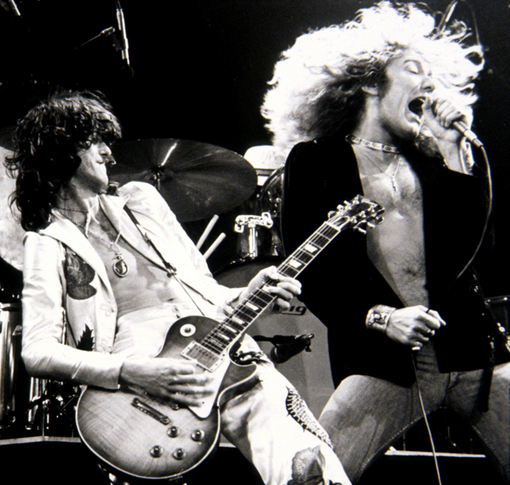
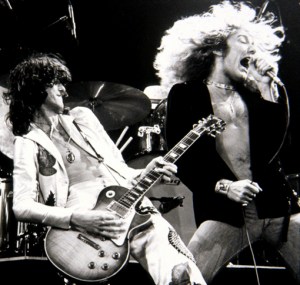
Led Zeppelin

Break-Up: 1980. The group dissolved immediately after the death of drummer Jon Bonham.

Reunion: The surviving members reformed for the rare special  occasion in the 1980s and 1990s, but in December of 2007 they did their first  full concert since the break-up at London’s 02 Arena.

Duration: One night. Jimmy Page and John Paul Jones were  extremely interested in a reunion, but Robert Plant had absolutely no interest.  In 2008 the group rehearsed with Steven Tyler and Myler Kennedy and even began  putting venues on hold for a tour, but ultimately came to their  senses.

Journey with Steve Perry

Break-Up: The group dissolved after their tour in support of  1986’s Raised On Radio. Frontman Steve Perry was exhausted and wanted  to take a long break.

Reunion: They played a couple of songs in 1991 at a Bill  Graham memorial show, but Perry shocked the band in 1996 when he agreed to  reform the group. They recorded the new album Trial By Fire and a  reunion tour was in the works. Their single “When You Love A Woman” even became  a big hit.

Duration: One album. Perry injured his hip while hiking  in Hawaii and required hip replacement surgery. He refused to set a date for the  procedure, delaying any shows. This caused tremendous tension within the band,  and in 1998 they hit the road with a replacement singer. Perry hasn’t sung a  note in public with Journey in over twenty years.

The Fugees

Break-Up: The Fugees spent five years struggling to  break big, only to implode almost immediately after becoming superstars. Looking  back, it was pretty inevitable. Wyclef Jean was dating Lauryn Hill, but he was  also seriously involved with another woman while they were together. At the same  time, Hill felt that she wasn’t getting enough credit for her contributions to  the band. Pras felt the same way. They split in 1997, about a year after The  Score hit shelves.

Reunion: Much to the surprise of pretty much everybody,  the group reformed in September 2004 to play Dave Chapelle’s Block Party in  Brooklyn. The following year they launched a European tour, and even released  the new single “Take It Easy.”

Duration: A little over a year, with large gaps of  inactivity within that. Everyone hated the new single, and Lauryn caused  tremendous tension by pulling an Axl on the tour and repeatedly coming out late.  To the surprise of nobody, they pulled the plug in early 2006.
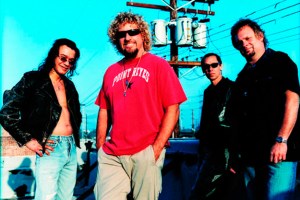
  

Van Halen (With Sammy Hagar)

Break-Up: Believe it or not, tension surrounding the  soundtrack to Twister caused Sammy Hagar to leave Van Halen in 1995.  The group had just finished a long world tour, and a worn out Hagar was  unwilling to fly right back to the studio and continue work on a song for the  disaster movie. When all was said and done, Hagar left the band.

Reunion: An ill-fated LP and tour with Gary Cherone  convinced the Van Halen brothers that they needed their old singer back. Both  sides had talked a lot of shit over the years, but they put that aside to record  some new songs for a compilation and launch a tour in 2004.

Duration: A little under a year. The tour coincided  with the peak of Eddie Van Halen’s alcoholism. Hagar and Eddie had  horrific clashes on tour (detailed in Sammy Hagar’s amazing autobiography) and  neither party has spoken with each otter since the final show in November of  2004. That’s also the last time Eddie spoke with original bassist Michael  Anthony.

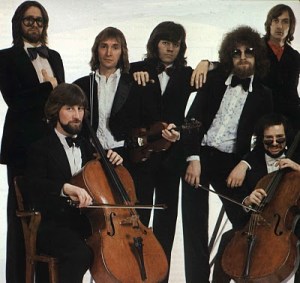
Electric Light Orchestra

Break-Up: In the summer of 1986, the group (now reduced to a  trio) toured in support of their new disc Balance of Power, and then  called it a day. Members of the group carried on in ELO Part II, but the group’s  leader Jeff Lynne was done. (Even later, The Orchestra rose from the ashes of  ELO Part II, but they were an offshoot of an offshoot and barely worth  mentioning.)

Reunion: Lynne always saw himself as the Trent Reznor of  ELO, and when he reformed the group in 2000 for the new album Zoom he  didn’t invite any of the original guys back – though keyboardist Richard Tandy  did wind up playing on one song. For some reason, Lynne was under the impression  the group could still fill arenas and a massive tour was announced.

Duration: One album and one TV concert. This was like  one of those 1950s rockets that crashed a few moments after takeoff. The group  did a single show for PBS, but the tour sold horribly and the entire thing was  called off before it even started. Lynne’s done a pretty good job of staying out  of the spotlight ever since, though he remains a busy producer.

The Supremes

Break-Up: Diana Ross left The Supremes in 1970, but  they carried on with new singer Jean Terrell and continued to score hits  and tour for a few years. By 1977 things had slowed down considerably and they  called it quits.

Reunion: Mary Wilson and Cindy Birdsong briefly put  aside their differences with Diana Ross at the 1983 Motown 25th Anniversary  Concert. (Founding member Florence Ballard died in 1976.) They performed  “Someday We’ll Be Together.” Three years later, Wilson released her memoir and  it was sharply critical of Ross, driving the two even further apart. In 1999  Ross reached out to Wilson and Birdsong about a reunion tour for the following  year, exactly 30 years after they had last played a full show together.

Duration: This one went really, really poorly.  According to multiple reports, Ross was offered around $15 million, Wilson was  offered $2 million and Birdsong $1 million. They asked for more, but were  ultimately replaced by two latter-day Supremes who had no history with Ross.  This resulted in a flood of negative press, and ticket buyers seemed to have  little interest in this “reunion.” The tour forged ahead, but was canceled after  less than a month.

Cream

Break-Up: Cream crammed a lot of music into their two-year  career. According to legend, Eric Clapton decided to break up in the band in  1968 when he first heard the Band’s debut LP Music From Big Pink, and  when he read a scathing review of the group’s music in Rolling Stone by  Jon Landau. In November of 1968 they played a farewell show at Madison Square  Garden.

Reunion: The group played in 1993 at their induction into  the Rock and Roll Hall of Fame, but that didn’t lead to any other activity until  2005. At the time Jack Bruce was recovering from liver cancer, and Ginger Baker  was struggling with arthritis.  To Clapton, it seemed like it was  now or never. They played four shows at the Royal Albert Hall in May of 2005,  followed by three shows at Madison Square Garden that October.

Duration: Five months. The reunion fizzled out during  the three-night stand in New York. “In many ways, I wish we had left it at the  Royal Albert Hall,” Clapton wrote in his memoir. “But the offer was too good to  refuse … My heart had gone out of it, and also a certain amount of animosity  had crept back in.” They haven’t played together since.

Genesis

Break-Up: In 1997 Genesis made the ill-fated decision to  carry on without Phil Collins. Former Stiltskin singer Ray Wilson was brought  into the band, and they released the new LP Calling All Stations. The  disc sold extremely poorly, as did their tour. Ticket sales were so bad in  America that the entire tour was called off. The tour ended in May of 1998 in  Germany, and the group quietly ended afterwards.

Reunion: In November of 2005 Phil Collins came to Glasgow on  his First Final Farewell tour. Backstage he met up with his former bandmates  Peter Gabriel, Steve Hackett, Tony Banks and Mike Rutherford to discuss a  reunion tour. The plan was to perform their 1975 rock opera The Lamb Lies  Down On Broadway straight through. Gabriel only wanted to do a tiny number  of dates, and when he felt pressure to commit to a longer tour he bowed out of  the whole thing. With him out of the picture, the 1980s line-up of Collins,  Banks and Rutherford decided to tour instead. In 2007 they did 47 dates across  Europe and North America.

Duration: Four months. The tour ended at the Hollywood Bowl  in October of 2007. On the tour Collins dislocated some vertebrae  in his  neck. It caused nerve damage in his hands, making it nearly impossible for him  to play drums. Collins is now completely retired from music, and any sort of  Genesis reunion seems incredibly unlikely.
Songs You May Have Missed #55

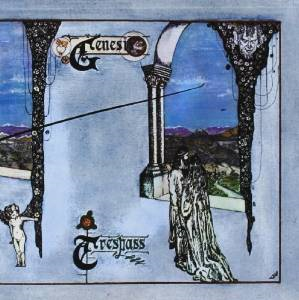
trespass

Genesis: “Dusk” (1970)

From the band’s classic lineup, fronted by Peter Gabriel. Progressive rock truly enjoyed a golden age in the late 60’s/early 70’s, when bands were for the first time discovering nearly limitless freedoms in both lyrical subject matter and song length.

But it wasn’t always about complexity and dazzling virtuosity. Sometimes Prog was just about creating a thing of beauty, like this relatively overlooked gem from the Trespass album.

See also: https://edcyphers.com/2024/12/25/recommended-albums-91/