The Wild True Story Behind Kendrick Lamar’s Super Bowl Halftime Show

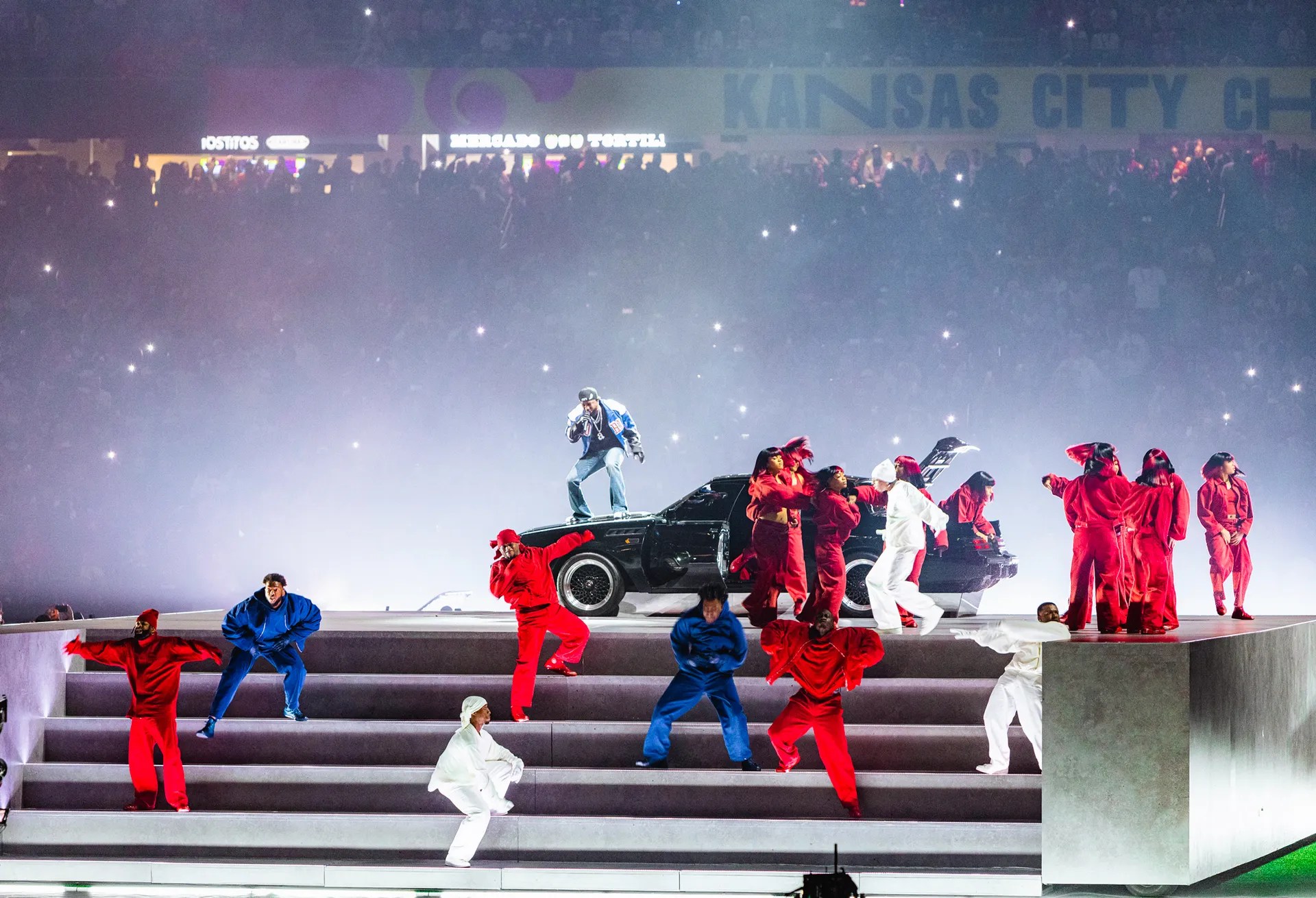
From the start, Kendrick Lamar wanted to turn his life into a video game for his big Super Bowl halftime show. The team tasked with doing that knew what to do—right down to sourcing a vintage GNX.
Photograph: Darrell Jackson

(via Wired) by Angela Watercutter

Kendrick Lamar wanted a GNX. Not the one from the cover of his new album of the same name. One that could be gutted and turned into a “clown car” for his Super Bowl LIX halftime show. That’s how Shelley Rodgers, the show’s art director, tells it. Rodgers has solved such big-stage problems for everyone from Beyoncé to Lady Gaga; she won an Emmy for her work on Rihanna’s halftime show in 2023. A car wasn’t a huge deal, but she still needed to find one. They couldn’t borrow Lamar’s own Buick Grand National because they’d kind of need to destroy it to pull off the visual trick.

“That car was not easy to find, especially since he dropped his album,” Rodgers says. “We could have just used his, but I don’t know that he would’ve liked it after.”

Erik Eastland from All Access, the company responsible for fabricating the stage for Sunday’s show, was the one who found what Lamar wanted. Eastland and his team located the GNX at a mom-and-pop car lot in Riverside, California, after a thorough search and at least one near mishap…
Read more: https://www.wired.com/story/true-story-behind-kendrick-lamar-super-bowl-halftime-show/?utm_source=firefox-newtab-en-us

Kendrick Lamar Just Rewrote the Rules of the Super Bowl Halftime Show

Kendrick Lamar performs onstage during Apple Music Super Bowl LIX Halftime Show at Caesars Superdome on February 09, 2025 in New Orleans, Louisiana. Gregory Shamus—Getty Images


(via Time) By Andrew R. Chow

When the NFL announced Kendrick Lamar as the Super Bowl halftime show performer in September, both his critics and fans expressed doubt that he would be up for the job. To naysayers, Lamar was too verbose, too political, too obscure for pop music’s biggest stage, which has typically featured culturally safe icons belting universally beloved anthems to the stadium rafters. Some instead clamored for New Orleans’s own Lil Wayne, a living embodiment of the raucous creativity and bacchanalia of the city hosting Super Bowl LIX.  

Conversely, Lamar’s fans worried that the narrow confines of the televised gig would require him to compromise his artistry; that even the act of him performing on such a corporate stage was a sign of him selling out or renouncing his activist, anti-establishment roots. There seemed to be no way that Lamar could both win over the masses yearning for spectacle and his diehards hoping for a thunderbolt of Pulitzer-level genius

But Lamar’s superpower has long been his unique ability to navigate this exact tension between message and reach: to tell stories of American pain and oppression without coming off as preachy; to challenge audiences lyrically and musically while widening his listenership. And on Sunday, this balancing act was on full display. Lamar delivered a Super Bowl performance wholly unlike any other before it, in which the aim was not to summon nostalgia or comfort but to demand full attention and active listening from his audience. 

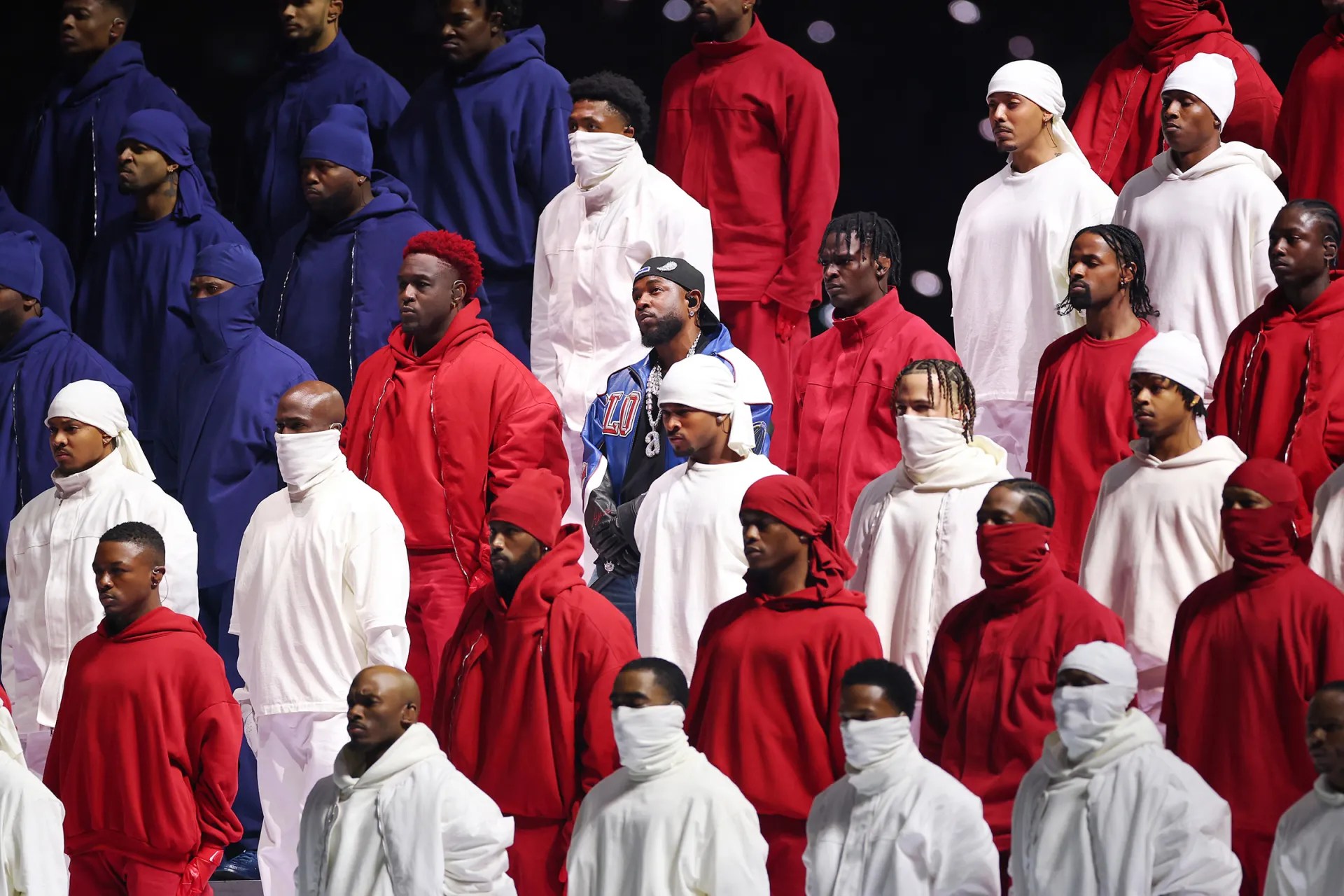
What Lamar lacked in singalongs, he made up for in narrative, visual stagecraft, and sly political commentary—while also slamming the casket on his rap feud with Drake for good. “The revolution ‘bout to be televised,” he warned his audience at the top of the show. “You picked the right time, but the wrong guy.” 

Read more: https://time.com/7214228/kendrick-lamar-super-bowl-halftime-show-analysis/