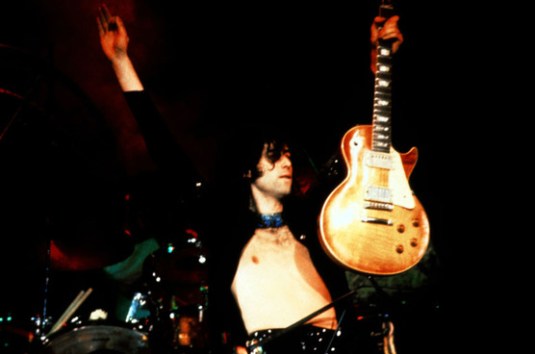
Yes, Jimmy Page Can Play the Guitar. The Question is, Can He Stop?

The following is a provocative post reprinted from NME:

Sacred Cows – Help, I Don’t Get Led Zep

Sacred Cows is an occasional series in which NME writers question the consensus around revered albums and artists

By Mark Beaumont

When I go for an expensive meal, I don’t want more side order vegetables than steak. At the cinema, I don’t want more credits than film. So as the NME office quakes to the sound of ‘Celebration Day’, the live album from Led Zeppelin’s O2 reunion show in 2007, I’m left increasingly baffled as to how this tiresome band’s plodding, self-indulgent arse gravy has managed to creep into the realms of respected classic rock.

I mean, don’t get me wrong, I like a good solo. Joey Santiago is clearly a supernatural hyper-wizard from a far wonkier dimension than our own. Matt Bellamy’s fingers must’ve been beamed down from Planet Acewiddle. But alongside virtuosity and melodic panache, a great solo displays restraint, doesn’t outstay its welcome. Except in Led Zeppelin’s world. Here’s a live album that’s approximately 80 per cent solo, 18 per cent aimless jam and two per cent actual song. Yes, Jimmy Page can play the guitar. The question is, can he stop?
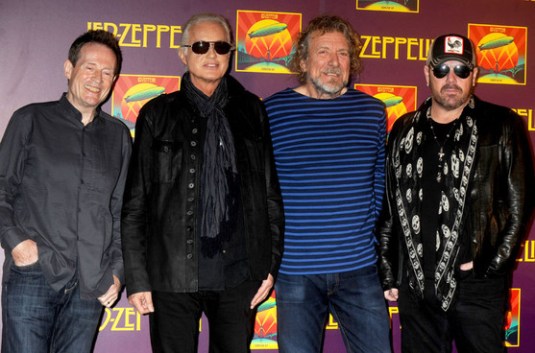
The live album merely serves to reinforce my feelings about Led Zeppelin – that they’re the worst excess of over-rated prog blues wank in rock history. They’re credited with inventing heavy metal (although ‘Helter Skelter’ arguably pipped them to that) but the shroud of black magic and mysticism that surrounded the band in the 70s was a smokescreen to disguise the fact that they were merely pomped-up, cock-fixated blues hacks recycling stolen riffs and hooks and plagiarizing willy-nilly from old blues, rock’n’roll and folk records like copyright laws were beneath them – “you only get caught when you’re successful, that’s the game,” said Plant after being caught with his hand in Willie Dixon’s lyric jar.
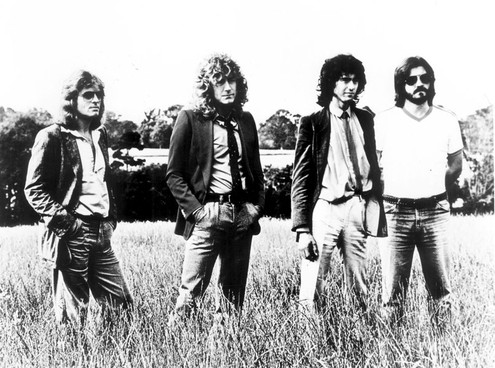
Yes they came up with some ass-annihilating riffs in their time, but – especially live – they’d often swamp their finest licks in extended trad jams, nails-down-blackboard whining and proggy pastoral wafts, dragging the burgeoning 70s hard rock explosion back into the hackneyed improvisational habits of ancient jazz and blues. The noxious ‘art’ of padding out arena gigs with tedious extended plank-spanking sections sprang from this period, and Zeppelin were at the forefront of making this mass wastage of precious audience lifespan acceptable. Their albums were tighter but, to these ears, no less dreary: walloping wads of muddy blues/folk rock that stared ever backwards at a time when so much more intriguing music was looking towards a glistening pop/punk/disco future.

Heavy rock crunch? The Who and Black Sabbath did it better. Glam-era glamour? Give me Bowie or Bolan any day. To this day, it’s only the rock’n’roll mythology of Led Zeppelin – the red snappers, in-room motorbikes and occult rituals – that keep their memory in any way interesting or edgy, and even these were ripped off the likes of Keith Moon, Robert Johnson and The Rolling Stones. Strip the myths away and you find that everything saggy, overblown and boring in rock music is Led Zeppelin’s fault – hardly a cause for celebration.

Page and Plant Reunite in Exotic Marrakesh, 1994

(Reprinted from Open Culture)

In 1994 Jimmy Page and Robert Plant collaborated on a new musical project for the first time since the death 14 years earlier of Led Zeppelin’s drummer, John Bonham. The reunion resulted from an invitation to appear on MTV’s hit series Unplugged. But Page and Plant wanted to steer clear of nostalgia, so they excluded former Zeppelin bassist John Paul Jones from the project and named it Unledded.

The resulting album and DVD feature an assortment of Zeppelin songs that were reinterpreted with the help of an Egyptian ensemble, an Indian vocalist and the London Metropolitan Orchestra, but perhaps the most interesting part of the project was a trio of new songs recorded with local musicians in Marrakesh, Morocco. Those performances, one of which is shown here, were the result of a collaboration with traditional musicians of the Gnawa minority, whose sub-Saharan ancestors were brought to Morocco many centuries ago as slaves.

“We’d never met the Gnawa when we went there,” said Plant in a 1994 interview, “but they were very patient, and smiling is a great currency.” Gnawa music is traditionally performed for prayer and healing, and differs from other North African music. “They play a kind of music which is much more akin to the music of the Mississippi Delta than it is to do with Arab music,” Plant said in another interview. “It’s haunting, seductive, and quite alluring.”

Video

Oops! I Meant “They’re One of the Greatest Bands Ever”: Rolling Stone’s Original Review of Led Zep’s Debut

Led Zeppelin 1

You can find plenty to criticize about Rolling Stone magazine these days. What was once perhaps the foremost periodical devoted to Rock and Roll music and culture now regularly follows the careers of Justin Bieber and Taylor Swift as if they were Bob Dylan and Neil Young.

And the seemingly bi-weekly special issues built around the Top 100 this or the Top 500 that are kind of played out, no?

But hypocrisy is funny too. And it’s interesting to note that Swift not only merits a RS cover story but she also gets better reviews than Led Zeppelin once did. The magazine heaped flattery on her Speak Now album (see full review here: http://www.rollingstone.com/music/albumreviews/speak-now-20101026 )

…And for contrast I’ve reproduced John Mendelsohn’s review of Led Zeppelin’s 1969 debut. I consider it one of the bigger whiffs in the history of rock criticism (although I do give the magazine props for reproducing it in a 2011 issue). It’s not so much that I disagree with everything Mendelsohn said, it’s just amusing to note how quickly after this scud review the magazine set about elevating the band to status of rock immortals. Despite the cred Jimmy Page had earned as a member of the Jeff Beck Group, Mendelsohn makes them sound like mere mortals indeed, even hacks:

‘Led Zeppelin’: Blues Combo Dead on Arrival

Jimmy Page is, admittedly, an extraordinarily proficient blues guitarist and explorer of his instrument’s electronic capabilities. Unfortunately, he is also a very limited producer and a writer of weak, unimaginative songs. The most representative cut is “How Many More Times.” Here a jazzy introduction gives way to a driving guitar-dominated background for Robert Plant’s strained and unconvincing shouting. Zeppelin has produced an album sadly reminiscent of the Jeff Beck Group’s Truth. To fill the void created by the demise of Cream, they will have to find some material worthy of their collective attention.

I don’t know if Mendelsohn’s opinion of Plant changed once his “strained and unconvincing shouting” made him a rock god, or if  he still thought Page was a “writer of weak, unimaginative songs” post- “Stairway to Heaven”…but I think I know the official RS editorial position on the matter.

Led Zeppelin: Men Of Steal

When people mention Led Zeppelin poaching other people’s music, is this the kind of thing they’re talking about?

http://grooveshark.com/#!/s/You+Need+Loving/3LHjxS?src=5

(from 1966, credited to Ronnie Lane and Steve Marriott)

Next Newer Entries