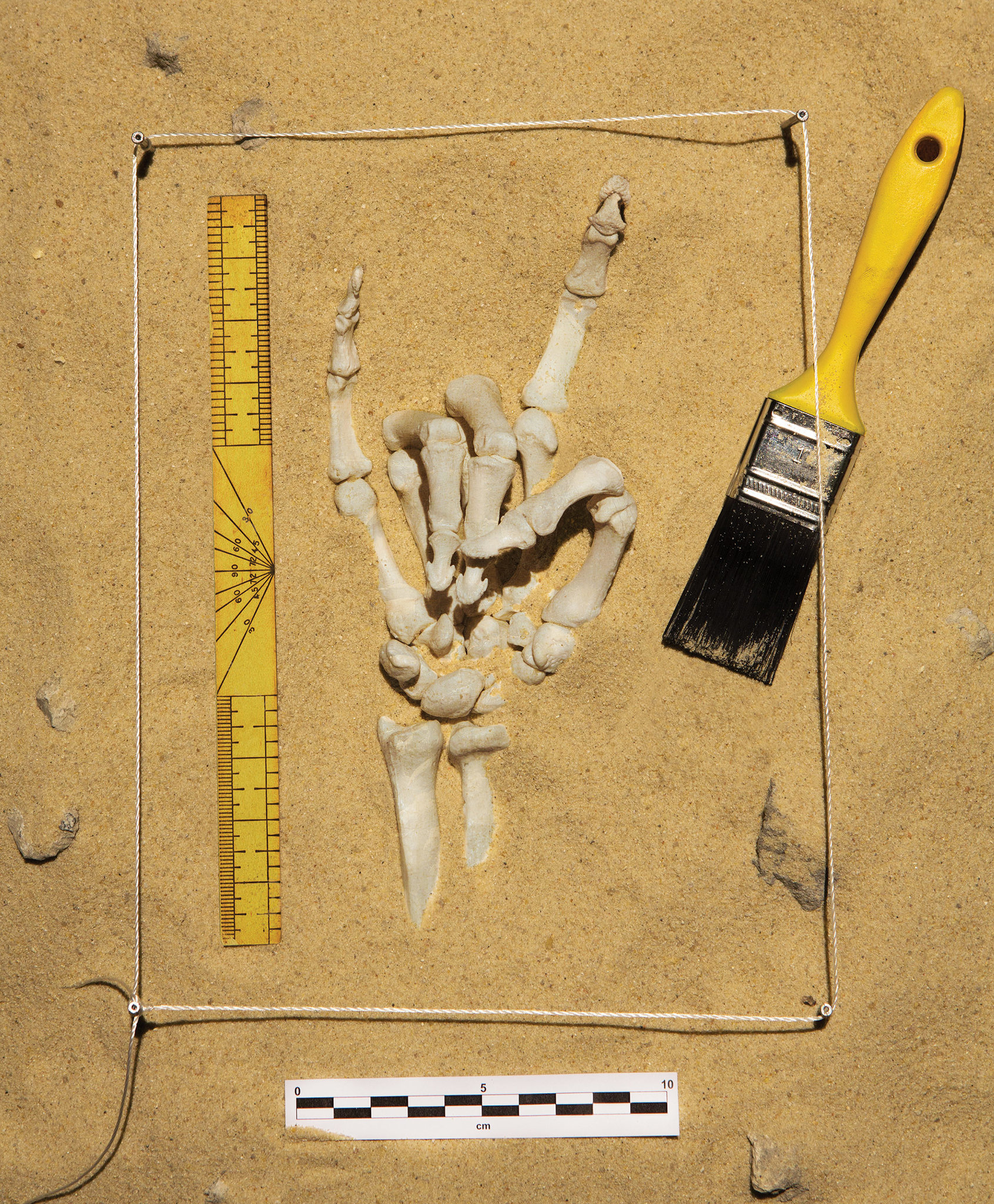
Quora: What killed rock music?

(via Quora) Answered by Sean Morrison

What killed rock music?

Success, basically.

For a short period, in the late sixties and early seventies, the recording industry lost control of the music for the first time in history. They literally had NO IDEA what would or wouldn’t sell, and they were dealing with musicians who hadn’t come up through the club circuit, so they didn’t follow the script of previous generations of musicians.

Also, a lot of them wrote their own songs! The Beatles opened the doors to bands and performers having the ability (if they were savvy enough) to control their money, though most got outfoxed on that score.

But for a brief period, performers had a level of power and control that had never existed before. The recording industry was literally throwing money at EVERYBODY and letting them do whatever they wanted, because they had no idea what would or wouldn’t succeed.

So you had an explosion of unfettered creativity. Helped that there was probably the greatest collection of talent that had ever existed in popular music just doing whatever the hell they wanted.

But the first generation got rich, got lazy, got egotistical, and gradually started either running out of ideas or actually dying.

Meanwhile, the industry was starting to figure things out. And you started to see, in the late 70s and early 80s, the evolution of bands specifically designed to fit into the industry’s boxes. The whole concept of “commercial” rock became first a possibility, then a standard. New bands were willing to play the game according to the industry’s rules, and the older acts started opting for commercial success over music as an art form.

And let’s face it…after a decade, the fans started growing up and getting more boring. As Greg Allman of the Allman brothers put it, the same people who had dropped acid in the 60s and wanted an hour of Whipping Post all started doing cocaine in the 80s and wanted all the songs under five minutes!

And once the industry sussed it out, every attempt to bring rock back to its radical roots was quickly quashed and made “acceptable.” So punk quickly went from Television to Blondie. “Alternative” quickly found IT’S way “commercially viable” and so on.

So it goes. At least SOME of us got to live through it and watch it die. Those were good times.

The Coming Death of Just About Every Rock Legend

(via The Week) by Damon Linker August 31, 2019

Rock music isn’t dead, but it’s barely hanging on.

This is true in at least two senses.

Though popular music sales in general have plummeted since their peak around the turn of the millennium, certain genres continue to generate commercial excitement: pop, rap, hip-hop, country. But rock — amplified and often distorted electric guitars, bass, drums, melodic if frequently abrasive lead vocals, with songs usually penned exclusively by the members of the band — barely registers on the charts. There are still important rock musicians making music in a range of styles — Canada’s Big Wreck excels at sophisticated progressive hard rock, for example, while the more subdued American band Dawes artfully expands on the soulful songwriting that thrived in California during the 1970s. But these groups often toil in relative obscurity, selling a few thousand records at a time, performing to modest-sized crowds in clubs and theaters…

Read more: https://theweek.com/articles/861750/coming-death-just-about-every-rock-legend

Which Rock Star Will Historians of the Future Remember?

rock

The most important musical form of the 20th century will
be nearly forgotten one day. People will probably learn
about the genre through one figure — but who might that be?

(via the New York Times Magazine)

MAY 23, 2016

lassifying anyone as the “most successful” at anything tends to reflect more on the source than the subject. So keep that in mind when I make the following statement: John Philip Sousa is the most successful American musician of all time.

Marching music is a maddeningly durable genre, recognizable to pretty much everyone who has lived in the United States for any period. It works as a sonic shorthand for any filmmaker hoping to evoke the late 19th century and serves as the auditory backdrop for national holidays, the circus and college football. It’s not “popular” music, but it’s entrenched within the popular experience. It will be no less fashionable tomorrow than it is today.

And this entire musical idiom is now encapsulated in one person: John Philip Sousa. Even the most cursory two-sentence description of marching music inevitably cites him by name. I have no data on this, but I would assert that if we were to ask the entire population of the United States to name every composer of marching music they could think of, 98 percent of the populace would name either one person (Sousa) or no one at all. There’s just no separation between the awareness of this person and the awareness of this music, and it’s hard to believe that will ever change…

Read more: http://www.nytimes.com/2016/05/29/magazine/which-rock-star-will-historians-of-the-future-remember.html?_r=0

_____________________________________

While I found this a worthwhile article with a fun premise, it’s a premise I don’t necessarily accept. True, we’ve reduced marching music to Sousa, as he was head and shoulders above his contemporaries in the field. And Marley will undoubtedly be used similarly as shorthand for reggae someday for the same reason.

But the phenomenon of a single artist becoming synonymous with a genre breaks down when you consider classical music.

Centuries later, the music of a wide variety of classical composers still lives on and no single one sums up the genre for us. Perhaps J.S. Bach represents the baroque period best, and Beethoven the romantic era, but Mozart will never be forgotten and none of these three, as great as they were, can sum up the genre the way Sousa does marching music.

I think it more likely rock music will similarly live on without being reduced to a single figure as representative. It’s rock music’s diversity that separates it from reggae and marching band music, and that diversity will afford it a more complex legacy.