“Hyper-literate” is an adjective often applied to songwriter Colin Meloy of the Decemberists. And his eclectic influences include British murder ballads, 70’s power-chord prog rock, the Civil War, sea shanties, Japanese folk tales and much more in between.
Meloy definitely favors the “archaic” entries in his well-thumbed thesaurus, giving his ambitious writing a distinct sepia tint beyond the linguistic reach of most writers. But it’s the ability to make all this accessible to the pop music ear that is the true genius of the man.
His hyperliteracy fuses with hyper-catchy pop sensibilities here as Meloy threatens to “burn this whole city down”–in the most appealing pop rock way.
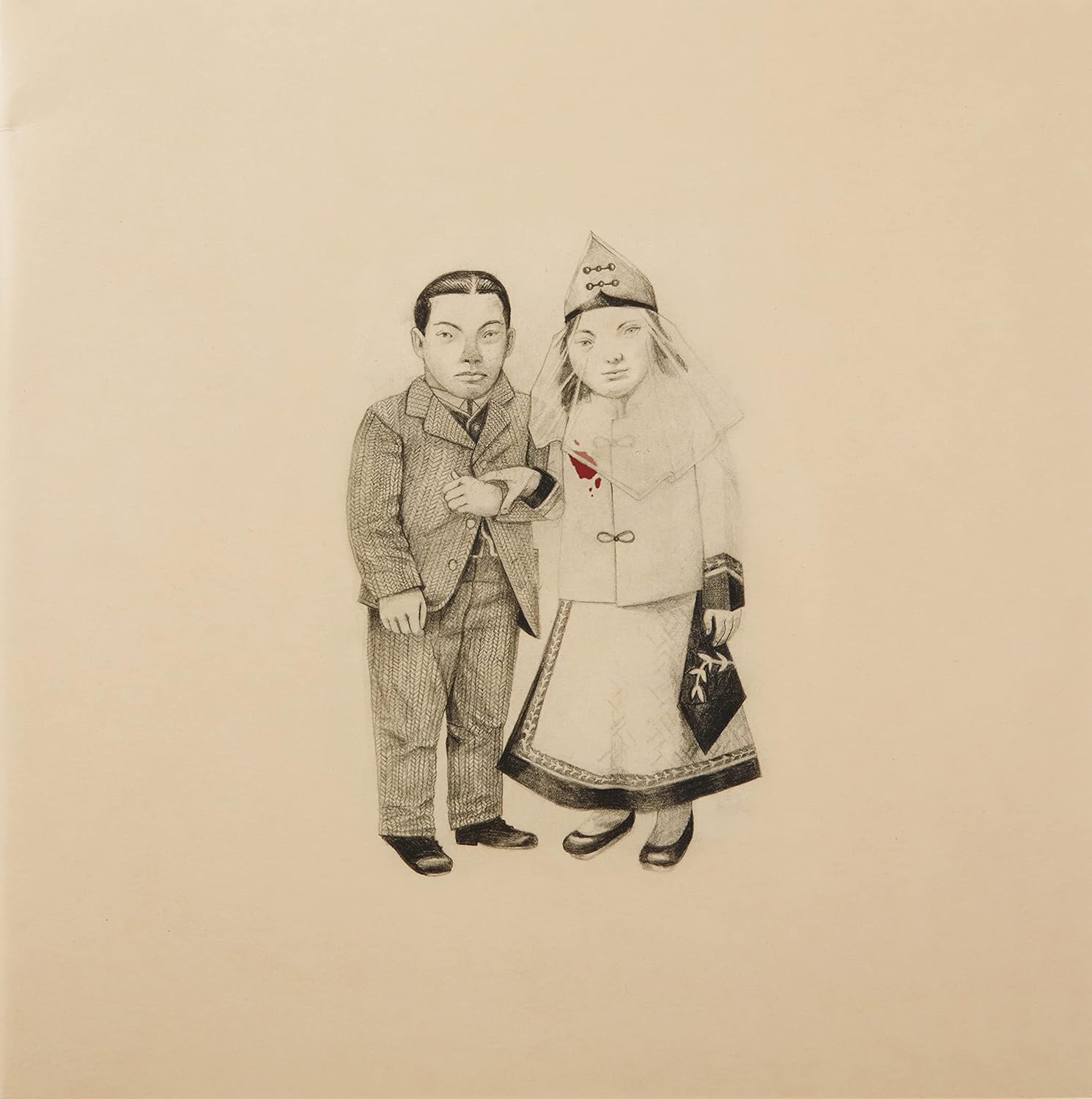
Picaresque was the Decemberists’ final indie label album before they signed with Capitol records, released the rock opera masterpiece The Hazards of Love and followed it with a number one album, The King is Dead, among other accomplishments.
And although I just referred to the 2009 folk/prog conceptual Hazards as a masterpiece, I would call Picaresque their best collection of songs–perhaps the best any band produced in the decade of the 2000’s.
Lit rock…geek rock…British folk-infused Dickensian rock…whatever label you apply to this iconoclastic assembly’s music, songwriter Colin Meloy’s hyper-literate, hyper-imaginative tunes set them apart, and earn them more fans and critical acclaim with each release.
Meloy has always liked a good murder ballad, and death and tragic circumstance are staples of his dark-yet-alluring tunes. Put across with appealing melodies in a dialect seemingly all his own, his lyrics typically are as cheerful as the black plague, as exemplified by “We Both Go Down Together” and the epic “Mariner’s Revenge Song” here.
But unlike most bands who specialize in dark, sulky angst it’s clearly a vaudeville here. Of course, the character traits may ring familiar and the harsh lessons may apply in real life. But the songs themselves, constructed out of archaic language and given a veneer of Thespian melodrama, are like the rock music equivalent of unsanitized Brothers Grimm fairy tales. There’s danger, but it’s all ultimately charming, fanciful, bewitching.
If this album appeals to you, the good news is that there is a whole lot more Decemberists catalogue to explore. This band has yet to make a dud album. And my recommendation if you tackle The Hazards of Love next is to listen to the entire 60-minute piece uninterrupted and undistracted, with both lyrics and a concordance at hand. Then listen again. It’s jaw-droppingly brilliant and the best evidence one could cite to make an argument that the era of the ambitious art-rock concept album isn’t quite a thing of the past.


 Every Moment Has A Song