Story Behind The Song: The Mamas and the Papas–I Saw Her Again

The Mamas And The Papas: “I Saw Her Again” (1966)

Marital infidelity is tragic. But when it happens to great songwriters, it’s damn catchy to listen to.
mac

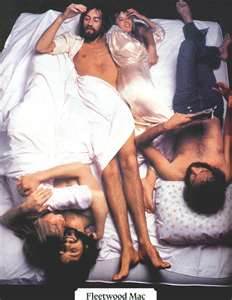
A decade before Fleetwood Mac’s critically wounded marital relationships spilled blood on the tracks of the classic Rumours album, The Mamas And The Papas similarly spun gold from domestic strife. John Phillips’ “Go Where You Wanna Go” and Lindsey Buckingham’s “Go Your Own Way” are like two sides of the same coin lyrically, as well as the work of two songwriters brave enough to let the world sing along to their State Of The Marriage addresses. But “I Saw Her Again” is where things really get twisted.

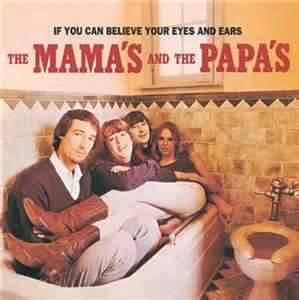
As a piece of pop music “I Saw Her Again” (a #5 hit in 1966) is pure brilliance. John Phillips (pictured below looking displeased about being at the wrong end of the tub) was one of very few who could rival what Brian Wilson did in terms of layering vocal parts. Even if you’ve heard this song a thousand times, a fresh listen with special attention to the complexity of the vocal arrangement can be a revelation. Also, as was the case with much 60’s pop, some cool stereo panning effects were used. If you’re able to listen to the song through only the left speaker, then a second time using only the right, you’ll have two totally different listening experiences.
mamas

As for the twisted part, the song arose from an affair between Phillips’ wife (and bandmate) Michelle and Denny Doherty, the lead singer of the song–an affair which caused such tensions within the group it even let to Michelle’s temporary expulsion from it. Although Doherty has a co-writing credit on the song, the extent of his input is unclear and may have only been on the musical side. Essentially the song was John’s retribution against Doherty for the affair. One might imagine a tense vibe in the room when the song was recorded, to say nothing of Michelle and Denny’s discomfort at having to sing the song in public every night. It seems John Phillips’s creativity wasn’t limited to the recording studio. “I Saw Her Again” is the best case on record of songwriting as revenge.

Of additional interest is Doherty’s famous false entrance on the last chorus of the song. If you listen just after the 2:14 mark you’ll hear him come in prematurely with the words “I Saw Her…”. Producer Lou Adler, on hearing the playback, loved the way the mistake sounded and left it in. The side-to-side stereo panning of the first and second “I Saw Her” helped make it sound more like an intentional part of the song’s arrangement (more studio genius). But to one discerning listener named Paul McCartney the lyric’s accidental nature was obvious. “No one is that clever”, he’s reported to have said.

Great song. Great arrangement. And a miscue that’s a hook unto itself–a little sonic icing on the cake.

Apparently others artists liked the way it sounded too. Listen to Lovin’ Spoonful’s “Darling Be Home Soon” (1967) for John Sebastian’s little homage to Doherty’s false start:

…and to Kenny Loggins’ less successful attempt at the same kind of thing on his 1980 hit “I’m Alright”:

Oh, and John and Michelle eventually divorced. And now, as Paul Harvey used to say, you know the rest of the story.

Recommended Albums #6

bc

BC Camplight: Hide, Run Away (2005)

If you combine the piano pounding sounds of Ben Folds, melodies reminiscent of Bacharach and Nilsson, and the wacked-out sensibilities of post-Pet Sounds Brian Wilson you begin to close in on the coordinates of Philadelphia-based songwriter Brian Christinzio, a.k.a. BC Camplight.

Hide, Run Away is lyrically dark at times, but wrapped in appealing melodies of the stick-in-your-head variety. On a few tracks the Wilson admirer Christinzio determinedly emulates the sonics and instrumentation of Pet Sounds-era Beach Boys.

Leadoff track “Couldn’t You Tell” is a Bacharach-flavored lounge-y bossa nova (in a good way) that pretty much sets the lyrical tone on the album’s first line:

And if you offer me a second chance/then I would quickly need another

“Emily’s Dead To Me” finds the singer reassuring the object of his affection that another girl is no longer her rival–the phrase and song given a dark twist once it’s revealed he’s talking to that other girl’s mom.

BC Camplight’s follow-up featured the same cheerful melodies, twisted sentiments–and another bizarre album cover.

See also: https://edcyphers.com/2013/11/04/songs-you-may-have-missed-499/

See also: Songs You May Have Missed #683 | Every Moment Has A Song (edcyphers.com)

Listen to: “Couldn’t You Tell”

Listen to: “Oranges In Winter”

Listen to: “Blood And Peanut Butter”

David Lee Roth Tells the Real Story of the Brown M&Ms

http://vimeo.com/36615187

There was a logic behind Van Halen’s legendary brown M&Ms contract rider, not just egocentric rock star posturing (who, Dave?). I like the way he makes trashing a dressing room sound just like typing a memo. Even better I like the way he works “bosoms” into an explanation of contract riders. I wish more throwbacks like him were still around.

Video

Songs You May Have Missed #15

april

April Smith and the Great Picture Show: “Colors” (2010)

It’s a pseudo sea chantey, it has accordion and a kazoo solo. What more could a song do to get you to like it?

See also: https://edcyphers.com/2013/01/30/songs-you-may-have-missed-314/

Songs You May Have Missed #14

albion

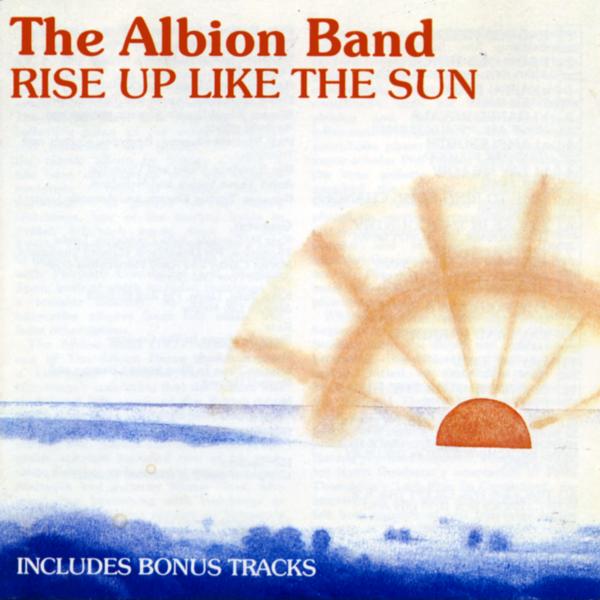
The Albion Band: “Ampleforth/Lay Me Low” (1978)

Ashley Hutchings’ Albion Band was a loose collective of some of the leading lights of British Folk Rock, an ever-changing lineup that first gathered under that name to help record Shirley Collins’ landmark 1971 Folk album No Roses.

Even the name of this band could alter slightly from one release to the next (Albion Dance Band, Albion Country Band, Albion Christmas Band) depending on the given music’s focus. The Rise Up Like The Sun album, from 1978, featured a typical Who’s Who cast, including Richard and Linda Thompson, who can be heard in the vocal section of this track.

This song, like much 70’s British Folk Rock, blended traditional and progressive musical elements. It was inspired by an old Shaker hymn, but has a sweet electric guitar solo. The lyric seems to be about the wish for death. But coolest of all is the fact that the words of each line dictate the bar lengths, which are irregular. I used to think folk music was about rehashing the past without imagination. Until I discovered the Good Stuff.

Songs You May Have Missed #13

blind

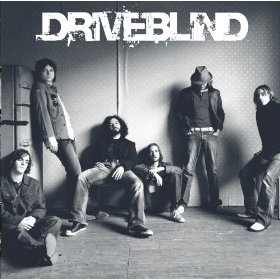
Driveblind: “Leave Home (Save Yourself)” (2006)

Driveblind were from Scotland, and…that’s pretty much all I know about them. Except they aren’t around anymore. And if they’d come up with a bunch more songs this good, they probably would be.

Previous Older Entries Next Newer Entries