I was 10 years old when “The Monkees” debuted on NBC, and I never missed an episode. In no time, I was obsessed, spending my allowance on things like a Monkees bracelet and a plastic hologram ring—trinkets I’ve kept to this day. Naturally I joined the fan club and still have my official membership materials, along with every one of their records. All four Monkees were adorable, but it was Davy Jones who captured my heart…
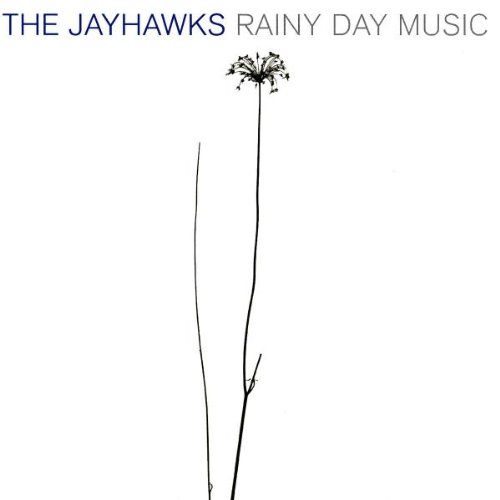
Alt-country pioneers the Jayhawks, led by front man and main songwriter Gary Louris, released perhaps their defining statement with their seventh album, 2003’s Rainy Day Music.
The Ethan John’s-produced record was a return to the band’s core country-rock and jangle-pop musical sweet spot after their previous album Smile, produced by Bob Ezrin, experimented with drum loops, electronic sounds and other decidedly un-Americana touches.
Fortunately the sweet melodies and pop hooks remained intact. Bands like the Byrds, Buffalo Springfield and even Crosby, Stills and Nash are regularly cited as points of reference to describe the Jayhawks’ sound, but it’s the songwriting of Louris that elevates the band above mere imitation of the styles and sound of those bands.
If the pop music landscape still allowed room on the radio for bands like the above-mentioned, Louris and the Jayhawks would be giants.
But the heyday of country rock, when Poco, Marshall Tucker Band, Pure Prairie League and the Eagles sent sweet harmonies wafting over steel guitar licks across top 40 radio waves, is long gone. Country radio is as subtle as a flying hammer, and as refined as a red Dixie cup of Pabst Blue Ribbon.
The Jayhawks stand as perhaps the best of the bands who still trade in this, one of many out-of-fashion genres.
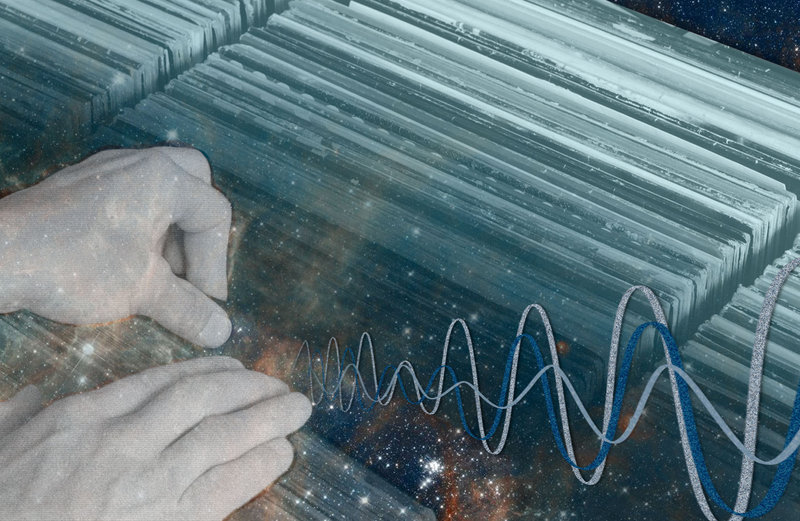
The Internet can be a wonderland of musical discovery and discourse, but it’s not built to be a permanent archive. Photo illustration: Claire O’Neill/NPR. Photos via iStockphoto and Flickr Creative Commons hide captionitoggle caption Photo illustration: Claire O’Neill/NPR. Photos via iStockphoto and Flickr Creative Commons
(via npr music)
by Ann Powers
Excerpt:
“Archiving used to be the domain of the tangible,” Cheyenne Hohman, the director of the Free Music Archive, wrote in an email. Hohman holds a degree in library science, and she sees pluses and minuses in the shift to the cloud. “Now that we’re in a sea of born-digital media, storing and accessing information and media has shifted to favor the ubiquity of web-based collections. But would I call an aggregator like Spotify an archive? Not really, because if they go bankrupt, they’ll probably shut down, and they’re not motivated by preservation and access as much as they are interested in providing a commercial music platform for consumers.” Hohman’s concerns echo Marshall’s, and reflect the reality that commercial streaming services aren’t primarily intended for the public good. They exist to make money, whether through subscriptions or ad revenue.



 Every Moment Has A Song