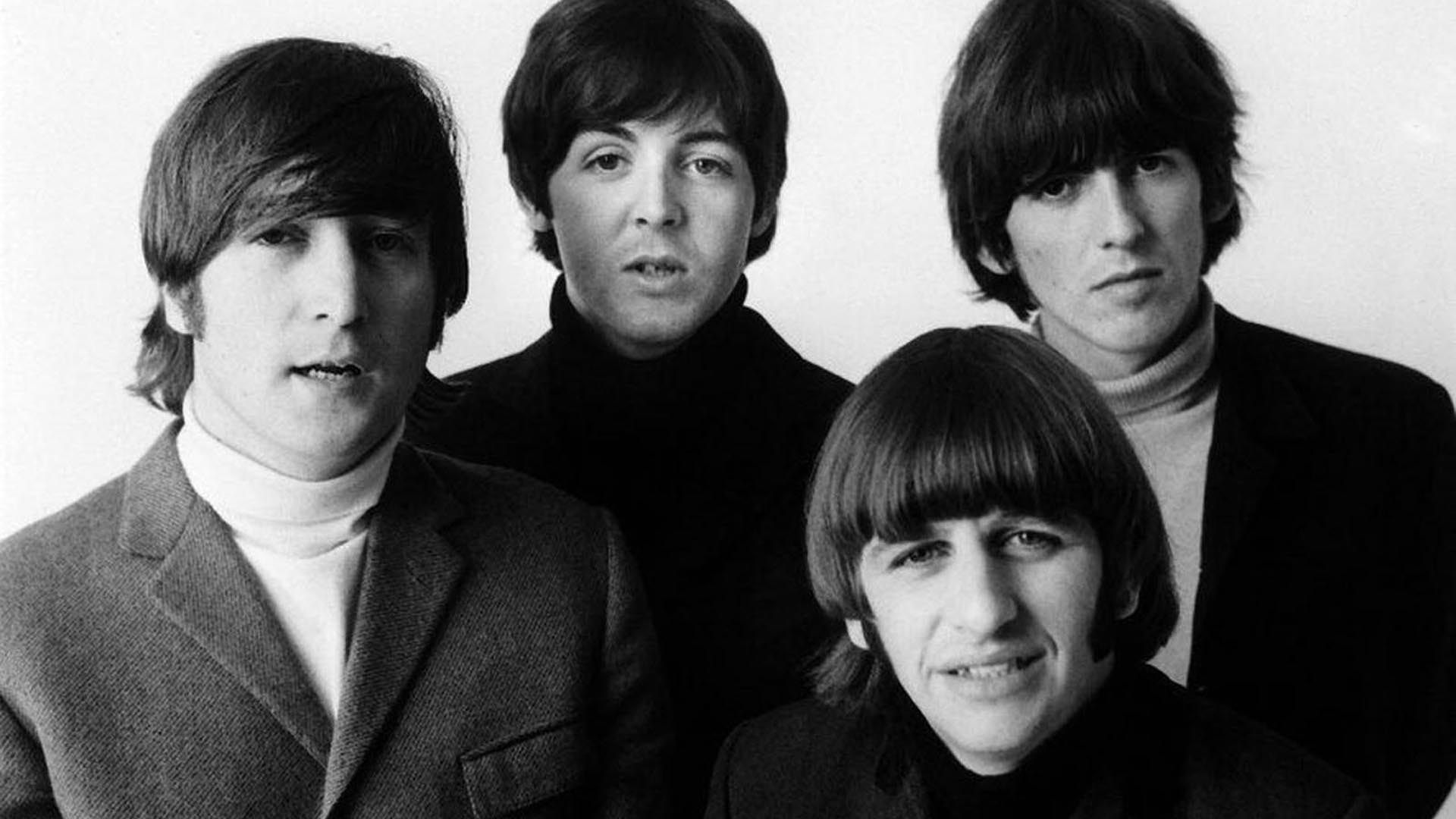
Beware, Beatle fans. This site is a trove of fascinating Fab Four facts and esoterica. Click on a song title and disappear down a rabbit hole. Addictive stuff!
Art is the music we make from the bewildered cry of being alive. ~Maria Popova
27 Jul 2024 Leave a comment
in General Posts, Recommended Sites Tags: beatles
Beware, Beatle fans. This site is a trove of fascinating Fab Four facts and esoterica. Click on a song title and disappear down a rabbit hole. Addictive stuff!
25 Jul 2024 Leave a comment
in Video of the Week Tags: dire straits, money for nothing
21 Jul 2024 Leave a comment
in Songs You May Have Missed Tags: jefferson starship, st. charles

Jefferson Starship: “St. Charles” (1976)
Got six or seven minutes to spare? That’s all it takes to come to an appreciation of what distinguished Jefferson Starship from Starship.
Before the Mickey Thomas-fronted corporate rock of “We Built This City” and “Find Your Way Back”, Jefferson Starship, as you might expect of a band that arose from the ashes of 60’s San Francisco psychedelic rock outfit Jefferson Airplane, operated like a harmonious musical commune.
All seven band members shared in the writing credits on Spitfire, 1976’s follow-up to the massive Red Octopus album, and vocals too were a democratic affair.

The vocal and writing styles of Marty Balin, Paul Kantner and Grace Slick, though distinct from each other, came together in a wondrous stew, their layers of vocals weaving with instrumental virtuosity aplenty to create magic on songs like “St. Charles”.
David Freiberg, Pete Sears and lead guitarist Craig Chaquico (who joined the band as a teenager) are the unsung heroes in the musical mix. There’s a lot to listen to, and listen for, in a Jefferson Starship song.
There is nothing like this in the catalog of the band’s 80’s incarnation. But “St. Charles” was actually released as a single in ’76, peaking at #64.
And it’s 6+ minutes of bliss.
See also: https://edcyphers.com/2012/10/03/songs-you-may-have-missed-185/
See also: https://edcyphers.com/2012/06/08/recommended-albums-19/
20 Jul 2024 Leave a comment
in General Posts Tags: beatles
(Answered by W Boutros)
For a variety of reasons, but the short answer is that they had two superbly talented lead singers rather than just one, but much more importantly, both became extraordinarily talented songwriters. John Lennon and Paul McCartney may or may not have become successful on their own. But together they complimented one another’s songwriting talents perfectly, such that they became immeasurably better than they probably would have individually or under different circumstances.
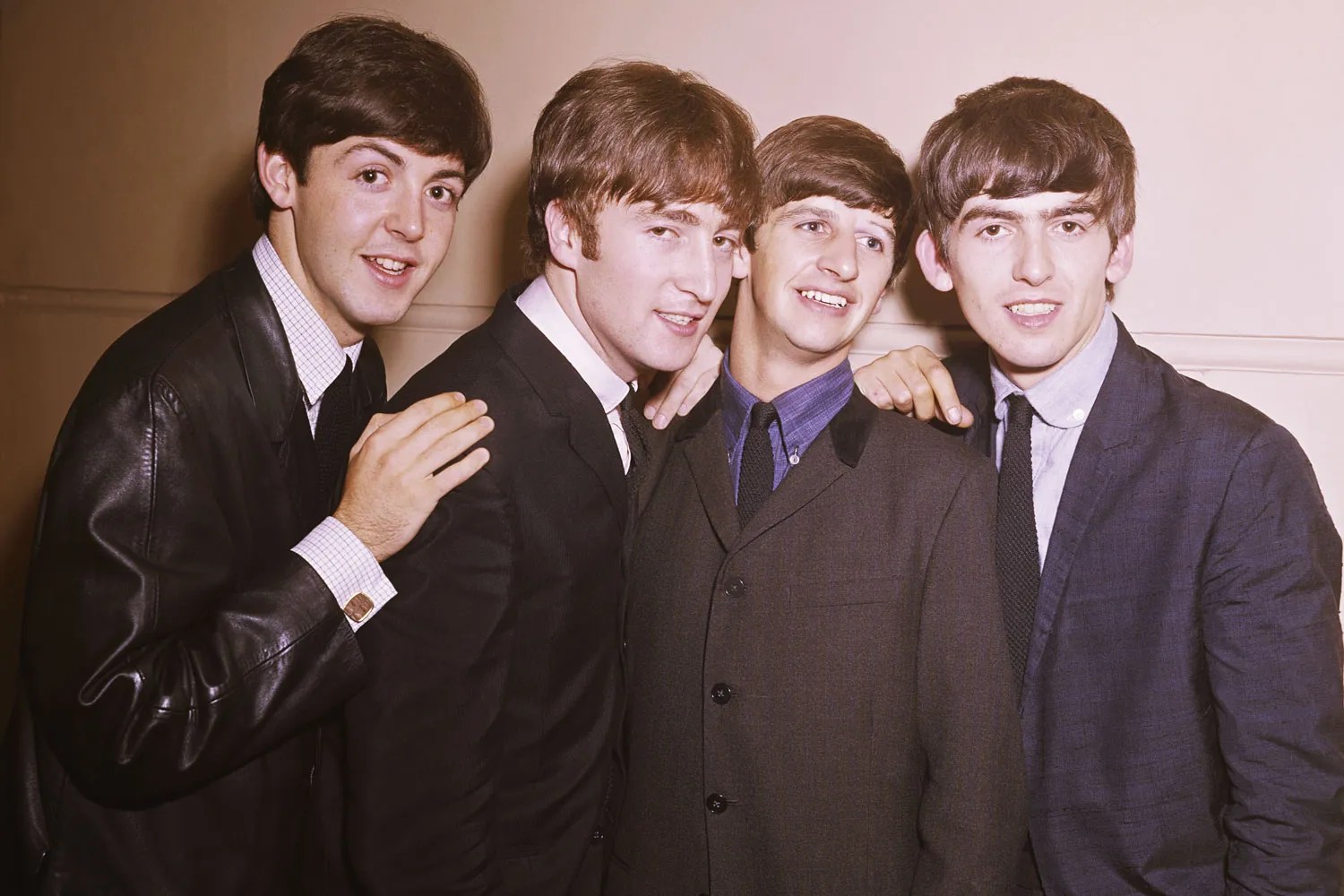
Lennon was more lyrically adventurous, which inspired McCartney to try to match him. Likewise McCartney was more gifted musically, which inspired Lennon to up his game. So in the spirit of friendly competition, Lennon & McCartney spurred each other on and became the most successful songwriting duo in history (by records sold).
That creative fuel in turn inspired George Harrison to excel as a songwriter (who also occasionally sang lead). Harrison’s wonderful vocals also made for impeccable 3-part harmonies with Lennon & McCartney. And Ringo, who also sang lead on a few songs, was the solid backbone they needed to evolve as a cohesive unit. Together they expanded musical boundaries in revolutionary ways, and more quickly than any musical act before or since. They recorded their entire catalogue, including 20 #1 hits (US charts), in only 7 years. That’s a staggering thought when you consider that most modern acts release maybe 3 – 5 albums and perhaps 10 or so singles in that same time-frame. And their hits were just the tip of the iceberg, many people would agree that their albums and album tracks had an even greater impact and lasting influence on pop music.
Put it this way, from the time you first heard of Ed Sheeran (say, 2011) until now – the Beatles would have done what they did, changed the world, and broke up in 2018.

Also, unlike many other acts, the Beatles rarely repeated themselves, which is why listeners didn’t grow tired of them. Beginning roughly around 1965 almost every new release was a radical departure from the prior. They kept pushing boundaries, which is risky, but it paid off. The range of their stylistic diversity is arguably unparalleled for a major pop act.
Another, often overlooked, factor is that they were surrounded by the right people – especially their producer George Martin and manager Brian Epstein. If they hadn’t captured the interest of Epstein (who had never managed a band before) they almost certainly wouldn’t have wound up in the position of being signed to Parlophone by George Martin – who decided to take a chance on them after they were rejected by other labels.
George Martin’s importance cannot be overstated. He was a classically trained musician, yet willing to experiment, so he helped guide the Beatles and turn their often radical ideas into reality. He was crucial to their ever-evolving sound.
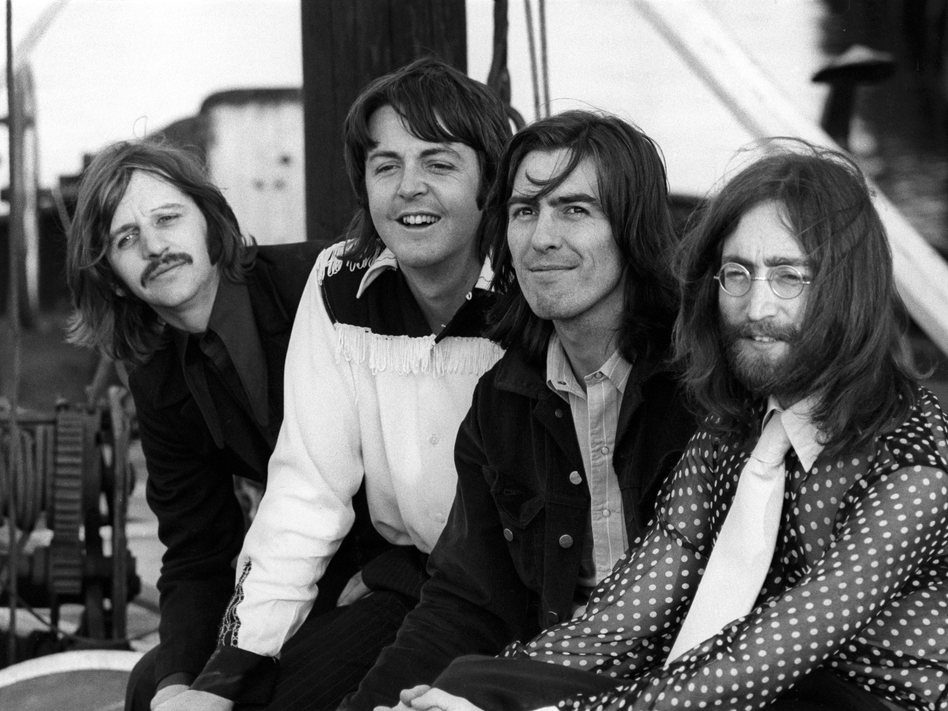
Finally they arrived at the right time and place in history to touch a cultural nerve in a way that was virtually unprecedented. Some sociologists theorize that the JFK assassination, which occurred less than 6 months before Beatlemania, created a void or absence of joy (at least in the US) which needed to be filled. In addition to their exciting new sound, their natural charisma and irreverent humor was a refreshing delight to the press and the public. Regardless of the causes, they became a cultural phenomenon that remains unmatched to this day.
It’s not that John, Paul, George and Ringo were the most talented musicians on the planet – it’s the fact that they were in an environment that nurtured and inspired each of them to attain most of their full potential. Or to become self-actualized, to use a psychological term – as individuals, and as a unit.
Many, if not all, human beings have the latent potential to achieve great things, but very few wind up in environments which make that possible. The Beatles were four talented individuals who grew to become extraordinarily talented, and who emerged on the world stage at precisely the right moment. For the Beatles, all the stars happened to align perfectly, and the whole became far greater than the sum of its parts.
20 Jul 2024 Leave a comment
in General Posts Tags: sting, the police
(Answered by John Eustace)
Its a common story. They started as a band of equals, with all of them being monsters at their instruments. Stewart Copeland was a fierce virtuoso on a drum kit, able to play complex and incredibly fast rhythms, Andy Summers was a virtuoso guitarist with a strong avant garde lean, and Sting was a superb bassist and singer with a distinctive voice, as well as being incredibly great looking.
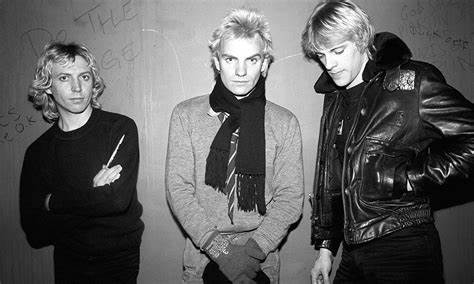
I’ve heard several bootleg recordings from their early tours, and since they didn’t have a lot of songs, they would often play extended jams during the songs they had. During those jams, you can often hear grooves emerge that later became the riffs and foundations for new songs that would appear on later albums. It would be easy for a band member to assume that many of the songs were written by the entire band, at least in part. As time went on, Sting emerged as the primary songwriter, simply because his songs, and his lyrics were superior to the others.
This really bothered Copeland, who had developed an interesting new wave compositional style of his own. and he was frustrated that he couldn’t get his songs on the albums. Sting eventually allowed Copeland and Summers to have one one song each on the Synchronicity album. Copeland delivered the terrific song Miss Gradenko, while Summers decided to offend everybody with his punk anthem Mother, everybody’s least favorite song on the album (although I’ve always loved it). As interesting as both songs were, they sounded out of place on Sting’s carefully crafted masterpiece. Having to beg for space on the album, only to find that Sting was right anyway, had to have stung. Copeland started developing his own solo career under the name Klark Kent, where he could put out excellent new wave songs in his signature style without having to compete with, or get permission from, Sting.
Along the way, Sting’s ego had become huge, and there was talk of Copeland’s ego getting pretty big as well. To this day, Sting has a reputation of being extremely arrogant.
So they started off as a business arrangement, and as they got popular, their egos grew, clashed, and the band ended. Not the first story like that, nor the last.







 Every Moment Has A Song