Professor Stephanie Burt shares what she learned about the singer’s stardom, relatability, and her own course at a college famous for being famous.
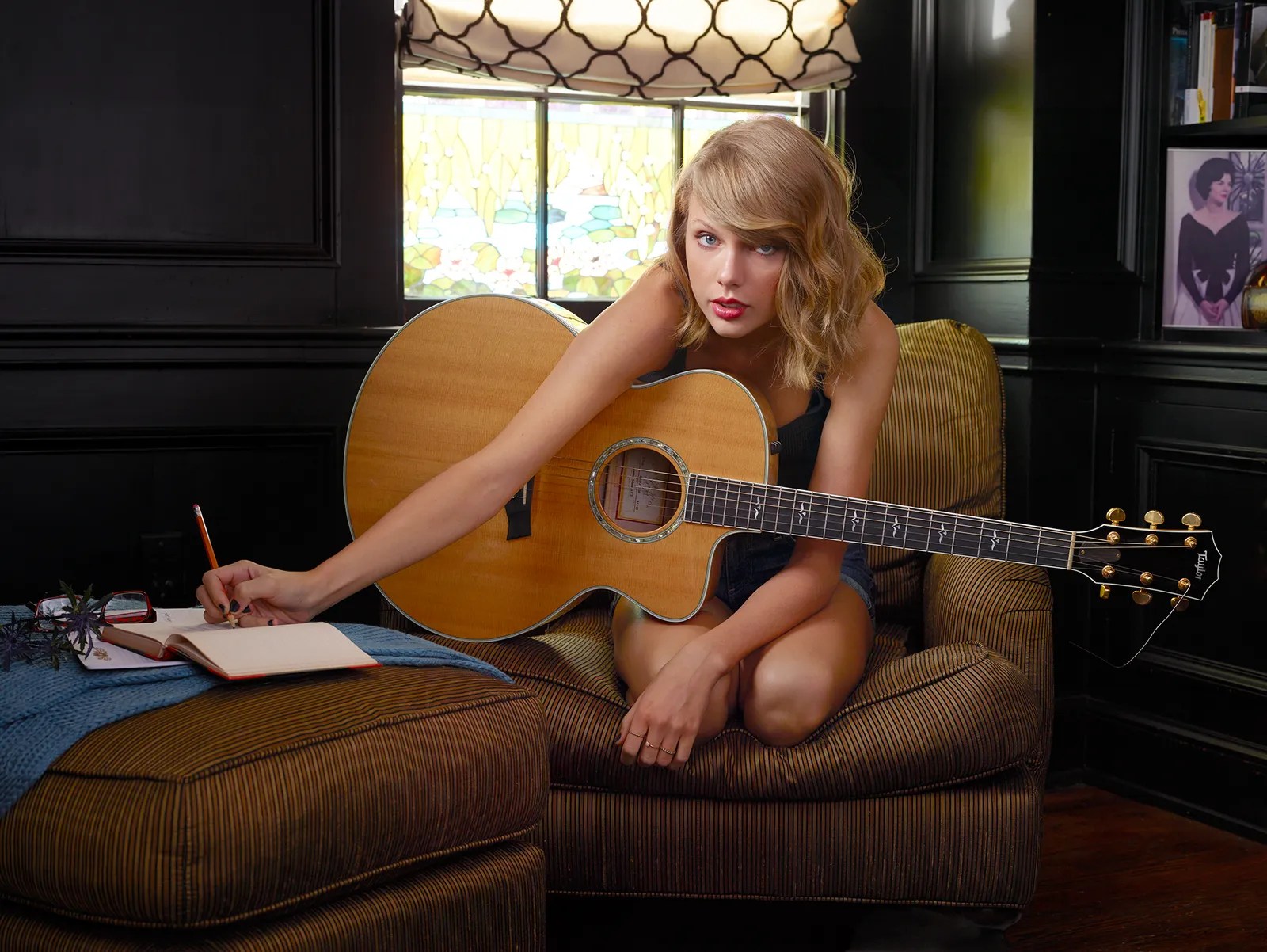
Last fall I told Harvard’s English Department that I planned to offer a class this spring on Taylor Swift. No one objected; Harvard professors like me get lots of latitude in confecting electives as long as we also offer the bread-and-butter material our majors need. (Most of my work is poetry-related; I also teach our regular undergrad course about literary form, from Beowulf on.) I’d call my new class Taylor Swift and Her World, as in: We’d read and listen to other artists and authors (part of her world). But also as in: It’s her world; we just live in it.
I’ve been living in it ever since. I thought I’d be teaching a quiet seminar: 20-odd Swifties around a big oak table, examining and appreciating her career, from her debut to Midnights, alongside her influences, from Carole King (see her Rock & Roll Hall of Fame speech) to William Wordsworth (see “The Lakes” from Folklore). We would track her echoes and half rhymes, her arrangements and collaborations and allusions, her hooks and her choruses. We might sing along. We’d learn why “You Belong With Me” relies so much on its with (you don’t belong to me, nor I to you). We’d learn how the unease in “Tolerate It” speaks to its time signature (5/4). Maybe some English majors would get into songwriting. Maybe some Swifties would leave with old poems in their heads.
To be fair, almost all those things have now happened. We did sing along. Some undergrads learned to love the 18th-century poet and satirist Alexander Pope, or at least to pretend they did: Pope’s “Epistle to Dr. Arbuthnot” depicts his exasperation with superfans, false friends, and haters in ways rarely equaled until Reputation. We cracked open Easter eggs, and we studied her rhythms. But we couldn’t fit around a table. At one point 300 students signed up for the class; almost 200 ended up taking it. We met in a concert hall on campus, with a grand piano at center stage. I gave what I hope were engaging lectures, with pauses for questions, and stage props: a melodica, or a cuddly stuffed snake (for the snake motifs on Reputation). We had theater lights, and balcony seats, and the kind of big screen few humanities classrooms now need…
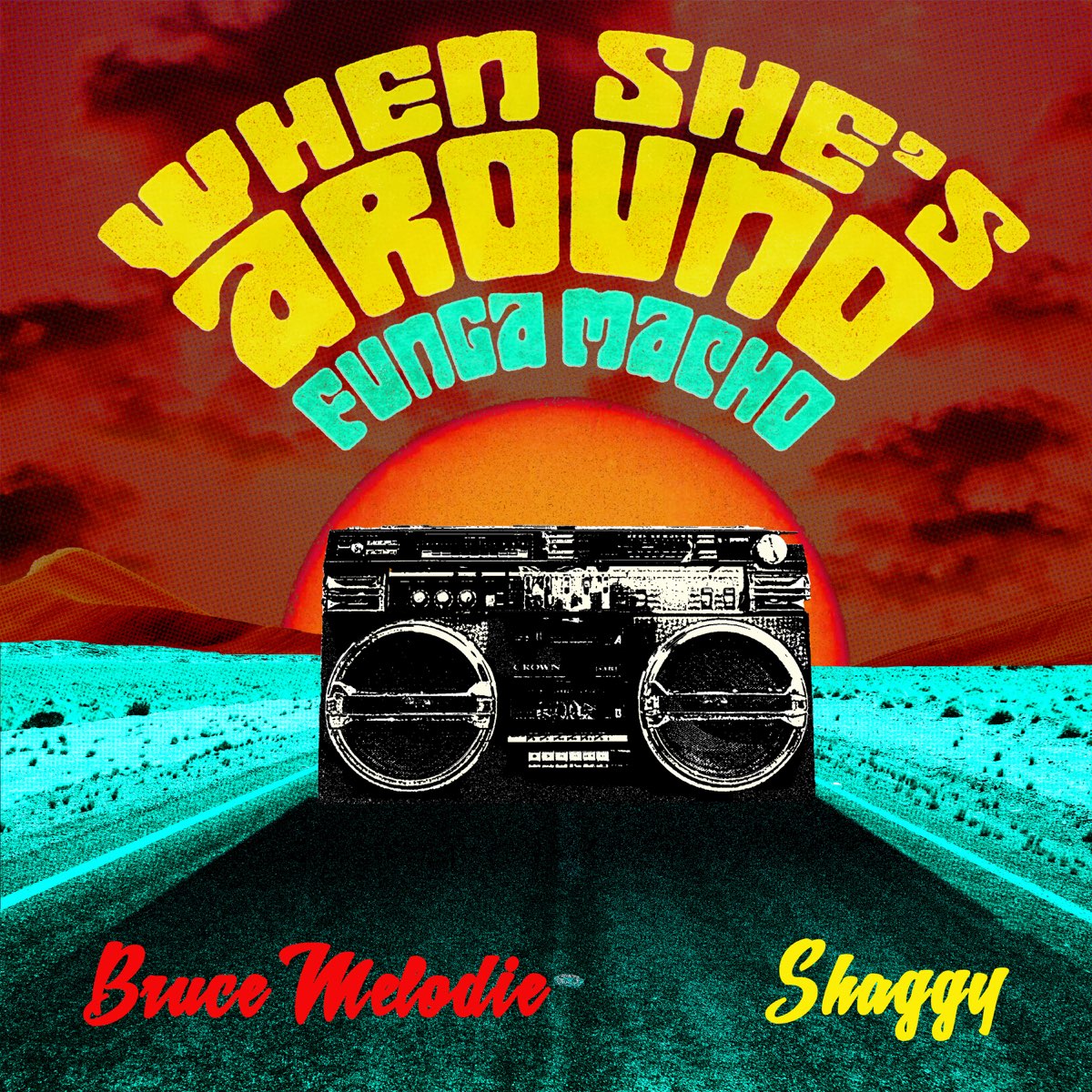
Bruce Melodie & Shaggy: “When She’s Around (Funga Macho)” (2023)
It can take just one artist to break down barriers of taste. It can take just one song to stretch a listener’s music appreciation by the breadth of a continent.
Rwandan singer Itahiwacu Bruce is that type of singer. And “When She’s Around” is that type of song.
Over the years artists like Juan Luis Guerra (Dominican merengue and bachata), Trio Mandili (Eastern European folk music), and Julieta Venegas (Latin pop) have helped this writer overcome any limitations a classic rock/American pop upbringing would impose and embrace whole new worlds of sounds.
Artists such as the Proclaimers, Brave Combo and the Latvian Women’s Choir didn’t hurt, either.
Just as one ought to have playlists on hand for every mood and occasion, a true lover of music should endeavor to live in a wide, disparate world of sounds and musical parlance.
And I’m not saying “When She’s Around” is exotic or any great stretch for an American ear.
But that’s the point. The song is sung mostly in English and has a tasty hook. And Jamaican reggae singer Shaggy plays an ambassador, adding a note of familiarity.
But songs like this can bridge us to the exotic. The fresh. The new sounds that can be the antidote to four more minutes of your life spent listening to Springsteen’s “Dancing in the Dark” for the 2,316th time.
Sorry, Bruce–not sorry.
My only hope, as always with artists making a bid for international notoriety, is that they don’t become international by sounding international; that is, compromising what makes the sounds distinctive and representative of their corner of the world.
There are already signs that Bruce Melodie may be going in that direction. Let’s hope as some of us are encouraged to discover his roots he doesn’t forget them.

 Every Moment Has A Song