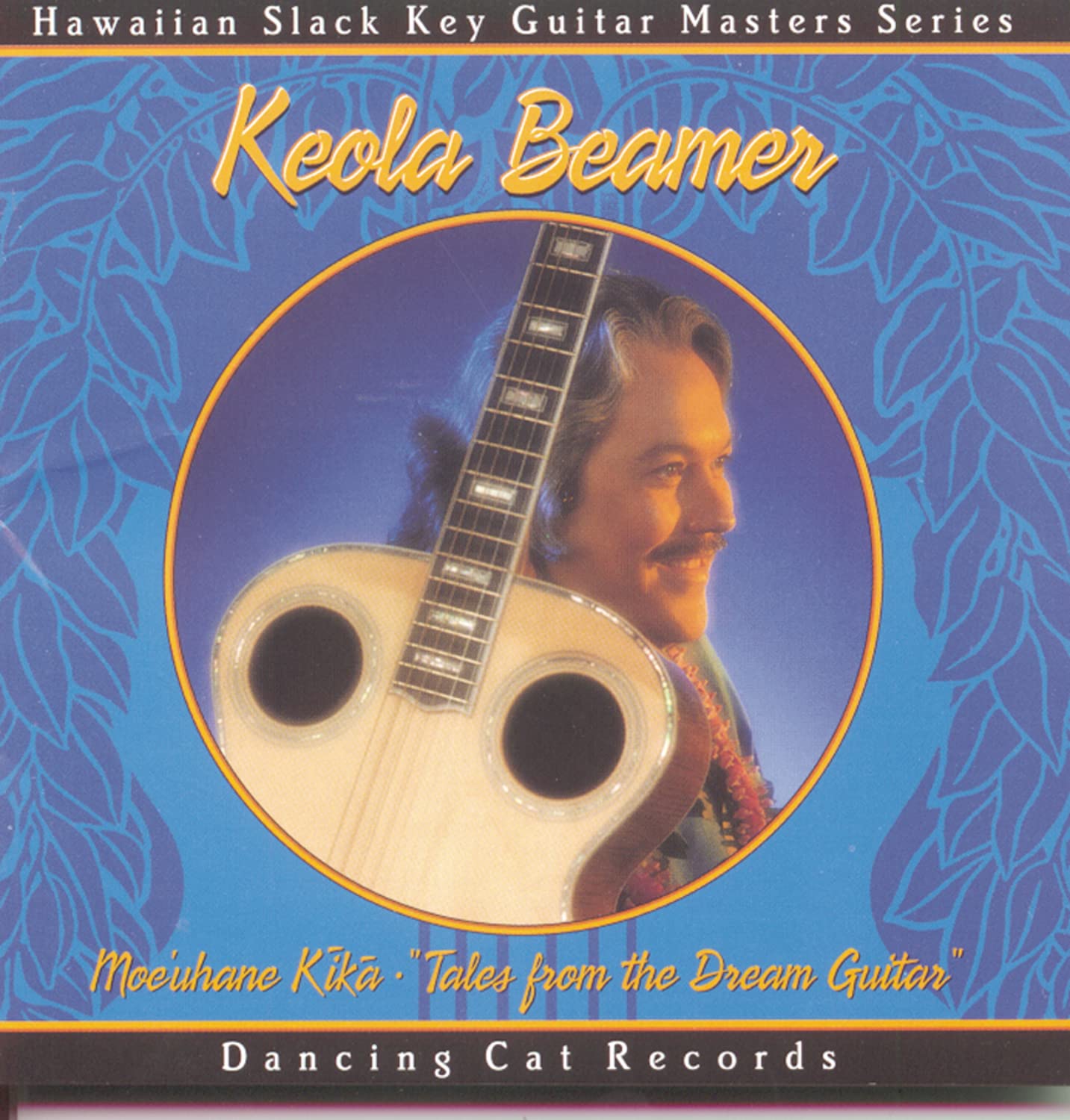
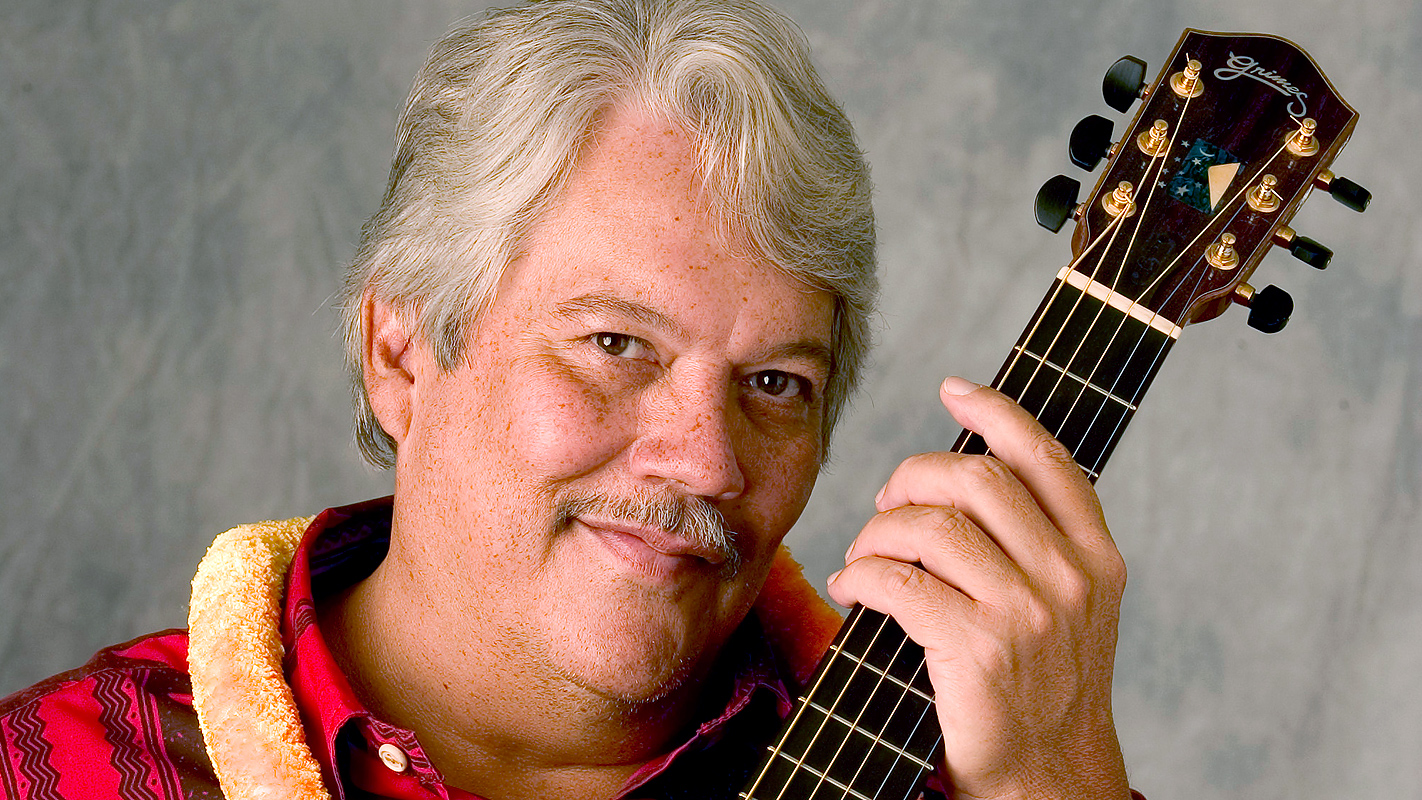
Keola Beamer is a fifth-generation musician and master of the Hawaiian slack key guitar style. He’s also the composer of “Honolulu City Lights”, one of Hawaii’s biggest-selling songs of all time.
Moe’uhane Kika: Tales from the Dream Guitar was produced by George Winston and distributed by Windham Hill subsidiary Dancing Cat Records, so it might be mistaken for New Age music.
But the album is mostly comprised of tranquil instrumental versions of familiar Hawaiian songs–or songs that would be familiar to Hawaiians.
This isn’t New Age, but it is World Music. It isn’t wimpy, but it is serene. It isn’t steel guitar and ukulele, but it is music with deep Hawaiian roots.
(via Billboard and People) by Steve Knopper/Rachel DeSantis
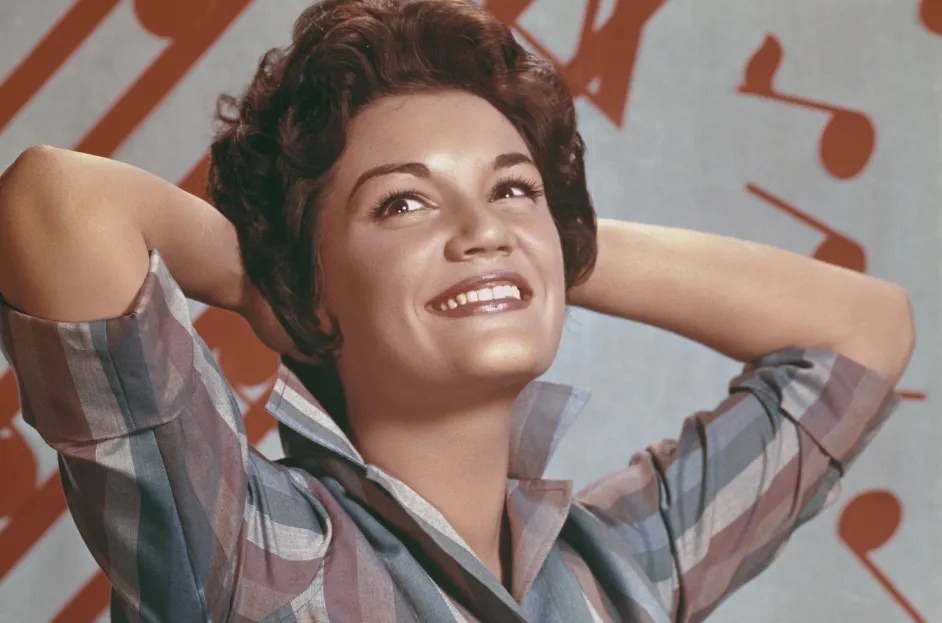
Connie Francis is having a moment six decades in the making.
If not for TikTok, Connie Francis‘ 1962 tinkly organ bop “Pretty Little Baby” may have been forever obscure. It was never a hit, and Francis, reached by phone at her Parkland, Fla., home, barely remembers recording it. “I had to listen to it to identify it,” admits the 87-year-old pop legend, who became the first woman to top the Billboard Hot 100 as a solo act in July 1960 with “Everybody’s Somebody’s Fool,” one of her three Hot 100 No. 1s.
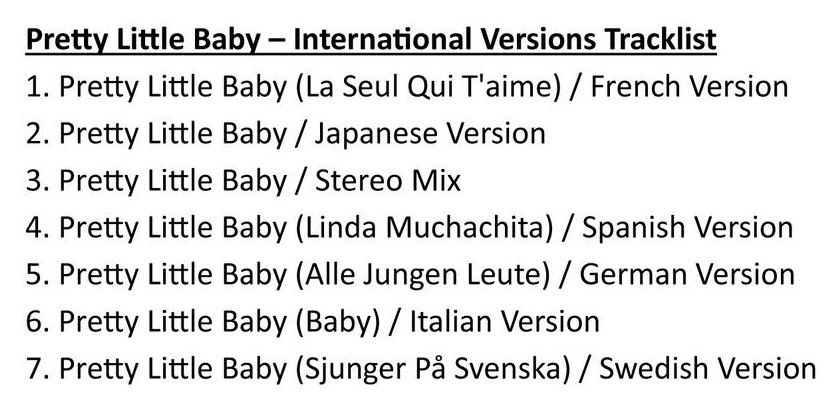
“Then, of course, I recognized the fact that I had done it in seven languages.”
A friend recently informed Francis that “Pretty Little Baby” had turned up on TikTok as a “viral hit,” an upbeat soundtrack for people (including Kylie Jenner and Kim Kardashian) showing off babies, puppies, kittens and – befitting the lyric “you can ask the flowers” – flowers. Francis responded: “What’s that?” In a sense, TikTok is just a technological update of American Bandstand in the ’60s, when Dick Clark’s TV countdown regularly drew 8 million viewers and automatically turned songs into hits. “Without Dick Clark, there would have been no Connie Francis,” Francis says.
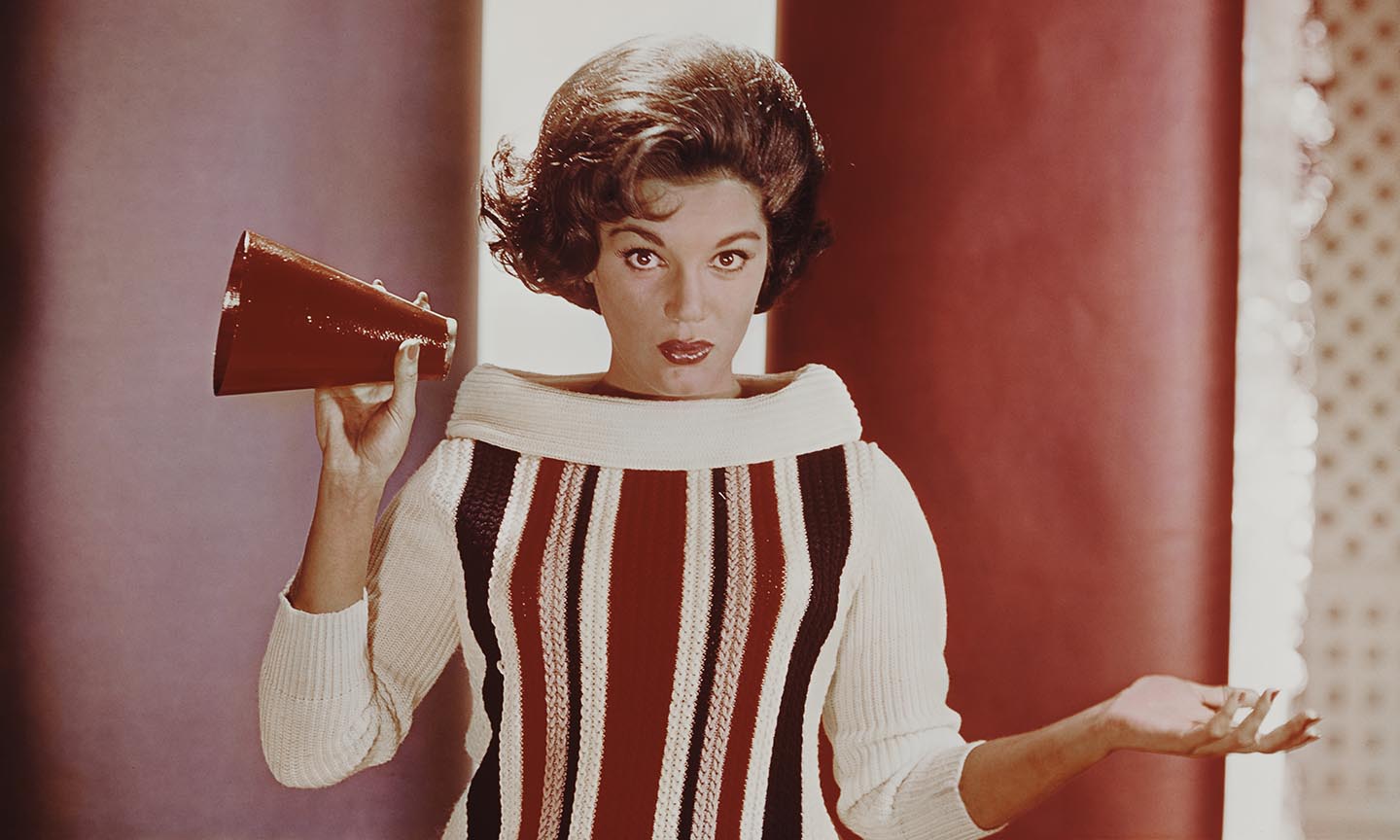
Connie Francis, circa 1960.Archive Photos/Getty Images
“Pretty Little Baby” was one of 40 songs Francis recorded during several recording sessions over four days in August 1961, according to her 2017 autobiography Among My Souvenirs: The Real Story Vol. 1. The track landed on her Connie Francis Sings Second Hand Love & Other Hits album.
Francis was 23 years old when the song came out as a B-side to the single “I’m Gonna Be Warm This Winter.”
On April 10, “Pretty Little Baby” was streaming 17,000 times per week in the U.S.; a month later, it was streaming 2.4 million times, an increase of more than 7,000%. The track has 10 billion TikTok views, hitting No. 1 on the app’s Viral 50 and Top 50 charts, and recently crossed over to streaming success, with 14 million global streams, landing at No. 67 on Spotify’s Global Top 100. Francis’ label, Universal Music, recently reissued the versions Francis had sung in Swedish, Japanese and other languages in 1962, when her label, MGM, hoped to score hits in regions outside the U.S.
Of her newfound virality, she tells Billboard: “I’m getting calls from everywhere: ‘You’re a TikTok phenomenon.'”
Editor’s note: This story parallels that of a tune called “Ladyfingers”, from Herb Alpert & the Tijuana Brass’ 1965 Whipped Cream & Other Delights album, which the 90-year-old Alpert reports has generated over two billion views on TikTok. And like Connie Francis’ “Pretty Little Baby”, “Ladyfingers” wasn’t a hit, or even a single.
And to put Connie Francis’ 10 billion TikTok views for “Pretty Little Baby” into perspective, the number is roughly 3 times the world’s population in the year the song came out.
Connie on recording her first hit, “Who’s Sorry Now”:
I didn’t want to record the song. My father insisted that I record “Who’s Sorry Now.” I did three other songs at the session first, in the hopes of not being able to get to “Who’s Sorry Now” in the four-hour time allotted to me. I had 16 minutes left in the session and I said, “That’s a wrap, fellas, there’s no time for ‘Who’s Sorry Now.'” My father said, “If I have to nail you to that microphone, you’re going to do at least one take of ‘Who’s Sorry Now.'” So that’s what I did – one take of “Who’s Sorry Now.” And I didn’t try to imitate anybody else, as I always had on my recordings. By the time I was 14, I did demonstration records, and a publisher would say, “Connie, give us some of that great Patti Page sound, give me some of that great Kay Starr sound, give me some of that great Teresa Brewer sound.” I didn’t have a style of my own yet. But on “Who’s Sorry Now,” I was so turned off on the song that I didn’t try to imitate anybody else. I just sounded like myself for the first time. And it was a hit.
The New Jersey native dealt with a number of tragedies over the years, including mental health struggles. She is now retired and lives in Florida, where she regularly posts photos of her day-to-day life.
Since they first uploaded the video for a Georgian folk song called “Apareka” and it gathered 8 million views, Trio Mandili hasn’t strayed much from the formula.
They still wander the Georgian countryside singing regional music–when their international concert and recording schedules permit.
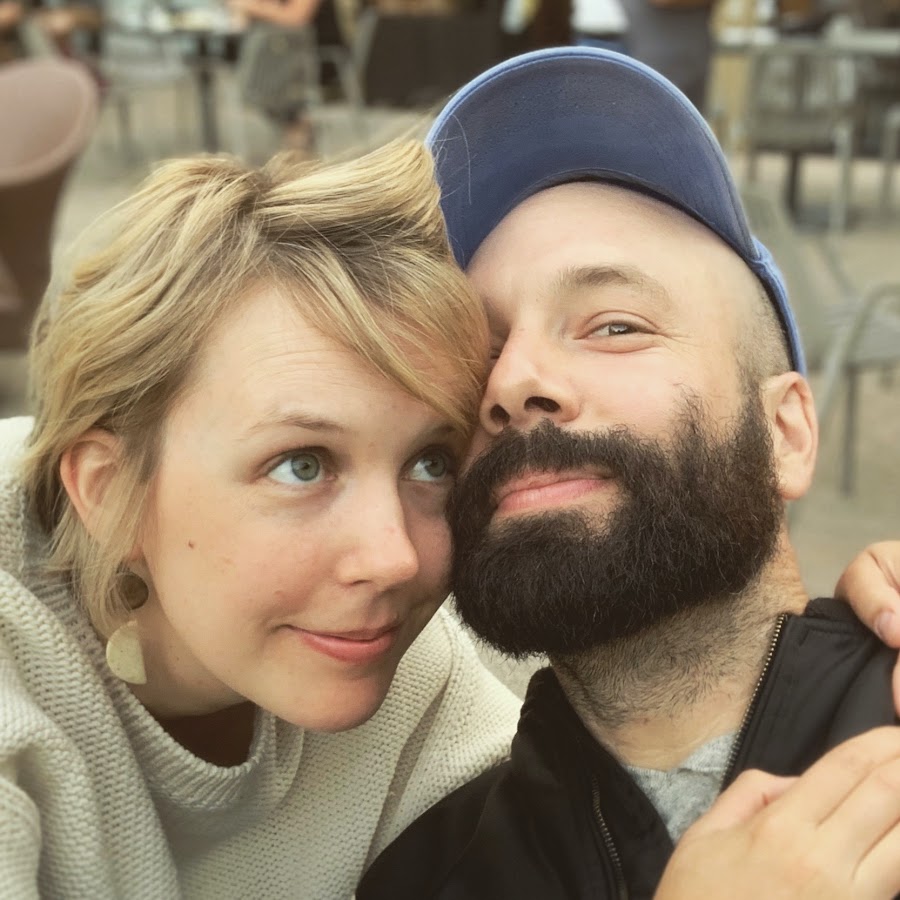
Husband-and-wife led Pomplamoose have found an atypical business model that works for them–to the tune of about 2 million YouTube subscribers.
Where artists have historically promoted physical product with music videos, Pomplamoose have subverted the dominant paradigm in that their videos are the songs. “Videosongs”.
There is no lip-syncing. Every vocal is performed on camera. Every instrument you hear, you will see.
Literally what you see is what you get.
Jack and Nataly Conte and friends want to demystify the music process and a culture that seems to put artists and bands in some rarified realm.
Their videos remove the “smoke and mirrors”, as they put it, replacing fakery with authenticity, the pedestal with accessibility. The only rarified thing here is their talent.
While most of the material they perform is cracking covers and brilliant mashups, “Bust Your Kneecaps” is an original. It’s a charming, darkly comic ode to the dangers of breaking up with the wrong girl.
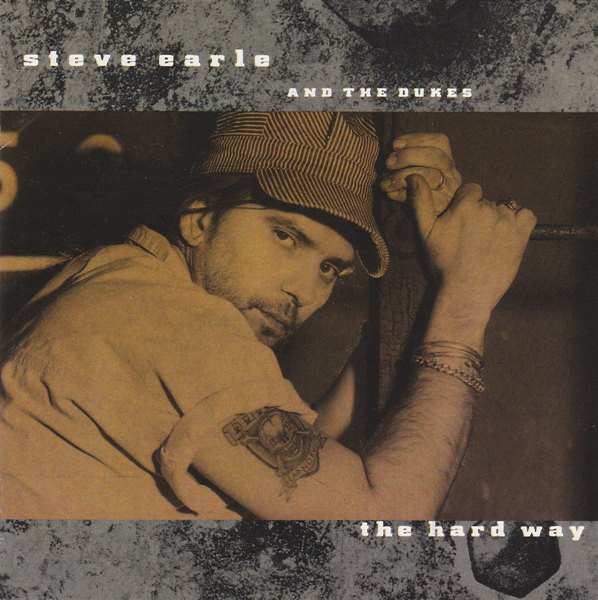
From Earle’s last MCA studio album (the label decided to cut him loose after the live record that followed).
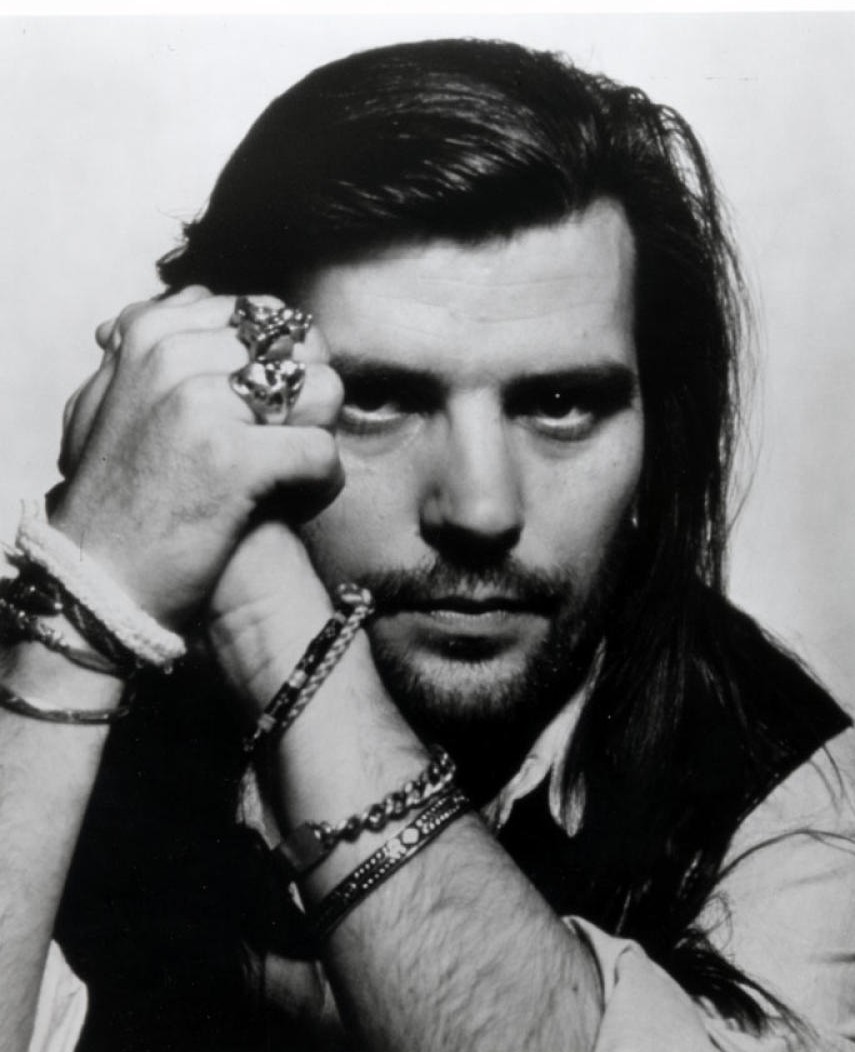
After losing his record deal Steve got clean while serving time for drug and weapons charges, though he’d done some of his best work while his personal life was going off the rails due to cocaine and heroin addiction.
This song peaked at #37 on the Mainstream Rock charts. It would be a decade before Earle would crack a US chart of any kind again.
The machine gun drum fill at 4:28 is the kind of emotional impact moment that owed more to arena rock than Nashville. Earle’s songwriting stretched country’s envelope, and often sat more comfortably in a rock arrangement.


 Every Moment Has A Song