Recommended Albums #100

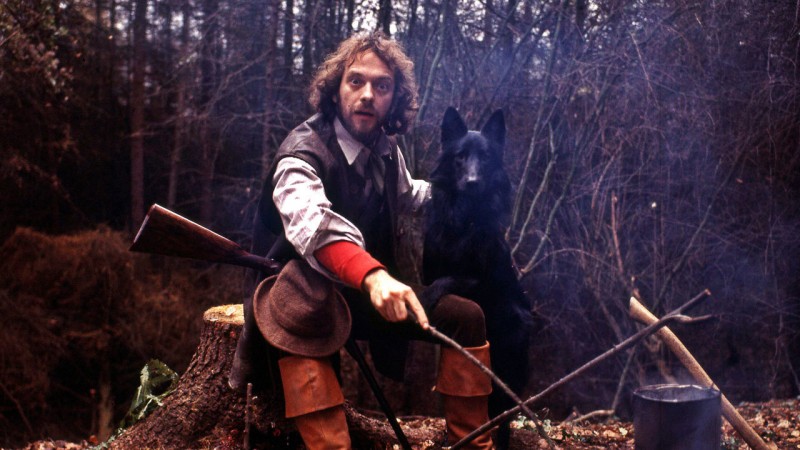
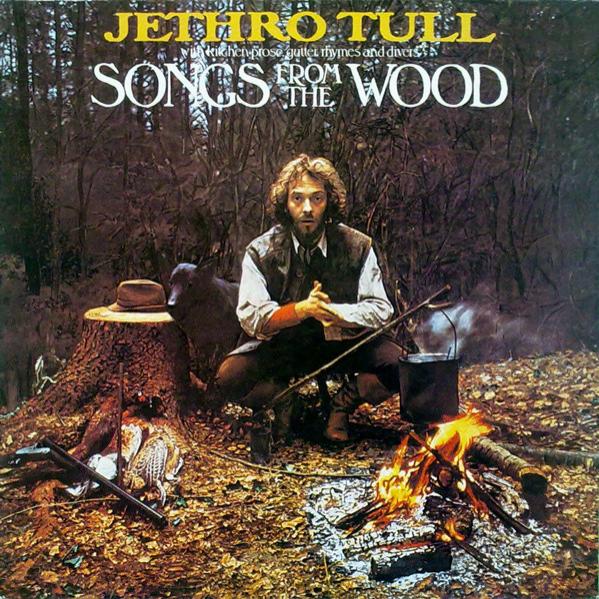
Jethro Tull: Songs from the Wood (1977)

Never has an album more directly and more perfectly issued its mission statement from the outset.

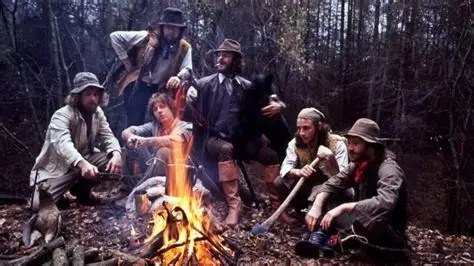
Like the sound of an old English street herald, Ian Anderson’s a cappella voice opens Jethro Tull’s Songs from the Wood with a friendly hail:

Let me bring you songs from the wood
To make you feel much better than you could know

And indeed what follows is a genre-birthing masterpiece blending British folk and progressive rock into something that could be fairly termed Elizabethan Rock–surely making fans of both folk and prog feel better than they could know.
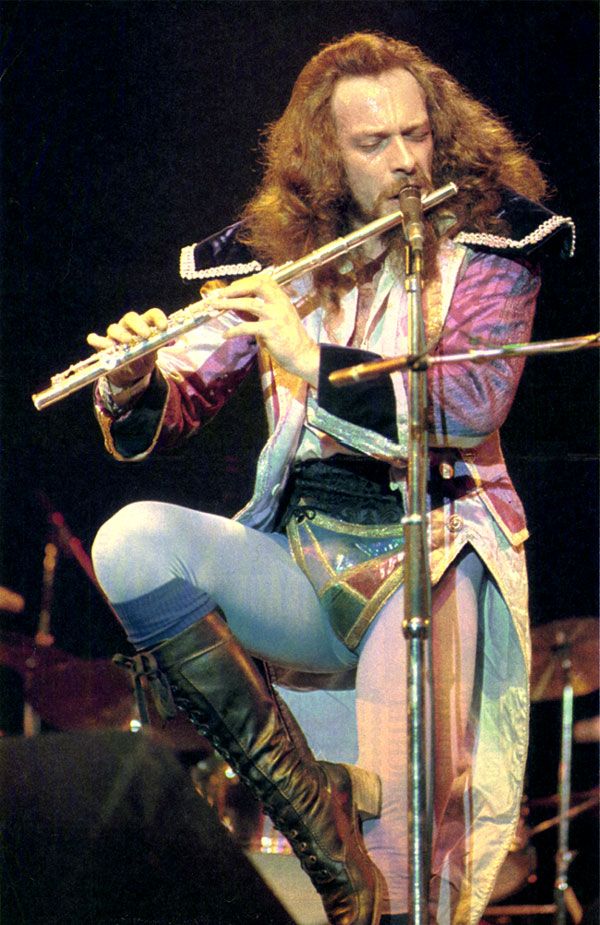
Even many serious Tull fans feel that by 1976 and Too Old to Rock and Roll, Too Young to Die, things had grown a bit stale. Actually, taken as a batch of songs, and featuring as it did the guitar work of Martin Barre, it was a rather nice record.

But as a conceptual work about an aging rock star, coming at the height of the punk movement, Too Old… may have put Anderson and the band on the wrong side of Cool Street.

Having met, and produced albums by, English folk rock musicians, and having himself recently moved to the countryside, Anderson was inspired to take Tull in a fresh direction.

And as it turns out, the solution to Tull’s music beginning to sound old may have been to make it sound really old. Like, centuries old.

Let me bring you all things refined
galliards and lute songs served in chilling ale…
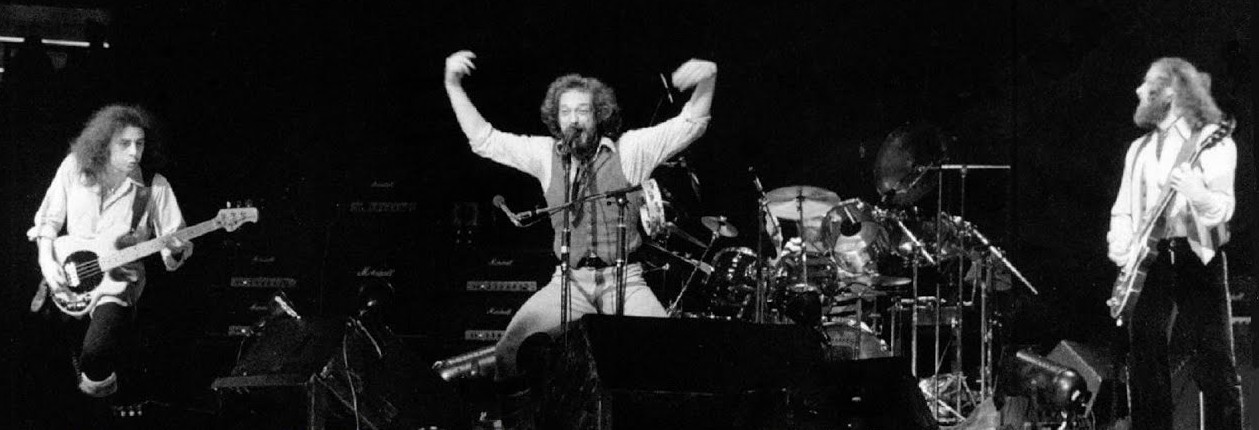
No one has electrified British folk more credibly with original compositions than Jethro Tull did on Songs from the Wood. It’s unique even within the band’s catalogue. What Fairport Convention and Steeleye Span did in plugging ancient songs into rock band arrangements was amazing. But the songs here aren’t based on centuries-old verse or inspired by particular traditional folk songs. This is all from Ian Anderson’s imagination–like J.R,R, Tolkien creating his own mythology as a setting for his characters. The fact that Anderson isn’t borrowing or reworking old traditionals–combined with the quality of the songwriting–makes this all the more astonishing.

McCartney could write timeless melodies. Brian Wilson could write heavenly harmonies. Cohen and Dylan could write inspired lyrics. But perhaps no other songwriter but Ian Anderson could have given us Songs from the Wood, with its highly literate lyrical sensibilities, evocative settings, its tinge of escapism, and its fantastically complex arrangements, performed by one of the best band lineups ever assembled.

It’s a wonderful blend of the gentle acoustic and the hard rock, along with some lovely singing and harmonizing. At turns mirthful and morose, regal and bawdy, natural and supernatural. Elsewhere we’ve opined on how Prince was comparatively minor league compared to Anderson in terms of dirty-minded double entendre. “Hunting Girl” takes low-minded lust into highbrow territory and is a showcase for guitarist Barre.

A singer of these ageless times.
With kitchen prose and gutter rhymes…
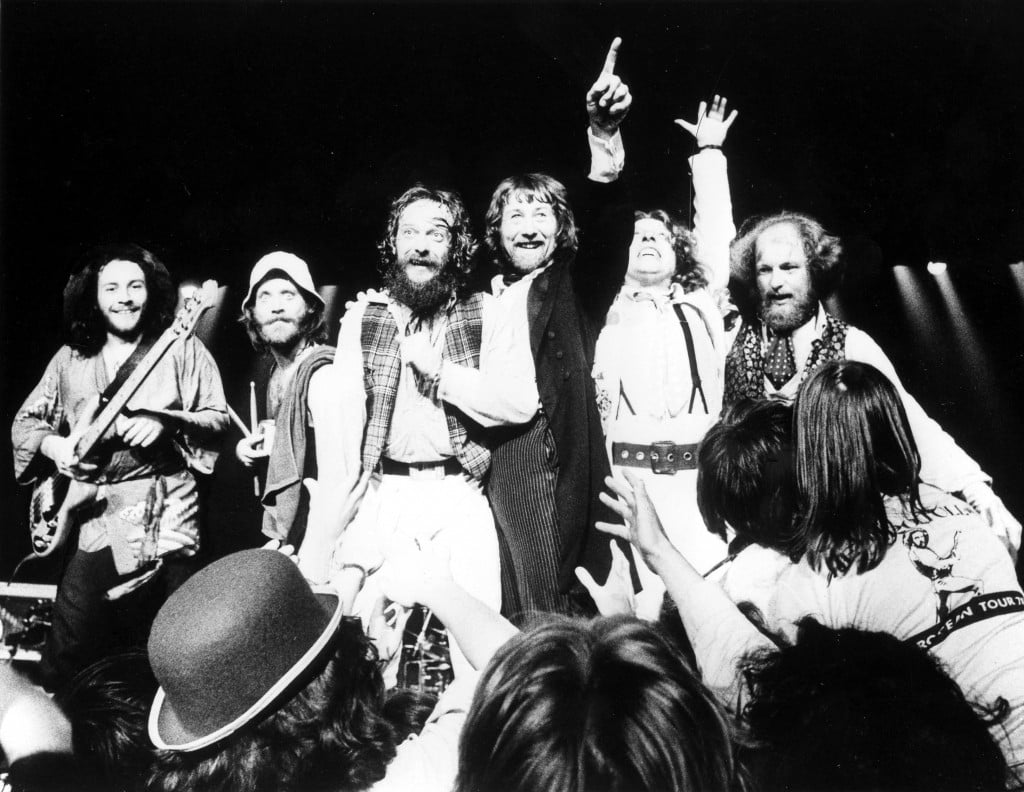
Full disclosure: for decades now I’ve considered this my favorite album by any artist in any genre, and I’ve listened to it literally hundreds of times. And yet I still will hear detail in the arrangements for the first time. How many bands in the current era make rock music so complex, with so many overlapping layers, that you’ll come across musical Easter eggs decades and hundreds of listens later?

One caveat: Like most progressive rock, Songs from the Wood has an appeal that takes multiple listens to be assimilated. I didn’t love it at first. Let it repeat, marinate and sink in.

This is an album that richly rewards repeated listening.

Songs from the wood make you feel much better…
Listen to: “Songs from the Wood”

Listen to: “Jack-in-the-Green”

Listen to: “Cup of Wonder”

Listen to: “Hunting Girl”

Listen to: “Ring Out, Solstice Bells”

Listen to: “Velvet Green”

Listen to: “The Whistler”

Listen to: “Fire at Midnight”

See also: https://edcyphers.com/2020/02/28/unpopular-opinion-prince-lowered-the-bar-for-sexual-innuendo-in-music/

See also: https://edcyphers.com/2012/11/18/songs-you-may-have-missed-242/

See also: https://edcyphers.com/2013/02/24/songs-you-may-have-missed-340/

See also: https://edcyphers.com/2025/03/30/songs-you-may-have-missed-772/
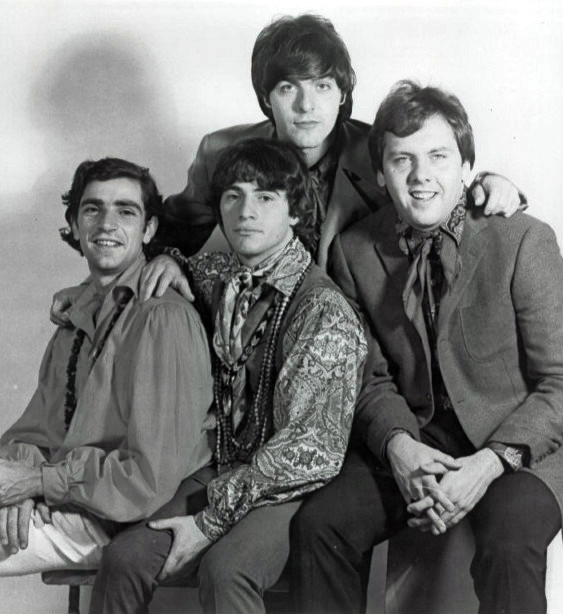
List of the Day: Bands That Shortened Their Name

Original name: The Young Rascals

Became: The Rascals

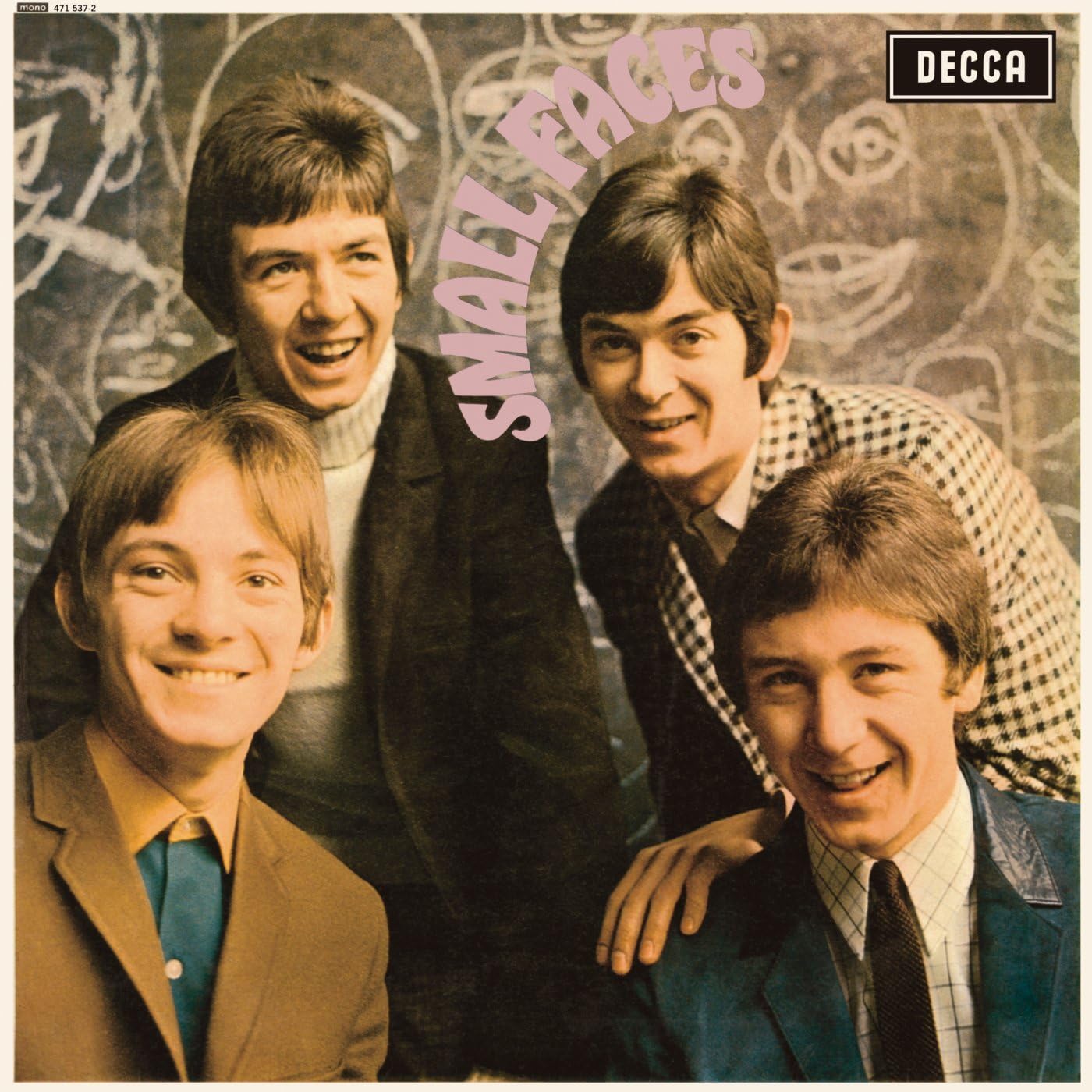
Original name: Small Faces

Became: Faces

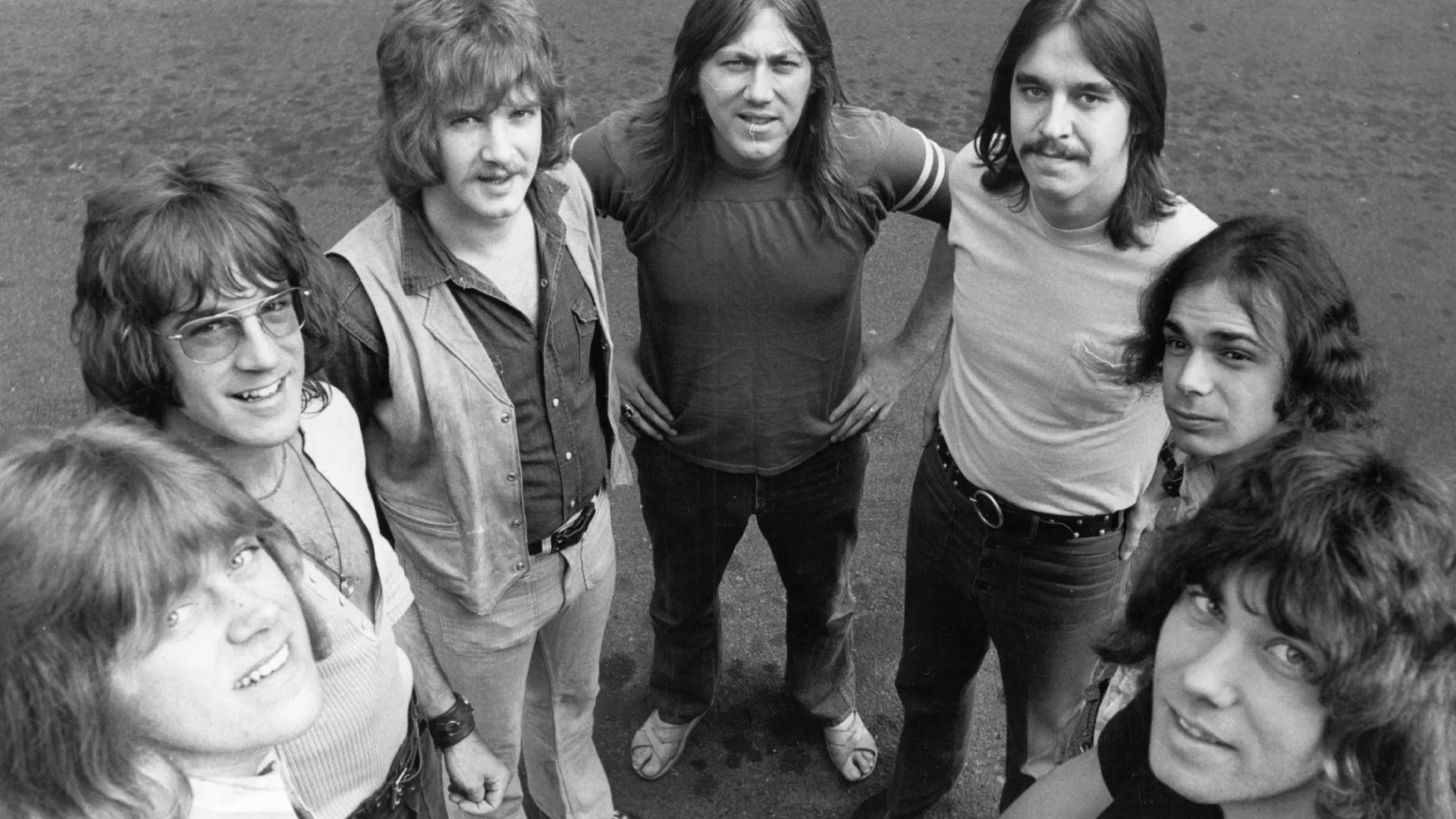
Original name: Chicago Transit Authority

Became: Chicago

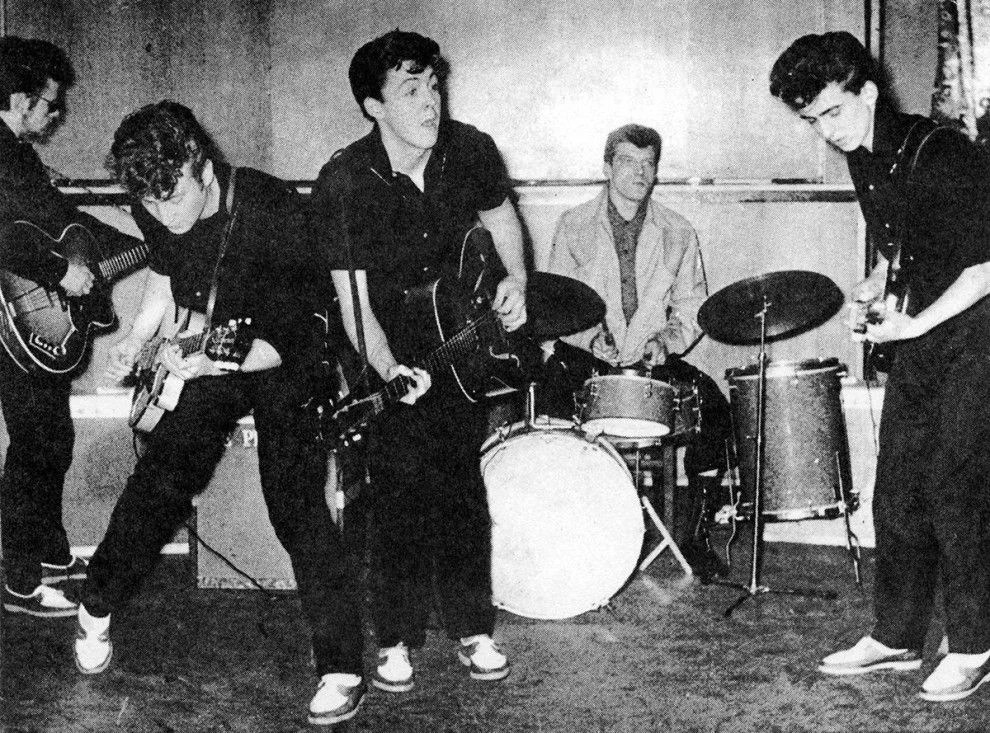
Original name: The Silver Beatles

Became: The Beatles

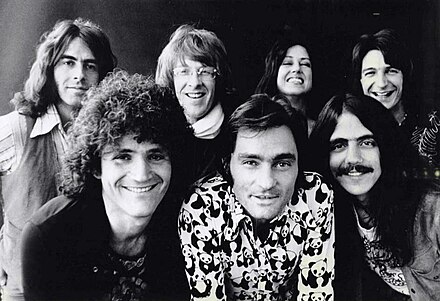
Original name: Jefferson Airplane

Became: Jefferson Starship

Became: Starship

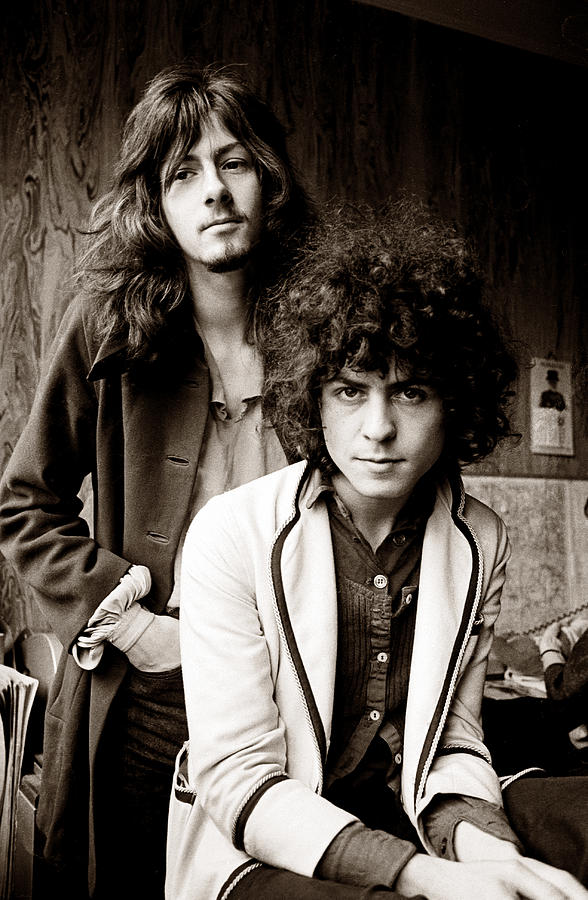
Original name: Tyrannosaurus Rex

Became: T. Rex

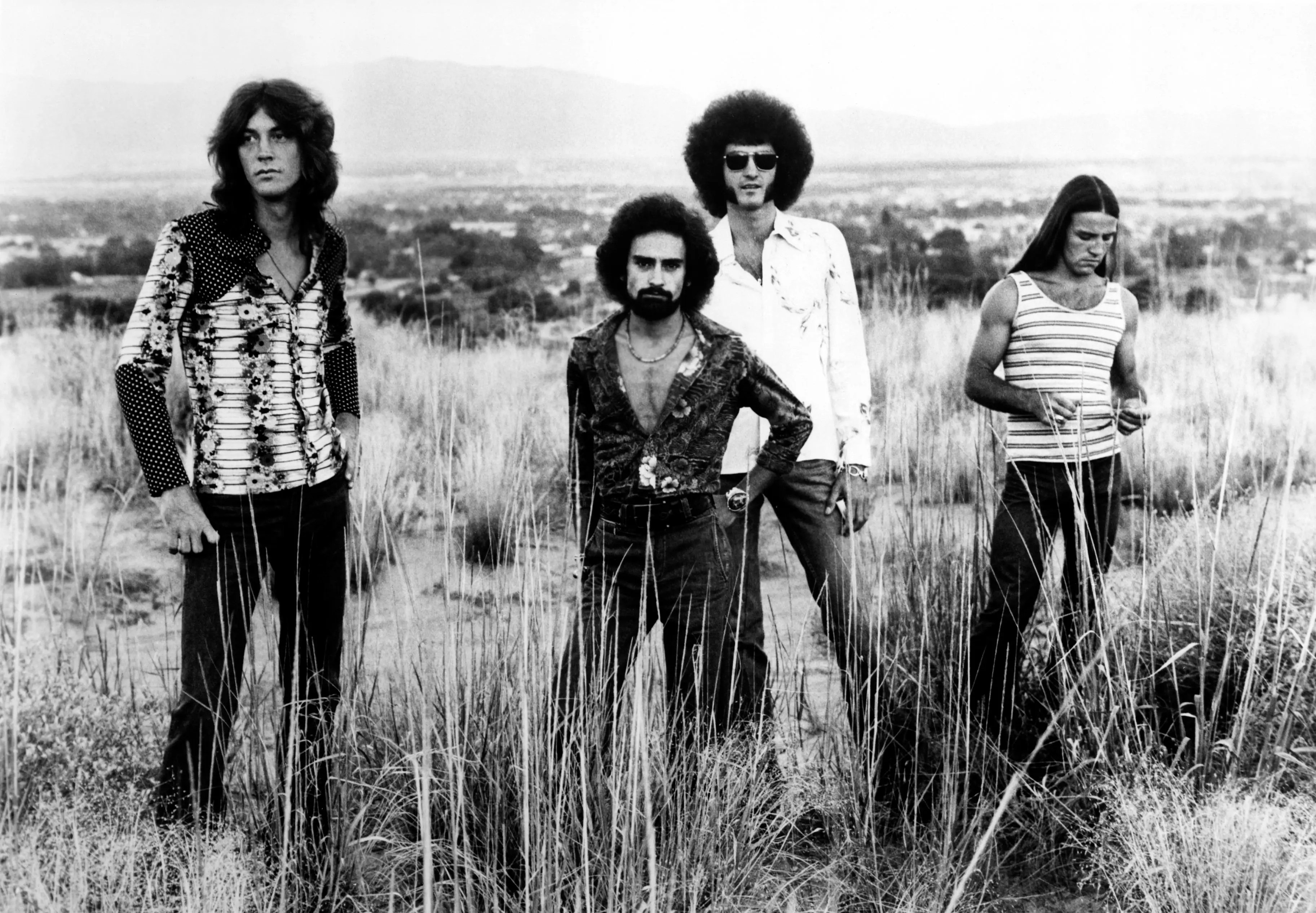
Original name: Grand Funk Railroad

Became: Grand Funk

Original name: White Heart

Became: Heart

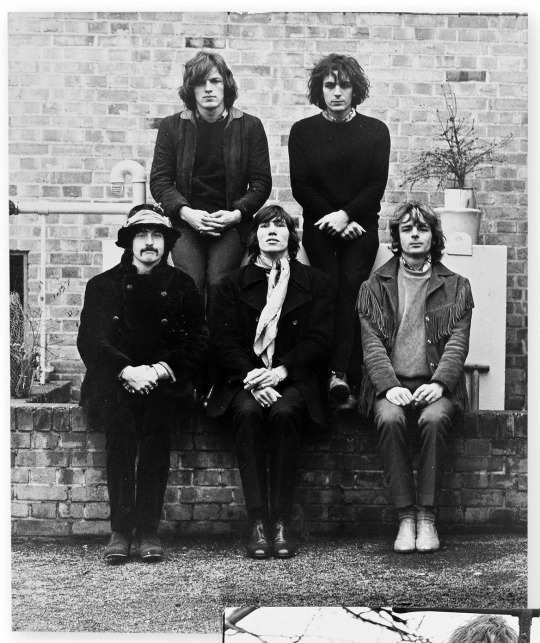
Original name: The Pink Floyd Sound

Became: Pink Floyd

And…

Dr. Hook & The Medicine Show became Dr. Hook

The Jackson Five became The Jacksons

The Osmond Brothers became The Osmonds

The Jazz Crusaders became The Crusaders

Strawberry Hill Boys became Strawbs

Video of the Week: Not All Mashups Are a Good Idea

Yeah, it’s possible to take two great, timeless songs and create something horrific from them.

Here’s a reminder that sometimes you should just leave something alone.

How the Doors Set the Night on Fire

[image]

By MARC MYERS

(Reprinted from The Wall Street Journal)

About six minutes into the song, a visibly stoned Jim Morrison bent over and pointed his leather-clad rear toward the Hollywood Bowl audience. Sensing trouble, keyboardist Ray Manzarek yelled “Jim!” The warning worked. Morrison stood up, retook the mike and completed the hit song: “Light My Fire,” as seen on “The Doors: Live at the Bowl ’68” (Eagle Rock), a newly restored DVD released Monday, Oct. 22.

Collaboratively written by the band in 1966, “Light My Fire” leaves a trail of history behind it. Originally lasting more than seven minutes, it featured one of rock’s first extended album solos. When the shorter single was released in ’67, it reached No. 1 on Billboard’s pop chart, and the following year, José Feliciano won a Grammy for his cover version.

Mr. Manzarek and Robby Krieger—two of the Doors’ surviving members—talked about the song’s famed keyboard intro, the Fats Domino connection, and why the single was faster-paced than the album version. Edited from interviews.

Ray Manzarek:By March 1966, we were running out of songs. Up until then, I had been putting chord changes to Jim [Morrison’s] sung lyrics. At a band rehearsal, Jim said, “Everyone go home this weekend and write at least one song.” But when we regrouped the following Tuesday, only Robby had written one. He called it “Light My Fire.”

Robby Krieger: I was living at my parents’ home in Pacific Palisades [Calif.] at the time. In my bedroom, I came up with a melody inspired by the Leaves’ “Hey Joe.” I also liked the Rolling Stones’ “Play With Fire,” so I wrote lyrics that used the word fire.

Mr. Manzarek: We had been rehearsing in the downstairs sunroom of a beach house at the very end of North Star Street near Venice [Calif.]. The people who lived upstairs were at work during the day, so we could bang away without disturbing anyone.

When Robby played his song for us, it had a then-popular folk-rock sound. But John [Densmore] cringed. He said, “No, no, not folk-rock.” He wanted it to sound edgier. He added a hard, Latin rhythm to the rock beat, and it worked.

Mr. Krieger: As Jim sang, he changed the melody line a little to give it a bluesy feel. Then he came up with a second verse right off the top of his head: “The time to hesitate is through/No time to wallow in the mire…”

Mr. Manzarek:Once the lyrics and melody were set, we realized we could jam as long as we wanted on the song’s middle two chords—A-minor and B-minor—the way John Coltrane did on “My Favorite Things” and “Olé.” All of us dug Coltrane’s long solos.

But we needed some way to start the song. At the rehearsal, I started playing a cycle of fifths on my Vox Continental organ. Out came a motif from the Bach “Two- and Three-Part Inventions” piano book I had used as a kid. It was like a psychedelic-rock minuet.

We didn’t use a bass player—I played the bass notes on a Fender Rhodes keyboard bass while my right hand played the Vox, which could be cranked up to a screaming-loud volume. My bass line for “Light My Fire” grew out of Fats Domino’s “Blueberry Hill,” which I loved growing up in Chicago.

Mr. Krieger: We started playing the song at the London Fog on the Sunset Strip in April and May 1966 and at the Whisky A Go-Go between May and July. Onstage, the song became this rock-jazz jam. Audiences loved it.

Mr. Manzarek: In August ’66, when we went into Sunset Sound to record our first album, producer Paul Rothchild wanted us to record “Light My Fire” just as we had been playing it live. We recorded two takes—each one lasting over seven minutes. Nobody was recording extended solos on rock albums then.

Mr. Krieger: Afterward, Paul felt the song needed a little more drama at the end. Because Paul loved what Ray had done with the minuet in the beginning, he said, “Hell, let’s put it at the end, too.” So he spliced in a copy of Ray’s minuet after Jim’s vocal, as an outro.

Mr. Manzarek: Paul brought in Larry Knechtel of the Wrecking Crew to overdub a stronger bass attack. Then the master was blasted into the studio’s cement echo chamber, which gave the song reverb.

Mr. Krieger: A few months after “The Doors” album came out in January 1967, Elektra founder Jac Holzman called and said the label wanted a single for AM radio. Dave Diamond, an FM disc jockey in the San Fernando Valley, had been playing the album version and was getting a ton of calls.

Mr. Manzarek: But a single meant our 7:05-minute album version had to be cut down to 2½ minutes. Everyone groaned, but Paul said he’d take a crack at it. When we heard the result the next day, the organ and guitar solos were gone. Robby and I looked at each other and said to Paul, “You cut out the improvisation!”

Paul said: “I know. But imagine you’re 17 years old in Minneapolis. You’ve never heard of the Doors and this is the version you hear on the radio. Would you have a problem with it?” Jim sat there and said, “Actually, I kind of dig it.” We agreed.

Mr. Krieger: It was gut-wrenching to hear my guitar solo cut, but I actually liked the single better. I was never crazy about the album version. It had been mixed at a very low volume to capture everything. On the radio, it wasn’t very loud or exciting. The single, though, snapped. The secret was that Paul had wrapped Scotch tape around the spindle holding the pickup reel, so the tape would turn a fraction faster. This made the pitch a little higher and brighter, and the song more urgent.

Mr. Manzarek: I first heard the AM single with my wife, Dorothy, in our VW Bug. Dorothy started bouncing up and down like a jumping jack. I was pounding on the wheel. What a feeling.

Mr. Krieger: At first, I didn’t like José Feliciano’s 1968 version. It was so different and laid-back. But after a while, I came to love it. He made our song his own, which got others to record it. Thanks to José, the song is our biggest copyright by far.

List of the Day: AC/DC Choruses That Are Just the Same Phrase Repeated Four Times

Love ’em or hate ’em, we can all agree no one dumbs it down like the boys from down under.

It may have been Elvis Costello who said, essentially, rock music is stamping your feet and shouting something four times. If so, these guys have perfected the formula.

Makes it “classic” for some, unlistenable for others. I’ll forego weighing in, except to say I think I could have collected plenty more examples, but I would have had to listen to their music–and that was a dealbreaker for me.

Video of the Week: Gene Simmons–Rock and Roll is Dead

Previous Older Entries Next Newer Entries