Songs You May Have Missed #800

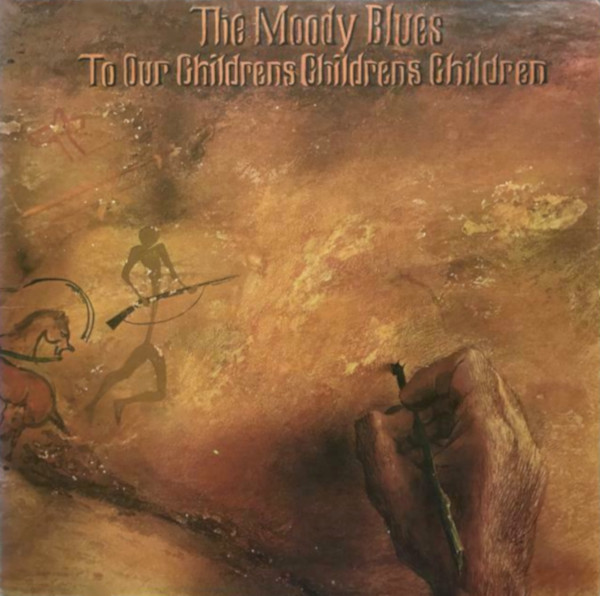
The Moody Blues: “Candle of Life” (1969)

It’s hard to articulate what the Moody Blues have meant to me for the great majority of my life.

But on the occasion of the loss of singer/songwriter/bassist John Lodge, it seems like a good time to try.
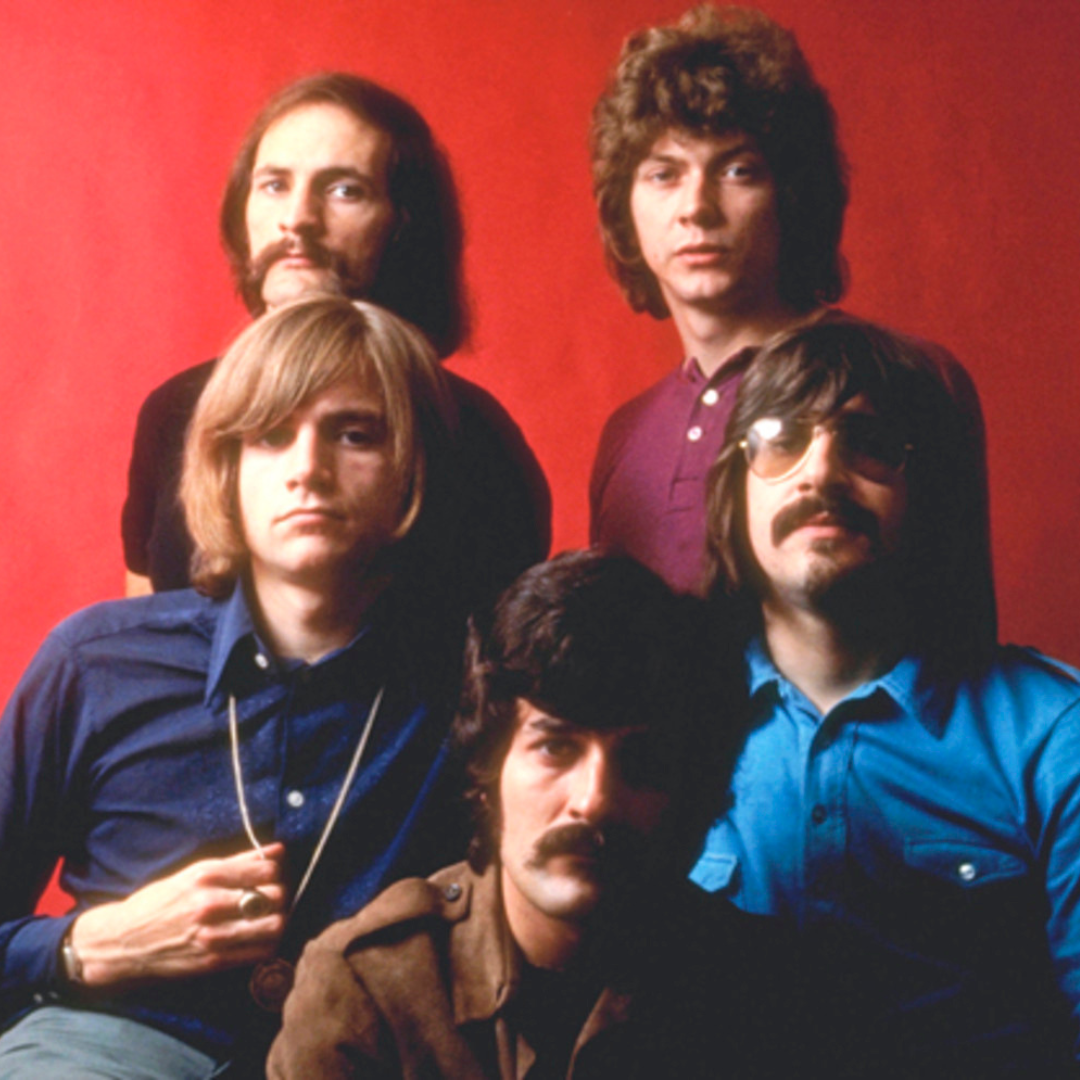
Basically, since the day my older brother gave me a copy of the band’s 1971 album Every Good Boy Deserves Favour, no band or artist has been more important in my life.

So many things about the Moodies were different from anything I’d heard before.

The conceptual albums with each song fading into the next. The arty opening track, always a thing of musical ambition and lyrical profundity. The five songwriters, each capable of taking the lead vocals on his own material, giving each album a breadth of songwriting and vocals unmatched in rock.

That gorgeous, otherworldly vocal blend, with John Lodge’s falsetto on top:

To my young ears it was a revelation. The kind of music perfectly suited for the experience vinyl records allowed, and the best vinyl records demanded. I absorbed Moody Blues albums, one after another, total immersion style–often lying on my bedroom floor with headphones on, gatefold album cover spread in front of me, reading the lyric sheet, pondering the album cover art. Doing all the things that made it a richer experience than a kid today can get from a download or a stream.

This was a stream of another kind, on which I was swept away to “far away forgotten lands, where empires have turned back to sand”.

And always John Lodge’s stratospheric falsetto was on top. And always his bass was on the bottom. He supplied both the band’s angelic corona and its rock and roll bona fides.
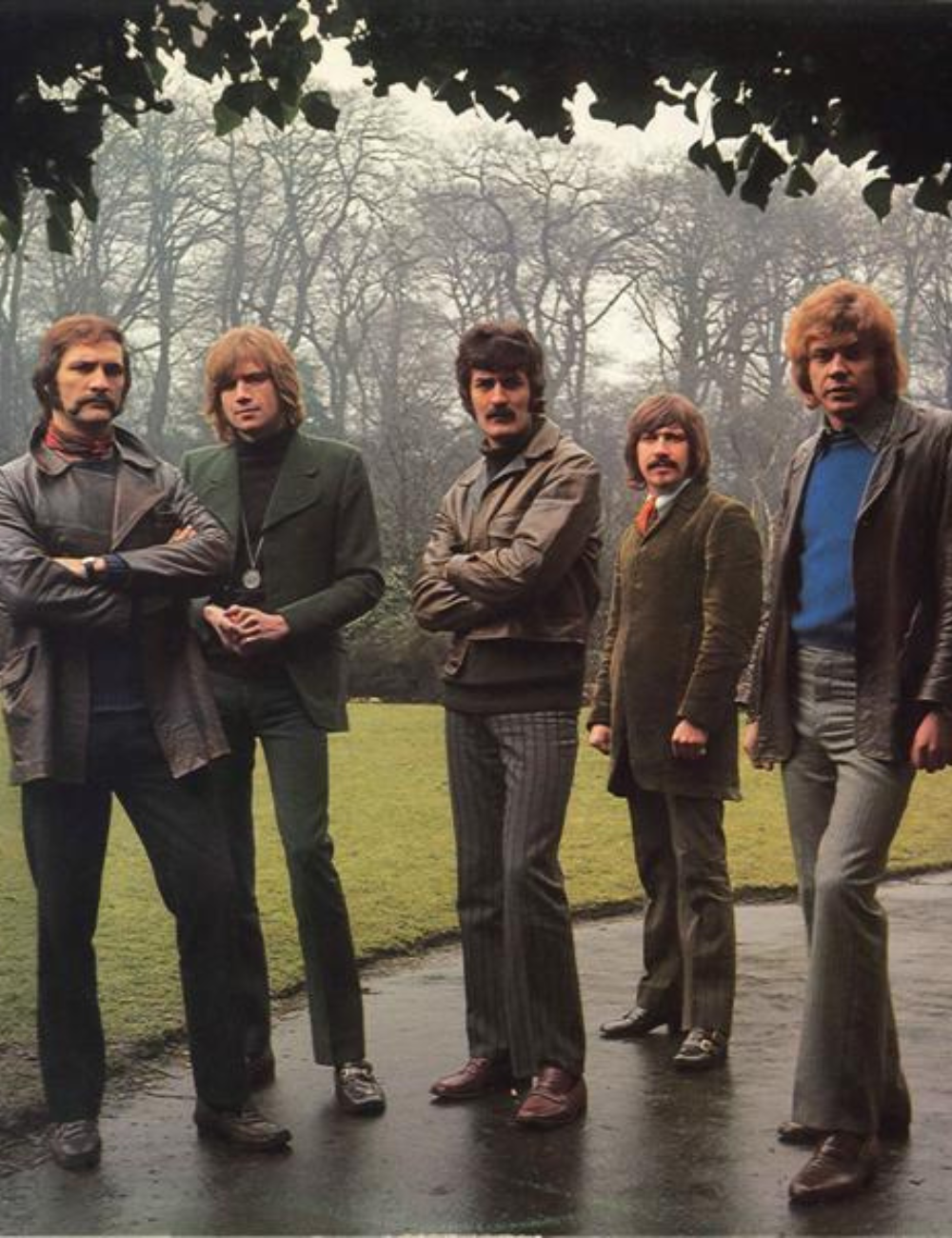
Each writer in the band brought his own style. Flutist Ray Thomas was the most fanciful. Justin Hayward was the band’s lead romantic and also a songwriter’s songwriter. Graeme Edge was the poet. Mike Pinder represented the band’s social consciousness.

And Lodge? Lodge was somewhat enigmatic. To a greater degree than the others he had the heart of a rocker. On the other hand, he could compose songs of such beauty they rivaled even those of Hayward.

The song he wrote on the occasion of the birth of his daughter is as gorgeous and understated a lullaby as you’ll ever hear from (just) a singer in a rock and roll band. And John the rocker had the instinct to let cello and glockenspiel accompany his tender lyric:

My daughter Emily has her name because this song–“Emily’s Song”–conveys the tender feelings of a father for a daughter better than any I know.

It was appropriate that my introduction to my favorite band was Every Good Boy Deserves Favour, because the album cover conveys the essence of my relationship with that eldest brother, who not only turned me on to the Moody Blues but to many of my favorite artists and authors. Of course, at about 9 years old your senses are keen and your emotions come in a deluge.
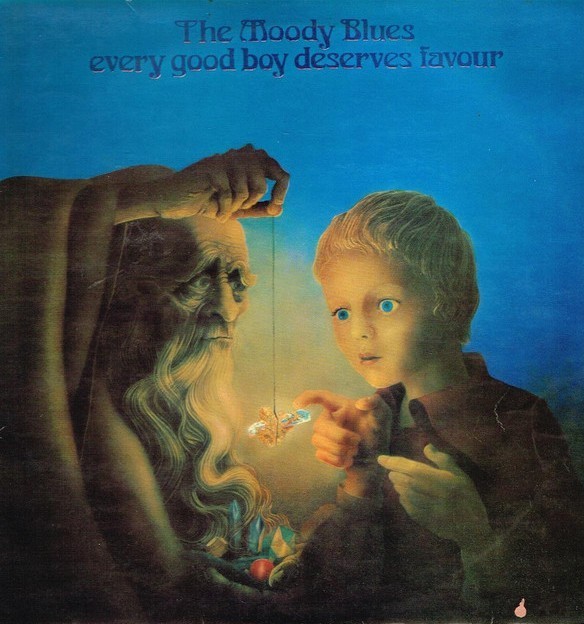
Nevertheless nothing has affected me as powerfully in the fifty years since than the Moody Blues and J.R.R. Tolkien–both passed along to me by that brother, the one I lost too soon. The band and the fantasy author always seemed to link in my mind. In my imagination, one was a soundtrack for the other.

So when I read years later that the Moodies themselves were heavily influenced by the author of The Lord of the Rings it all made sense. Those “far away, forgotten lands” I imagined as I listened may have been the same ones they and I envisioned when reading Tolkien.

And oh by the way, my Emily’s middle name is Arwen.

With few exceptions, each songwriter in the Moody Blues sang lead vocals on his own songs. It’s always been a point of curiosity to me that Lodge handed “Candle of Life” over to Justin Hayward to sing. But in this case I think it was the right choice. And John’s voice is still–as always–discernable, especially in the plaintive bridge.
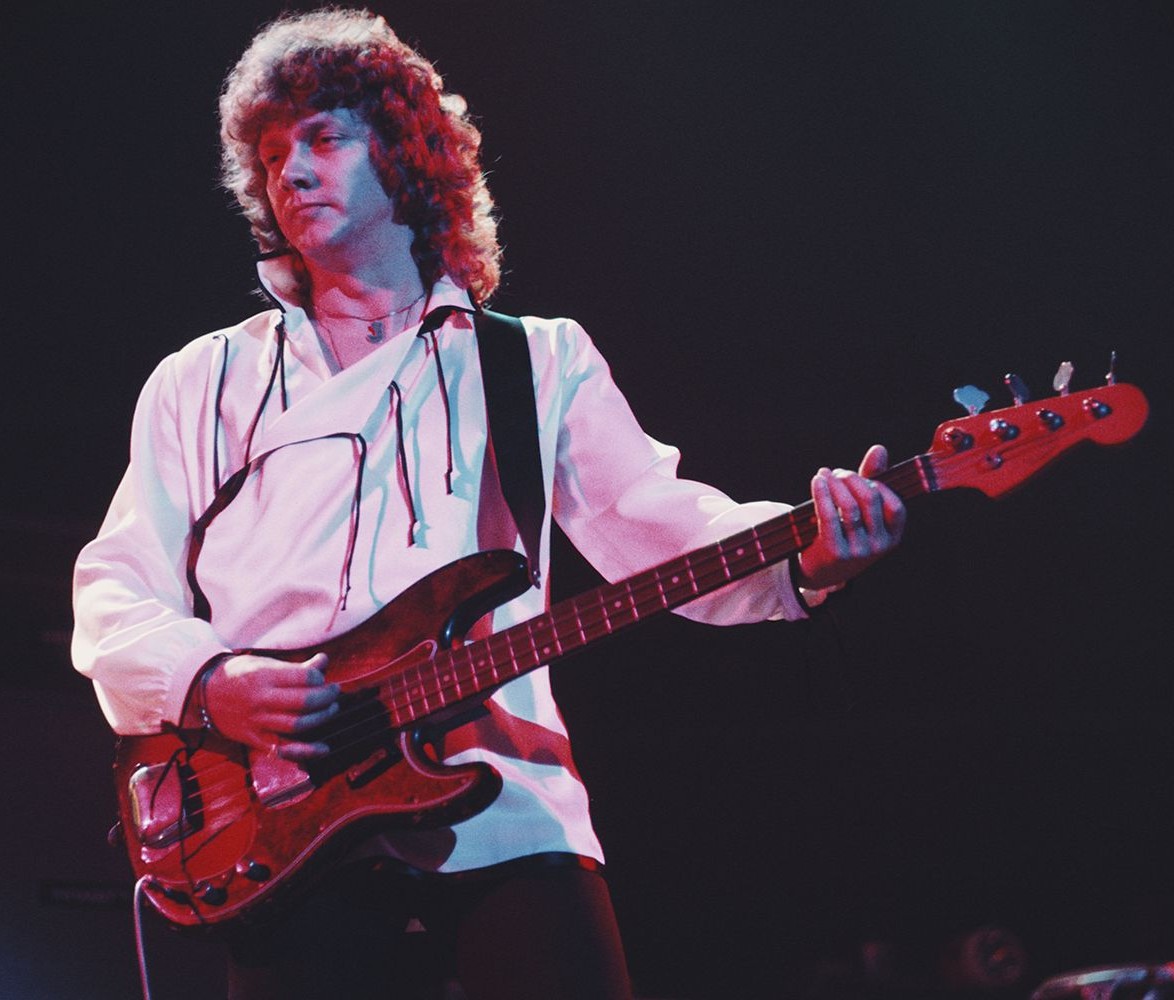
RIP John Lodge. You and your four mates provided–still provide–the most powerful, inspiring, awe-inducing listening experience this listener has ever known.

There’s so much more that should be said about the magic in the music, and I wish I had time to write more at length. We all wish we could take your advice to “burn slowly the candle of life”.

But it’s not that kind of world these days. The world is spinning faster, and the days spent lying on my bedroom floor, lost in the flood of beauty from the headphones, are a memory. I have to work in the morning.

But as long as we’re around, the music will be too.

You won’t be forgotten.
See also: https://edcyphers.com/2015/02/17/songs-you-may-have-missed-523/

See also: https://edcyphers.com/2012/11/21/songs-you-may-have-missed-253/

See also: https://edcyphers.com/2012/09/16/songs-you-may-have-missed-173/

See also: https://edcyphers.com/2013/11/06/songs-you-may-have-missed-500/

Songs You May Have Missed #774

Original Broadway Cast: “Maybe” (1977)

She just turned seven yesterday. Seems young, but some seem to gather in more in seven trips around the sun than others. She’s always looking for the next thing to love, the next thing to dive into. Like her mom did at seven.

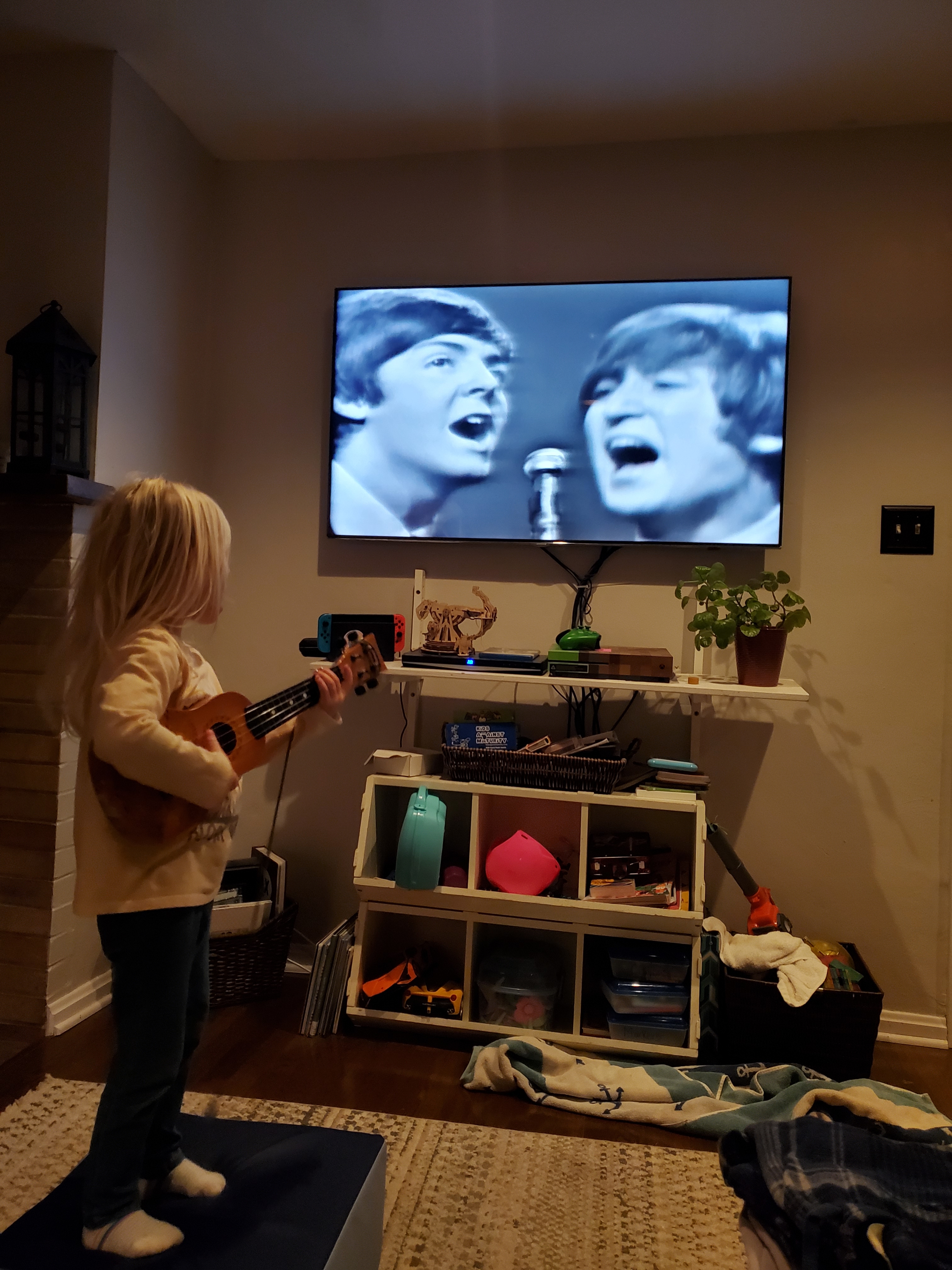
A musically-obsessed grandpa throws a lot of things her way. Certain things have stuck, become obsessions of her own. She loves Herman’s Hermits, Veggietales, Vivaldi, singing cats, the Cowsills, Julieta Venegas, ABBA, Veruca Salt singing “I Want it Now”, Lennon’s leather-tonsilled “Twist and Shout”, McCartney’s “Uncle Albert/Admiral Halsey”, this video, and, most obsessively, “Maybe” from Annie.

She’s long been enamored of the two better-known songs from this musical. She’s watched the “Hard Knock Life” movie clip on YouTube countless times. And when we visited a community park with an old bandshell she took the stage to give her grandpa an exclusive performance of “Tomorrow”, taking immense pride in holding the final note even longer than Andrea McArdle did.

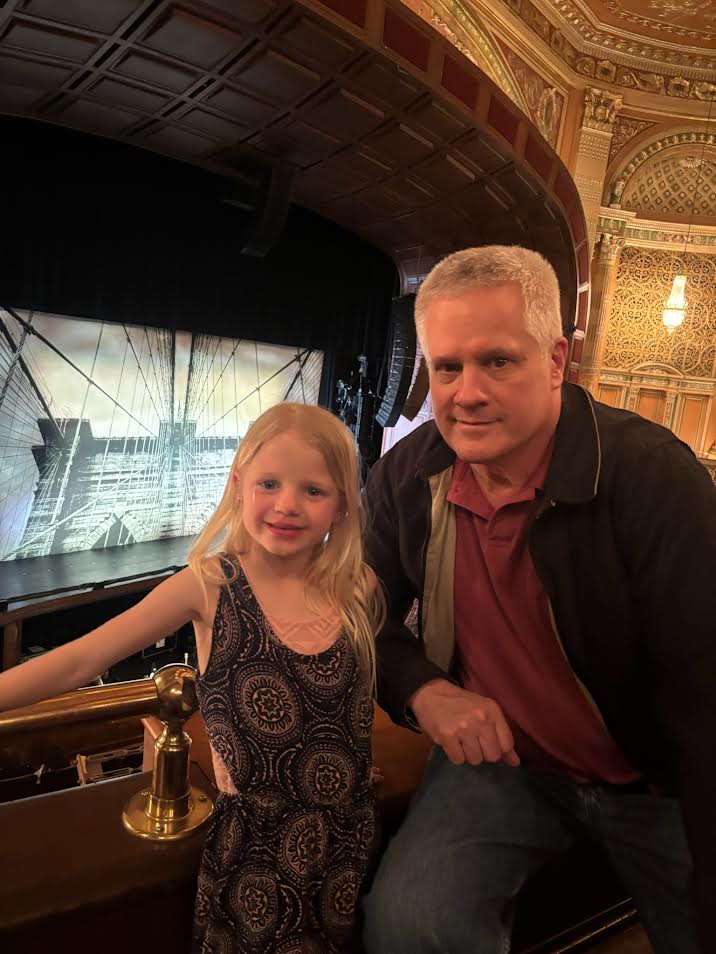
Finally this year the off-Broadway production of Annie came to town. We knew that “Tomorrow” and “Hard Knock Life” would be highlights.

What we didn’t know was that an unfamiliar song would be the highlight.

In the show’s first number, lead character Annie is quieting a younger housemate who’s had a bad dream. The conversation turns to their dreams of being taken in by a real family. Annie, who holds onto hope that her parents will return for her any day, sings the heartbreaking “Maybe”.

Grandpa and granddaughter alike were, apparently, blindsided. Enthralled. That moment, that song, that performance–it was magic. The kind of moment you wish could last and want to relive over and over.

So by the end of intermission she’d made sure I’d put “Maybe” on the Spotify playlist she curates on my phone. And on the way home from the theater we heard one song on repeat. And after every play she asked me if I was sick of it yet. And I answered honestly that I wasn’t.

A couple days later we went to our favorite coffee shop for chai and to the roller rink. It’s become a semiregular routine of ours and involves a bit of a drive. We stopped at Chipotle to pick up some dinner, then to my house to eat it, then back home for her. I think I heard “Maybe” over 30 times that day.

“Are you sick of it yet?”

“Nope”

And even if I was, I wouldn’t say it. She’ll get no wet blanket from me. It’s a joy to see the joy she gets from music. In a young person there’s no pretense and no posing; the love of music is luminous, instinctive and real.

Even when the car contains two older brothers, their devices, their more contemporary urban music tastes and their propensity to tease her for her musical sensibilities, she only sings louder, completely undeterred.

This is the gift of being inside the music, coupled with that of being too young to feel shame about loving the stuff you love.

Annie has become a bit of an obsession for both of us. The next musical obsession will come along of course, but until it does we watch YouTube Annie performances and compare the Annies over the years (she prefers Brooklyn-accented Lilla Crawford while I’m partial to the original cast’s McArdle). We rate which girls sing the best versions of this song that stole both our hearts unexpectedly.

We can’t wait until another production of Annie comes to town, and this time “Maybe” will be the most anticipated moment.

Nope, still not sick of it.

Video of the Week: Paul McCartney Composes and Plays “Get Back” for the First Time

In a remarkable moment fortuitously caught on film, Paul McCartney, feeling the pressure of an approaching deadline on the Beatles eventual Let it Be project, makes productive use of time waiting for John Lennon, who is late to arrive.

It’s a breathtaking glimpse of songwriting genius–the birth of a hit song, verse and chorus, takes place in less than four minutes as Paul strums a bass guitar.

I can’t say it any better than the YouTube comments, so I’ll paste them here:

@EdouardPicard0224

Paul just casually shitting out a golden song at 10 in the morning.

@ctbadger

Not only does the melody fall out, so does the chorus and half the lyrics. This is a mind-blowing piece of film.

@ericm8333

It’s actually insane this was caught on camera

@Strathclydegamer

It’s just mind blowing, they’re sitting around waiting for John and this whole new song just falls out of Paul’s head. George is giving positive feedback, Ringo’s already working out the percussion… then John walks in, sits down and immediately picks up on it and joins in. The Beatles fully deserve to have their music listened to until the last human dies. To never be forgotten.

@andrewvincent7299

This is one of Paul’s most legendary songs and it was composed strumming his bass while waiting for John to show up. The guy was such a genius it’s not even funny.

@EmeraldWoodArchives

The fact that this wasnt in the original Let It Be is baffling. What a moment. “We need another million selling hit single, lads” “Right, give me about 4 minutes”

@JosephLewis07

We would never have Get Back if John wasn’t late, cheers John!!

@N1ckRa

It’s almost like he discovers the song. Like it existed before he wrote it but hadn’t been given form yet

@android1617

Paul accomplished more in those few minutes than most musicians will in their entire careers.

@BennieDuck

something warms my heart about when ringo starts throwing in that extra ‘get back’

@yusuke5331

Watching Paul making this song out of nothing is so mesmerizing

@JeffreyBue_imtxsmoke

My favorite song from the album and watching Paul just pull it out of his ass is pretty damn amazing. I’ve never understood how people can just create a song out of thin air like that.

@arminmne2006

This is the most monumental piece in the history of the docunentary films. An absolute treasure.

@1Wayo

From zero to Get Back in a few minutes. Wow!

@Plate-Mate

Paul was really the heart of this band. If it wasn’t for him, this group would have ended way before 1970. Thank you, Paul!!!

@DanSchroeder-j5r

Christ imagine the pressure of being a songwriter in that band.

@77acacosta

This is one of the most beautiful things to be able to witness.

@andruwinter902

I feel like I just watched something extremely magical

@LinkRocks

This is a writer’s dream on how to create a song you’re proud of. You’re just noodling around the guitar or piano and suddenly magic happens. I’m sure there were times when Paul couldn’t come up with an idea to save his life, then something like that happens as if it’s always this easy. lol I love it.

@billysunday7507

Harrison’s lead playing is so simple and full.

@majipoorcat

I had tears when I realized what was happening.

@cliffords2315

Paul is the Music Magician of the Band, if you watch the whole Documentary you find out Paul is the Beatles

@ASKpq

This is an extraordinary recording. Extraordinary. To see a song just grow and manifest like this. It should be shown in schools

@kaylamanor

This should be in a museum

@RockyRaccoon7262

That folks is the genius that is Paul McCartney!

@henryd98

Easily the best video ever recorded.

@queenredspecial

This will never not blow my entire mind.

@piper77

This gives me the chills every time I watch this.

@davidsherman6041

3:35.. the moment even Paul realized what magical moment just unfolded.. this is so awesome to see

@levinobletter6297

“Hi guys, what have you been doing so far?” “…well, no big deal. In the meantime Paul has composed a new hit that will go down in music history, but stay humble!”

@yeknommonkey

Panning for gold

@j.m.starling9726

Ringo and George lend a hand, then John shows up late, and gets co-writing credit.

@CMinorOp67

Brilliant! Wonderful we get to see the origins, half a century later, which is sooooo weird to think about!!

Songs You May Have Missed #765

Manfred Mann: “My Name is Jack” (1968)

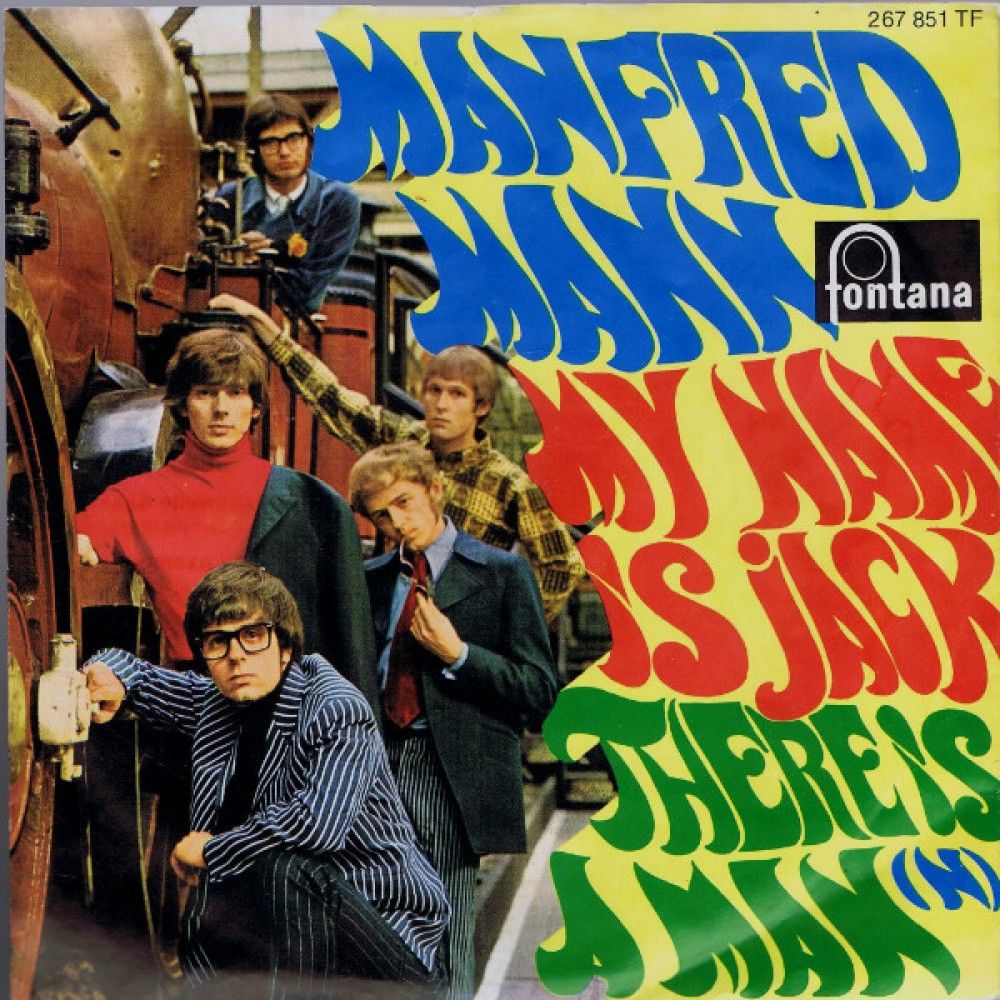
Manfred Mann’s nursery rhyme-ish 1968 single (#8 UK, #104 US) was one of the more often-played 45’s in my proud collection as a four-year-old, and more recently became a favorite of my granddaughter at about the same age.

But the more you learn about the song’s origins, the less like a nursery rhyme it all seems.

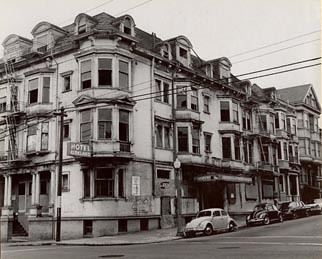
The Greta Garbo Home for Wayward Boys and Girls was a real place. San Francisco’s Kirkland Hotel, a Victorian-style hostel located not far from the Fillmore, got its nickname from a Greta Garbo poster on its wall.

The characters in the song–written by American John Simon and featured in the 1968 counterculture documentary You Are What You Eat–were also real.

“Superman” (originally “Superspade” but altered for the song’s American release) was a drug dealer.

Some reminiscences of former residents:

I remember it well. The guys who opened it were enamored of the beats and want to recreate that era. When they were first opened (with very little in the way of renovation) some of the residents found a cache of old but never worn high button shoes in the basement and soon hippie chicks all over the bay area were wearing them. The last time I was there, I went to see Betsy, a skinny southern girl and a quy I owed 20 bills to and had lost track of for 2 years. Someone told me Betsy knew where he was and, indeed, he was living on the same floor as she. By then the building was overrun with hippies and the lobby was full of runaways just hanging out (must have been 50 or 60 young kids there). There were two SFPD detectives walking around with a poster board covered with photos asking: “Have you seen any of these people”. People were freely smoking weed in front of these cops. I was told the floors of the building had been informally divided up by drug of choice with potheads on the first floor, acidheads on the second and ending up with the Meth Monsters on the 5th. As you walked the hallway you could see that every door had been kicked in at least once (management? cops? thieves?) and had hasps and padlocks on them.

And…

We got one of the rooms with a bay window – on which we painted a picture of HULK. We were scared to death that heavy dopers would crash through the thin wooden door – but the Hulk seemed to scare them away.

Our room overlooked a little deli that sold tiny loaves of bread for like a nickel. I think we lived on those. We drove a VW bus of course.

And…

Super Spade, featured prominently in the film was a friend of my older brother, who lived at 408 Ashbury, a block-&-a-half north of Haight. Bro told me Super got into dealing drugs, and got himself killed in an unsolved crime.

The Kirkland was eventually demolished, and a church was opened on the site in 1975.

It’s odd that an English band would record a song extolling the rather unremarkable real-life residents of a seedy San Francisco hotel.

It’s odder still that it would be a top 20 hit in the UK, Ireland, Austria, Germany, Australia, New Zealand, South Africa and the Netherlands but not the U.S.

But oddest of all is that this nursery rhyme of a pop song (in reality an ode to flower power gone to seed) washing back onto American shores as an obscurity, would find the eager ears of a four-year-old on the east coast in 1968, and do the same once more in the 2020’s.

Recommended Albums #92

Beabadoobee: This is How Tomorrow Moves (2024)

If you’ve patronized your local open mic night with any regularity there’s a type of song, commonly proffered by young songwriting aspirants, that you’ve probably heard–and talked over–frequently:

A bit over-earnest. Angsty but unfocused. Marked by a single word, phrase or melodic line repeated four times (or eight). Marred by the clumsy sound of the wrong syllables being stressed (which a tweak of phrasing would have smoothed out). Overreliance on naughty words to signal “raw honesty”.

And sometimes the cathartic experience of wailing that phrase (naughty word included) eight times is enough to satisfy the writing/performing urge.

But if and when a songwriter graduates from open mic grade to something more accomplished, it’s typically attended by a move outward, from self-indulgence to a creative munificence. From “raw honesty” to emotional depth. From four-letter words to eloquence.

This is How Tomorrow Moves is the third full-length album from Beatrice Laus (aka Beabadoobee), and the one on which her transformation from open mic girl to pro is complete. It’s her first record of grown-up songs.

The heartrending “Tie My Shoes”, for example, is the work of no amateur. It may be autobiographical, but it’s crafted by a girl who has learned how to tap into something universal–and very affecting.

Bea’s juvenescent coo is a singular instrument, ideally suited to put across this reflection on a disappointing father-daughter relationship and the lack of trust unresolved feelings engender moving forward into adulthood.

A subtle harmony line in the chorus is sung high above the melody, in a child’s register, effectively manifesting the presence of both of the song’s protagonists–adult singer and young Beatrice–in a song about how the disillusionment of one is still borne by the other.

It’s a deft production touch, delicate but devastating. “Tie My Shoes” is a remarkable song and the album’s emotional center.

“Coming Home” is exactly the kind of whimsy that evokes the Juno movie soundtrack, a prime influence on a teenage Bea’s nascent songwriting efforts.

“A Cruel Affair” explores an emotional rivalry without self-pity or excessive hand-wringing. In fact it comes wrapped in a lilting bossa nova of all things.

On the other hand “Beaches” sounds like something you want to crank up in the car as you flee the traffic–or hear as a concert set encore.

Thanks to production work by the renowned Rick Rubin, the instrumentation and variety in the arrangements has expanded on album three to accommodate the leap forward in the maturity of the Filipino-British songwriter’s writing.

guitarworld.com

Rubin dressed up Beabadoobee’s music for a date with a wider audience. And she made an impression; the album debuted at number one on the UK charts.

Where the artist’s playfully meandering stream-of-consciousness lyrics first endeared her to a young audience, This is How Tomorrow Moves edges her into true singer-songwriter territory–while managing to retain the wide-eyed charm.

Where noisepop influences overwhelmed some of her early material, Rubin’s production holds the buzzy guitars in check, always in service of actual songs.

And Beabadoobee truly emotes, now that she’s stopped trying to emo.

Listen to: “Take a Bite”

Listen to: “One Time”

Listen to: “Tie My Shoes”

Listen to: “Girl Song”

Listen to: “Coming Home”

Listen to: “A Cruel Affair”

Listen to: “Beaches”

The Last Repair Shop | 2024 Oscar Winning Documentary Short

Previous Older Entries