How the Loss of Justice Ginsburg Impacts Music Creators

(via Advocacy)

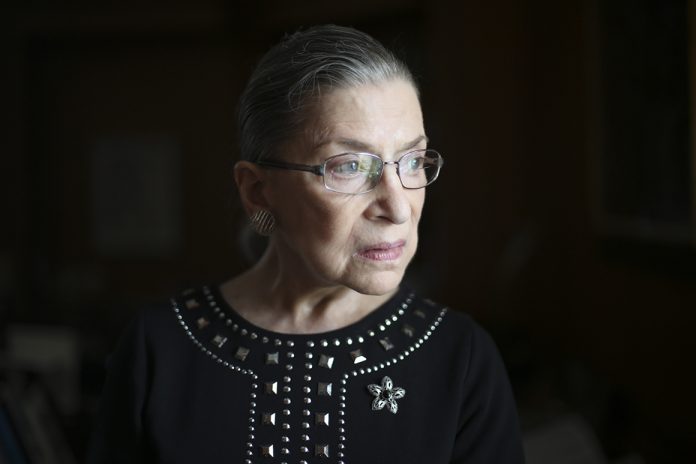
As the music world mourns the loss of Ruth Bader Ginsburg, one of its biggest copyright champions, it also looks to the short-term and long-term battles ahead

On Sept. 18, the music community lost a huge advocate in Justice Ruth Bader Ginsburg. Aside from her years of work as a trailblazer for equality and nearly three decades on the Supreme Court of the United States, RBG was known as a pro-copyright jurist who routinely found herself aligned with music creators…

Read more: https://www.grammy.com/advocacy/news/how-loss-justice-ginsburg-impacts-music-creators

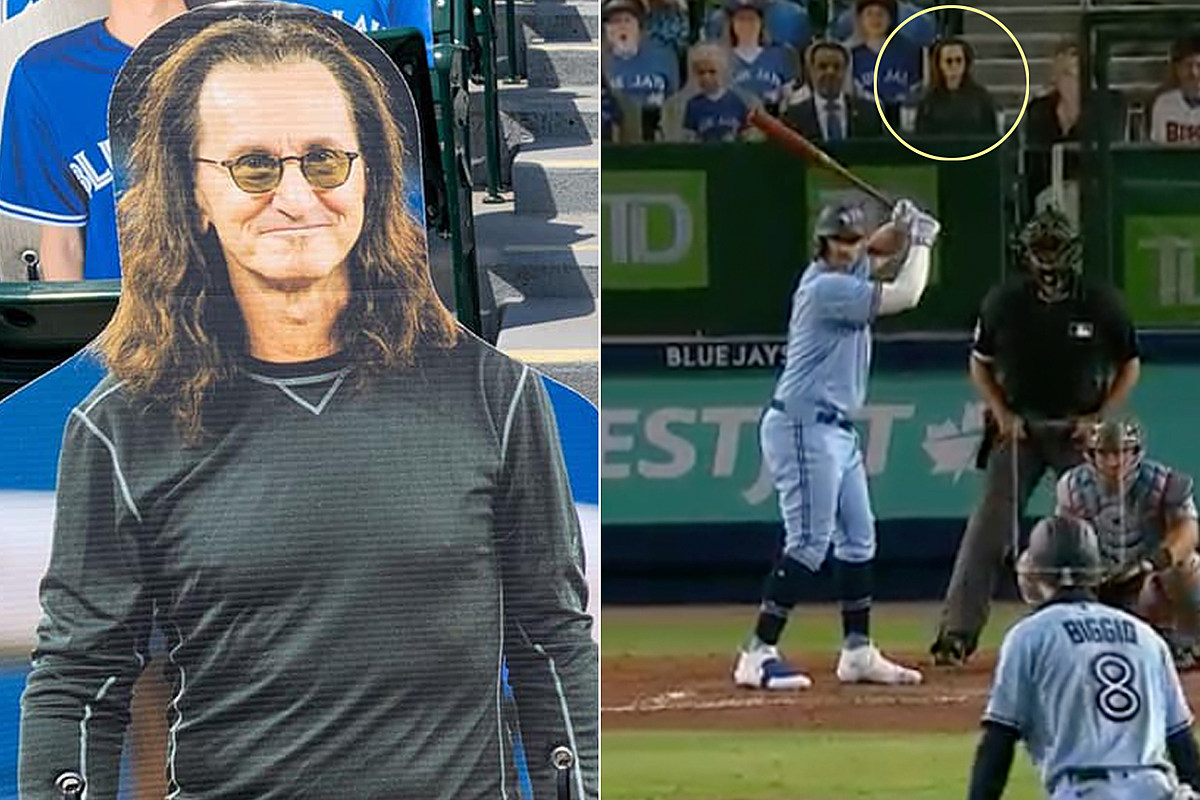
Rush’s Geddy Lee Appears as Cardboard Cutout at Blue Jays Game

(via Ultimate Classic Rock)

Geddy Lee was recently spotted at Toronto Blue Jays home games. The Rush frontman is among the cardboard cutouts found in the stands at baseball games these days. The coronavirus pandemic has kept people from attending sporting events in person, so many teams have placed cutouts of fans in the stadium’s seats…

Read more: https://ultimateclassicrock.com/geddy-lee-cardboard-cutout-blue-jays/

The One-Hit Wonder File: “All Right Now”

(Via Culture Sonar) by Ellen Fagan

The year is 1968. Four enormously talented young men, all in their teens, form a band called Free. Paul Rodgers is the frontman with the growly croon, Paul Kossoff the prodigy rock guitarist. Andy Fraser is on bass and percussion chores are handled by Simon Kirke. They begin life as a soft-edged, bluesy band, perfectly listenable but not memorable.

Early in their tenure, they have a particularly dispiriting gig in Durham, England. Kirke describes the demoralization of playing to a tiny, checked-out audience.

“… we finished our show in Durham and walked off the stage to the sound of our own footsteps. The applause had died before I had even left the drum riser.”

Backstage, the members of Free pondered their future options and decided they needed to come up with a powerful uptempo number that would keep audiences on their feet…

Read more: https://www.culturesonar.com/the-one-hit-wonder-file-all-right-now/?mc_cid=7bc9e1d98e&mc_eid=754259b4e6

Unraveling the Many Mysteries of Neil Diamond’s ‘Sweet Caroline’

(Getty Images)

Digging into Diamond’s inspiration and how the song became a staple at Fenway Park.

(via Mental Floss) by Kenneth Partridge

The story of Neil Diamond’s “Sweet Caroline” has it all: love, baseball, Kennedys, Frank Sinatra, Elvis, and the triumph of the human spirit. It’s pop’s answer to the national anthem, and as any karaoke belter or Boston Red Sox fan will tell you, it’s way easier to sing than “The Star-Spangled Banner.” As the song celebrated its 50th birthday in 2019, now’s a good time—so good, so good, so good—to dig into the rich history of a tune people will still be singing in 2069.

“Where it began, I can’t begin to knowing,” Diamond sings in the song’s iconic opening lines. Except the “where” part of this story is actually pretty simple: Diamond wrote “Sweet Caroline” in a Memphis hotel room in 1969 on the eve of a recording session at American Sound Studio. By this point in his career, Diamond had established himself as a fairly well-known singer-songwriter with two top-10 hits—”Cherry Cherry” and “Girl, You’ll Be a Woman Soon”—to his name. He’d also written “I’m a Believer,” which The Monkees took to #1 in late 1966…

Read more: https://getpocket.com/explore/item/unraveling-the-many-mysteries-of-neil-diamond-s-sweet-caroline?utm_source=pocket-newtab

“This Land Is Your Land”: The Story Behind America’s Best-Known Protest Song

(Getty Images)

(via Mental Floss) BY Kenneth Partridge

Few songs are more ingrained in the American psyche than “This Land Is Your Land,” the greatest and best-known work by folk icon Woody Guthrie. For decades, it’s been a staple of kindergarten classrooms “from California to the New York island,” as the lyrics go. It’s the musical equivalent of apple pie, though the flavor varies wildly depending on who’s doing the singing.

On its most basic level, “This Land Is Your Land” is a song about inclusion and equality—the American ideal broken down into simple, eloquent language and set to a melody you memorize on first listen. The underlying message, repeated throughout the song, makes the heart swell: “This land was made for you and me.”

But there’s more to “This Land Is Your Land” than many people realize—two verses more, in fact. Guthrie’s original 1940 draft of the song contains six verses, two of which carry progressive political messages that add nuance to the song’s overt patriotism. These controversial verses are generally omitted from children’s songbooks and the like, but they speak volumes about Guthrie’s mindset when he put pen to paper 80 years ago…

Read more: https://www.mentalfloss.com/article/585577/this-land-your-land-americas-best-known-protest-song

Bob Dylan’s 50 Greatest Songs – Ranked

Photo by Michael Ochs Archives / Getty Images.

(via The Guardian)  by Alexis Petridis

As fans puzzle out the epic “Murder Most Foul,” we count down the best of Bob, from the fury of “Pay in Blood” to the pure genius of “Simple Twist of Fate.”

50. Changing of the Guards (1978)

Street Legal delivered fans a shock: Dylan fronting a large band, with female backing singers to the fore. The words, meanwhile, might well represent an oblique personal history, from adolescence through marriage to religious conversion: whatever they were about, they reduced Patti Smith to tears on first hearing.

49. This Wheel’s on Fire (1967)

Subsequently covered by everyone from Siouxsie and the Banshees to Kylie Minogue, in every style from psychedelic to electro-glam stomp, the original Basement Tapes recording of This Wheel’s on Fire – both a great song and another of Dylan’s umpteen apocalyptic visions – has a uniquely intense, eerie quality that no one else has subsequently matched.

48. Pay in Blood (2012)

Should you wonder if Dylan’s capacity for rage had been dulled by his advancing years, listen to Pay in Blood, a gentle musical backdrop for an expression of literally murderous fury: at first he’s so angry that the lyrics are incomprehensible, his voice just a phlegmy snarling noise; when they come into focus, he’s demanding vengeance on bankers and politicians “pumping out [their] piss”. Bracing.

47. My Back Pages (1964)

Those upset when Dylan went electric couldn’t say he didn’t warn them something big was coming: My Back Pages spends the best part of five minutes not repudiating his protest singer past, but bidding the kind of certainties that fuelled it (“lies that life is black and white”) a sardonic farewell…

Read more: https://getpocket.com/explore/item/bob-dylan-s-50-greatest-songs-ranked?utm_source=pocket-newtab
Previous Older Entries Next Newer Entries