"There's a time in life for Hoagy Carmichael. There's a time in life for Claude Debussy. There's a time in life for Jerry Lee Lewis. There's a time in life for Destiny's Child. All these things have their moment." ~Elvis Costello
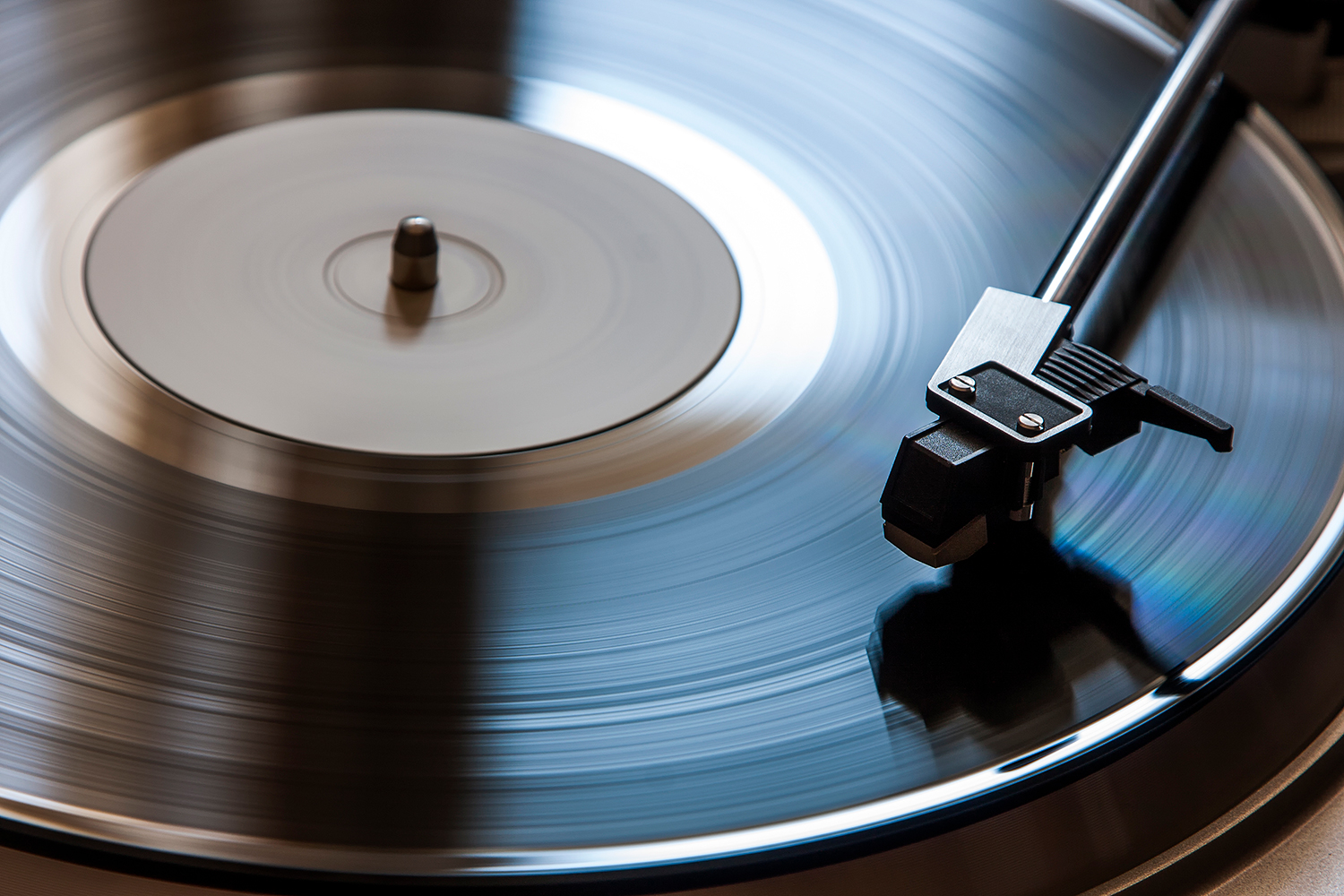
This past week, the Recording Industry Association of America (RIAA) released its mid-year report. It showed that 80% of the of music industry’s revenue comes from streaming, but it also showed that revenue from sales of vinyl records is on track to overtake that of compact discs by the year’s end, should current trends continue.
When the compact disc was introduced in 1982, it was billed as a technology that would render vinyl records obsolete. But while the general public may not have anticipated a resurgence in LP sales, those who have been paying attention for the past few years likely aren’t surprised…
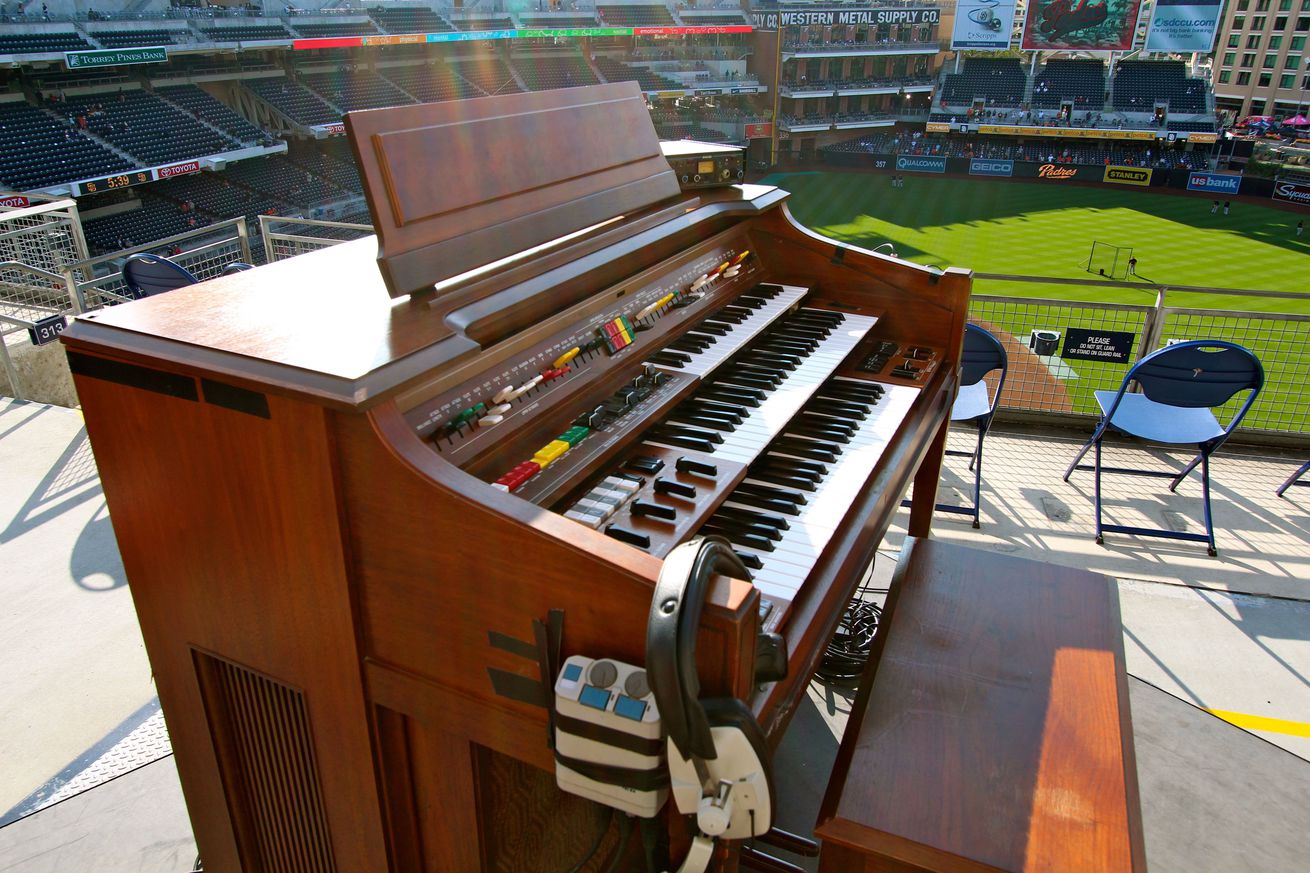
When did organ music and baseball become an item? Every Little Thing talks to some pro organ players to find out how organs and ballparks got together.
I can’t work in silence. And if I’m working with words—which is most of the time—I can’t work while playing typical pop, rock, or hip-hop. So I collect instrumental and foreign-language music on a scale better measured by weeks than by hours. Here are some of my greatest sources of background music for work, studying, and creativity…
Reluctantly parting with this awesome vintage air guitar. My uncle saw some dude in the audience playing this at a Thin Lizzie concert back in the 70s. Long story short, my uncle ended up trading the dude a lid of Acapulco gold for it and then gave it to me about 20 years ago. I’ve taken it to more concerts than I can remember and always get great comments about it. It’s definitely a chick magnet, especially if you’re working the has-been tour circuit (Rick Springfield, Bon Jovi, Kansas, Cheap Trick, whatever). The only reason I’m selling is to fund my lifelong dream of an overseas snipe hunt. Otherwise I’d never let this one go. No lowball offers or scams please.
(Reprinted from Collectors Weekly) By Hunter Oatman-StanfordDecember 16th, 2013
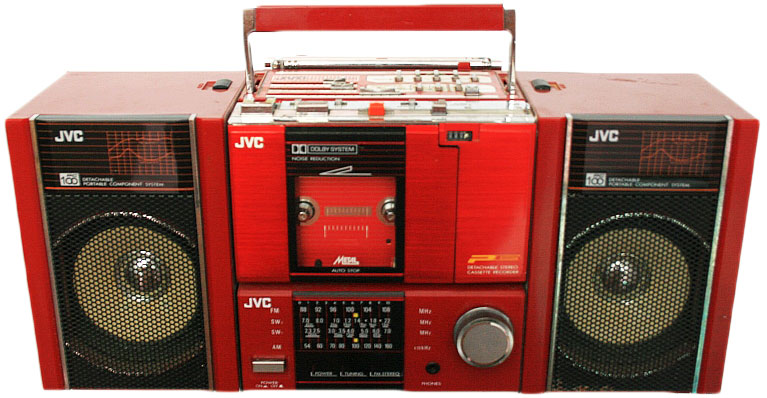
oomboxes are, by definition, excessive. With their deafening bass thud and dazzling chrome dials, these electric beasts are heavy enough to tone your biceps. Also known as “ghetto blasters” or “jamboxes,” they rose to fame in the 1980s along with hip-hop, flourishing as a tool for sharing and mixing the latest beats. Yet despite their widespread popularity, the innovators who conceived of these devices are still largely unknown, consigned to anonymity by the corporations that manufactured their creations.
Miles Lightwood hopes to change that. He’s the founder of Boomboxラジカセ Creators, an online archive and forthcoming documentary film devoted to identifying the individuals behind the most successful boomboxes of all time. So far, Lightwood has only located a handful original designers and engineers, a few of whom are already deceased, but he hopes that with the help of the Internet’s global community, more will be found before they pass away…
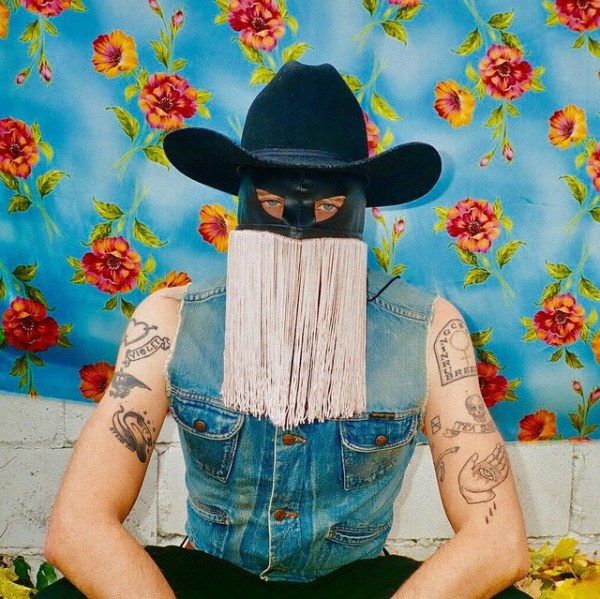
He wears handmade masks adorned with fringe, from under which his two blue eyes pierce. He is covered in tattoos, visible through his open vests. He wears colorful Stetson hats and cowboy boots. His music is replete with whistles and the sound effects of hooves, bull-whips, and gunshots. His lyrics are at once unabashedly mawkish and languorously erotic. He is gay. He is anonymous. He is the messiah of country music and he goes by Orville Peck.
Peck’s debut album, Pony, was released in early 2019 and has already become a classic, a must have for any true fan of country music, and a pool of perfect temperature for anyone willing to dip their toe into the genre for the first time. Country, as a genre, has always been massively underrated by mainstream listeners as an art form. The mainstream listeners are not to blame, however. What is to blame is the parade of terrible country musicians of the last 30 or so years. Musicians who have decided, in one way or another, that they’d spite those mainstream listeners by becoming caricatures: singing about their daddy’s pick-up truck, tractors, guns, the flag, and empty beer cans. Despite years of association, these singers and these subjects don’t represent country music. They represent only bad songwriting and nothing more…
 (via cnbc) by Daniel Bukszpan