What Happens in the Brain When Music Causes Chills?

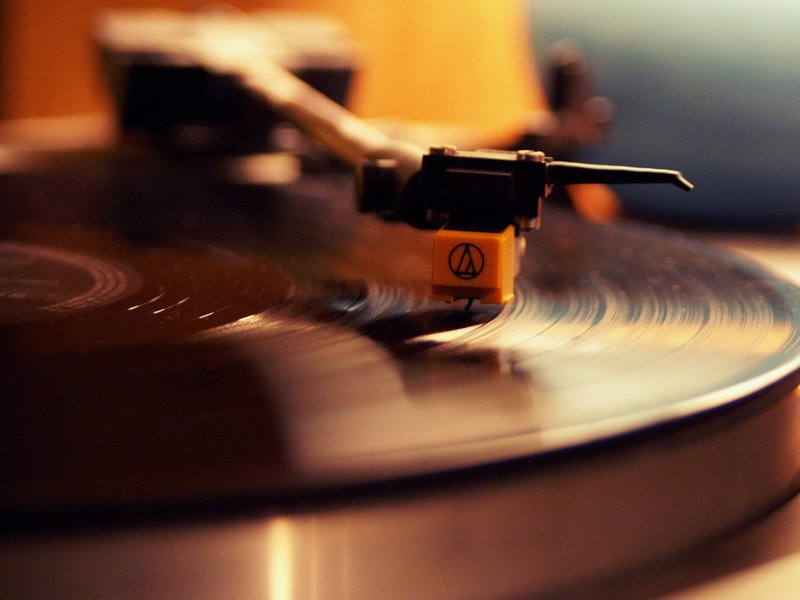
needle

(via Smithsonian.com)

by Jason Daley

For some people it’s David Bowie. For others it’s Franz Liszt. But regardless of the genre, when the right chords combine, many people will get goose bumps or a chill up the spine.

Somewhere between a half to two-thirds of the population have this reaction, yet scientists have long debated why. Past research has shown that when experiencing “the chills,” the neurotransmitter dopamine floods through the body. But a new study published in the journal Social Cognitive and Affective Neuroscience details what happens in the brain when the soprano hits the high note, reports Ian Sample for The Guardian.

These reactions are known as frissons—an aesthetic chill also sometimes called a “skin orgasm,” Mitchell Colver, doctoral student at Utah State University, writes for The Conversation. Though they are usually associated with listening to music, some can even get the willies while looking at art or watching a movie.

To investigate what happens in the brain during the chills, a group of researchers from Harvard and Wesleyan University selected ten people who claimed that they regularly experience a frisson while listening to music. He also selected ten subjects who never experienced the phenomenon.

Read more: http://www.smithsonianmag.com/smart-news/researchers-look-what-happens-brain-when-music-causes-chills-180959481/#cVKDio9kI1TgMY2Y.99

On Music Appreciation

10

9

taste

now-what

steely-dan

4

7

good-music

13

8

cute

2

5

12

3

14

1

6

11

repeat-forever

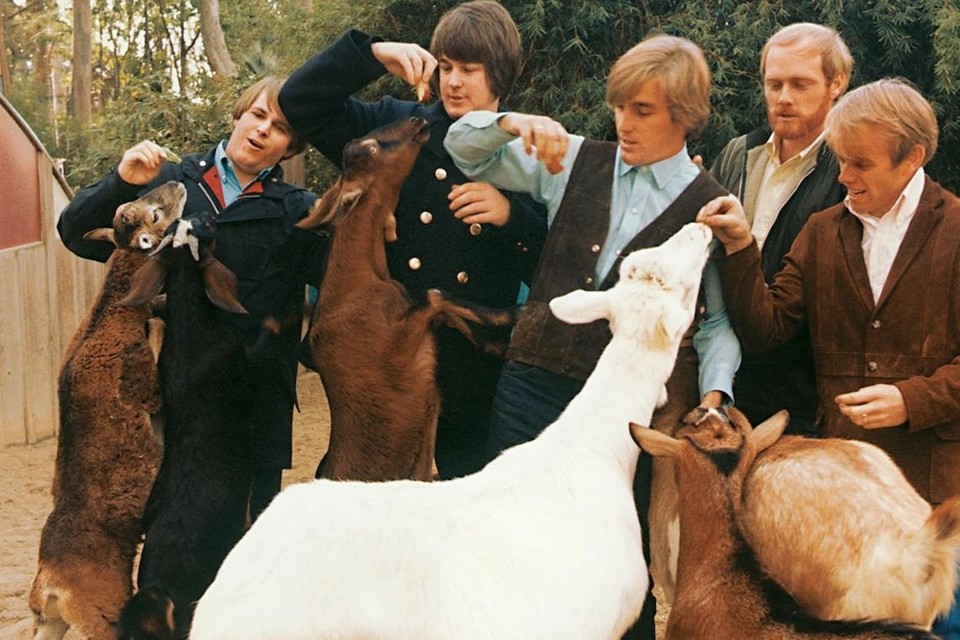
Behind the Sounds: YouTube Channel Documents the Creation of Brian Wilson’s Masterpiece, Song by Song

pet


Watch more:

https://www.youtube.com/user/BehindTheSounds

Is It Here to Stay? Rock’n’roll Considered

beatles

by Terry Teachout

via Commentary magazine

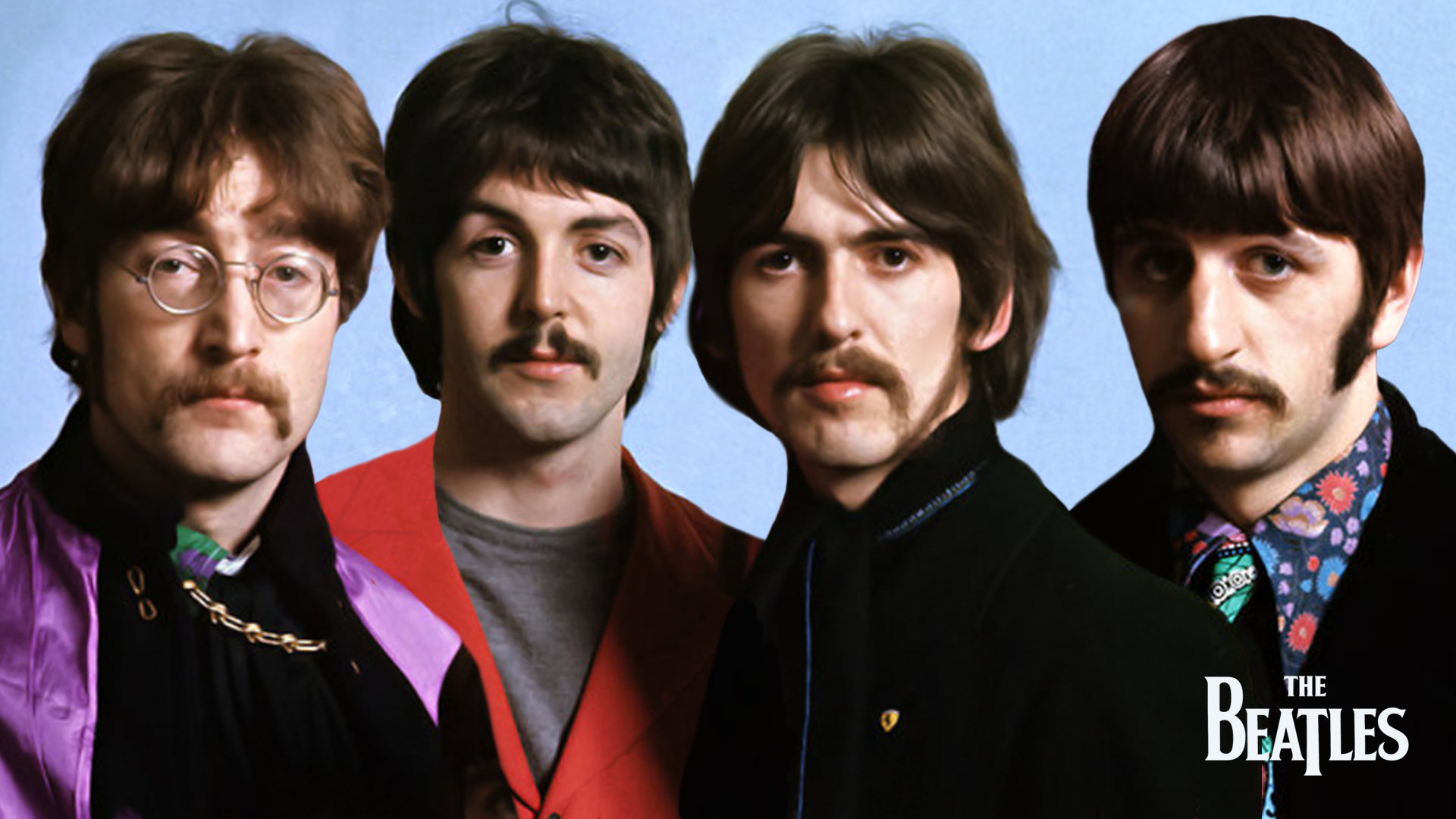
n May 9, 1964, Louis Armstrong’s recording of the title song from Hello, Dolly! became the best-selling single in America, leaping past the Beatles’ “Can’t Buy Me Love” and “Do You Want to Know a Secret?” to reach the top of Billboard’s pop chart. It would be the last jazz record, and the next-to-last show tune, to do so. When Armstrong’s “Hello, Dolly!” was replaced by Mary Wells’s “My Guy” a week later, an era—the one that has since come to be known as the “golden age” of American popular music—ended. Rock and roll, the preferred music of the baby boomers, thereafter supplanted golden-age popular song as the lingua franca of pop music in the U.S. and Europe.

Nothing stays popular forever, and by the ’90s, rock had in turn been supplanted by hip-hop as America’s top-selling pop-music genre. But the splintering of our common culture prevented hip-hop from developing into the new lingua franca. Instead, we now have many popular musics, none of which has anything remotely approaching the cultural dominance that was enjoyed by rock and roll for more than a quarter-century.

The surviving rock stars of the ’60s and ’70s are now in their own golden years, and their lives and work have become the subject of numerous biographies and journalistic histories. The latest, David Hepworth’s Never a Dull Moment: 1971, the Year that Rock Exploded, is a lively survey of the year that saw the release of such top-selling albums as Rod Stewart’s Every Picture Tells a Story, David Bowie’s Hunky Dory, Led Zeppelin IV, Harry Nilsson’s Nilsson Schmilsson, the Rolling Stones’ Sticky Fingers, Carole King’s Tapestry, and the Who’s Who’s Next.1 Hepworth, a veteran British rock journalist, contends that these albums constitute a “rock canon” that has proved to be of permanent artistic and cultural significance:

Many of the musicians who made those 1971 records are still playing today, in bigger venues than ever, in front of huge, multi-generational crowds made up of the children and even the grandchildren of their original fans . . . . These records are not just remarkably good and uniquely fresh; they have also enjoyed the benefit of being listened to more times than any recorded music in human history.

But…

Read more: https://www.commentarymagazine.com/articles/is-it-here-to-stay/

Thelonious Monk Creates a List of Tips for Playing a Gig: “Don’t Listen to Me, I Am Supposed to Be Accompanying You!”

monk

(via Open Culture)

We’re fascinated by lists. Other people’s lists. Even the ones left behind in shopping carts are interesting (Jarlsburg, Gruyere and Swiss? Must be making fondue.) But it’s the lists made by famous people that are the really good stuff.

It’s fun to peek into the private musings of people we admire. Johnny Cash’s “To Do” list sold for $6,400 at auction a couple of years ago and inspired the launch of Lists of Note, an affectionate repository of personal reminders, commandments and advice jotted by celebrities and other notables.

Most of the site’s best lists are in the “memo to self” category, some with tongue in cheek and others in earnest. But a few offer advice to others. Transcribed by soprano sax player Steve Lacy in a spiral-bound notebook, Thelonious Monk created a primer of do’s and don’ts for club musicians. For the greenhorns, Monk presented a syllabus for Band Etiquette 101 titled “1. Monk’s Advice (1960).” For the rest of us, it’s a view into one of the greatest, quirkiest minds of American music…

Read more: http://www.openculture.com/2012/09/thelonious_monk_scribbles_a_list_of_tips_for_playing_a_gig.html

The Heart of Rock and Roll: 30 definitive quotes from music legends ranging from Little Richard to Keith Richards

keith

(via Purple Clover)

Keith Richards

“Everyone talks about rock these days. The problem is, they forget about the roll.”

Elvis Presley

“Rock and roll music, if you like it, if you feel it, you can’t help but move to it. That’s what happens to me. I can’t help it.”

Bob Dylan

“When I first heard Elvis’ voice, I just knew that I wasn’t going to work for anybody, and nobody was going to be my boss. Hearing him was like busting out of jail.”

Read more: http://www.purpleclover.com/entertainment/5057-heart-rock-and-roll/

Previous Older Entries Next Newer Entries