Bruce’s Tribute to Bowie in Pittsburgh

On opening night of The River Tour 2016 in Pittsburgh, Bruce Springsteen pays tribute to the late David Bowie with an encore performance of “Rebel Rebel”.

Old Music is Outselling New Music for the First Time in History

old music

So much for the Adele effect. This past year, catalogue albums outsold the current ones by 4.3 million copies.

(via chart attack)

by Adam Pugsley

Despite the massive success of Adele’s album 25, which sold a whopping 7.4 million copies in only six weeks, 2015 marked the first time in U.S. history that new releases were outsold by catalogue albums. Seems like everyone’s been feeling extra nostalgic lately.

The term “catalogue” refers to albums released more than 18 months ago. According to Nielsen’s annual year end music report, catalogue albums outsold current releases by 4.3 million copies, something never before seen in the industry. Just 10 years ago, current music sales outpaced catalogue music by over 150 million albums. Keep in mind that these stats don’t include album streams, but regardless, it’s a significant turning point…

Read more: http://www.chartattack.com/news/2016/01/20/old-music-is-outselling-new-music-for-the-first-time-in-history/

Rock Legend Animal Dies Aged 66

animal-muppets-e1453300770566

(via Waterford Whispers News)

TRIBUTES have been flooding in from all across the world following the death of Animal, the legendary drummer with rock outfit Dr. Teeth and The Electric Mayhem.

Fans of the supergroup were shocked to learn of the passing of the iconic percussionist, who passed away at just 66 following a short illness. Remaining band members Dr. Teeth, Janice, Zoot and Floyd Pepper took to the group’s Facebook fan page to announce the sad news earlier today.

“We will never forget you, brother,” read the statement from the band.

Read more: http://waterfordwhispersnews.com/2016/01/20/rock-legend-animal-dies-aged-66/

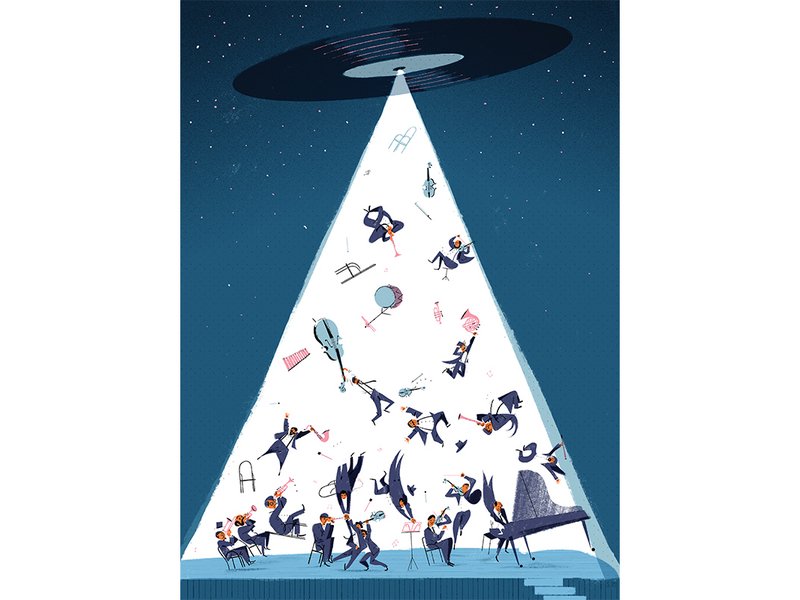
How the Phonograph Changed Music Forever

phono

via Smithsonian magazine

by Clive Thompson

These days music is increasingly free—in just about every sense of the word.

Right now, if you decided you wanted to hear, say, “Uptown Funk,” you could be listening to it in seconds. It’s up free on YouTube, streamable on Spotify or buyable for about two bucks on iTunes. The days of scavenging in record stores and slowly, expensively building a music library are over. It’s also become easier than ever to make music. Every Mac ships with a copy of GarageBand, software powerful enough to let anyone record an album.

Are these trends a good thing—for musicians, for us, for the world of audible art?

Now the arguments begin. Some cultural critics say our new world has liberated music, creating listeners with broader taste than ever before. Others worry that finding music is too frictionless, and that without having to scrimp and save to buy an album, we care less about music: No pain, no gain. “If you own all the music ever recorded in the entire history of the world,” asked the novelist Nick Hornby in a column for Billboard, “then who are you?”

Artists fight over digital music too. Many say it impoverishes them, as the relatively fat royalties of radio and CD give way to laughably tiny micropayments from streaming companies, where a band might get mere thousandths of a penny from their label when a fan streams its song. Other artists disagree, arguing that giving away your music for free online makes it easier to build a global fan base avid for actually giving you money.

A confusing time, to be sure. But it’s certainly no more confusing than the upheaval that greeted a much older music technology: the phonograph. Back in the 19th century, it caused fights and joy too—as it forever transformed the face of music.

Read more: http://www.smithsonianmag.com/arts-culture/phonograph-changed-music-forever-180957677/

How “The Sound of Silence” Became a Surprise Hit

simon

(via Smithsonian magazine)

by Geoffrey Himes

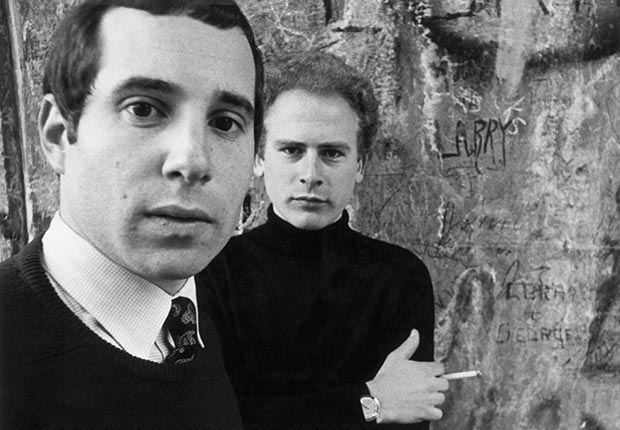
It’s been 50 years since Simon & Garfunkel’s “The Sound of Silence” topped Billboard magazine’s pop singles chart. But it’s been almost 52 years since the song was first recorded. What happened in that interval made all the difference.

If Columbia Records producer Tom Wilson hadn’t taken the initiative, without the singers’ knowledge, to dub a rock rhythm section over their folk rendition, the song never would have become a cultural touchstone—a generation’s shorthand for alienation—nor the duo a going concern, let alone an exemplar of early folk-rock music.

The two, friends from boyhood in New York City, had had a modest hit single (“Hey, Schoolgirl”) as Tom & Jerry in 1957. They parted, then reunited as Kane & Garr and played a few club dates. Garfunkel was studying at Columbia University in the winter of 1963-64 when Simon got in touch: “Paul only had about five songs at this time,” Garfunkel recalls, “but he called and said, ‘Artie, I just wrote my best song.’ He drove over from Queens and played it for me in the kitchen amongst the roaches.”

Debunking 6 Rock ‘n’ Roll Urban Legends

freddie

(via mental floss)

by Kara Kovalchik

Most great songs also have a great backstory—but the tragic or funny or drug-fueled origin stories surrounding these rock classics simply aren’t true.

1. “LOVE ROLLERCOASTER”

The Legend: Known as the “Ohio Slayers” rumor, the faint scream heard midway through the song “Love Rollercoaster” was the cover model from the Ohio Players’s Honey album being stabbed to death in the studio (or being burned by heated honey).

The Truth: That particular vocalization was keyboard player Billy Beck trying to hit a Minnie Riperton-style high note. The model in question, Ester Cordet, was a former Playmate of the Month who was provocatively drizzling honey into her mouth on the album cover. She is reportedly alive and well and has been married for many years to motivational guru Robert Ringer (whom she met at a party at the Playboy Mansion).

2. “IN THE AIR TONIGHT”

The Legend: The haunting 1981 hit was written by Phil Collins after he witnessed a man drowning. He was too far away to offer assistance, but he saw another man sitting idly by on the shore. The man could have easily reached the swimmer, but didn’t even try to help. Years later, after some clever detective work, Collins located the bystander and invited him to a concert, giving him a front row seat. He then had a spotlight shine on him when he performed this song to publicly humiliate him.

The Truth: Collins wrote “In the Air Tonight,” and many of the other songs on his first solo album, Face Value, while alternately depressed and angry over his disintegrating marriage. His first wife, Andrea, was reportedly fed up with his constant touring and had taken the couple’s two children and fled back to her native Canada, where she eventually filed for divorce.

Read more: http://mentalfloss.com/article/48654/debunking-6-rock-n-roll-urban-legends

Previous Older Entries Next Newer Entries