Gene Simmons “KISS” Makeup Tutorial

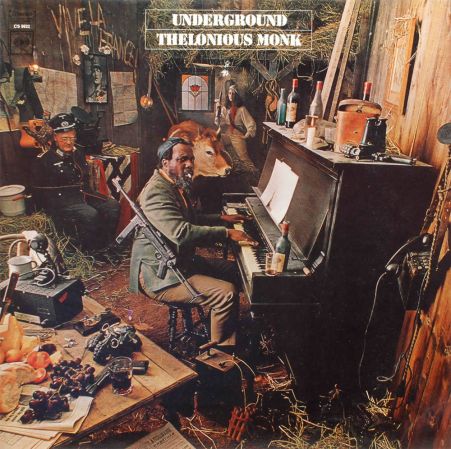
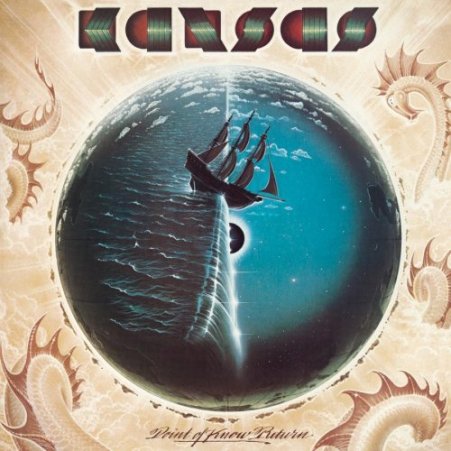
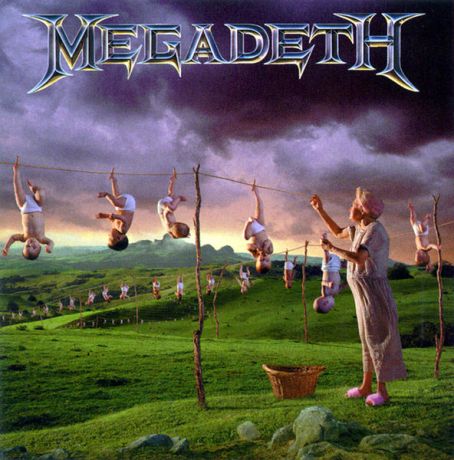
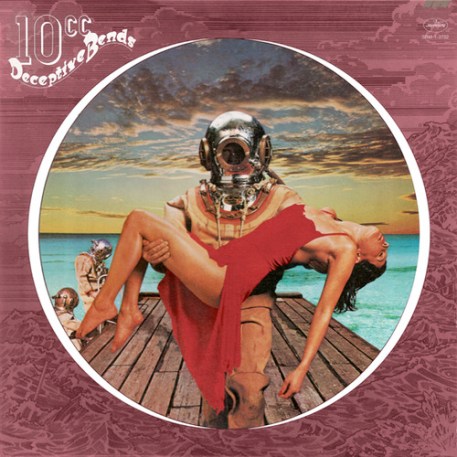
Lost Art of Album Covers

album 9 album 4

kansas

deth

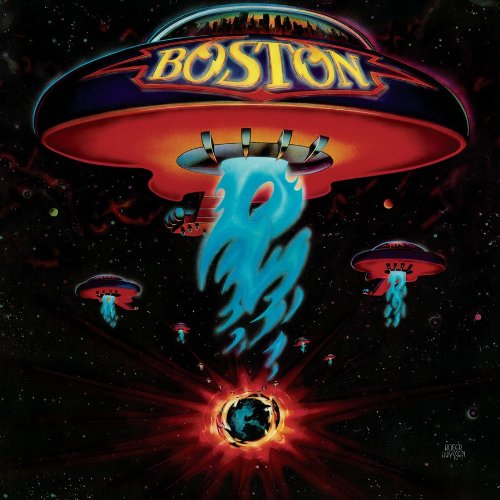
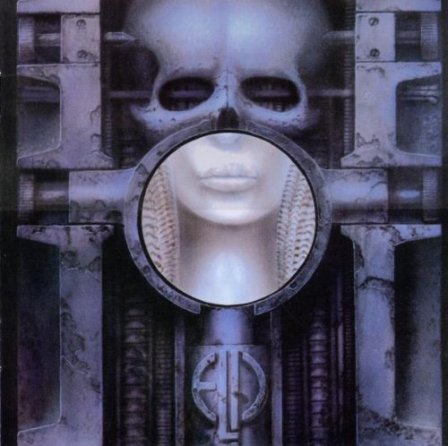
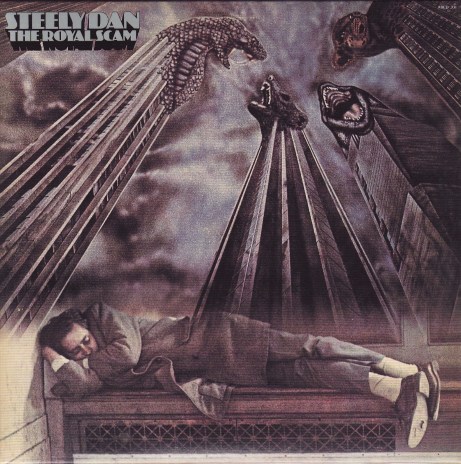
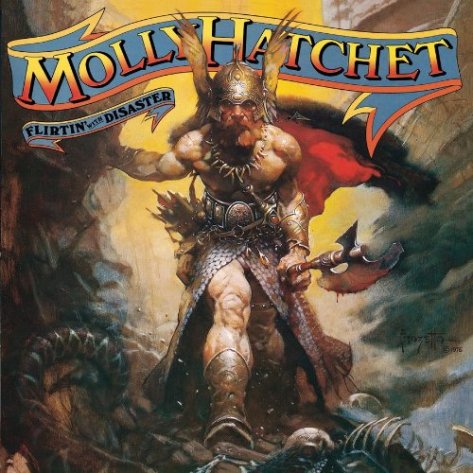
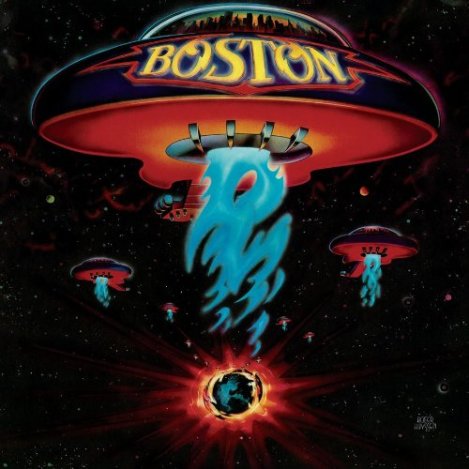
Having posted here the lamentable news that 2014 will go down as the first year with zero platinum-selling albums since the inception of platinum certification, I think it worth pointing out that as the album’s importance diminishes, something else is lost: the emphasis on great cover art.
6

scam

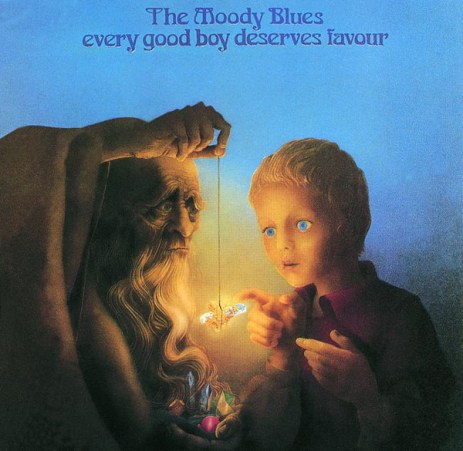
good boy

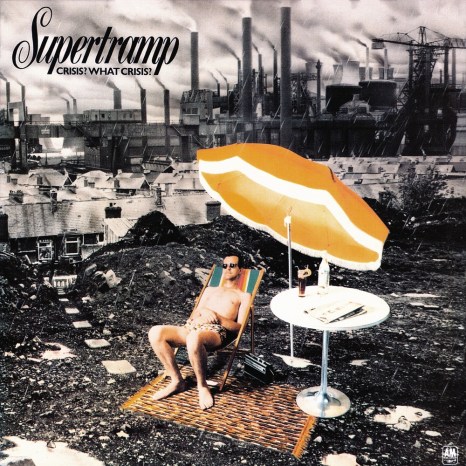
crisis

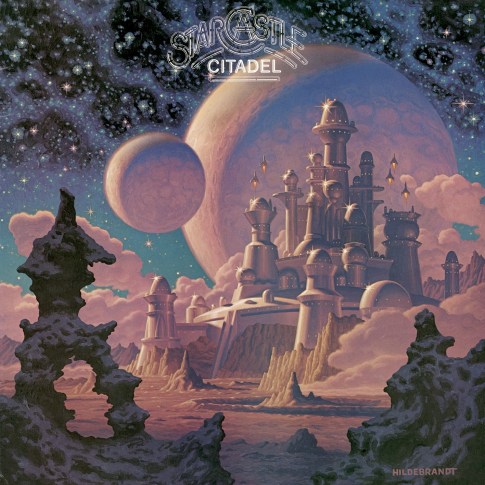
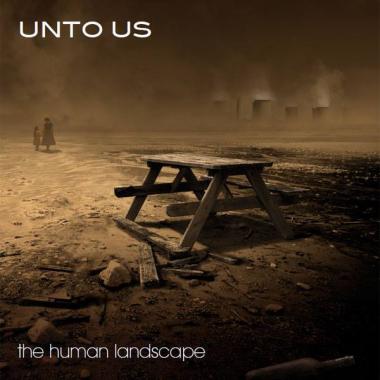
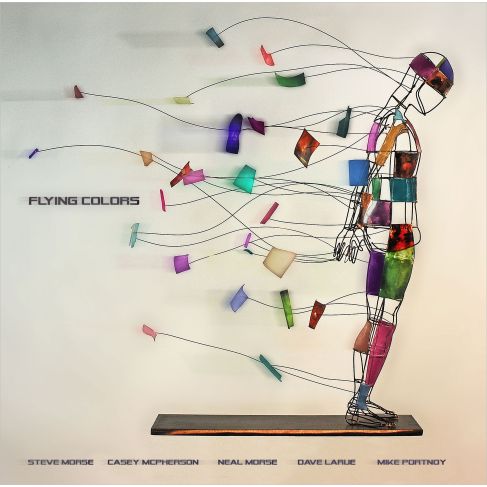
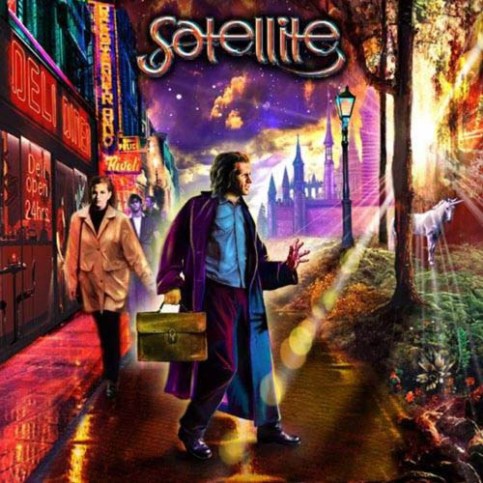
Since the era of the Beatles, when the LP first gained preeminence, iconic album art has played a major role. It grabbed your attention on the record store shelf. It summed up a record’s message, style or attitude. It could convey one more layer of meaning, beyond music and lyric. Great album covers became emblematic of the great works within.
hatchet

 album 8

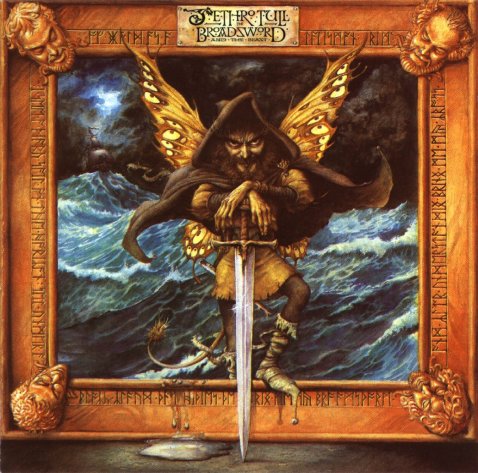
beast

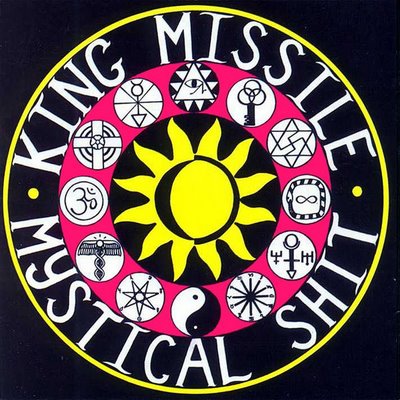
shit

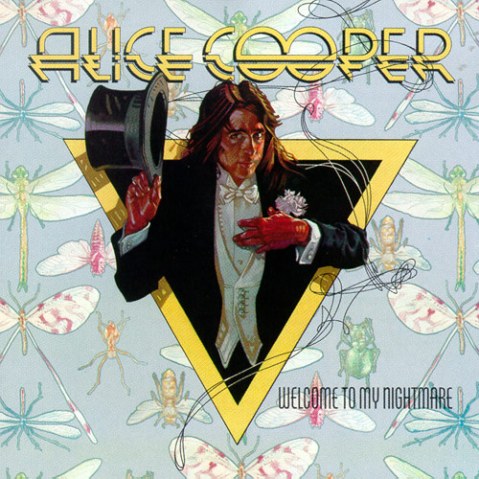
alice

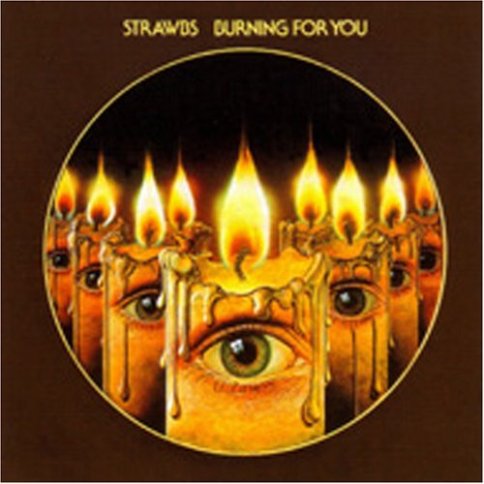
burning

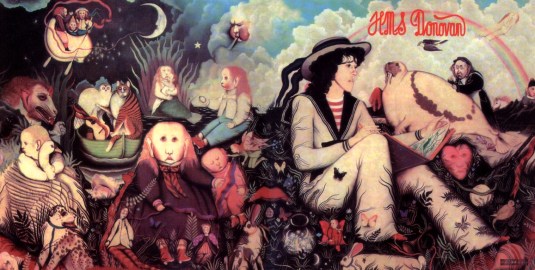
donovan

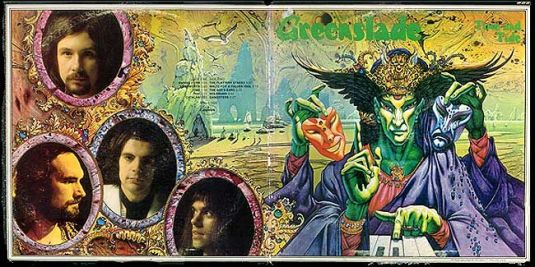
greenslade

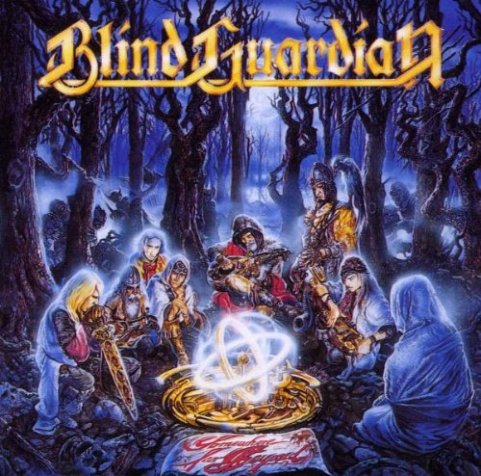
Album covers were routinely perused, often while the music played, as fans gazed at images of their heroes, or searched for additional clues as to the music’s meaning, or simply lost themselves in a fanciful alternate reality.
blind

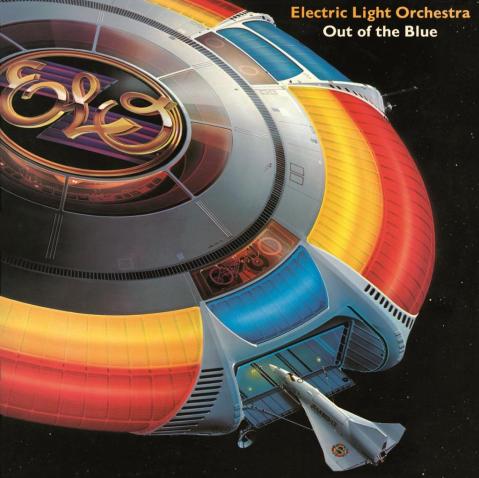
elo

 album 3

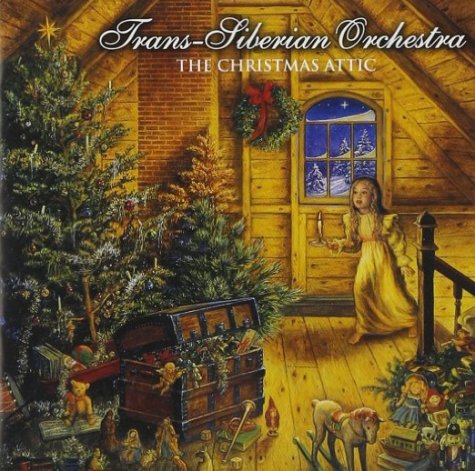
attic

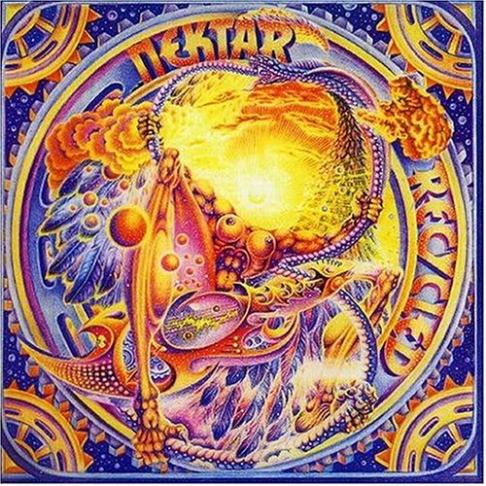
nektar

citadel

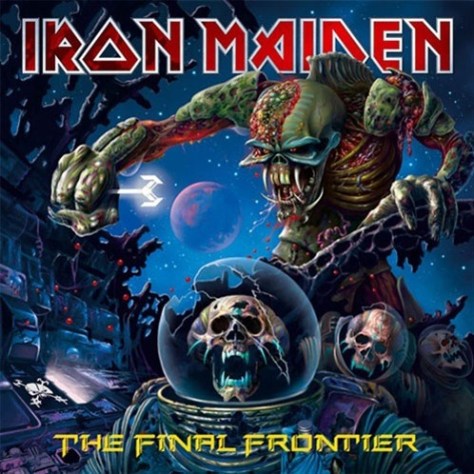
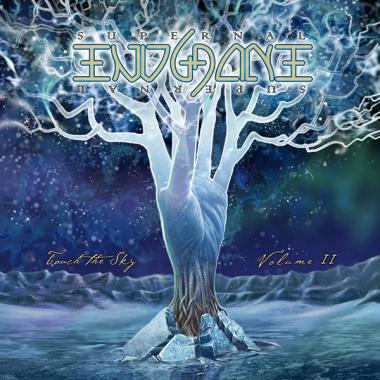
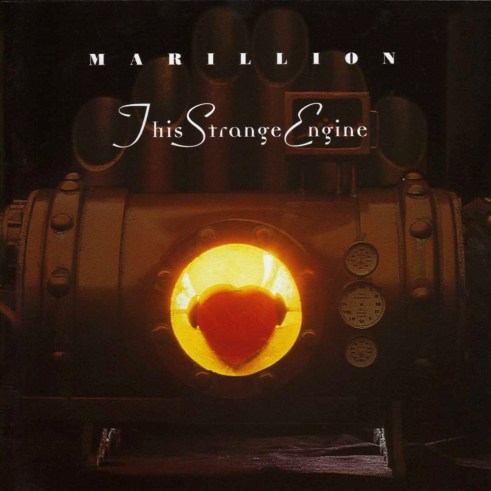
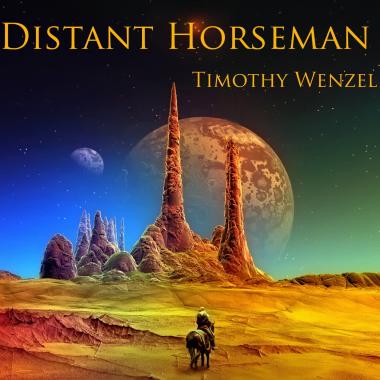
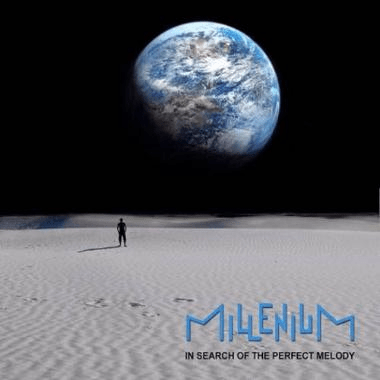
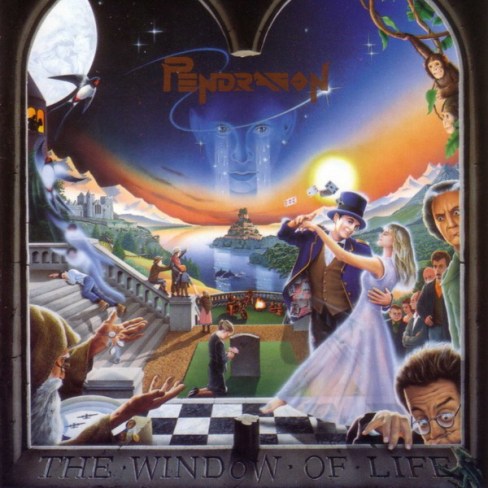
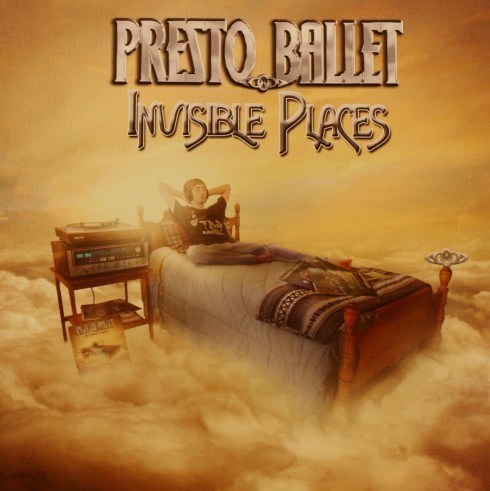
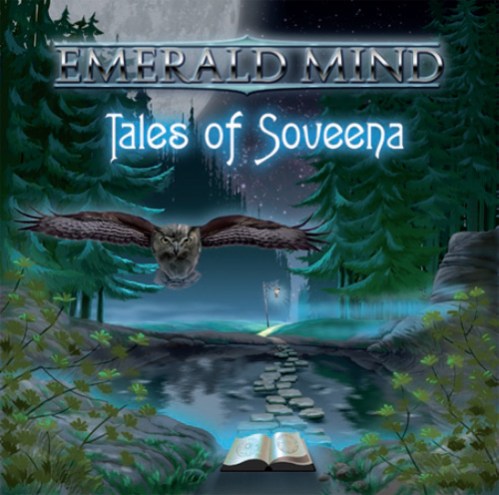
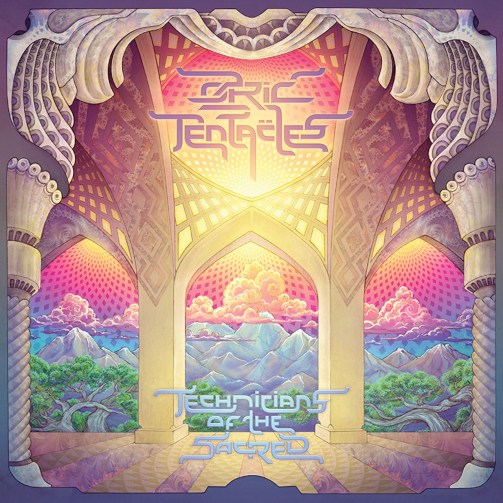
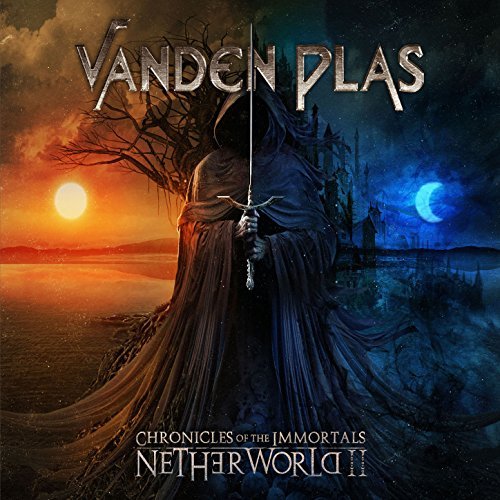
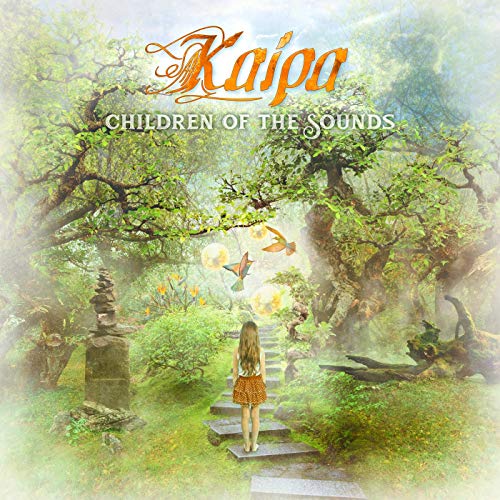
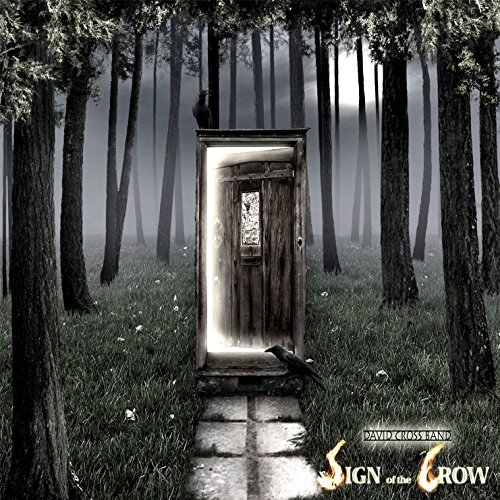
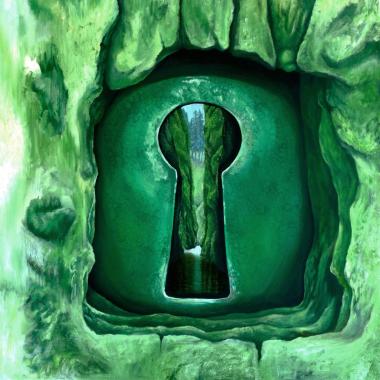
Here are a few contemporary examples of striking album artwork:
prog 1 prog 4

colors

prog 5 prog 2

engine

horseman

sodom

prog 3

window

 presto_ballet-invisible_places

emerald

ozric

plas

91N4M-I01rL._SS500_

crow

2014 is First Year Ever with ZERO Platinum-certified Records

platinum

(via deathandtaxes)

by Joel Freimark

While there were certainly a number of great albums you need to have from this year, 2014 will mark the first year since its inception in 1976 that no artist’s album will be certified as platinum from sales. The award is given by the RIAA to mark one million units sold, and with only a few weeks remaining in the year, no album is even remotely close to making the threshold.

The two records nearest the magic number are Beyonce’s self-titled album and Lorde’s “Pure Heroine,” but neither have even crossed the 800,000 mark, with sales of both having tapered off months ago. There is one caveat, and that is the fact that the soundtrack to the animated film Frozen has moved well over three million units; but it being a soundtrack and not a single-artist release places it into a slightly different category.

Read more: http://www.deathandtaxesmag.com/229695/2014-is-first-year-ever-with-zero-platinum-certified-records/

The Sonic Differences Between the Beatles’ Mono and Stereo Recordings

beatles

If you think the only difference between the mono and stereo recordings of the Beatles’ music is in the number of channels, these videos will be an ear-opener. Even if you’ve heard these songs hundreds of times (as many of us have) you may never have noticed that such marked differences exist between mono and stereo versions–differences in mixing, use of effects and even vocal performances.

Which do you consider to be the definitive versions?

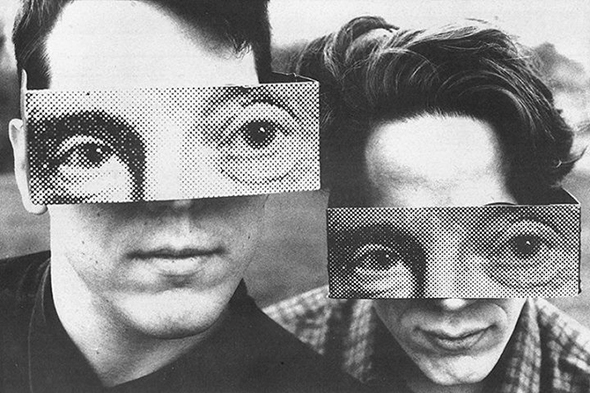
They Might Be Giants’ “Birdhouse in Your Soul” and the revolution it signified.

giants

(via Slate)

By and

This essay is adapted from They Might Be Giants’ Flood, published as part of the 33 1/3 series and out now from Bloomsbury.

They Might Be Giants’ 1990 song “Birdhouse in Your Soul” hardly sounds like a chart-topper—which makes sense, given that it only ever reached No. 3. (On the Modern Rock chart, thank you very much.) But what makes a bona fide classic, Billboard stats aside, is a song’s ability to communicate across decades, reconciling our past and present selves with one another. (In the case of “Birdhouse,” those selves are awkward teenage geeks trying to navigate their own identity—and thirtysomethings who live in a world rather more respectful of geekiness than our high schools were.) This is exactly what “Birdhouse in Your Soul” does, though in a way that the band’s John Linnell and John Flansburgh couldn’t have imagined when they wrote it 25 years ago.

Read more: http://www.slate.com/articles/arts/culturebox/2014/02/a_history_of_the_they_might_be_giants_song_birdhouse_in_your_soul.html

What’s Lost When the Cloud Replaces CDs

cloud

(via The New Yorker)

by Alex Ross

Recently, while moving my CD collection to new shelving, I struggled with feelings of obsolescence and futility. Why bother with space-devouring, planet-harming plastic objects when so much music can be had at the touch of a trackpad—on Spotify, Pandora, Beats Music, and other streaming services that rain sonic data from the virtual entity known as the Cloud? What is the point of having amassed, say, the complete symphonies of the Estonian composer Eduard Tubin (1905-82) when all eleven of them pop up on Spotify, albeit in random order? (When I searched for “Tubin” on the service, I was offered two movements of his Fourth Symphony, with the others appearing far down a list.) The tide has turned against the collector of recordings, not to mention the collector of books: what was once known as building a library is now considered hoarding. One is expected to banish all clutter and consume culture in a gleaming, empty room…

Read More: http://www.newyorker.com/magazine/2014/09/08/classical-cloud

Previous Older Entries Next Newer Entries