"There's a time in life for Hoagy Carmichael. There's a time in life for Claude Debussy. There's a time in life for Jerry Lee Lewis. There's a time in life for Destiny's Child. All these things have their moment." ~Elvis Costello
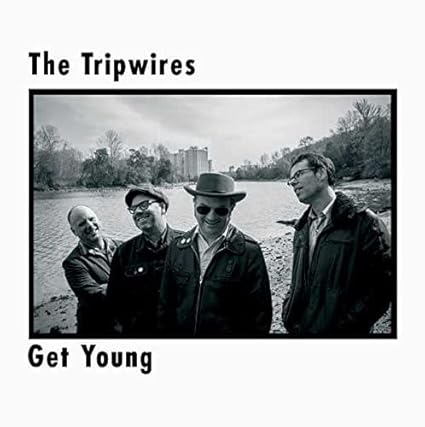
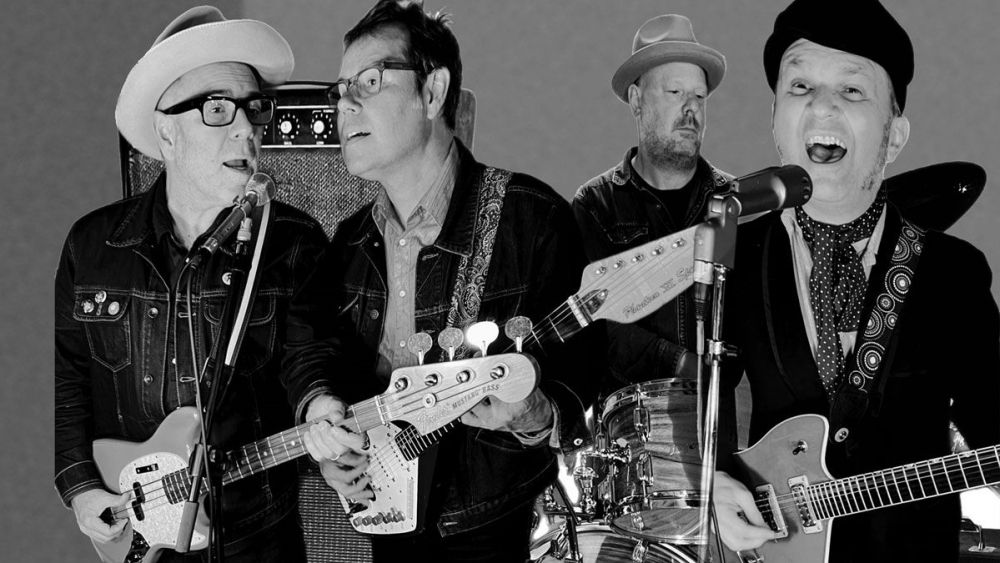
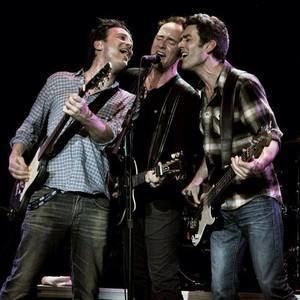
The Tripwires are survivors of the 1990’s Seattle rock explosion, but don’t expect anything approximate to grunge here.
Instead, it’s lean power pop with smart lyrics and swagger, twin guitars dueling from right and left channels, catchy original melodies, and lots of harmonies.
For folks who like guitars deployed in an ebullient two-and-a-half minute burst rather than a plodding, bluesy dirge, John Ramberg and company have you covered.
One-album wonders Rockpile might be the best comparison, but honestly the Tripwires might do it better–and certainly more prolifically.
Comprised of members of bands such as Screaming Trees, the Minus 5, and Young Fresh Fellows, the Tripwires are that true anomaly: a “super group” that’s actually better than the sum of its parts.
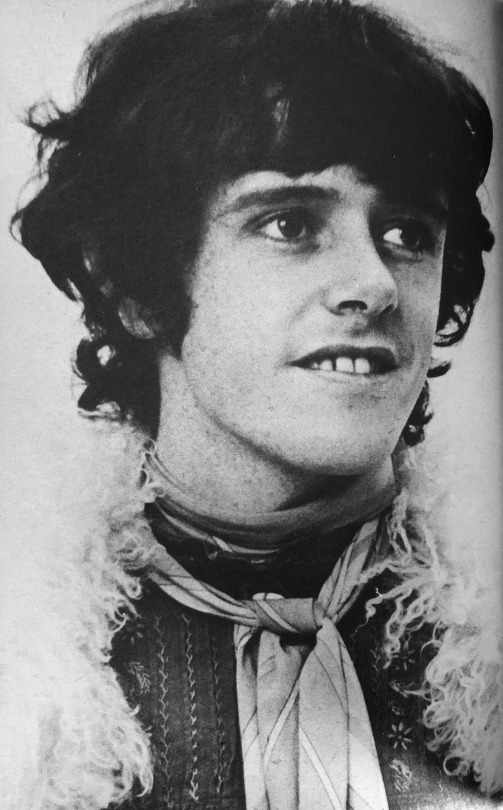
Donovan Leitch had a nice run on the US and UK pop charts in the 1960’s, but by 1973 his top 40 days were well behind him.
That’s not to say he didn’t continue to write good songs.
But other than the criminally overlooked 2 LP collection of nursery rhymes and bucolic children’s fare HMS Donovan in 1971, his early 70’s releases were uneven–at times lacking the pretty melodies and poetic lyrical sensibility he was known for, and at others slathering a bit too much musical makeup over a song’s simple beauty.
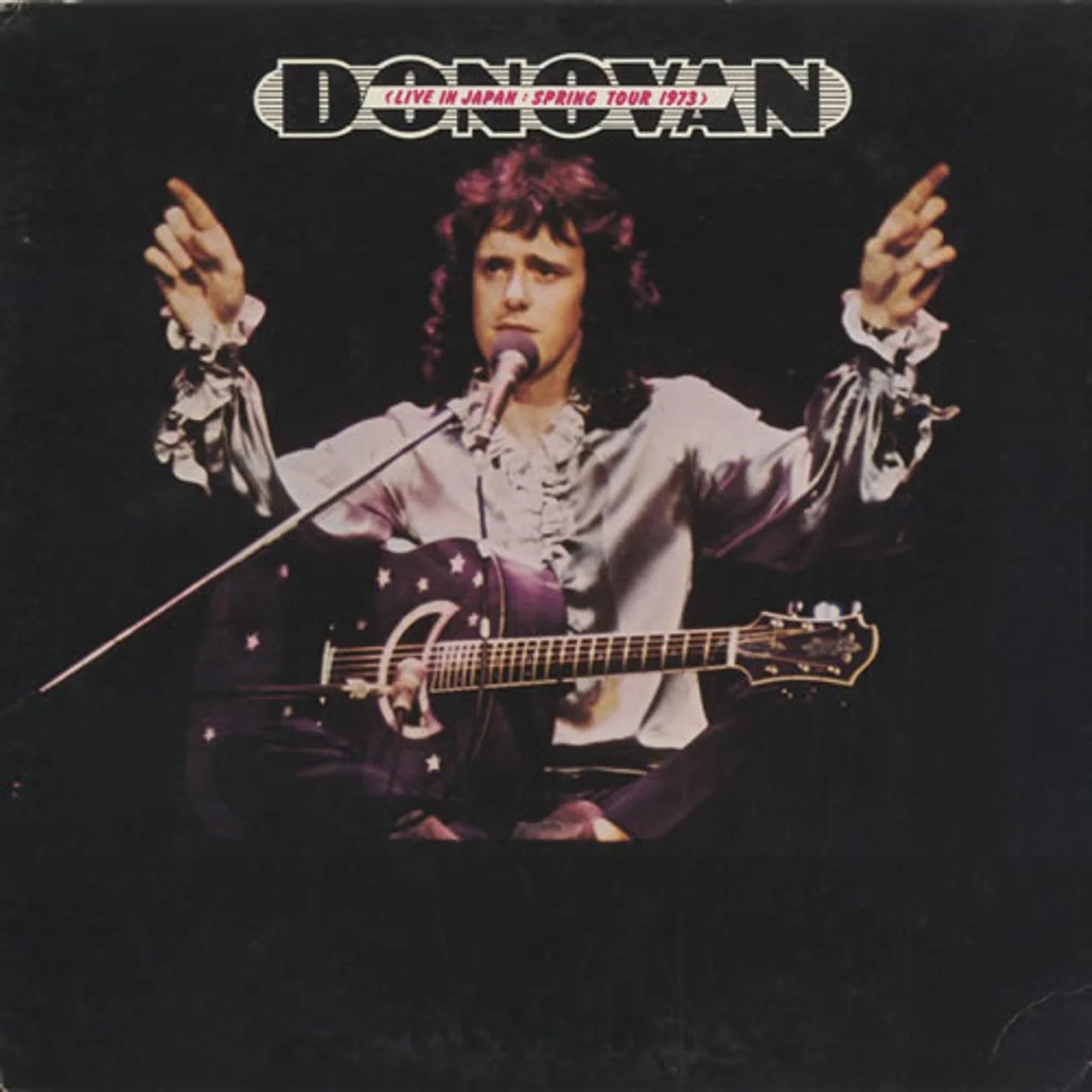
What makes Donovan Live in Japan: Spring Tour 1973 such a satisfying–if obscure–live album, is that it not only puts beautiful, lyrical folk pop songwriting in a spare, sympathetic setting, but it plucks the musical diamonds from the rough of the uneven albums of the period to assemble one essential musical statement.
It may be Donovan’s best album. And it’s certainly this writer’s favorite live album, by any artist.
Unfortunate then that Epic Records only released it to the Japanese market, where Donovan remained very popular at the time. Despite being a sought-after collector’s item as an import, Live in Japan never saw vinyl release in the US.
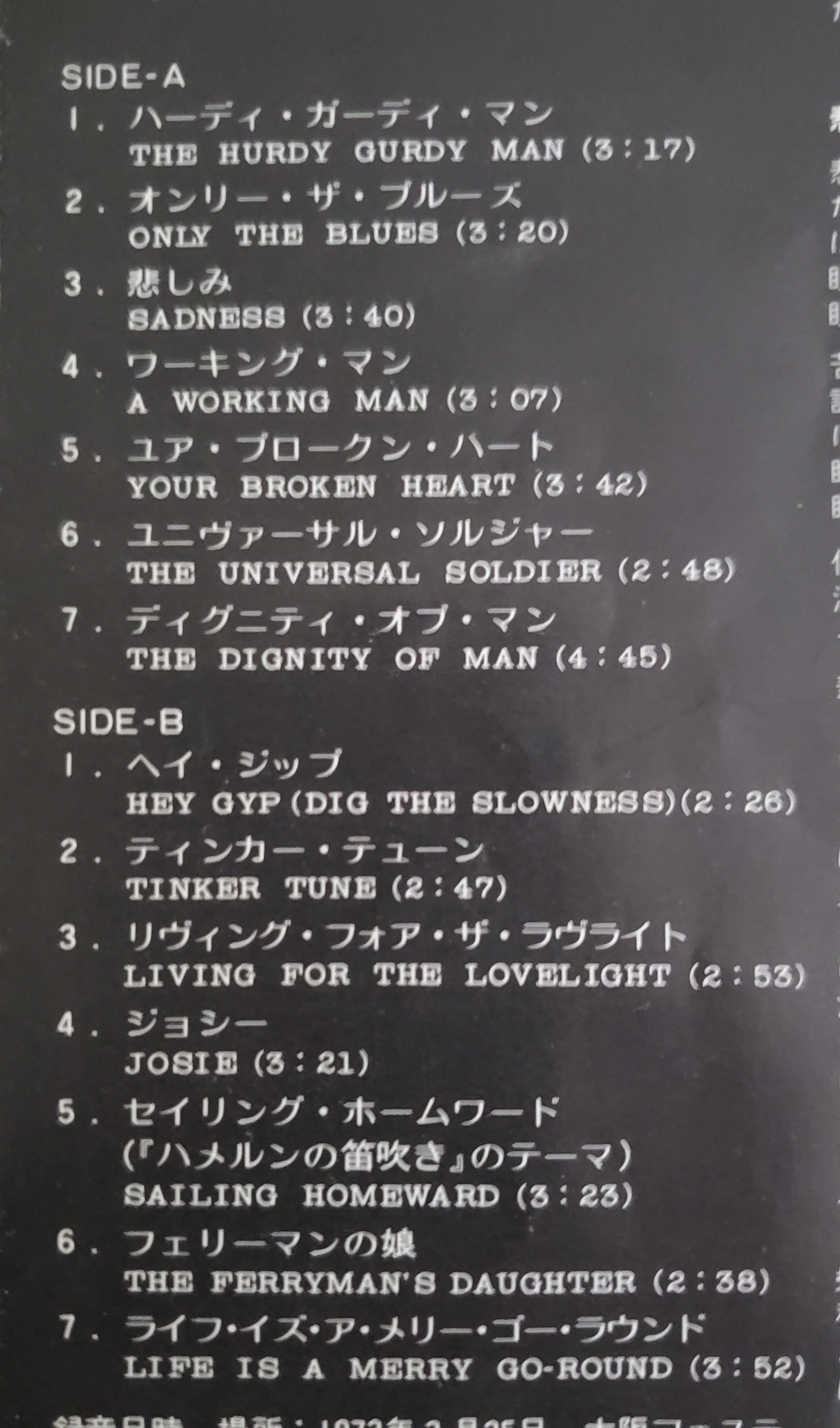
Recorded at Osaka Festival Hall and Koseinenkin Hall in Osaka on March 25th and 26th of 1973, Live in Japan‘s setlist included material from the Cosmic Wheels and Essence to Essence albums, both from 1973, and two songs that would appear on 1974’s 7-Tease.
And the stripped-down arrangements–Donovan is the only musician on the stage and in the album credits–peel away any overproduction in the studio versions, bringing the artist’s warm vocals, capable guitar accompaniment and fine writing to the fore.
One could easily consider these live renderings definitive, especially since most of the studio versions remained relatively obscure (Donovan’s sales by this time weren’t what they’d once been).
Of its 14 songs, only set opener “Hurdy Gurdy Man” had been a top 40 hit (listen for a third verse, not on the hit version, and written by George Harrison while with Donovan in India).
This wasn’t a Greatest Hits tour, and the performance is a better one for it. Rather, it’s a folk singer playing folk songs, moving from beautiful ballad to lively jig and back again, and mesmerizing an adoring crowd with his gift.
“Mellow Yellow” would only have broken the wonderful spell he casts here.
Note: With only an exception or two, extraneous chatter, song intros, guitar tuning, etc. has been edited out for your greater enjoyment.
As I’ve written elsewhere, it’s astonishing to discover one of one’s absolute favorite artists as a sexagenarian. Typically the bands and singers we love most are locked in by age 25 or so, since the peak years of our musical curiosity, concert attendance and general socialization usually wind down along with the years of our formal education.
For most, taste lock has set in by about age 40. Musical rigor mortis. After that, you like what you like. And you hate what you don’t like.
Some of us are wired differently, never losing the love of discovery, always looking for the next thing to love. But even so we seldom attach ourselves to newly discovered music like we do in our chemically unbalanced, emotionally unregulated youth. And so we seldom discover absolute favorite artists at an advanced age.
But apparently there are exceptions.
Had it not been for that one employee at Blockbuster Music on McKnight Road in Pittsburgh, a treasure trove of Latin pop music would likely have never reached my ears–and so perhaps yours as well.
I was a DJ trying to have a go at a weekly Latin dancing night at a local Mexican restaurant. It was an ill-fated, poorly attended endeavor that lasted exactly one night.
But my music prep was earnest. Uncompromising. And expensive. Trusting the one guy in the CD store who knew what he was talking about regarding Latin music was a great move in the very long run–even if it never bore fruit at Cozumel restaurant.
His recommendations led me to Juan Luis Guerra, Ruben Blades, Carlos Vives, Los Manolos and, somewhat belatedly, Julieta Venegas. Guerra became my favorite Latin artist for the next twenty years. Venegas was more like a time bomb with an extremely long timer. She got buried in a CD drawer for two decades.
It was at that point that I signed on as one of the drivers of the company van my employer used to transport seasonal Guatemalan and Mexican coworkers who were in the US on work visas–several of whom had become friends.
In an effort to make the ride–and in a small way their American experience–a little more accommodating, I’d dug through an extensive music collection, full as it was of failed experiments like Cozumel.
Remembering a cute, catchy tune that had caught my attention all those years earlier, I pulled out two Julieta Venegas CDs and did a little research as I gave them a fresh listen.
I had no idea.
As the music began to stick in a way it never had previously, I read about the gold albums, the 8 Latin Grammys, the proficiency on 17 instruments…and realized Julieta Venegas deserved a deeper dive.
So why did I start by saying “this is tough”?
No matter what words I use to describe her music they’ll fall short of conveying how damn good it is.
Her first two albums, Aqui in 1998 and 2000’s Bueninvento were more jagged and rock oriented, earning critical praise from rock critics. In fact, Rolling Stone named Bueninvento the third-best album in the history of Spanish rock.
But beginning with Si in 2003 and this its 2006 follow-up, Venegas, in collaboration with producers Coti Sorokin and Cachorro López, has been making some of the most well-crafted, enjoyable Latin pop you’ll ever hear.
If Si was a commercial breakthrough, Limon y Sal was Venegas truly hitting her confident stride. Song after song it’s nothing but addictive melodies, harmonies and big, bright choruses that you don’t even have to know Spanish to enjoy.
If you do understand the words, or spend a little time looking up the translations, you’ll find the songs hitting you on another level.
Lead single “Me Voy”, a #1 single in Mexico and Spain, is probably the biggest hit of her career. And its sentiment–“you didn’t get me, so I’m leaving”–the simplest. But it does make a great singalong, especially at a Venegas concert.
The album’s second single “Limon y Sal” is about acceptance of a lover’s shortcomings and faults, but the message is couched in an exuberant, uplifting chorus that made the song a smash (#2 in Spain and Mexico):
I love you with lemon and salt I love you as you are There’s no need to change anything
“Dulce Compañia” too breaks out in a wonderfully ebullient singalong chorus:
You’re sweet company, and my soul thirsts I feel resurrected when you see me
Perhaps the most sympathetic performance of the beautiful “Mirame Bien” (“Look at me well”) was rendered for Venegas’ MTV Unplugged concert:
And single number three, the defiantly resolute “Eres Para Mi” (“You are for me”) matches a confident groove with self-assured lyric sentiment:
And I know that you are afraid and it is not a good time for you And for this that has been happening to us
But you’re for me The wind has told me
You’re for me I hear it all the time
Yes, the eight songs I include here are a lot. Truthfully, I cut a few others that I love. This album overflows with good songs, diverse arrangements and lyrics that explore all Julieta Venegas’ appointments with love, loneliness and self-discovery.
Oh, and we had some great sing-alongs in that van.
Never has an album more directly and more perfectly issued its mission statement from the outset.
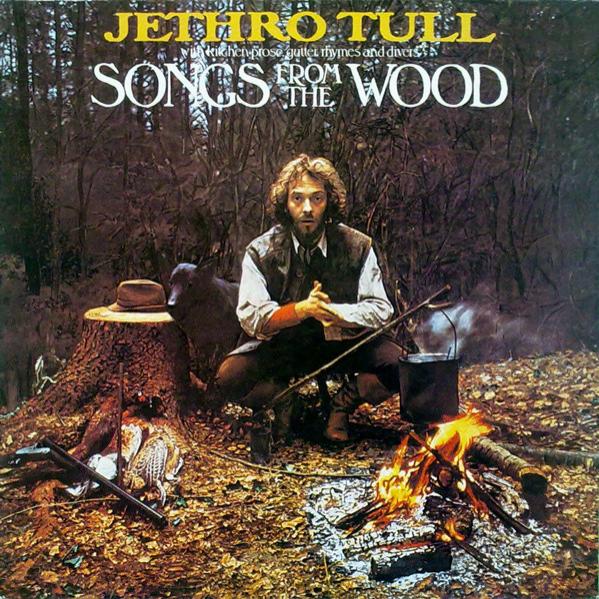
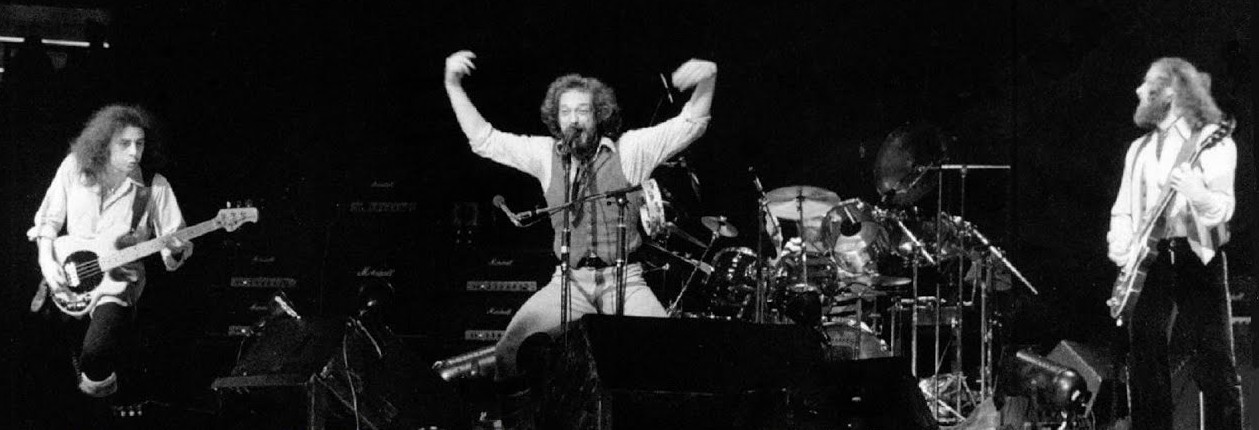
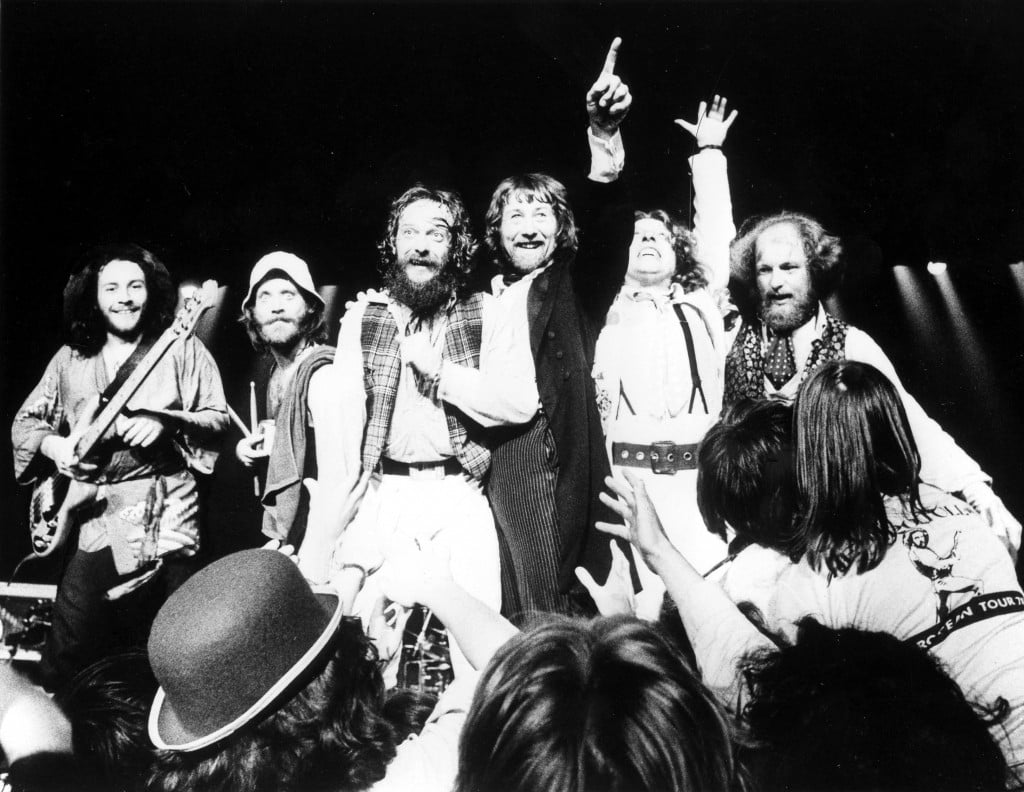
Like the sound of an old English street herald, Ian Anderson’s a cappella voice opens Jethro Tull’s Songs from the Wood with a friendly hail:
Let me bring you songs from the wood To make you feel much better than you could know…
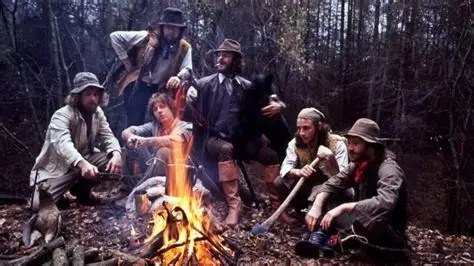
And indeed what follows is a genre-birthing masterpiece blending British folk and progressive rock into something that could be fairly termed Elizabethan Rock–surely making fans of both folk and prog feel better than they could know.
Even many serious Tull fans feel that by 1976 and Too Old to Rock and Roll, Too Young to Die, things had grown a bit stale. Actually, taken as a batch of songs, and featuring as it did the guitar work of Martin Barre, it was a rather nice record.
But as a conceptual work about an aging rock star, coming at the height of the punk movement, Too Old… may have put Anderson and the band on the wrong side of Cool Street.
Having met, and produced albums by, English folk rock musicians, and having himself recently moved to the countryside, Anderson was inspired to take Tull in a fresh direction.
And as it turns out, the solution to Tull’s music beginning to sound old may have been to make it sound really old. Like, centuries old.
Let me bring you all things refined galliards and lute songs served in chilling ale…
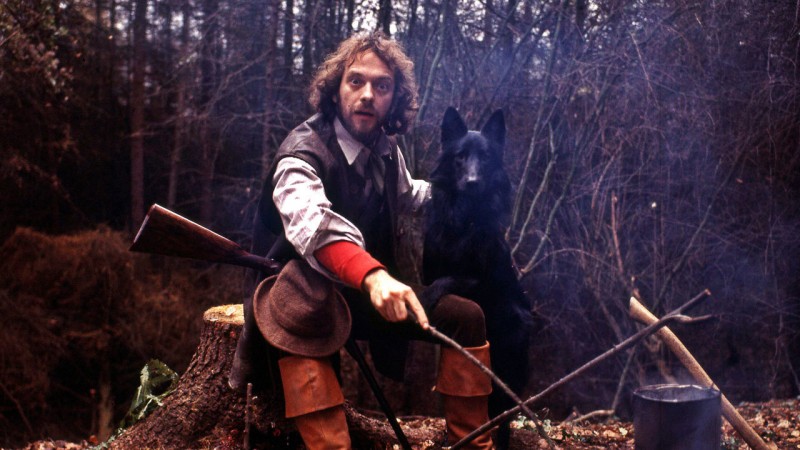
No one has electrified British folk more credibly with original compositions than Jethro Tull did on Songs from the Wood. It’s unique even within the band’s catalogue. What Fairport Convention and Steeleye Span did in plugging ancient songs into rock band arrangements was amazing. But the songs here aren’t based on centuries-old verse or inspired by particular traditional folk songs. This is all from Ian Anderson’s imagination–like J.R,R, Tolkien creating his own mythology as a setting for his characters. The fact that Anderson isn’t borrowing or reworking old traditionals–combined with the quality of the songwriting–makes this all the more astonishing.
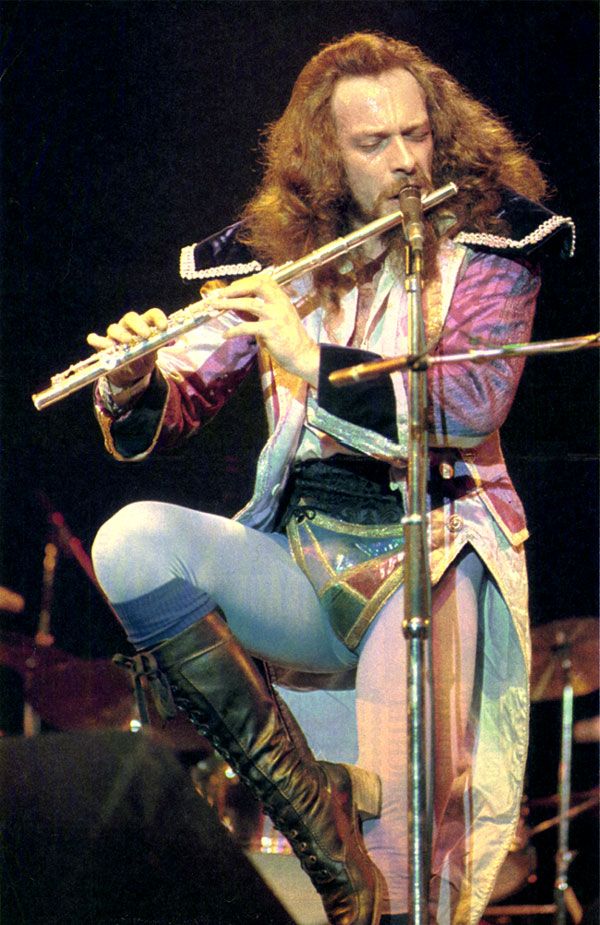
McCartney could write timeless melodies. Brian Wilson could write heavenly harmonies. Cohen and Dylan could write inspired lyrics. But perhaps no other songwriter but Ian Anderson could have given us Songs from the Wood, with its highly literate lyrical sensibilities, evocative settings, its tinge of escapism, and its fantastically complex arrangements, performed by one of the best band lineups ever assembled.
It’s a wonderful blend of the gentle acoustic and the hard rock, along with some lovely singing and harmonizing. At turns mirthful and morose, regal and bawdy, natural and supernatural. Elsewhere we’ve opined on how Prince was comparatively minor league compared to Anderson in terms of dirty-minded double entendre. “Hunting Girl” takes low-minded lust into highbrow territory and is a showcase for guitarist Barre.
A singer of these ageless times. With kitchen prose and gutter rhymes…
Full disclosure: for decades now I’ve considered this my favorite album by any artist in any genre, and I’ve listened to it literally hundreds of times. And yet I still will hear detail in the arrangements for the first time. How many bands in the current era make rock music so complex, with so many overlapping layers, that you’ll come across musical Easter eggs decades and hundreds of listens later?
One caveat: Like most progressive rock, Songs from the Wood has an appeal that takes multiple listens to be assimilated. I didn’t love it at first. Let it repeat, marinate and sink in.
This is an album that richly rewards repeated listening.
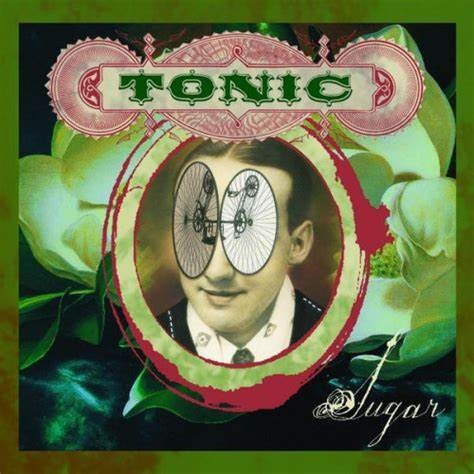
If there was a hidden message in going from bitter to sweet references in the titles of Tonic’s first two albums (their 1996 debut being Lemon Parade) it’s lost on me.
But there’s no denying the honeyed glaze coating the riffs and melodies on their second LP.
Discovering the band’s music post-2010 was probably key to my own appreciation of them. Among the Matchbox Twenty/Third Eye Blind/Toad the Wet Sprocket/Collective Soul thicket of 90’s modern rock, their music had a “heard it before” quality in the minds of some critics.
But to my ears at least, the years have been kind, and Tonic’s earnest lyrics and sturdy–if not groundbreaking–songwriting make for an enjoyable listen in an era when guitar rock isn’t exactly flourishing.
“You Wanted More” graced the American Pie soundtrack and so may be familiar. The song is inspired by the difficulties in striking a balance between life in a touring band and maintaining a relationship.
“Sugar” is breezily romantic; or, if you’re inclined to be critical, a little moist and saccharine. Depends on your taste, really.
“Waiting for the Light to Change” is wistful and evocative, and its title refrain is a metaphor that’ll stop you in your tracks–in a manner of speaking.
“Sunflower” is built on the kind of lively, stomping riff that has me hoping to take advantage of one of the rare opportunities to see these guys live.
Tonic received Grammy nominations and plenty of alternative rock airplay. And yet it seemed they could have been bigger. Perhaps the fact that they weren’t terribly prolific–just four albums released between 1996 and 2010–held them back. Or maybe they were just victims of a glut of guitar rock at the time.
At any rate, some bands and artists deserve to be reevaluated or reappraised outside their original context. I think Tonic is such a band.
Removed from the “Modern Rock” era, it’s just good music.
So much distinctive pop, rock and folk music has originated on that little island across the pond. Where would we be without the Brits and their flair for the idiosyncratic musical niche?
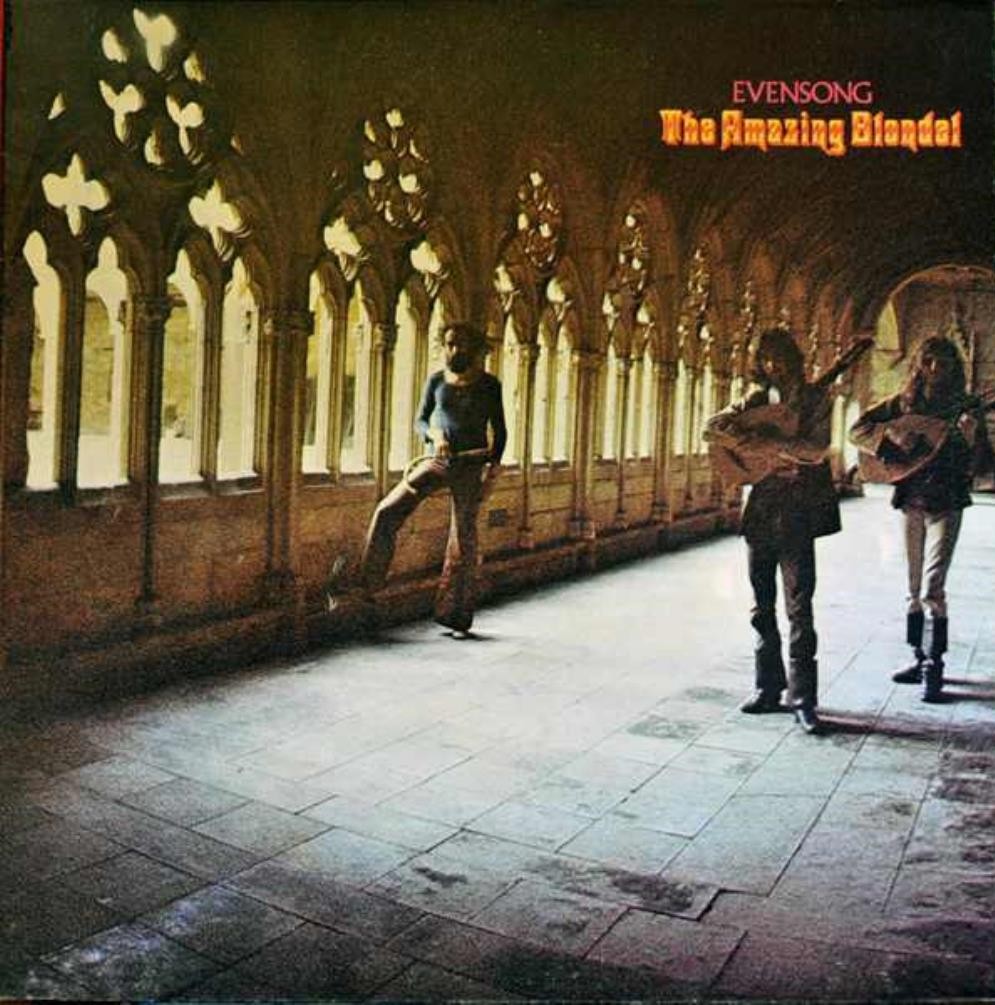
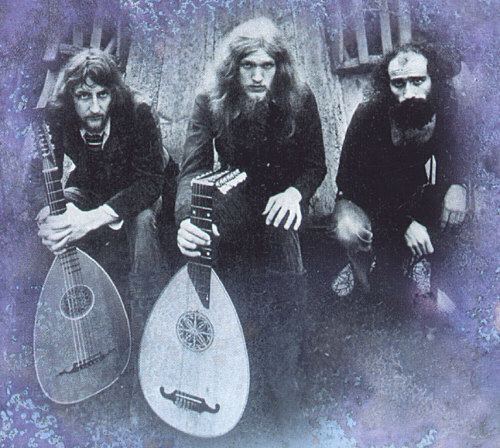
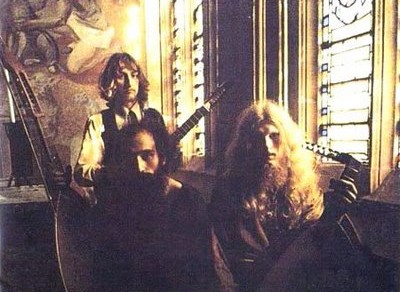
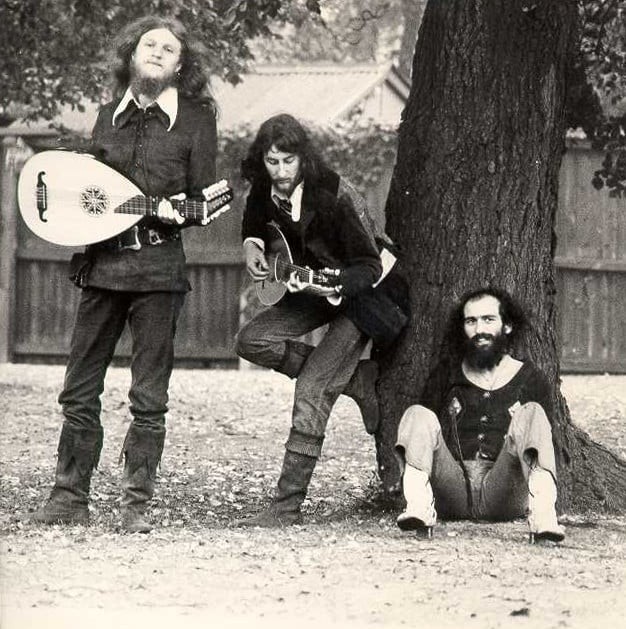
John Gladwin, Terence Wincott and Edward Baird performed what they themselves called “pseudo-Elizabethan/Classical acoustic music sung with British accents”.
And they weren’t jesting.
To wit: they dressed as bards and played medieval-style ballads and madrigals on recorder, harpsichord, cittern, crumhorn, harmonium, and a type of lute called a theorboe.
There being a dearth of acoustic Elizabethan-style bands to tour with, they opened shows for rockers like Procol Harum, Genesis, Steeleye Span and Free. So as you listen the accompanying anachronistic revelries, try to imagine a concert wherein their music was followed by “All Right Now” for example.
Apparently despite the contrast in styles their sound presented as compared with such rock acts, Blondel were well-received by audiences who hadn’t come specifically to see them, their stage banter and bawdy humor winning over audiences and making new fans.
The trio were known to take upwards of 40 instruments onstage–which could require about 5 hours’ worth of tuning beforehand.
Eventually there arose conflict between the band’s desire for studio and writing time and their manager’s insistence on a demanding touring schedule. This led to primary songwriter Gladwin leaving the band in 1973.
Amazing Blondel carried on subsequently as a duo, shortening their name to Blondel, and producing a brand of folk pop that leaned decidedly less medieval and more towards a mainstream sound.
But while Gladwin was the dominant writing voice, the band produced a fairly unique brand of archaic British folk, which sounds even more distinctive half a century removed from the English folk revival that spawned it.
These songs are simple, not challenging. They’re gentle, not bombastic. They’re humble, not ambitious.
Amazing Blondel’s songs don’t rock. They charm and enchant. If rock music wants to knock you down and carry you off, Blondel would rather court you with a medieval suitor’s chivalry.