Did You Ever Realize…

Remembering Brownsville Station

I tuned in to a 2012 Brownsville Station music video fully expecting to watch a washed-up 70’s band in full PCA (pathetic comeback attempt) mode because sometimes I like to make myself sad.

It’s a common sight to see graying, bloated stillwannabes reliving their momentary glories decades later with one or two original members of the old lineup. I didn’t know there was still a Brownsville Station. But I knew their lead vocalist, Cub Koda, whose Vinyl Junkie column I used to read in Goldmine and DISCoveries magazines, was no longer with us.

cubKoda, who passed away suddenly at 51 in 2000, was a front man you had to hear to appreciate. I say that because in terms of rock star looks he made Donnie Iris look like Diamond Dave. But his exuberant onstage banter was an influence on Alice Cooper and J. Geils’ Peter Wolf. And when he started playing and it sounded like Grand Funk Railroad: a pure burst of sleazy rock adrenaline, with all the primal vitality of Chuck Berry/Bo Diddley-era rock and roll.

Happily (and surprisingly) after a Station break of 32 years or so, the band’s energy still seems intact, although there’s no replacing Cub Koda.

“Rock & Roll is Better Than Music” may sound like a credible sing-along anthem to you, or just a pitiful name-dropping exercise in the mode of the Righteous Brothers’ “Rock and Roll Heaven“.

But it is impressive how many rock references they seamlessly squoze into the narrative (did you catch “Stairway to Heaven”?)

And Mike Lutz, who sings the leads in the 2012 edition of the band did in fact share lead vocals with Koda in the band’s heyday. Also that’s original drum-thumper Henry “H-Bomb” Weck still pounding away in the back.

Let’s look back at the original 3-piece in their youth: their only top twenty hit (#3 in 1974) “Smokin’ in the Boys’ Room” (also a hit for Motley Crue a decade later) and #31 hit “Kings of the Party” from the same year.

Songs You May Have Missed #599

marillion

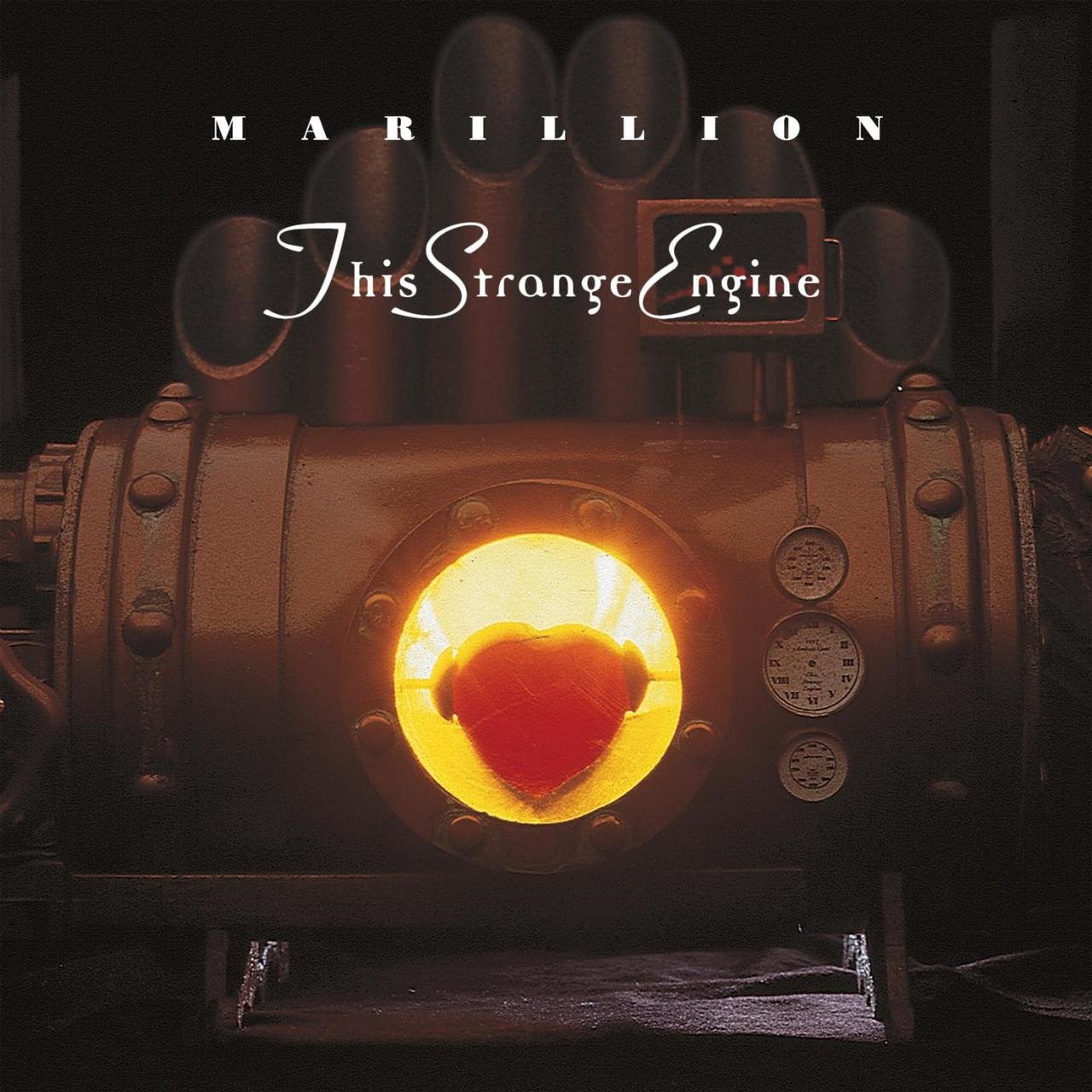
Marillion: “80 Days” (1997)

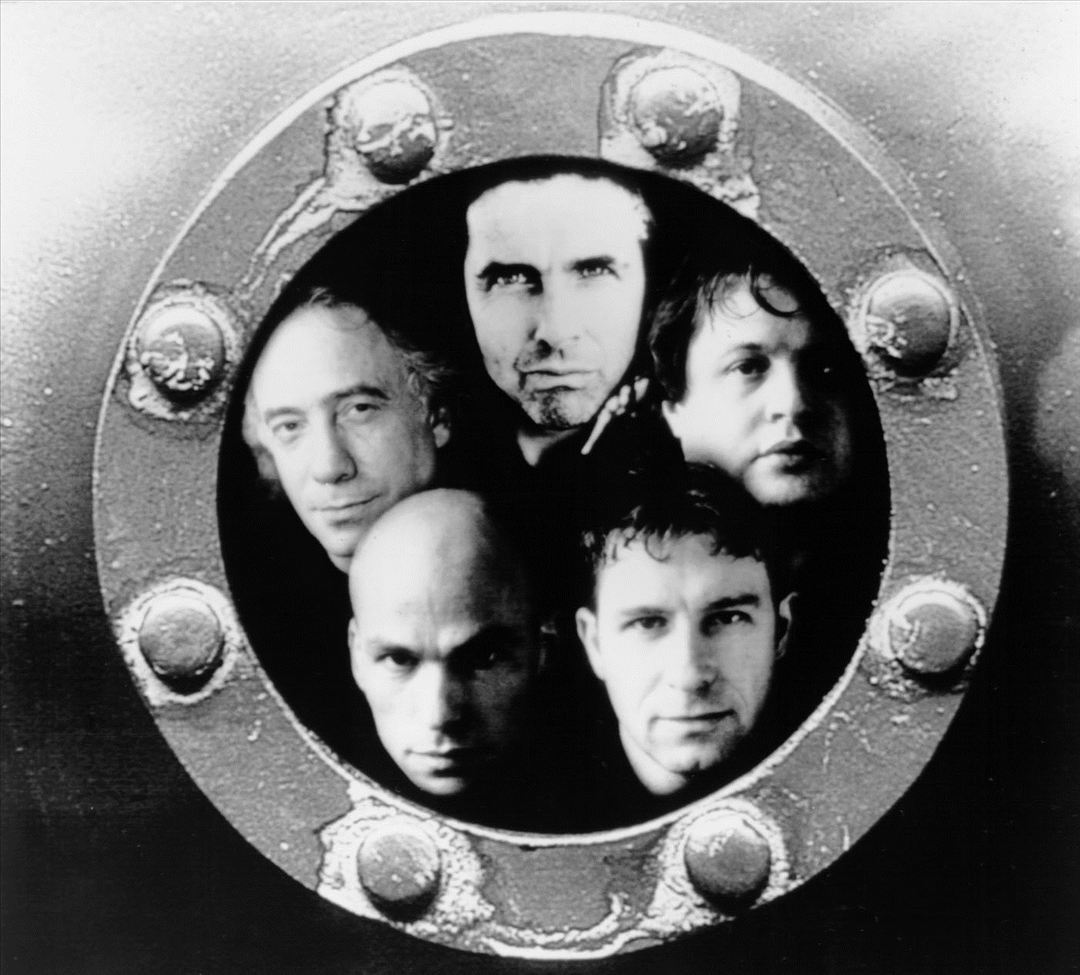
In the mid 1980’s British progressive rockers Marillion–then led by lead singer Fish–enjoyed their commercial (and perhaps artistic) peak, as well as their sole hit single, “Kayleigh”.

marillion

Make II Marillion, fronted by Steve Hogarth, remains one of contemporary prog’s most well-regarded bands, although 1997’s This Strange Engine is a bit of a polarizing album among fans and critics. Some find it to be a little too commercial, too far leaning toward Journey territory (there are no greater music snobs than prog rock fans).

But the beautifully-recorded and mellifluous sounds of songs like “80 Days”, which describes the desire to retreat from the grind of the road and “get real”, are agreeable to me indeed, and probably make the better calling card for the uninitiated.

Songs You May Have Missed #598

roches

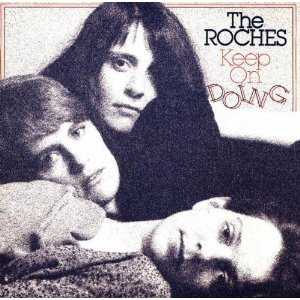
The Roches: “On the Road to Fairfax County” (1982)

The second song we’ve featured from the Roches’ third LP, Keep On Doing. This one was written by David Massengill in the tradition of centuries-old English murder ballads, such as the one covered by Kirsty MacColl here.

See also: https://edcyphers.com/2013/01/08/songs-you-may-have-missed-282/

The Resurgent Appeal of Stevie Nicks

nicks

By Amanda Petrusich

(via The New Yorker)

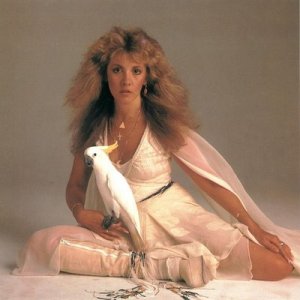
The cover of “Bella Donna,” Stevie Nicks’s first solo album, shows the artist looking slender and wide-eyed, wearing a white gown, a gold bracelet, and a pair of ruched, knee-high platform boots. One arm is bent at an improbable angle; a sizable cockatoo sits on her hand. Behind her, next to a small crystal ball, is a tambourine threaded with three long-stemmed white roses. Nicks did not invent this storefront-psychic aesthetic—it is indebted, in varying degrees, to Hans Christian Andersen’s Thumbelina, de Troyes’s Guinevere, and Cher—but, beginning in the mid-nineteen-seventies, she came to embody it. The image was girlish and delicate, yet inscrutable, as if Nicks were suggesting that the world might not know everything she’s capable of.

nicks-2

This intimation is newly germane: a vague but feminine mysticism is in. Lorde, Azealia Banks, FKA Twigs, CHVRCHES, Grimes, and Beyoncé have all incorporated bits of pagan-influenced iconography into their music videos and performances. Young women are now embracing benign occult representations, reclaiming the rites and ceremonies that women were once chastised (or worse) for performing. On runways, on the streets, and in thriving Etsy shops, you can find an assortment of cloaks, crescent-moon pendants, flared chiffon skirts, and the occasional jewelled headdress.

While Nicks’s sartorial choices have been widely mimicked, it’s rare to hear echoes of her magnanimity in modern pop songs, which are frequently defensive and embattled, preaching self-sufficiency at any cost. It’s difficult to imagine Nicks singing a lyric like “Middle fingers up, put them hands high / Wave it in his face, tell him, boy, bye,” as Beyoncé does in “Sorry,” a song from her newest album, “Lemonade.” Nicks’s default response to betrayal is more introspective than aggressive. Her music has long been considered a balm for certain stubborn strains of heartache; her songs are unsparing regarding the brutality of loss, yet they are buoyed by a kind of subtle optimism. It’s as if, by the time Nicks got around to singing about something, she already knew that she would survive it…

Read more: http://www.newyorker.com/magazine/2016/11/28/the-resurgent-appeal-of-stevie-nicks?mbid=social_facebook
Video of the Week: Emmylou Harris Moved to Tears by First Aid Kit Singing “Emmylou”

See also: Songs You May Have Missed #358 | Every Moment Has A Song (edcyphers.com)

See also: Video of the Week: First Aid Kit’s ‘Emmylou’ Live in Dublin | Every Moment Has A Song (edcyphers.com)

Previous Older Entries Next Newer Entries