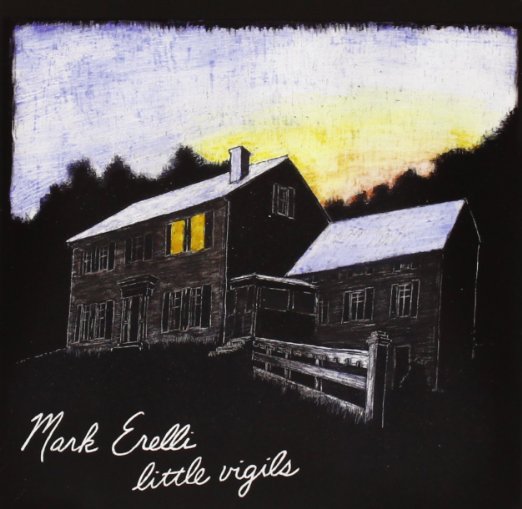
Mark Erelli’s “Same For Someone” would make a great father-daughter wedding song for someone who prefers a more eyes-wide-open sentiment and would rather save the syrup for their waffles.
How can I look you in the eye Tell you everything will be alright When I know everything could change tomorrow How can I promise you right now That I’m never gonna let you down I know you won’t remain a stranger to sorrow
Oh it’s a hard world My child Oh, it’s such a hard world My child So I’ll let go and let you run And love who you become Someday you’ll learn to do the same for someone
Hearts will break, one will be yours Don’t bother keeping score Learn instead how to forgive and be forgiven Lift up your voice while you still can For the measure of a man Is how he sings when he thinks no one is listening
Some will claim to know the truth But none can give you proof It’s up to you to decide who to confide in And though it may not seem enough All you’ll ever need is love Anyone who tells you differently is lying
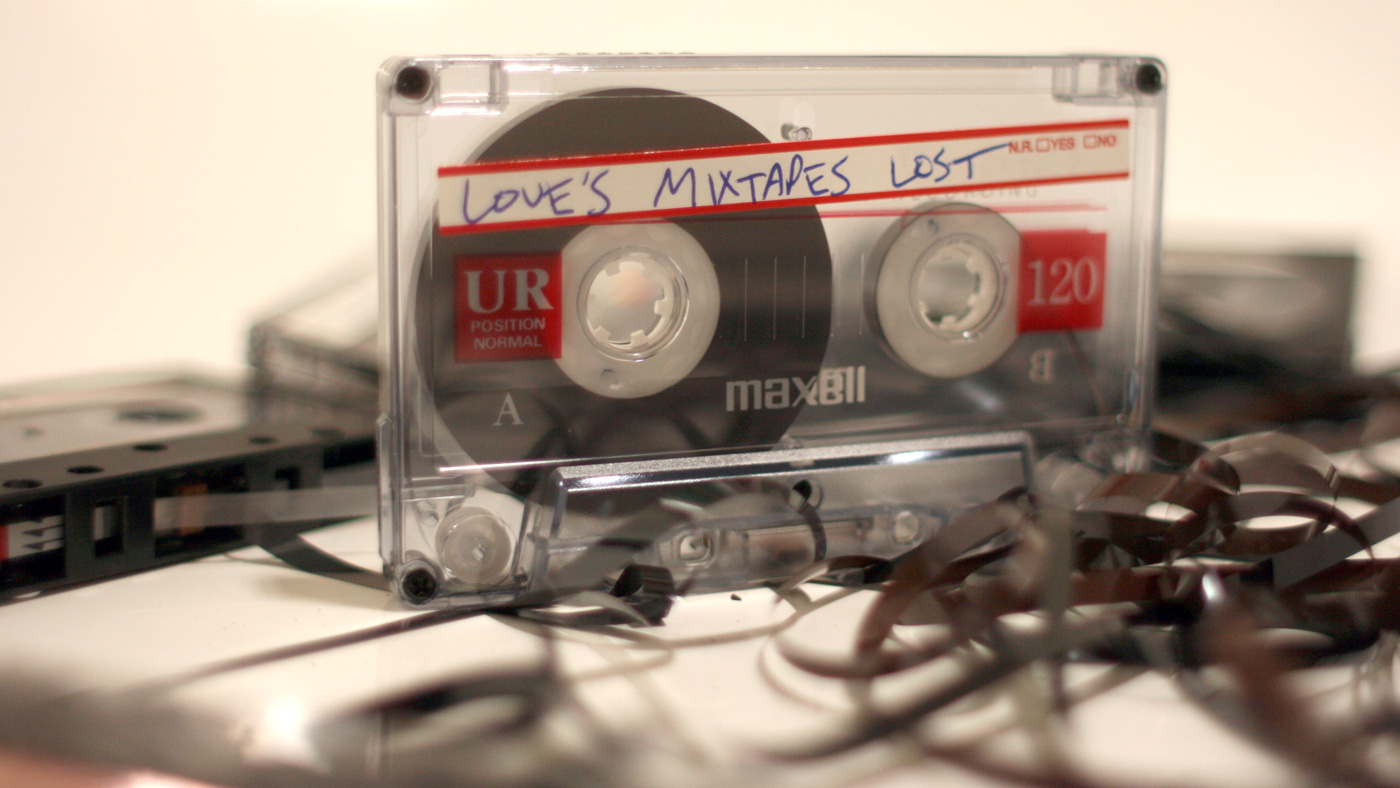
I recently got the type of message that only arrives through social media: a guy named Matt in Seattle tracked me down on Facebook to let me know that he was getting rid of a car I’d sold him 10 years ago. He’d been cleaning out the silver Subaru for the last time before donating it to a women’s shelter, and he’d found nine of my old cassettes. He’d gotten in touch to send me a photo of my tapes, lined up in three rows against the blue fabric of the trunk.
Among those spooled cockroaches were mixtapes from two of my high school boyfriends, both named Greg. Just looking at their handwritten titles was like opening an old photo album I’d forgotten I’d owned. Was there ever a high school mash note as intimate as a mixtape? The Gregs and I, we’d spent hours selecting and recording music, writing out our liner notes, and drawing artwork for these pocket-sized containers of angst and lust. Now that digital playlists are easily swapped and text messages artlessly record our longings, mixtapes are the last 3-D time capsules of the love letters we awkward kids used to craft.
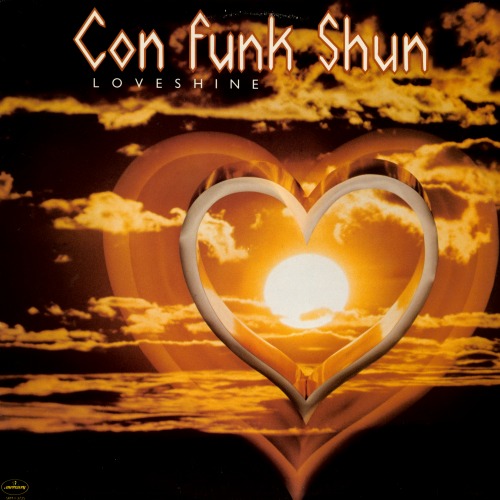
Another slice of smooth funk from criminally overlooked funk/soul outfit Con Funk Shun. Not all R&B acts of the era were self-contained musically or contributed to the songwriting credits as these guys did. And they could–and can–deliver the goods live, considering all the elements that make this song sound like a classic tune–the scratch guitar, tasty horns and Philip Bailey-style falsetto vocals–are performed not by hired guns but by the band members themselves.
Con Funk Shun have reunited with lead vocalist Michael Cooper (who had gone on to a solo career) to release a brand new album in 2015.
This 1978 album title track was never released as a single.
The very early 1980s was a scary and confusing times for many rock gods of the previous decade. This new thing called MTV was turning oddball British acts like Kajagoogoo, Adam Ant, Culture Club and Haircut 100 into overnight stars, and 1970s stadium rock giants like the Who, the Eagles, Wings, Emerson, Lake and Palmer, Led Zeppelin and Yes were breaking up with stunning regularity. What do you do when you’re in your early thirties and all of a sudden your band is gone and nobody wants a 10-minute drum solo?
The great rock artists usually have a distinguishing characteristic that sets them apart. Think Freddie Mercury’s semi-supernatural voice or Eddie Van Halen’s scale-shredding guitar, Elton’s piano or McGuinn’s Rickenbacker.
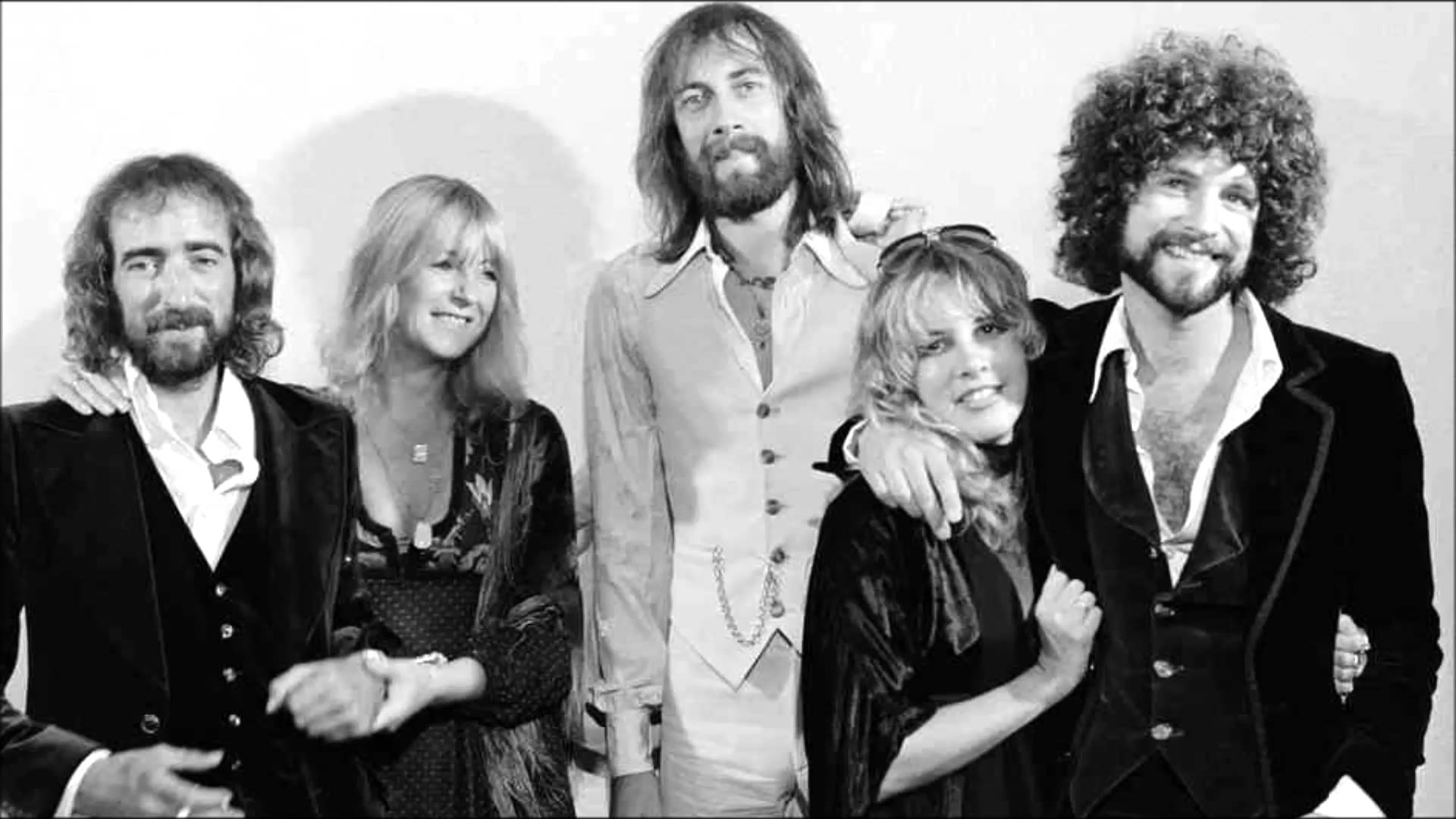
Fleetwood Mac were always a more democratic operation in that no single member’s talents dominated their recorded performance; they seemed more concerned with playing, harmonizing and producing great music as a unit. With no less than three capable hit-producing writers–and as many lead vocalists able to put those hit songs across–they relied on no single member’s talents as a calling card.
But there was a distinguishing characteristic to this band, though it was one subtle enough that even fans may not have given it a second thought. In their heyday the thing that often set a Fleetwood Mac song apart from other radio fodder was the presence of a lyrical coda at the end of a song.
What’s a coda? The word is Italian for “tail” and that’s exactly what it is. It’s a part of a song distinct from all the parts that precede it. It usually takes the form of a repeated phrase at the song’s conclusion that has never appeared previously within the song.
Let’s call on four guys who know a little about songwriting to demonstrate…
This is the verse:
This is the chorus:
And this, which is neither verse, chorus or bridge, but rather the song’s musical and lyrical “tail”, is the coda:
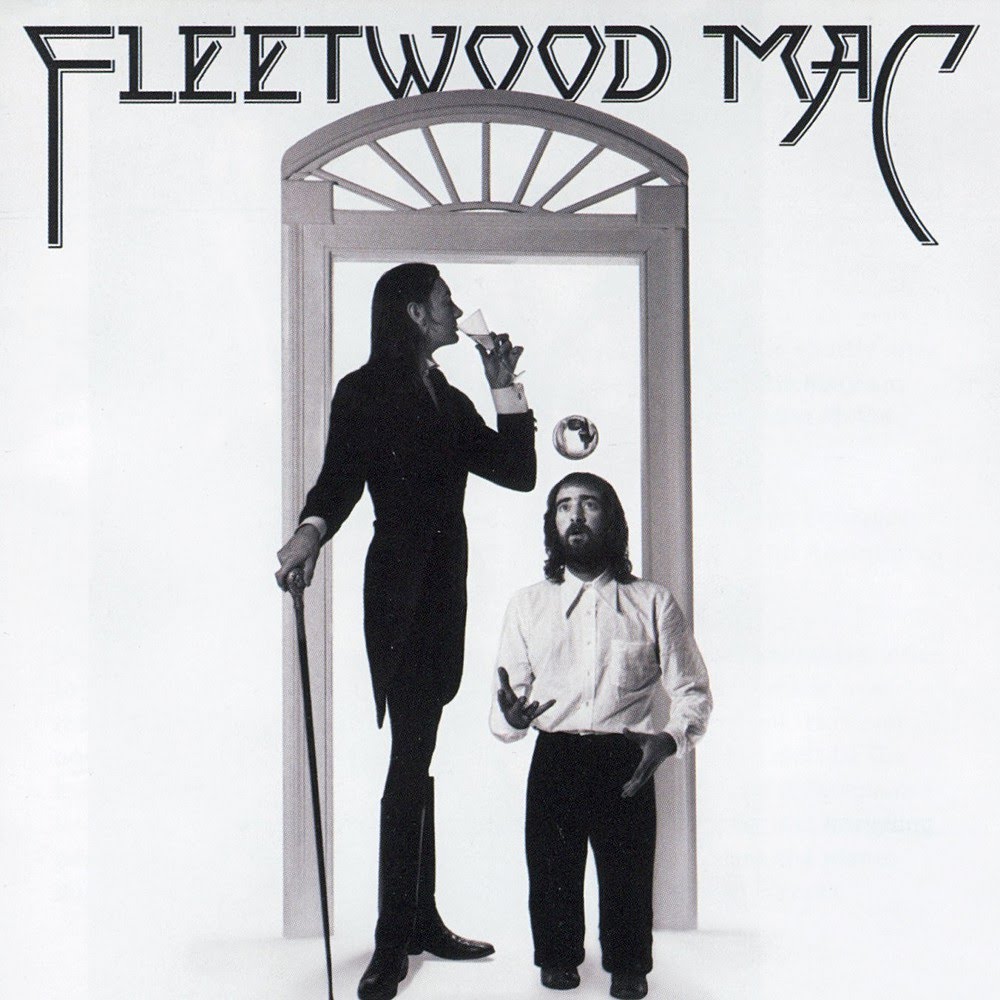
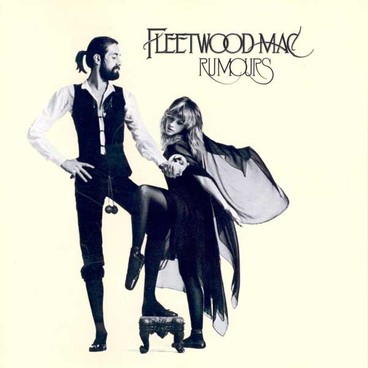
And now a few Fleetwood Mac codas, all of which were taken from the Fleetwood Mac and Rumours albums. Most or all will be familiar to you, although you may not have realized just how frequently the band employed this songwriting tact:
Rhiannon:
Blue Letter:
Say You Love Me:
Second Hand News:
Don’t Stop:
The Chain:
You Make Loving Fun:
Sadly, the coda is just one more underutilized musical technique these days (along with tact, lyrical subtlety, articulation…) Seems no one’s playing pin the tail on the song anymore.
Fleetwood Mac are the go-to source for a budding songwriter to learn by example how to add a catchy tag to the end of a hit tune.



 Every Moment Has A Song