See also: https://edcyphers.com/2022/10/02/video-of-the-week-how-to-make-a-song-with-your-neighbours-cat/
See also: https://edcyphers.com/2025/04/09/video-of-the-week-the-kiffness-lonely-cat-sometimes-im-alone/
Art is the music we make from the bewildered cry of being alive. ~Maria Popova
04 Apr 2025 Leave a comment
in Video of the Week Tags: hold onto my fur, the kiffness
See also: https://edcyphers.com/2022/10/02/video-of-the-week-how-to-make-a-song-with-your-neighbours-cat/
See also: https://edcyphers.com/2025/04/09/video-of-the-week-the-kiffness-lonely-cat-sometimes-im-alone/
04 Apr 2025 Leave a comment
in General Posts Tags: grateful dead, pittsburgh, wdve

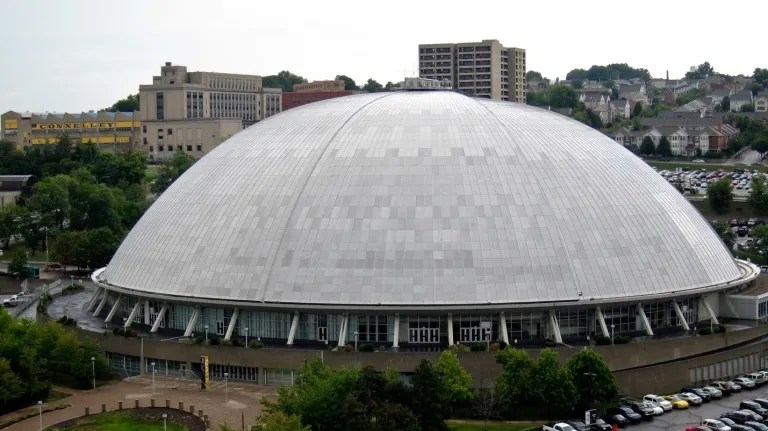
Randy Baumann & the DVE Morning Show recount past Grateful Dead/Pittsburgh confluences, including two 1989 shows marred by violent clashes between deadheads and police outside the venue.
01 Apr 2025 Leave a comment
in Best of the Blog, Video of the Week Tags: beatles, get back, paul mccartney
In a remarkable moment fortuitously caught on film, Paul McCartney, feeling the pressure of an approaching deadline on the Beatles eventual Let it Be project, makes productive use of time waiting for John Lennon, who is late to arrive.
It’s a breathtaking glimpse of songwriting genius–the birth of a hit song, verse and chorus, takes place in less than four minutes as Paul strums a bass guitar.
I can’t say it any better than the YouTube comments, so I’ll paste them here:

Paul just casually shitting out a golden song at 10 in the morning.

Not only does the melody fall out, so does the chorus and half the lyrics. This is a mind-blowing piece of film.

It’s actually insane this was caught on camera

It’s just mind blowing, they’re sitting around waiting for John and this whole new song just falls out of Paul’s head. George is giving positive feedback, Ringo’s already working out the percussion… then John walks in, sits down and immediately picks up on it and joins in. The Beatles fully deserve to have their music listened to until the last human dies. To never be forgotten.

This is one of Paul’s most legendary songs and it was composed strumming his bass while waiting for John to show up. The guy was such a genius it’s not even funny.

The fact that this wasnt in the original Let It Be is baffling. What a moment. “We need another million selling hit single, lads” “Right, give me about 4 minutes”

We would never have Get Back if John wasn’t late, cheers John!!

It’s almost like he discovers the song. Like it existed before he wrote it but hadn’t been given form yet

Paul accomplished more in those few minutes than most musicians will in their entire careers.

something warms my heart about when ringo starts throwing in that extra ‘get back’

Watching Paul making this song out of nothing is so mesmerizing

My favorite song from the album and watching Paul just pull it out of his ass is pretty damn amazing. I’ve never understood how people can just create a song out of thin air like that.

This is the most monumental piece in the history of the docunentary films. An absolute treasure.

From zero to Get Back in a few minutes. Wow!

Paul was really the heart of this band. If it wasn’t for him, this group would have ended way before 1970. Thank you, Paul!!!

Christ imagine the pressure of being a songwriter in that band.

This is one of the most beautiful things to be able to witness.

I feel like I just watched something extremely magical

This is a writer’s dream on how to create a song you’re proud of. You’re just noodling around the guitar or piano and suddenly magic happens. I’m sure there were times when Paul couldn’t come up with an idea to save his life, then something like that happens as if it’s always this easy. lol I love it.

Harrison’s lead playing is so simple and full.

I had tears when I realized what was happening.

Paul is the Music Magician of the Band, if you watch the whole Documentary you find out Paul is the Beatles

This is an extraordinary recording. Extraordinary. To see a song just grow and manifest like this. It should be shown in schools

This should be in a museum

That folks is the genius that is Paul McCartney!

Easily the best video ever recorded.

This will never not blow my entire mind.

This gives me the chills every time I watch this.

3:35.. the moment even Paul realized what magical moment just unfolded.. this is so awesome to see

“Hi guys, what have you been doing so far?” “…well, no big deal. In the meantime Paul has composed a new hit that will go down in music history, but stay humble!”

Panning for gold

Ringo and George lend a hand, then John shows up late, and gets co-writing credit.

Brilliant! Wonderful we get to see the origins, half a century later, which is sooooo weird to think about!!
30 Mar 2025 Leave a comment
in Songs You May Have Missed Tags: elegy, jethro tull, reasons for waiting
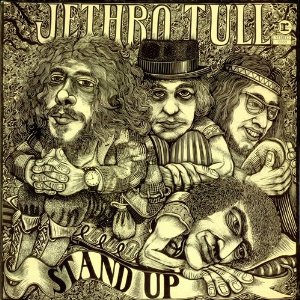
Jethro Tull: “Reasons for Waiting” (1969)
Another gem from the deep catalog of a band whose hardcore fans seem to think every release is a masterpiece (they couldn’t be more wrong) but who gets such little mainstream critical respect that, as of this writing, the band hasn’t been inducted into the Rock and Roll Hall of Fame (they couldn’t be more wrong).
Similarly to Fleetwood Mac, Jethro Tull started out as a British blues-rock band, but lineup changes–and perhaps commercial considerations–dictated a musical course correction.
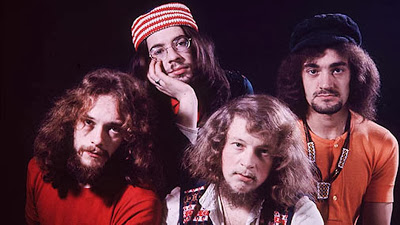
Following the departure of band leader and guitarist Mick Abrahams after their first album, Tull was effectively Ian Anderson’s band (and has been ever since).
After a brief (less than 2 month) stint by future Black Sabbath legend Tony Iommi, guitarist Martin Barre was brought aboard to replace Abrahams on guitar. A more versatile musician, Barre was adept on mandolin and had actually been playing flute longer than Anderson himself.
Tull’s signature sound would be forged by Anderson’s flute and Barre’s guitar licks over the next decade. In the meantime, second LP Stand Up was the record on which the transition from blues-influenced rock to a folk-inflected style began. Soon after, their distinctive folk/progressive rock blend fully unfolded.
But Tull has never truly abandoned its folk-rock leanings under flautist Anderson’s leadership.
“Reasons for Waiting” is nowhere on any Tull fan’s list of favorite songs. But this beautiful Ian Anderson ballad showcases the versatility of the writer better known for such canonical classic rock as “Aqualung”, “Locomotive Breath” and “Thick as a Brick”.

This was the first song on which the band used orchestration in the studio, and Dee (at the time David) Palmer’s string arrangement is what raises the song to another level.
Palmer, perhaps Jethro Tull’s true unsung hero, would later become a full-fledged recording and touring member of the band, helping to build the lavish arrangements on albums like Songs from the Wood and songs like “Orion”.
Credited as composer of the 1979 Stormwatch album-closer “Elegy”, one of the few Tull songs without an Anderson writing credit, Palmer wrote the song as an ode to her father, writing it within an hour after first hearing he had died.
See also: https://edcyphers.com/2013/02/24/songs-you-may-have-missed-340/
See also: https://edcyphers.com/2012/11/18/songs-you-may-have-missed-242/
See also: https://edcyphers.com/2025/07/12/recommended-albums-100/
30 Mar 2025 Leave a comment
in General Posts Tags: guster, kennedy center
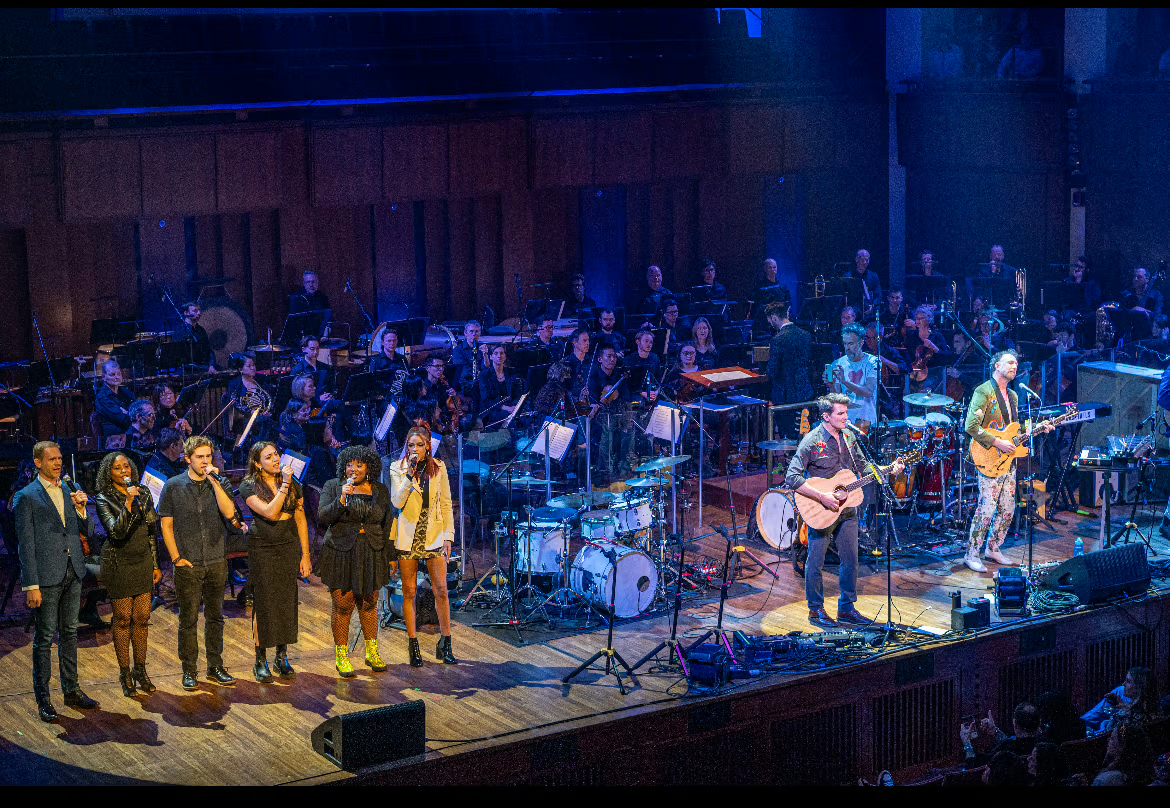
(via The Handbasket) by Marisa Kabas
Tonight at the Kennedy Center, legendary alternative rock band Guster took the stage to perform with the National Symphony Orchestra. But the audience got an extra surprise when the band brought on part of the cast of Finn—a children’s musical whose run at the center was recently canceled because of the new presidential administration’s vicious crackdown on the arts—to help them perform their song Hard Times.
What used to be one of the most prestigious venues in the nation has fallen from grace since Donald Trump’s inauguration and subsequent dismantling of the cultural institution’s board of directors—and the radical overhaul has led to cancelled performances and fear about what it means to perform at the center in its current iteration.
The cancellation of Finn’s run at the center was announced shortly after Trump installed a team of loyalists to the board, including Fox News hosts Laura Ingraham and Maria Bartiromo, White House Deputy Chief of Staff Dan Scavino, and Andrea Wynn, the wife of billionaire Steve Wynn.
Read more: https://www.thehandbasket.co/p/guster-finn-kennedy-center
30 Mar 2025 Leave a comment
in General Posts Tags: guster, kennedy center
(via Rolling Stone) by Daniel Kreps
Guster performed Friday night at the Kennedy Center, with the band using their show to stage a protest of sorts amid the Trump administration’s sweeping changes at the historic Washington, D.C. venue.
During the concert, Guster brought out the cast of Finn – an LGBTQ+ musical with trans themes whose own Kennedy Center performances were canceled after Trump named himself chairman – to perform with the band and the National Symphony Orchestra.
“I have a friend named Michael who wrote the songs for a musical called Finn,” singer Ryan Fisher told the audience (via The Handbasket). “In the before times they were booked to play here at the Kennedy Center. But as all of you know, things happened, and the show is no longer presenting here. As the new administration has made abundantly clear, Finn‘s themes of inclusivity, love, and self-acceptance aren’t going to be welcome in this building while they are in control.”
Fisher continued, “So tonight our band is here to say our stage is your stage. We are your allies, we stand with the LGBTQ community, and we want you to sing with us. Please welcome the cast of Finn and composer Michael Kooman. They belong here.”
Editor’s note: “singer Ryan Fisher” should be “Ryan Miller”.
 Every Moment Has A Song