"There's a time in life for Hoagy Carmichael. There's a time in life for Claude Debussy. There's a time in life for Jerry Lee Lewis. There's a time in life for Destiny's Child. All these things have their moment." ~Elvis Costello
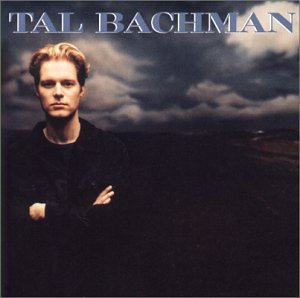
Tal Bachman is son of Randy Bachman, guitarist of the Guess Who and Bachman-Turner Overdrive. Tal only charted one hit single, “She’s So High”, from the same self-tltled 1999 album which contains this Beatlesque little gem. This one would make for a nice wedding song, if only anyone knew about it.
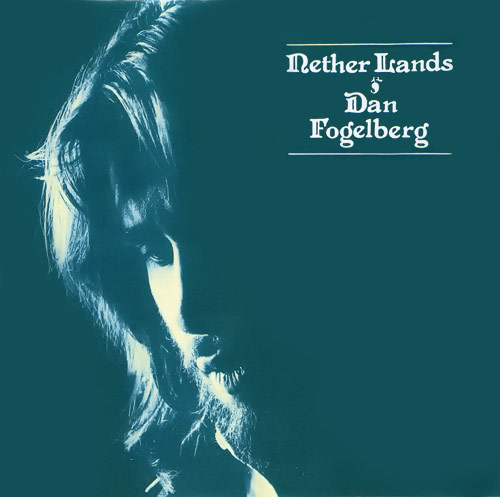
Though he hit higher subsequent commercial peaks with greeting-card-sentimental pop such as “Same Old Lang Syne”, “Leader of the Band” and “Longer”, Dan Fogelberg hit his artistic high water mark with the May 1977 release of Nether Lands. Despite its certified double platinum status, this is an album unknown to many who are familiar with the ubiquitous radio staples that followed.
Nether Lands followed a songwriting dry spell for Fogelberg–a period of months in which he produced no new music. But when he emerged from dormancy with newly ambitious, classically-influenced and elaborately arranged songs such as the album’s fully-orchestrated lead title track, it seemed he’d only been in a sort of artistic cocoon, undergoing a transformation from a very good folk singer-songwriter into a bolder, more poised composer with many more shades in his palette.
The full-on orchestral treatment can overwhelm a trite pop song. Here, in songs such as the title track and the set-closing “False Faces” the writing is on par with and deserving of its ornate musical trappings.
But the quieter moments shine too. Sublime ballad “Dancing Shoes” and the flute-laced jazz pop of “Give Me Some Time” seem to possess a subtlety and grace uncommon for a 26-year-old writer. Dan was flexing new muscles here, and would continue to do so on his next release, an album made up mostly of instrumentals that would stretch to encompass even more stylistic territory.
Despite the lack of a top 40 hit single, the album contains some of Fogelberg’s finest and most fully-realized compositions. (One is reminded of Elton John’s 1971 Tumbleweed Connection LP which, despite yielding no hits, may be Sir Elton’s best overall album).
Albums like this are the reason I dismiss no musical category or genre wholesale. So-called “soft rock” or “lite rock”, like any other species of music, contains both good and bad. Nether Lands is one of those albums that proves that soft rock was, and is, capable of greatness.
Swedish band The Soundtrack of Our Lives are difficult to categorize, moving between a classic rock sound, psychedelia, prog and garage rock in one heady old school mix. They’re about to release their sixth album and I hope it’s the great one I suspect they have the talent to deliver.
London-based Morcheeba is fronted here by Skye Edwards, whose physical beauty is exceeded only by the mellifluous calm of her voice. Like a lullaby for stressed-out adults.
Rufus Wainwright: “Cigarettes and Chocolate Milk” (2002)
Rufus Wainwright is the son of Canadien folk singer Kate McGarrigle and Loudon (“Dead Skunk”) Wainwright III and an interesting songwriter with an interesting history in his own right. Even if your cravings are not his, you’ll probably relate to the song.