Behind Warren Zevon’s ‘The Hula-Hula Boys’

(via Beat) by Walter Rhein

I knew something was wrong from the moment he spoke. In fact, there had been a lingering wrongness for some time.

“C’mon son, let’s go on a trip,” Dad said.

He’d just taken my brother on a trip, and my sister. Now it was my turn. This struck me as unusual behavior, but what choice did I have in the matter?
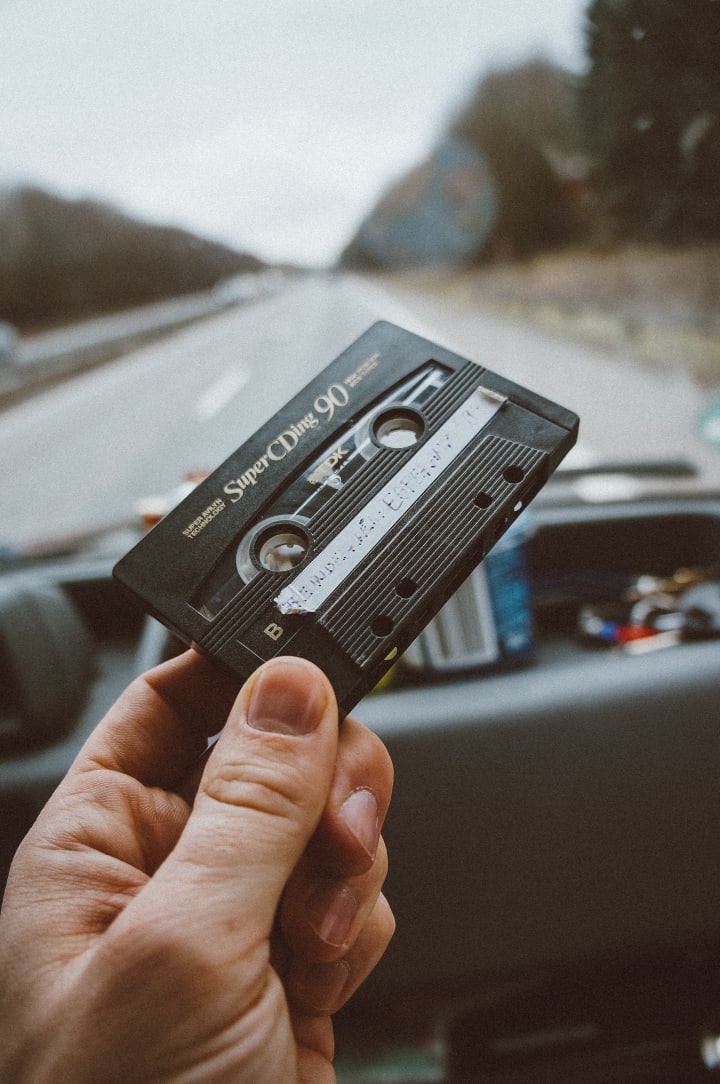
Photo by Tobias Tullius on Unsplash

“Okay,” I said, and we got on a plane and got off in Maine where we rented a car.

“What should we do?” Dad said as he started to drive. He fiddled with the radio. But before I could answer, he slammed his hands against the dashboard. “There’s no good radio stations in this state. Let’s go get a cassette.”

He started driving around looking for a record store. Dad was always a fanatic about music. He had a whole room dedicated to vinyl records. When CDs came out he had to replace them all. I don’t know what he does now, maybe he’s got a mainframe in his basement.

We found a little hole-in-the-wall place that claimed to be a record store even though it only had a selection of about thirteen cassettes. Dad looked through them, his face tight with fury. He could be scary when he got angry. I began to grow concerned, but the darkness cleared and he brightened up.

“Here we go, Warren Zevon!”

Read more: https://vocal.media/beat/behind-warren-zevon-s-the-hula-hula-boys
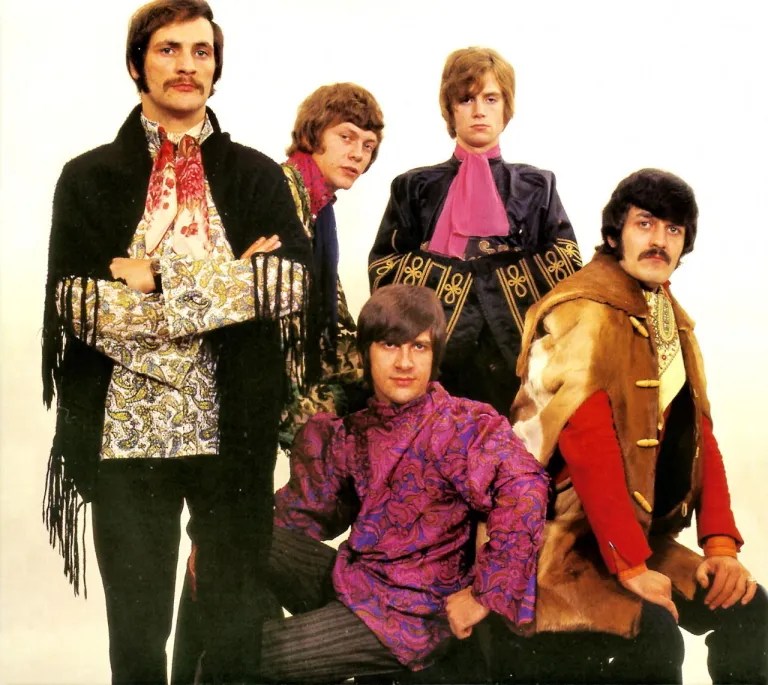
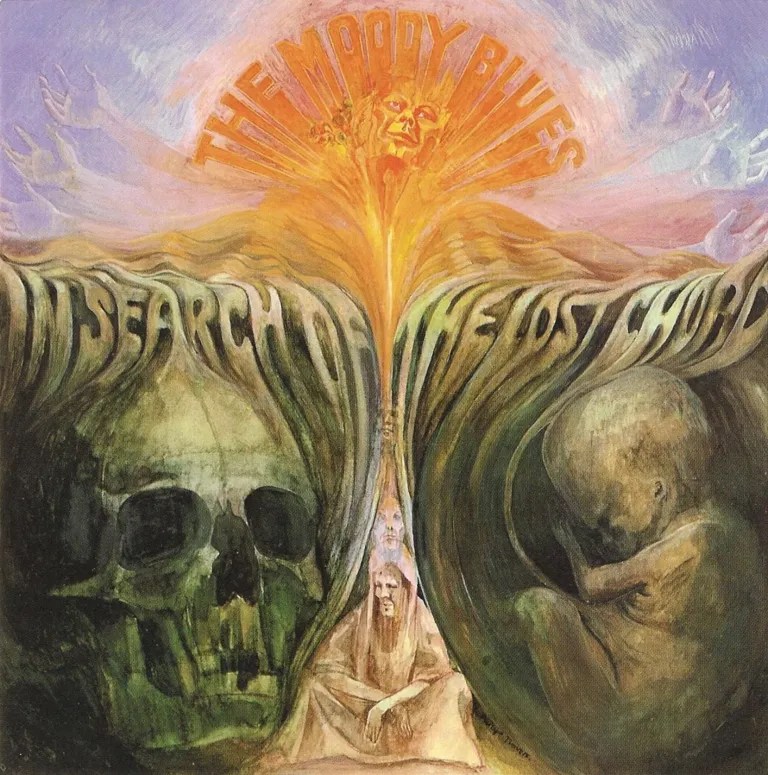
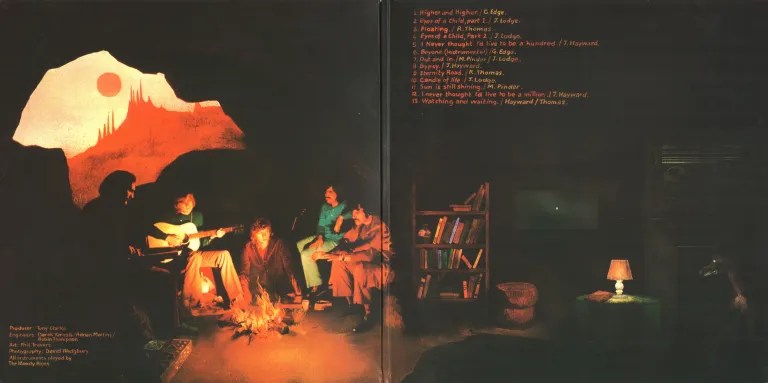
The Moody Blues Album Covers by Phil Travers

(via The Music Aficionado)

The golden age of progressive rock music in the early 1970s saw a number of collaborations between adventurous musical acts and visual artists who complimented the music with striking and imaginative album covers. Many of the major acts had a go-to artist or design firm that supplied them with creative imagery. For many record buyers the appeal of the album sleeve was a major factor in a decision to buy a record. The 12-inch square size of an LP album cover quickly doubled as gate folds became the norm. Artists started to take advantage of the newly found extra real estate and expanded their canvas. Yes, Genesis, Pink Floyd and others had their Roger Dean, Paul Whitehead and Hipgnosis. This article focuses on The Moody Blues and the six albums featuring the artwork of Phil Travers. We shall talk about those covers and play a favorite piece of music from each album…

The story of these albums begins after the Moody Blues released their breakthrough album Days of Future Passed at the end of 1967. On that album the band quickly abandoned the original idea of a rock realization of Dvorak’s 9th Symphony and wrote their own music. The album, a milestone symphonic rock production that utilized a full orchestra, produced the hit Nights in White Satin. Its success gave the band a new freedom in making artistic decisions about their music and how it is packaged. Enter artist Phil Travers…

Read more: https://musicaficionado.blog/2020/11/18/the-moody-blues-album-covers-by-phil-travers/?fbclid=IwAR1Yac8h-Vj3pRnuQXvNBKMmTM-QHysaewpV2h7BjGCEsU_rHb8OXNmzXtU

Video of the Week: Tom Lehrer’s “New Math”

When you’re a mathematician by trade and you moonlight as one of the cleverest songwriters around, you’re uniquely qualified to perform something like Tom Lehrer’s “New Math” which, by our calculations, is enjoyable and confounding in equal parts.

On a Lighter Note…

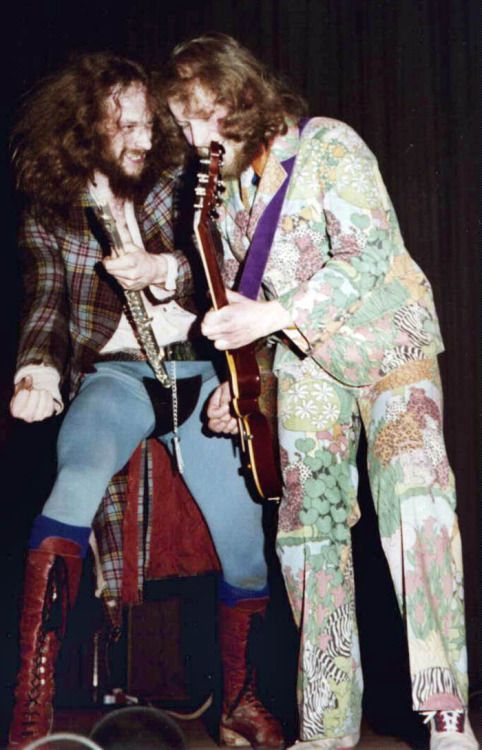
Quora: Why is Jethro Tull not in the Rock and Roll Hall of Fame?

Why is Jethro Tull not in the Rock and Roll Hall of Fame?

(Answered by Sandro Kovalev)

Mostly it’s because of politics…the nominating commitee (or inner circle, if you will) of this institution doesn’t like Jethro Tull, or any other band who went above and beyond what they consider to be rock and roll. That weirdo Jann Wenner (who I believe is the president of the HOF, or chairman or whatever), has made his bias against certain genres quite clear…him and his HOF committee generally do not like the more complex, esoteric rock offshoots such as prog rock, electronic, or heavy metal.

Most rock journalists like Wenner and Robert Christgau believe those styles are a betrayal of what true rock and roll is meant to be, which in their minds means working-class, rebellious, danceable, and unintellectual. With that said, Genesis, Yes, Rush, and the Moody Blues have all been inducted in recent years – probably not because Wenner and his cronies have newfound respect for prog, more likely it’s because these bands have topped fan polls year after year, to the point where the committee realized how out-of-touch they were by continuing to weaponize their personal biases in order to keep these groups from being inducted.

Tull have been eligible for decades and haven’t even ever been nominated, but along with King Crimson and possibly Kansas, they are the only other big name holdovers from the prog era that still has an outside shot (unfortunately I don’t see ELP getting the nod even though they deserve it, and most of the other acts like Gentle Giant and Van Der Graaf Generator are not well-known outside of prog circles).

Anyway, while I’m sure Ian, Martin and Co would appreciate the temporary boost in interest that comes from being inducted, and many fans want their favorite band to be recognized, does it really matter if Tull has the seal of approval from that group of dunces over at the HOF? With some of the nonsense they’ve been inducting in recent years, it might be better to not be inducted.

Video of the Week: Percossa’s Boomwhacker Can Can

Previous Older Entries Next Newer Entries