Storm Thorgerson and I had created most of the artwork for Pink Floyd’s albums, including Dark Side of the Moon. One day we were asked to Abbey Road Studios to listen to tracks from the band’s new record. The lyrics were mostly about absence, and the album’s title, Wish You Were Here, was a reference to Syd Barrett, who had left the band some years earlier due to issues with LSD. They were also making a statement about record company executives who regarded musicians as money-making machines, demanding one hit song after another – an absence of a different kind.
We were talking late one night with our friend George Hardie, kicking around ideas. Storm said: “Have a Cigar [the album’s third track], is about insincerity in the music business. What about an image of two businessmen, and one of them is getting burned in a deal?” We all thought the image was a good idea, and I remember saying to Storm: “How are we going to do that?” He replied: “Set a man on fire.”
This is the famous picture of Syd, taken when he walked into the Abbey Road studios while Pink Floyd were recording “Wish You Were Here”. Bloated, with shaven head and eyebrows, for a time he was unrecognized by his old bandmates only 6 or so years after leaving the band. Syd himself had ceased to make any sort of recorded music after 1974.
During and after this unfortunate encounter, Syd lived in a succession of London hotels, spending money on anything and everything, and often gifting his acquisitions to the staff.
Syd found communication with the band and his old life to be too upsetting and emotionally disturbing. He had a chance 1977 encounter with Roger Waters in the exclusive department store Harrods, as Roger recalled – “but we didn’t speak – he sort of scuttled away.” Apparently, Syd would buy sweets (candy) there, and this wordless meeting was disturbing enough for him to drop his purchases and flee.
When eventually the money ran out, he gave away all his possessions, leaving only a bag of dirty laundry, and walked the 50 miles back to his home town of Cambridge to live with his mother. He dropped “Syd” and returned to using his original name, Roger.
He would slam the door in the face of anyone looking for “Syd”.
Even though they never talked or met again after mid 1975, David Gilmour quietly made sure that his old friend Syd’s financial needs were taken care of until the day he died. As well as ensuring that royalties were getting paid, he would also insist on a Syd song being included on any PF compilation to ensure an income stream.
Syd lived out the rest of his life in a modest Cambridge house, decorated in a highly eccentric style, enjoying painting and DIY (as you can see in the video, with rather mixed results). His siblings kept a reasonably close eye on him until his death from pancreatic cancer in 2006. His last years were plagued with health issues- diabetes and stomach ulcers.
He watched a BBC documentary on himself, but didn’t like it. His sister reported that “He came to watch it with me. He didn’t enjoy it. He didn’t like it – he didn’t quite know what was going on, I don’t think. He just said, ‘It’s very noisy. The music’s very noisy.’”
Despite refusing all contact with most people from his past, and anyone associated with the music industry in general, in 2002, he surprisingly agreed to sign 320 copies of Mick Rock’s book of photographs called “Psychedelic Renegades”. As he no longer used the name Syd, he simply signed them “Barrett”.
His family always denied he had any form of mental illness, insisting that he lived his life as he saw fit, and didn’t feel the need to conform to others’ expectations.
Welcome to our little homage to musical homage. The following ten artists, whether by willful attempt or sheer happenstance, managed to pull off amazingly credible imitations of more notable musical acts. They say imitation is the sincerest form of flattery. We’ll let you decide:
Dave Kerzner: “Stranded”
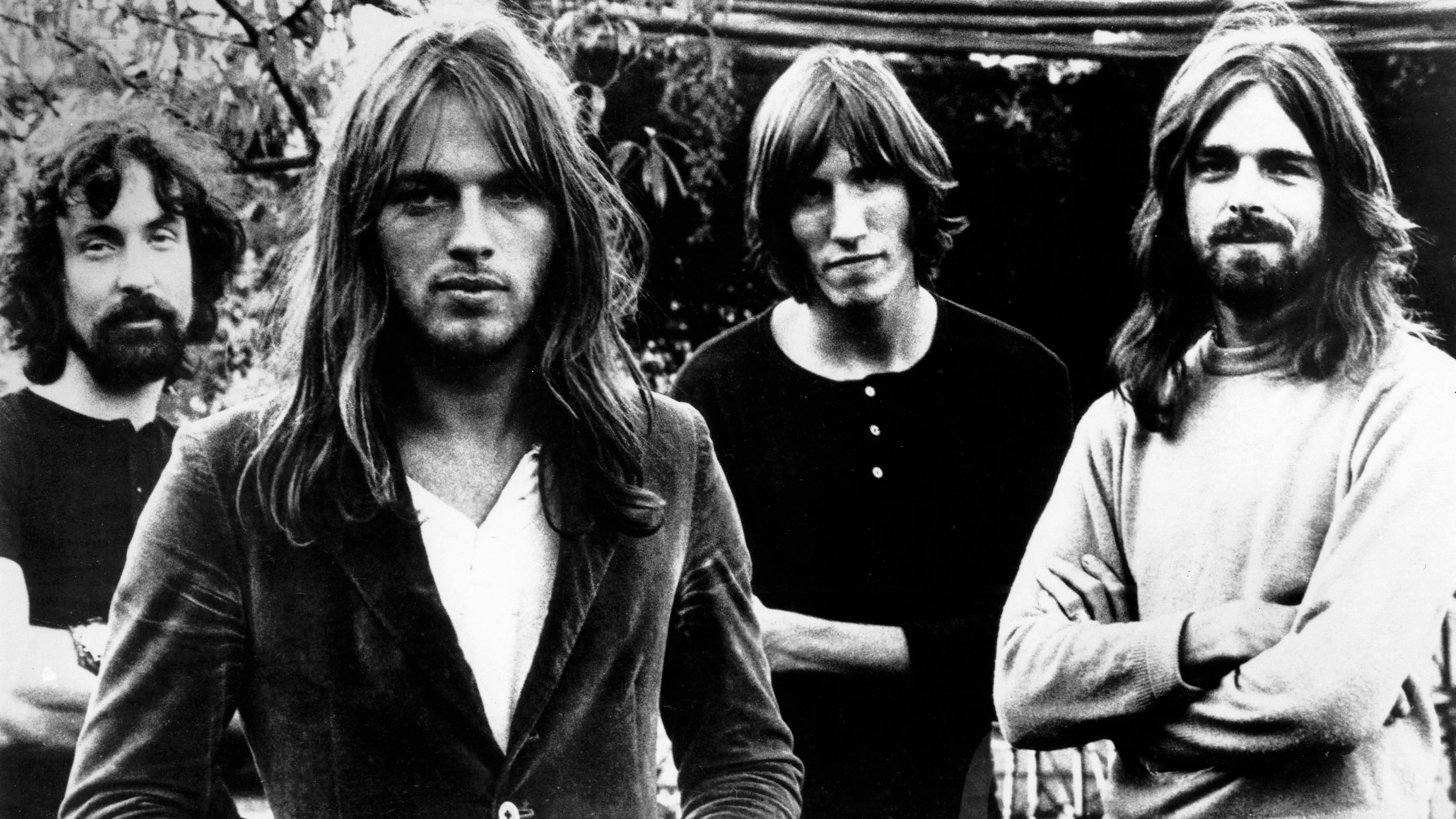
This Dark Side-era Pink Floyd sound-alike couldn’t possibly have happened by accident. Kerzner’s 2014 New World album, though it literally and figuratively shows its influences on its sleeve, is actually an outstanding progressive rock record in its own right. But “Stranded”, more than any song I’ve ever heard, shows an artist who’s assimilated the Floydian musical vocabulary.
____________________
Lissie: “Further Away (Romance Police)”
Late-70’s Fleetwood Mac is revisited by singer-songwriter Lissie, complete with the Lindsey Buckingham guitar and Stevie Nicks vocals.
____________________
Ali Thomson: “Take a Little Rhythm”
You may remember this #15 hit from 1980. If so, you almost surely thought it was Paul McCartney because it perfectly mimicked the sound of his late-70’s hits, not to mention the Tom Scott sax solo of “Listen to What the Man Said” and the prominence of the bass guitar in the mix. And also because who the hell is Ali Thomson?
____________________
Jeremy Fisher: “Scar That Never Heals”
With all the stories floating around about Paul Simon cribbing musically from other artists it’s good to see another singer so “inspired” by Paul. Or so it sounds to me.
____________________
Kingdom Come: “Get it On”
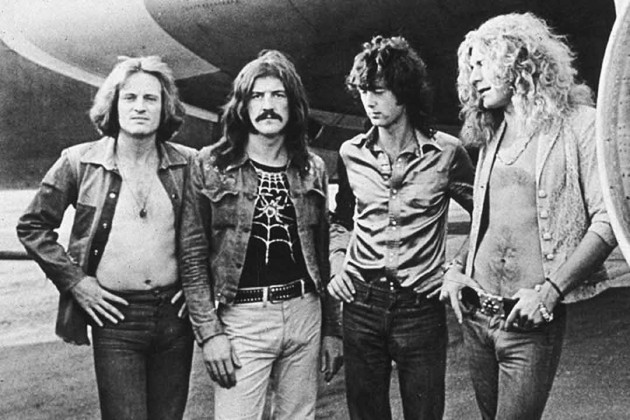
This one’s just brazen. From John Bonham’s thunderous drum sound to Robert’s Plant’s wail to a riff that, to say the very least, “evokes” Led Zeppelin’s “Kashmir”…come on, guys. I mean, that sound is taken. Get your own.
____________________
Tyler Ramsey: “Stay Gone”
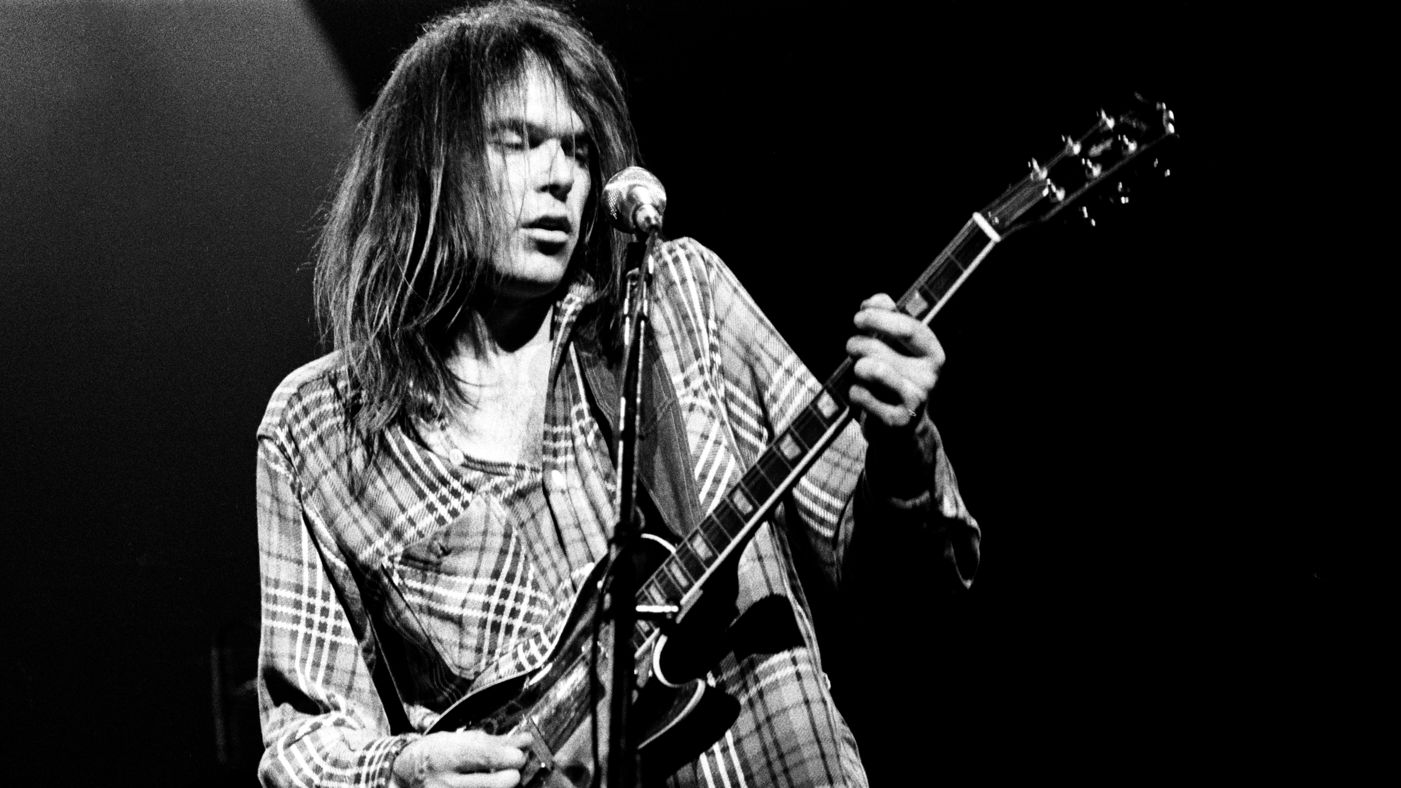
Neil Young is channeled on this one, though it’s not clear if Tyler Ramsey consciously does so. I hear echoes here of some of young Neil’s early 70’s tunes such as “Winterlong”.
____________________
Band of Horses: “Long Vows”
Again with the Neil Young! Band of horses sound like they got hold of a Zuma outtake here. In a good way.
____________________
Kings of Convenience: “Homesick”
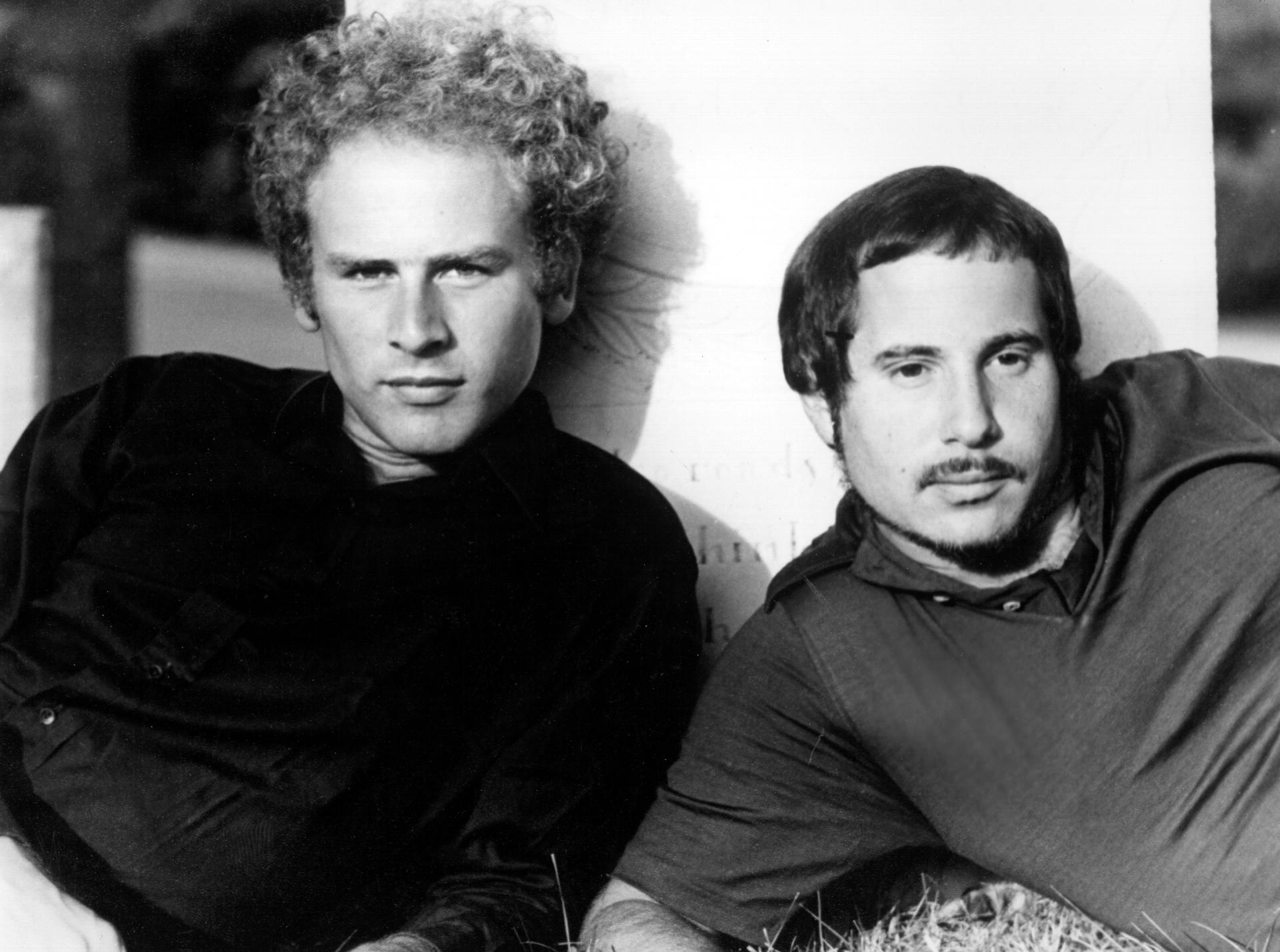
The Norwegian duo known as Kings of Convenience capture the close harmonies and intimate spare sound of “Scarborough Fair”-period Simon & Garfunkel on this one. Or as their own words in this very song describe it “two soft voices, blended in perfection”.
____________________
Accept: “Balls to the Wall”
It seems in the world of 80’s metal you could scrape out a bit of a career merely by imitating an iconic act. Since their red hot career has presumably cooled off by now (unless like Spinal Tap they’re enjoying a revival in Japan) I wonder if it’s occurred to no-hit wonder Accept–and to the previously mentioned Kingdom Come for that matter–that there’s always a living to be made as a tribute band? Who could better fill the AC/DC void now that Brian Johnson has called it quits?
____________________
Tin Tin: “Toast and Marmalade for Tea”
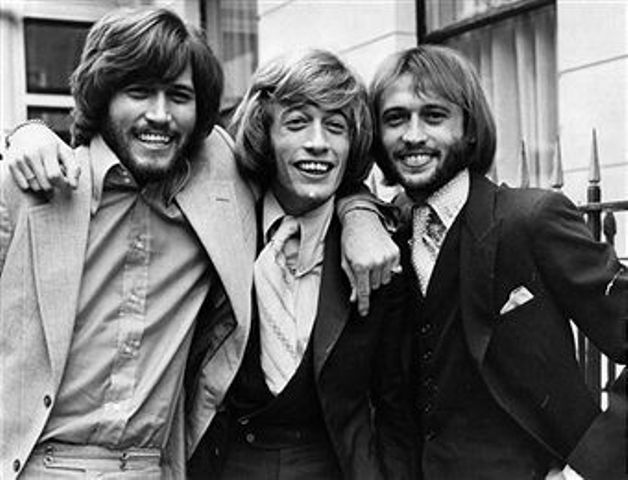
In case you’re not conversant with late-60’s pop, or old enough to remember that the Bee Gees had quite a successful career before anyone had ever heard of disco, Aussie duo Tin Tin was pretty much exactly what the Gibb brothers sounded like from about 1968 to ’72. It’s not a shock that Maurice Gibb produced the quaint “Toast and Marmalade for Tea”, Tin Tin’s only U.S. top 40 hit and a long-forgotten chestnut. It carries the stately sound of contemporaneous Bee Gees hits such as “Lonely Days” and “I’ve Gotta Get a Message to You”.
Comfortably Numb recommended listening for operating theatre – while Queen, Dylan and REM songs are to be avoided
Pink Floyd classic Comfortably Numb is one of a handful of songs recommended for surgeons as they lead medical operations.
But a study by Cardiff University Hospital says Queen’s Another One Bites The Dust, Bob Dylan’s Knockin’ On Heaven’s Door and REM’s Everybody Hurts should be avoided.
While the suggestions are light-hearted, they’re backed up by a serious study that’s found four out of five operations are carried out while staff listen to music.
The report in the British Medical Journal says it “improves communication between staff, reduces anxiety and improves efficiency.”
And surgeons who listen regularly say it helps them increase performance and helps them focus.




 Every Moment Has A Song