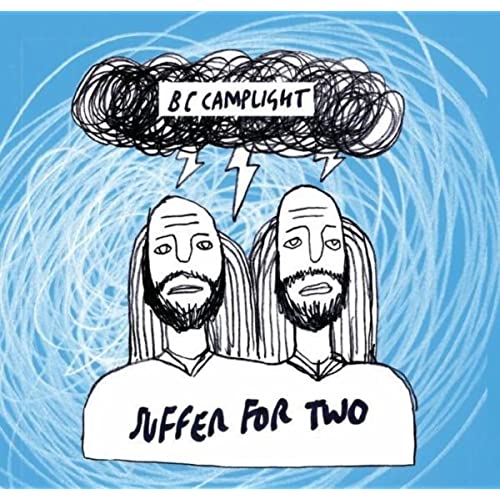
B.C. Camplight: “Suffer for Two (Dave Bascombe Radio Mix)” (2007)
Calling any B.C. Camplight song the “radio mix” is laughable because I’ve never heard any of his tunes on radio. He’s typically too quirky and experimental for even the independent airwaves.
But “Suffer for Two” is a bit more accessible than most of his material. If it piques your curiosity I’d recomment you check out his debut LP Hide, Run Away
If you’re ready to be challenged a little by his more idiosyncratic output, give 2015’s How to Die in the North or 2020’s Shortly After Takeoff a try. Sometimes it takes repeated listens, but eventually the hooks take hold. And the genius.
This is what Brian Wilson might have sounded like if he grew up someplace without drag racing and surfing.
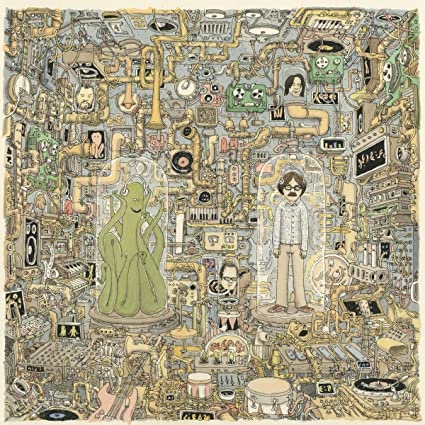
Weezer’s 14th studio album OK Human is a baroque pop musical departure, recorded entirely on analogue equipment and backed by a 38-piece orchestra. It will almost certainly be among their lowest-charting albums. Oh, and it’s wonderful.
That’s not to say it’ll satisfy the segment of the band’s fans who hanker for the wall of shred of the band’s earlier work. Their upcoming Van Weezer album, scheduled for release just four months after OK Human, ought to meet their noise quota.
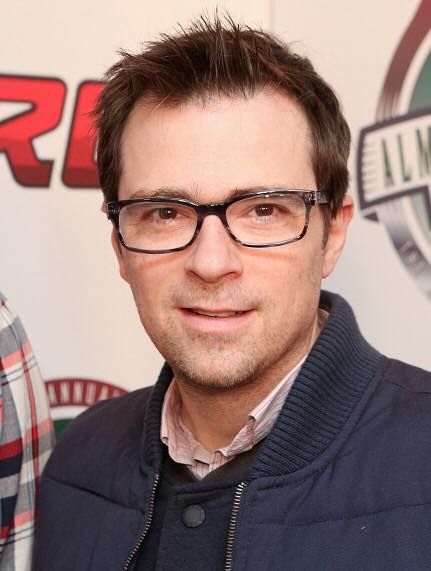
But that’s not the point of this album. OK Human is meant to link violin strings to heartstrings. The orchestral setting provides the perfect melodramatic foil for Rivers Cuomo’s endearingly dorkish songwriting voice, so full of misanthropic melancholy. It’s a mix that evokes Ben Folds’ finest moments.
When Sting makes literary references, he comes off a bit up his own arse. When Cuomo does so a winsome humor slips through. Particularly in “Grapes of Wrath” where such references drive home the song’s point.
Cuomo eschews rock machismo cliche, prefering to name check Mrs. Dalloway, Winston Smith and Frodo Baggins. Because he just don’t care, he just don’t care. And anyway “battling Big Brother feels more meaningful than binging zombie hordes.”
Indeed.
Dorkitude aside, it’s the massive pop hooks that have been Cuomo’s calling card ever since “Buddy Holly” in ’94. And on OK Human he delivers the goods again. Critics will talk about guitars vs orchestras, and opine as to whether the lyrics are cheeky, sincere or just corny. But few will take note of the fact that Rivers Cuomo is possibly the best melodist in the world of pop rock.
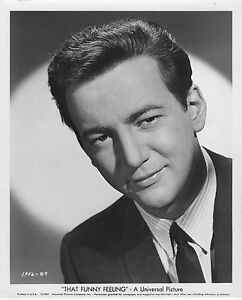
Excerpted from Shane Brown’s blog/tribute page This is Bobby Darin:
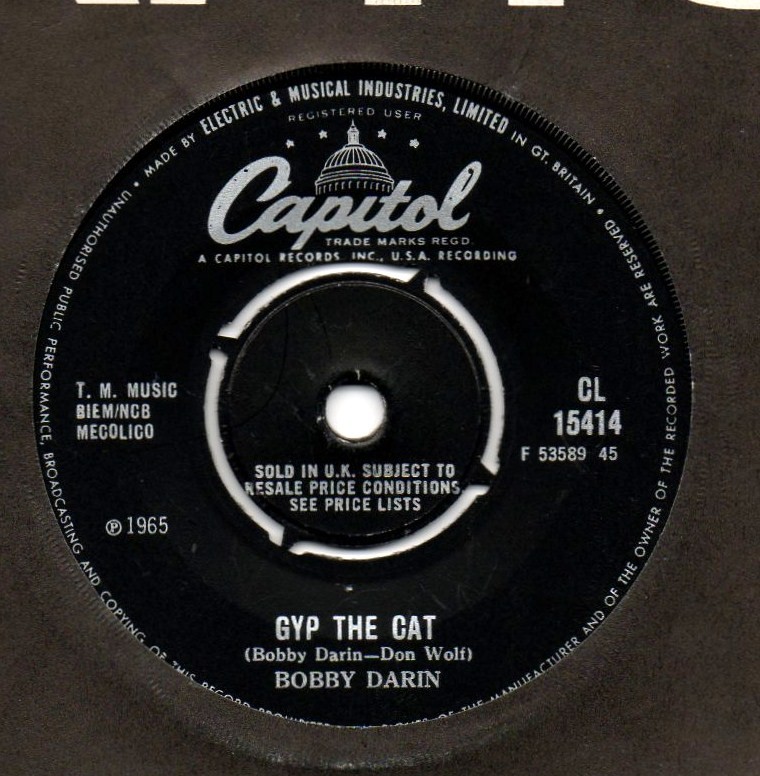
In 1964, Bobby couldn’t get a hit record for love nor money. In September 1964, he made his first attempt at recording his own composition Gyp the Cat, a clever pastiche of Mack the Knife, this time about a thief, and using a similar melody to the Kurt Weill song. As with Mack the Knife, the song tells a story, and the arrangement works in the same way, with it gaining in intensity with each successive verse. It’s a lighter affair lyrically, with a nice twist in the final verse, and would have been a better choice of single than Hello Dolly which was released instead. Despite the British Invasion, there was clearly still a place in the singles charts for this type of material, as Armstrong’s Hello Dolly and the Darin-produced Wayne Newton hit Danke Schoen had shown. The 1964 version of Gyp the Cat remained unissued until thirty-odd years later, with a 1965 recording of the same song issued as a B-side. It was something of a waste of a fun Darin original, in his signature style, and showing that he could poke fun at himself through a pastiche of his earlier hit.
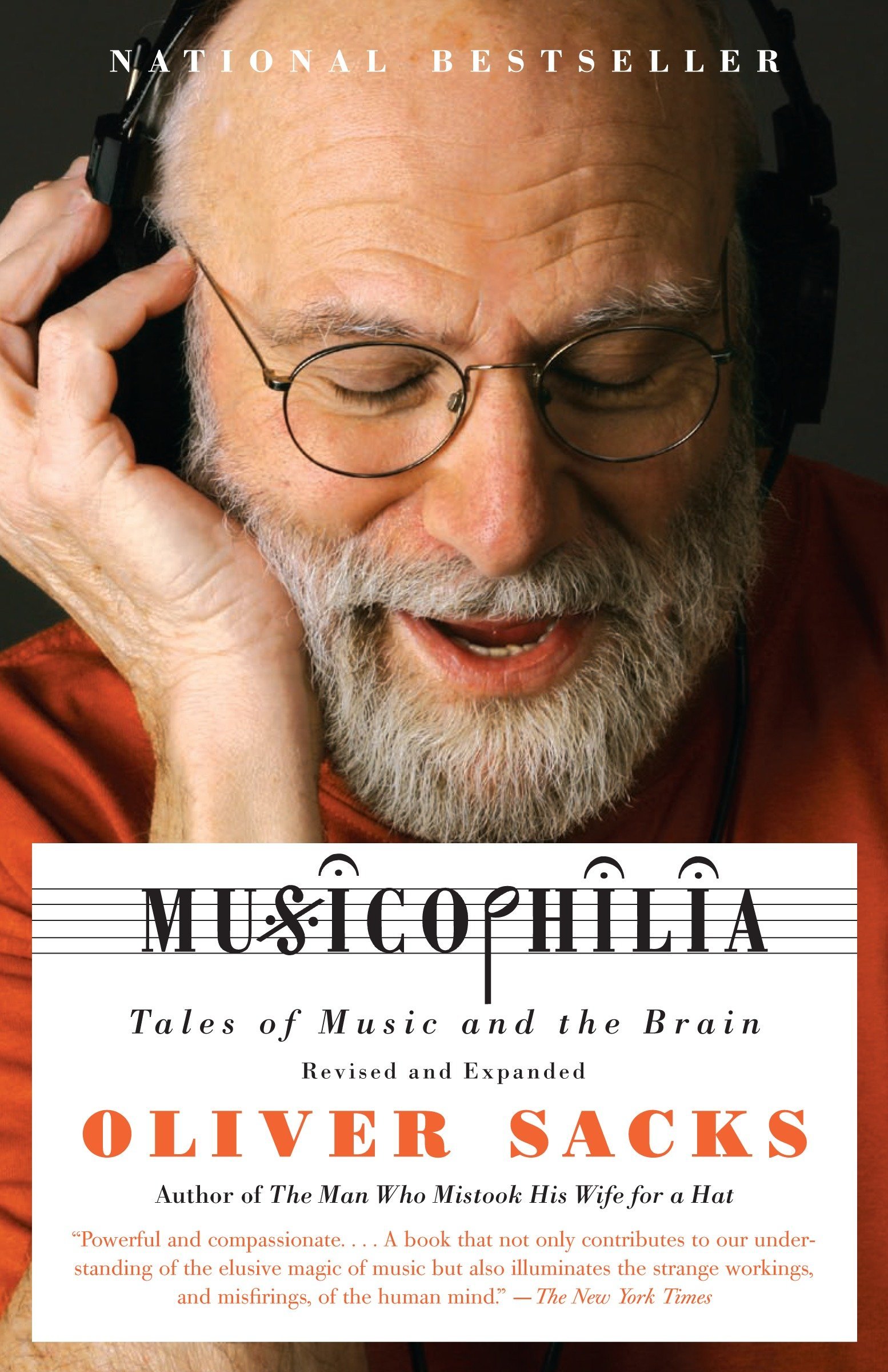
Gathered here are uncommonly beautiful reflections on the singular power of music by some of humanity’s greatest writers, collected over years of reading — please enjoy.
Music is at once the most wonderful, the most alive of all the arts — it is the most abstract, the most perfect, the most pure — and the most sensual. I listen with my body and it is my body that aches in response to the passion and pathos embodied in this music.
In his final essay collection, A Man Without a Country (public library) — the source of his abiding wisdom on the shapes of stories — Kurt Vonnegut wrote that music, above all else, “made being alive almost worthwhile” for him. He synthesized the sentiment in an extra-concentrated dose of his wry irreverence:
If I should ever die, God forbid, let this be my epitaph: THE ONLY PROOF HE NEEDED FOR THE EXISTENCE OF GOD WAS MUSIC









 Every Moment Has A Song