I Didn’t Know That Was a Cover!

Our mission in this little exercise it to uncover the covers–to reveal songs commonly mistaken for originals which were actually older songs given a second life. Let’s listen:

____________________
post-1

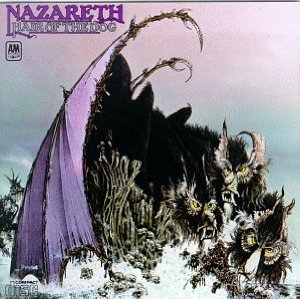
“Love Hurts”=Nazareth

As the above clip reveals, Nazareth’s 1976 top ten hit wasn’t new. In fact, the Boudleaux Bryant song had been recorded by Gram Parsons and Emmylou Harris as well as Roy Orbison. But the first to record the tune were the Everly Brothers in 1960, although their version was not a hit. Quite a contrast in styles.

____________________

“Tainted Love”-Soft Cell

Soft Cell’s only top 40 hit was a cover of a Gloria Jones song from 1964, although again the original version was not a pop hit. Certain lines (Once I ran to you, now I run from you) have a much more menacing feel when sung by a woman.

____________________
post-2

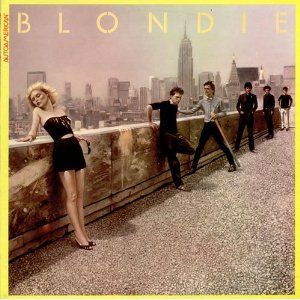
“The Tide is High”-Blondie

We probably should have been suspicious of a Blondie song with a Jamaican rhythm–not exactly the band’s forte. The song was written by John Holt and originally recorded by his reggae group the Paragons in 1967.

____________________
post-3

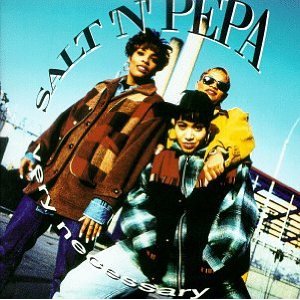
“Whatta Man”-Salt-N-Pepa w/En Vogue

This 1994 hit heavily samples–and is virtually a cover of–“What a Man”, a 1968 Linda Lyndell song that missed the pop charts.

____________________

“Can’t Get Enough of You Baby”-Smash Mouth

Smash Mouth’s #27 hit was the follow-up single to the #1 “Walkin’ on the Sun”. The song originally followed up another #1 single in 1966, Question Mark & the Mysterians’ “96 Tears”, which shares almost identical organ riffs with this song.

____________________

“Since You Been Gone”-Rainbow

The Ritchie Blackmore-led rock band’s hit was originally written and recorded by former Argent guitarist Russ Ballard and appeared on his 1976 Winning album.

Head East’s 1978 cover of the song actually charted higher (#46) than Rainbow’s 1979 version (#57) but Rainbow’s version is now widely considered definitive.

____________________
post-4

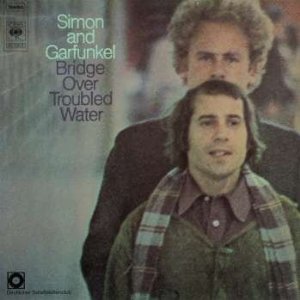
“El Condor Pasa (If I Could)”-Simon & Garfunkel

Originally composed as “El Condor Pasa” (“The Condor goes by” or “flies past”) by Peruvian Daniel Alomia Robles in 1913, drawing from traditional Andean folk melodies. Paul Simon heard a recording by a group called Los Incas and composed new lyrics for the melody. Interestingly he used the Los Incas instrumental version (which you hear here) as the backing track for the Simon & Garfunkel song, and did so without permission. He also failed to credit Robles, later claiming to have been misinformed that the song was an old traditional melody by an anonymous composer.

Robles’ son filed suit against Simon & Garfunkel, but all ended amicably. Simon ended up touring with Los Incas (later renamed Urubamba) and producing an album for them.

As a side note, Paul Simon was accused, after the release of his Graceland album, of stealing music from the band Los Lobos, who were invited to play on the record. Quoting Wikipedia:

The group Los Lobos appear on the last track, “All Around the World or The Myth of Fingerprints”. According to Los Lobos’ saxophone player Steve Berlin, Simon stole the song from Los Lobos, giving them no songwriting credit:

“It was not a pleasant deal for us. I mean he (Simon) quite literally–and in no way do I exaggerate when I say–he stole the songs from us…We go into the studio, and he had quite literally nothing. I mean, he had no ideas, no concepts, and said, ‘Well, let’s just jam.’…Paul goes, ‘Hey, what’s that?’ We start playing what we have of it, and it is exactly what you hear on the record. So we’re like, ‘Oh, ok. We’ll share this song.’…A few months later, the record comes out and says ‘Words and Music by Paul Simon.’ We were like, ‘What the fuck is this?’ We tried calling him, and we can’t find him. Weeks go by and our managers can’t find him. We finally track him down and ask him about our song, and he goes, ‘Sue me. See what happens.”

See also: https://edcyphers.com/2012/11/20/i-didnt-know-that-was-a-cover-part-2/

See also: https://edcyphers.com/2016/06/11/i-didnt-know-that-was-a-cover-part-3/

Somebody’s Mom Goes Nuts on Drums

Billie Jean Early Demo: ‘And I Sit, in a Cup, in a Ride’…or Something.

And from the Thriller 25 Super Deluxe Edition, this early demo of “Billie Jean”.

Just to be clear, tracks like this are “bonus” tracks, meaning you can pay extra to own them.

John Lennon’s ‘Jealous Guy’ as a Beatles White Album-era Demo

It’s interesting to imagine what this very different song’s legacy would be had it been released as a Beatles song at the time.

Anatomy of a Classic: Deconstructing the Raspberries’ ‘Go All the Way’

When Eric Carmen wrote the Raspberries’ first and most timeless hit, the quintessential power pop classic “Go All the Way”, he took inspiration (to say the least) from some other great songs. Let’s have a listen:

Although The Who and Faces are most often mentioned as the templates for the Raspberries’ sound, I think The Rolling Stones’ “Brown Sugar” is the closest match for Carmen’s opening riff and may have inspired it. This is speculation on my part, but there’s a clear similarity:

The next bit isn’t speculation at all; Carmen has admitted he lifted the staccato guitar in the verses from The Beach Boys’ “Don’t Worry Baby”:

For the chorus, Mr. Carmen said he was aiming for the sound of The Left Banke’s “Walk Away Renee”. This isn’t quite as obvious, but see if you can hear the similarity:

The bridge pretty clearly seems to be nicked from The Beatles’ “Please Please Me”:

Here’s an edit containing all four points of comparison:

Amazingly, this Frankenstein of assembled stolen song parts turned out to be not a mess of ugly stitches, but a seamless pop classic in its own right, perhaps even the equal of those that inspired it:

Even the idea for the song was directly inspired by another song–The Rolling Stones’ “Let’s Spend the Night Together”. When Carmen saw them perform it on TV, forced to sing it as “Let’s Spend Some Time Together”, he got the idea to write a sexually explicit lyric that would be understood by kids but could avoid similar censorship. Carmen also cleverly had the most explicit line, ‘please go all the way’ come from the song’s female subject and not directly from its male protagonist. As you can see by its performance on the Mike Douglas show below, he succeeded in skirting the censors.

Raspberries trivia: the band’s first album came with a raspberry scented scratch-and-sniff sticker. While searching for names for the band, one member rejected another’s suggestion by quoting a line from the old Our Gang comedies saying, “Aw, raspberries”. It stuck.

See also: https://edcyphers.com/2012/03/10/songs-you-may-have-missed-43/

See also: https://edcyphers.com/2013/04/09/songs-you-may-have-missed-386/

Yes, Jimmy Page Can Play the Guitar. The Question is, Can He Stop?

The following is a provocative post reprinted from NME:

Sacred Cows – Help, I Don’t Get Led Zep

Sacred Cows is an occasional series in which NME writers question the consensus around revered albums and artists

By Mark Beaumont

When I go for an expensive meal, I don’t want more side order vegetables than steak. At the cinema, I don’t want more credits than film. So as the NME office quakes to the sound of ‘Celebration Day’, the live album from Led Zeppelin’s O2 reunion show in 2007, I’m left increasingly baffled as to how this tiresome band’s plodding, self-indulgent arse gravy has managed to creep into the realms of respected classic rock.

I mean, don’t get me wrong, I like a good solo. Joey Santiago is clearly a supernatural hyper-wizard from a far wonkier dimension than our own. Matt Bellamy’s fingers must’ve been beamed down from Planet Acewiddle. But alongside virtuosity and melodic panache, a great solo displays restraint, doesn’t outstay its welcome. Except in Led Zeppelin’s world. Here’s a live album that’s approximately 80 per cent solo, 18 per cent aimless jam and two per cent actual song. Yes, Jimmy Page can play the guitar. The question is, can he stop?

The live album merely serves to reinforce my feelings about Led Zeppelin – that they’re the worst excess of over-rated prog blues wank in rock history. They’re credited with inventing heavy metal (although ‘Helter Skelter’ arguably pipped them to that) but the shroud of black magic and mysticism that surrounded the band in the 70s was a smokescreen to disguise the fact that they were merely pomped-up, cock-fixated blues hacks recycling stolen riffs and hooks and plagiarizing willy-nilly from old blues, rock’n’roll and folk records like copyright laws were beneath them – “you only get caught when you’re successful, that’s the game,” said Plant after being caught with his hand in Willie Dixon’s lyric jar.

Yes they came up with some ass-annihilating riffs in their time, but – especially live – they’d often swamp their finest licks in extended trad jams, nails-down-blackboard whining and proggy pastoral wafts, dragging the burgeoning 70s hard rock explosion back into the hackneyed improvisational habits of ancient jazz and blues. The noxious ‘art’ of padding out arena gigs with tedious extended plank-spanking sections sprang from this period, and Zeppelin were at the forefront of making this mass wastage of precious audience lifespan acceptable. Their albums were tighter but, to these ears, no less dreary: walloping wads of muddy blues/folk rock that stared ever backwards at a time when so much more intriguing music was looking towards a glistening pop/punk/disco future.

Heavy rock crunch? The Who and Black Sabbath did it better. Glam-era glamour? Give me Bowie or Bolan any day. To this day, it’s only the rock’n’roll mythology of Led Zeppelin – the red snappers, in-room motorbikes and occult rituals – that keep their memory in any way interesting or edgy, and even these were ripped off the likes of Keith Moon, Robert Johnson and The Rolling Stones. Strip the myths away and you find that everything saggy, overblown and boring in rock music is Led Zeppelin’s fault – hardly a cause for celebration.

Previous Older Entries Next Newer Entries