Play Ball! Songs For the Start of Baseball Season

A few tunes to get you in the mood for baseball:

The Baseball Project: “Past Time”

From this baseball-loving supergroup’s first album, Frozen Ropes and Dying Quails:
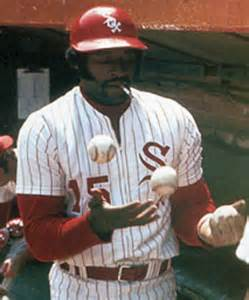
Chuck Brodsky: “Letters in the Dirt”

About being a kid and believing in baseball heroes. The last couple lines might put a lump in your throat.

The Baseball Project: “Harvey Haddix”

A tribute to the Pirate who threw 12 perfect innings, only to lose the game in the 13th.
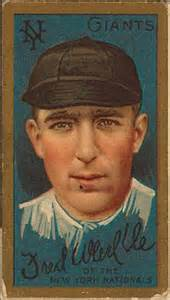
Chuck Brodsky: “Bonehead Merkle”

Amazing story of how the Giants lost the pennant in the strangest of ways in 1908.
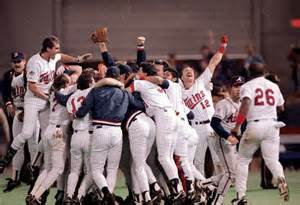
The Baseball Project: “Don’t Call Them Twinkies”

Every baseball franchise should have an anthem this great written in its honor.

We don’t buy our titles/But we still won two World Series…
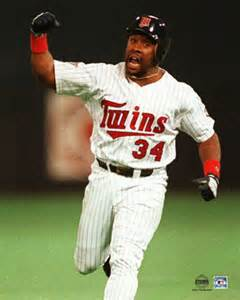
Pat Donohue: “Touch ‘Em All”

An homage to Kirby Puckett from Minnesotan Pat Donohue.

The Baseball Project: “Chin Music”

Like an old time counterculture sing-along, but with a valid point about wimpy modern baseball.

We’re gonna get high and inside
Bonus  Spoken Word Cuts:

Dan St. Paul: “The First Baseball Game”

Comedy bit from the Bob & Tom radio show.

Paul Schersten: “Ballpark Names Fail to Impress”

(from NPR’s All Things Considered)

Frank DeFord: “Aren’t We Tired of Watching the Pitch Count?”

(from NPR’s Morning Edition)

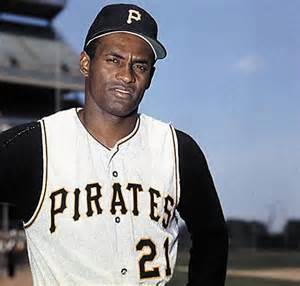
David Maraniss: Clemente: The Story of a True Baseball Hero

(from NPR’s Weekend Edition Sunday)
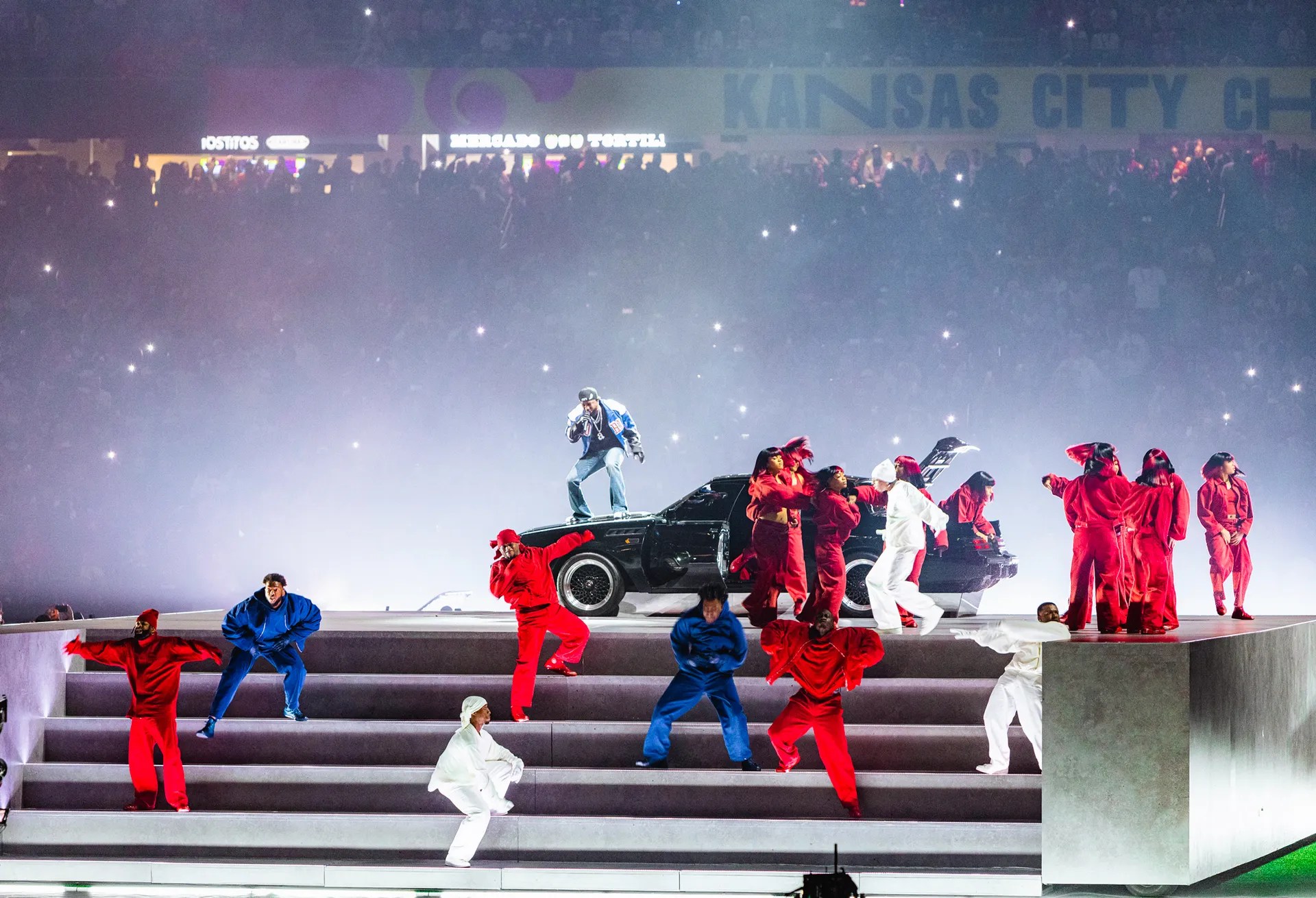
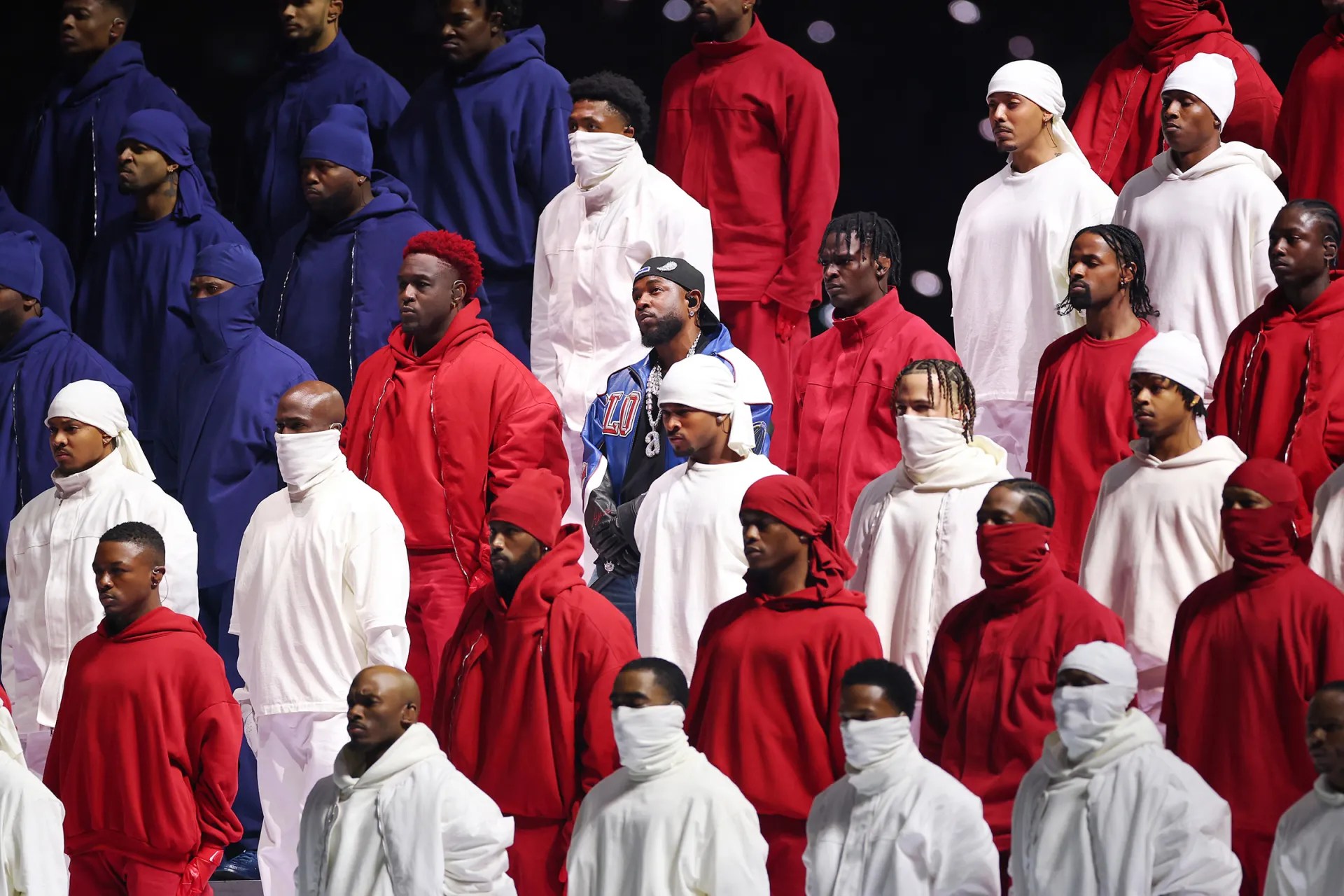
The Wild True Story Behind Kendrick Lamar’s Super Bowl Halftime Show

From the start, Kendrick Lamar wanted to turn his life into a video game for his big Super Bowl halftime show. The team tasked with doing that knew what to do—right down to sourcing a vintage GNX.

Photograph: Darrell Jackson

(via Wired) by Angela Watercutter

Kendrick Lamar wanted a GNX. Not the one from the cover of his new album of the same name. One that could be gutted and turned into a “clown car” for his Super Bowl LIX halftime show. That’s how Shelley Rodgers, the show’s art director, tells it. Rodgers has solved such big-stage problems for everyone from Beyoncé to Lady Gaga; she won an Emmy for her work on Rihanna’s halftime show in 2023. A car wasn’t a huge deal, but she still needed to find one. They couldn’t borrow Lamar’s own Buick Grand National because they’d kind of need to destroy it to pull off the visual trick.

“That car was not easy to find, especially since he dropped his album,” Rodgers says. “We could have just used his, but I don’t know that he would’ve liked it after.”

Erik Eastland from All Access, the company responsible for fabricating the stage for Sunday’s show, was the one who found what Lamar wanted. Eastland and his team located the GNX at a mom-and-pop car lot in Riverside, California, after a thorough search and at least one near mishap…

Read more: https://www.wired.com/story/true-story-behind-kendrick-lamar-super-bowl-halftime-show/?utm_source=firefox-newtab-en-us

Kendrick Lamar Just Rewrote the Rules of the Super Bowl Halftime Show

Kendrick Lamar performs onstage during Apple Music Super Bowl LIX Halftime Show at Caesars Superdome on February 09, 2025 in New Orleans, Louisiana. Gregory Shamus—Getty Images


(via Time) By Andrew R. Chow

When the NFL announced Kendrick Lamar as the Super Bowl halftime show performer in September, both his critics and fans expressed doubt that he would be up for the job. To naysayers, Lamar was too verbose, too political, too obscure for pop music’s biggest stage, which has typically featured culturally safe icons belting universally beloved anthems to the stadium rafters. Some instead clamored for New Orleans’s own Lil Wayne, a living embodiment of the raucous creativity and bacchanalia of the city hosting Super Bowl LIX.  

Conversely, Lamar’s fans worried that the narrow confines of the televised gig would require him to compromise his artistry; that even the act of him performing on such a corporate stage was a sign of him selling out or renouncing his activist, anti-establishment roots. There seemed to be no way that Lamar could both win over the masses yearning for spectacle and his diehards hoping for a thunderbolt of Pulitzer-level genius

But Lamar’s superpower has long been his unique ability to navigate this exact tension between message and reach: to tell stories of American pain and oppression without coming off as preachy; to challenge audiences lyrically and musically while widening his listenership. And on Sunday, this balancing act was on full display. Lamar delivered a Super Bowl performance wholly unlike any other before it, in which the aim was not to summon nostalgia or comfort but to demand full attention and active listening from his audience. 

What Lamar lacked in singalongs, he made up for in narrative, visual stagecraft, and sly political commentary—while also slamming the casket on his rap feud with Drake for good. “The revolution ‘bout to be televised,” he warned his audience at the top of the show. “You picked the right time, but the wrong guy.” 

Read more: https://time.com/7214228/kendrick-lamar-super-bowl-halftime-show-analysis/

Julieta Venegas: Why the Mexican pop icon wouldn’t call herself a pioneer

(via NPR)

https://www.npr.org/2023/03/10/1162615042/julieta-venegas-why-the-mexican-pop-icon-wouldnt-call-herself-a-pioneer

‘Hello Spud!’: How a Conversation About Potatoes Ultimately Led To Devo

via Spin.com

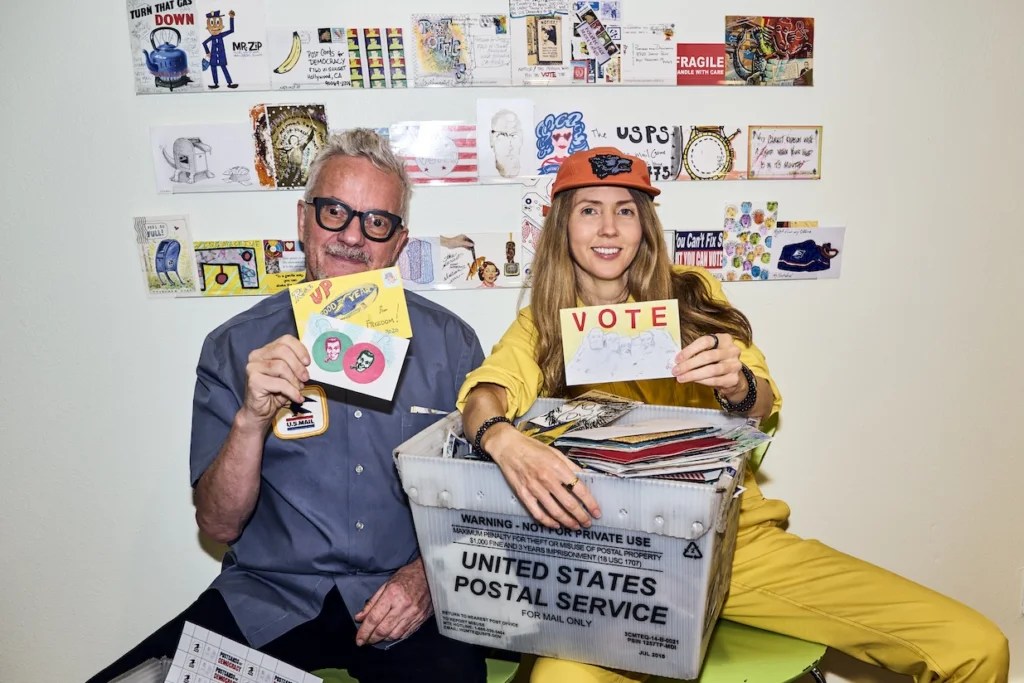
Three days had passed since the 2024 presidential election and, like millions of other Americans, Devo co-founder/frontman Mark Mothersbaugh was baffled by the outcome. One of the masterminds behind the Postcards for Democracy art project, Mothersbaugh has been deeply interested in politics since the 1970s. Devo itself is short for “de-evolution,” the idea that mankind has stopped progressing and is instead now regressing.

With Donald Trump headed back to the White House, for half of the country it’s difficult to argue otherwise. But for now, Mothersbaugh is doing his best to embrace an alternate perspective.

“I’m just impressed with how many people could be attracted to the president that’s elected now,” Mothersbaugh tells SPIN with a sense of bewilderment. “He’s going to be our president next year. I’m just impressed because his techniques all seem like warning signs of reasons why not to honor him.

“I’m curious to see where it goes because over half the country seems to be approving. Maybe this is a year I learn something that I didn’t know before. I guess it’ll be interesting to see which things he was telling the truth about and which things he was lying about.”

Postcards for Democracy, launched alongside artist Beatie Wolfe in 2020, carries on Mothersbaugh’s tradition of making postcard art, something he did even before the early days of Devo. In fact, it was a postcard that brought Devo bassist Gerald “Jerry” Casale and Mothersbaugh together while studying art at Kent State University…

Read more: https://clubdevo.com/hello-spud-how-a-conversation-about-potatoes-ultimately-led-to-devo/

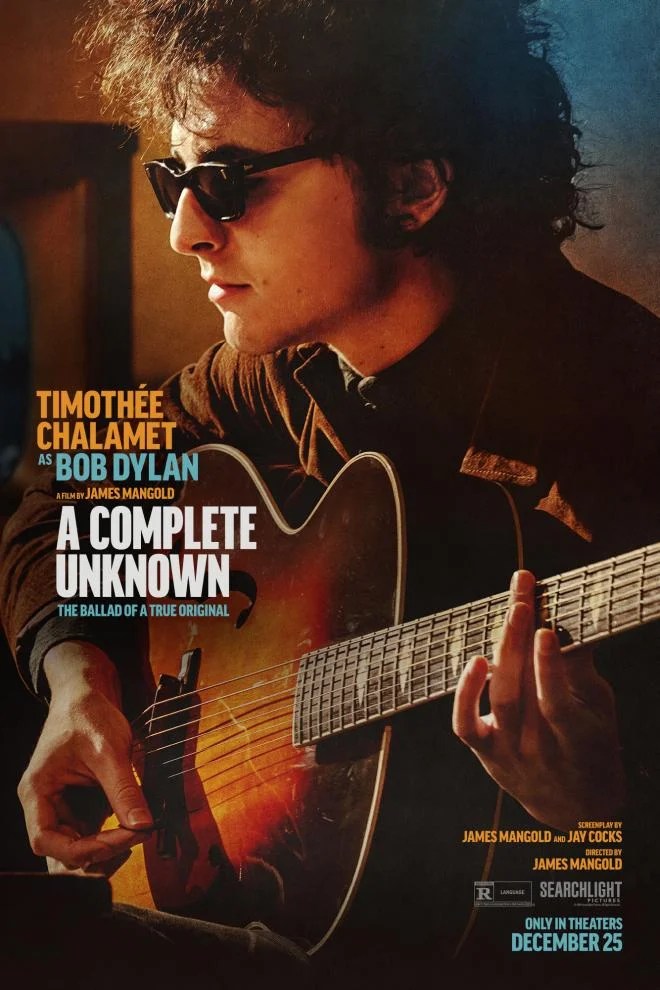
Mozart Meets Bob Dylan: Amadeus VS A Complete Unknown

(via WETA) by James Jacobs

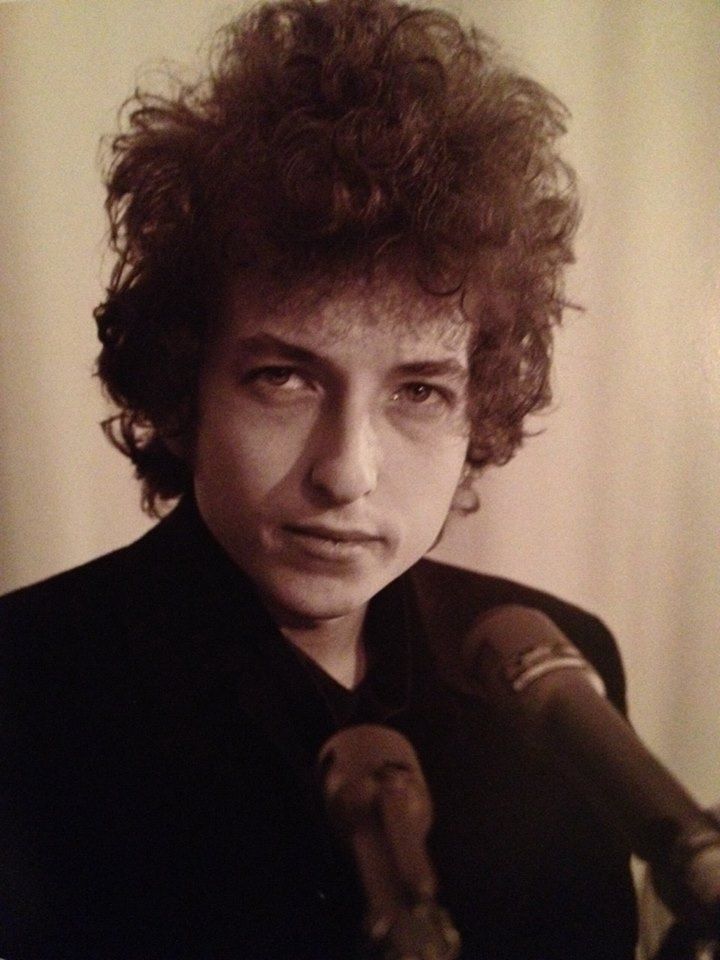
I recently saw A Complete Unknown. Bob Dylan is one of my favorite artists, and I actually got to meet and work with Pete Seeger (in fact I visited his log cabin that Dylan spends the night in early in the film, and I can attest that they got those details right) so I was excited to see those two icons acknowledged in our current popular culture and introduced to a new generation. Judging from reactions to the film on social media, the movie was a resounding success on that front (though Joan Baez seems to be the artist depicted in the film who’s really resonating with the younger generation.)  

There is no such thing as a perfect biopic that will satisfy both the people who know the history going in and those for whom the film acts as an introduction to the subject. I knew the film would take liberties, and that my reaction would be colored by my own feeling of connection to the period and milieu it depicts. The movie opens in 1961, the year Dylan arrived in New York at age 19, and also the year I was born on Long Island approximately 35 miles east of Greenwich Village. 31 years later I moved to New York and I played at some of the same clubs Dylan played in and got to meet icons like Pete, and Alan Lomax, and Theodore Bikel. I figured that’s the world I would be obsessed with upon exiting the film. 

Courtesy of Searchlight Pictures. © 2024 Searchlight Pictures All Rights Reserved.rchlight Pictures

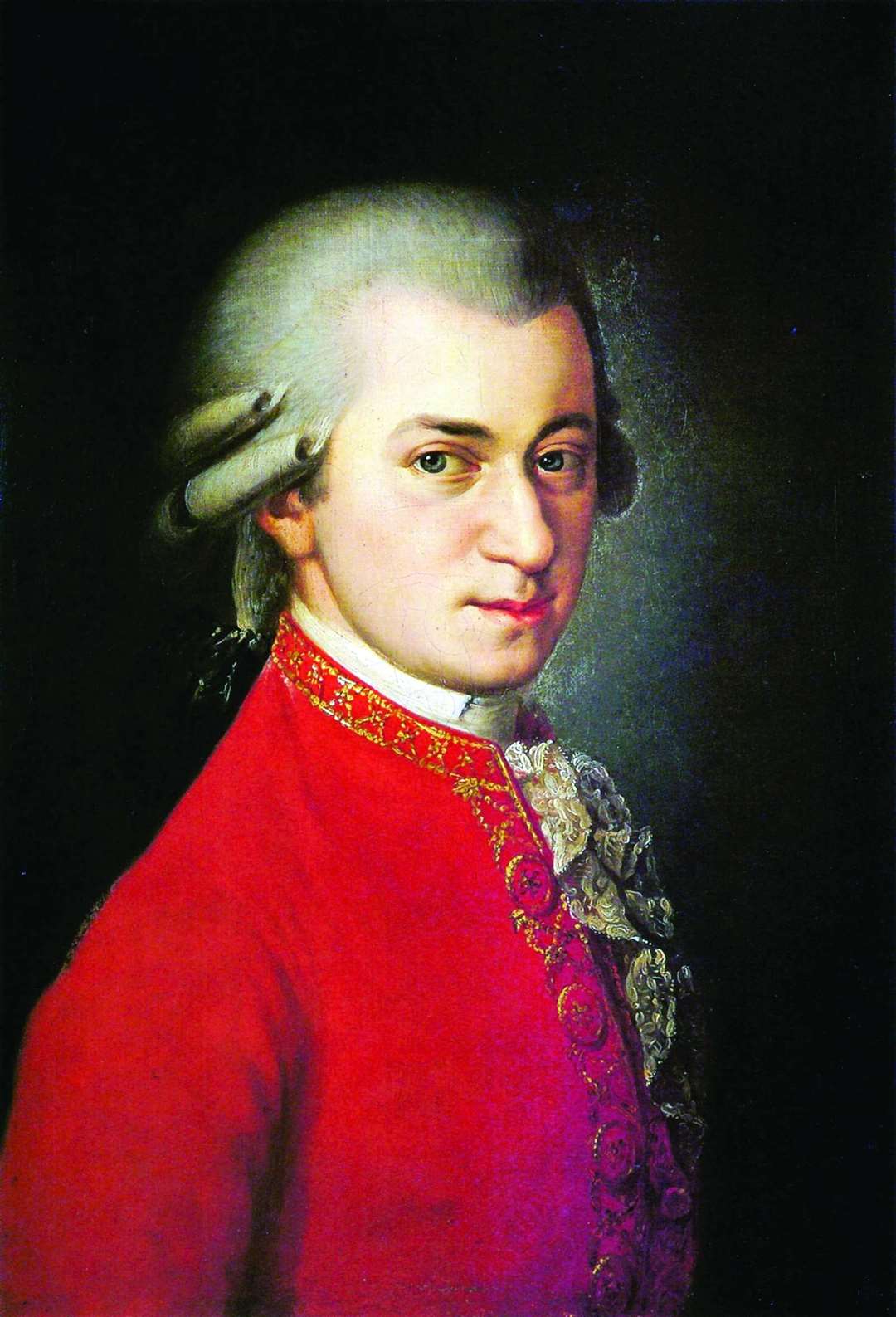
But instead I left the film thinking about another artist I am obsessed with but had never previously associated with this universe: Wolfgang Amadeus Mozart. 

Actually I thought about TWO Mozarts: the real one and the one dreamed up by the demented Antonio Salieri in Peter Shaffer’s play and screenplay Amadeus.  

Both Amadeus and A Complete Unknown are about immature genius savants who produce art that contains a deep well of wisdom and humanity completely lacking in their social personalities. The main characters are almost supporting players in their own stories, because what they’re really about are the people who try to connect with them but just can’t make sense of the profound disconnect between the sublime music and the selfish brats that produced it.  

Bob Dylan’s journey from provincial Minnesota to exciting New York is remarkably similar to Mozart’s escaping Salzburg for Vienna. They were both young, hungry, probably on the neurodivergent spectrum, had a justified confidence in their own abilities that made them both impatient with those who didn’t “get” them and distrustful of those who did, craving attention but unwilling to follow the established protocols necessary to cultivate their reputation and status within the industry – though they intuited that their rebelliousness actually helped their celebrity status even as it aggravated those managing their careers…

Read more: https://weta.org/fm/classical-score/mozart-meets-bob-dylan-amadeus-vs-complete-unknown

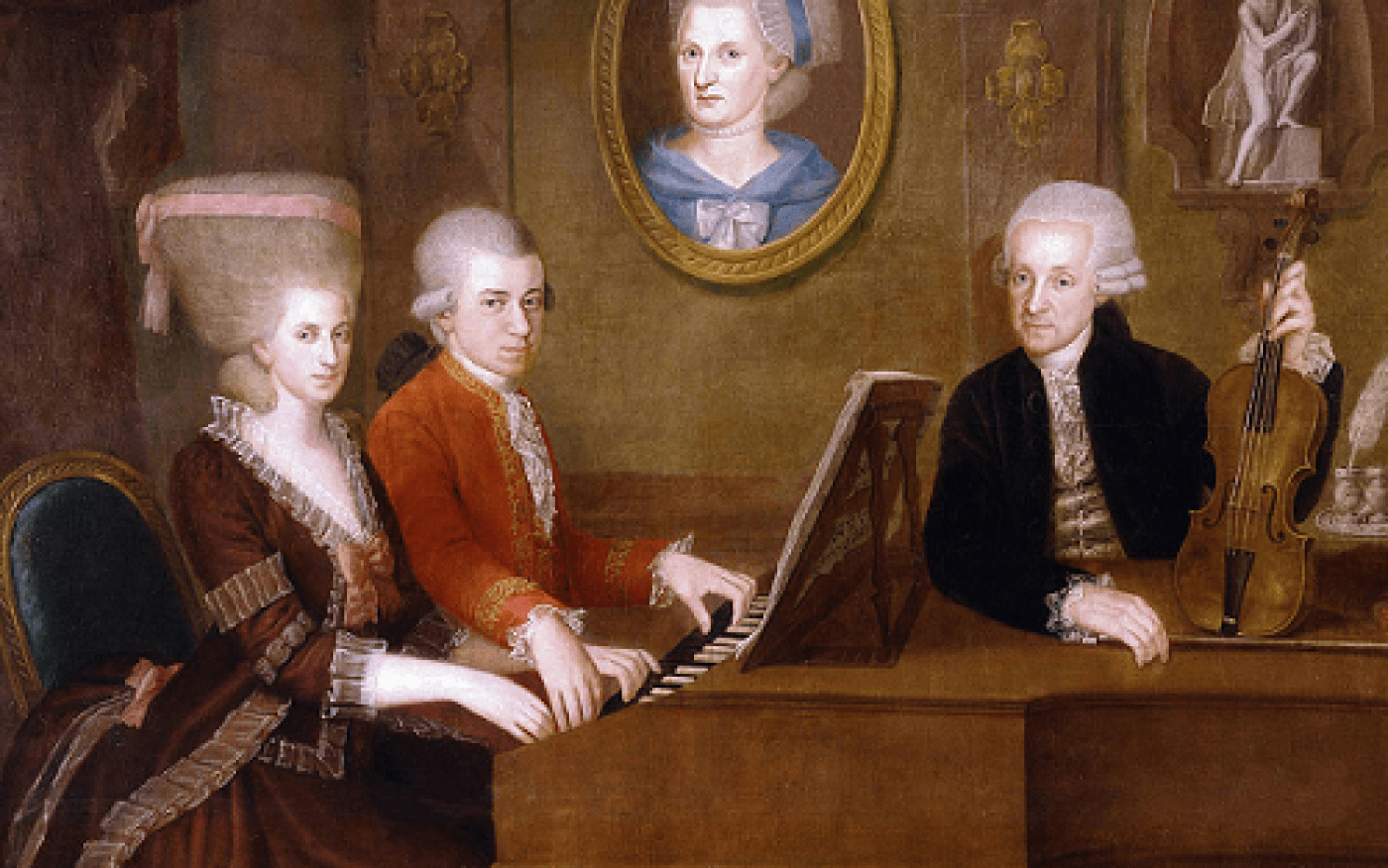
Wolfgang Amadeus Mozart (seated at piano) with his sister Maria Anna (left) and his father Leopold

Previous Older Entries Next Newer Entries